The shift to digital has reshaped how financial services work in the Philippines. It has made banking faster, more inclusive, and more efficient. For millions of Filipinos, tasks that once required long queues at branches, such as paying bills, sending money, or applying for loans, can now be done instantly through a mobile phone. This change is more than convenient. It is building financial inclusion, opening the door for those who had no access to formal banking before.
The digital transformation Philippines journey is tied to clear growth. The Bangko Sentral ng Pilipinas (BSP) reported that by the end of 2023, 50% of retail payments in the country were digital, hitting the goal set in its Digital Payments Transformation Roadmap. At the same time, 70% of Filipino adults had gained access to financial accounts, a milestone that shows how mobile wallets, online banking, and digital lenders have expanded reach.
These shifts fuel the wider economy. Digital payments lower costs for businesses, speed up transactions, and reduce risks tied to cash handling. For customers, they bring more choices, more security, and more control. digital transformation Philippines is not a promise for the future, it is a visible change happening every day, with measurable results.
Digital Transformation in the Philippines’ FSI Sector – Overview
Digital tools now power more than half of retail payments. In 2024, digital stock was 57.4 % of total payment volume, up from just 52–54 % projected under the national plan. Government-to-person payments lead the shift: 97.2 % now go digital.
The country’s digital economy hit about $35.4 billion in 2023 and grew 7.7 % from the prior year. Infrastructure made up 77 % of that value, showing that faster connections matter. Still, fixed broadband reached only 28 % of households in 2023, lagging behind peers like Vietnam at 79 %. Yet mobile and internet access now cover over 73 % of the population.
That access paved the way for smart banking Philippines. Digital banks like Tonik, Maya Bank, GoTyme, and UnionDigital launched fast. As of end-2023, Maya Bank held ₱45,321 million in assets, GoTyme ₱29,849 million, UnionDigital ₱19,446 million, and Tonik ₱7,721 million.
The BSP lifted its moratorium on new digital banks in August 2024, allowing a total of up to ten such banks.
Real-World Examples of Digital Innovation in Action
Maya Bank leads digital innovation. With 5.4 million users, it ended 2024 with ₱39 billion in deposits and ₱68 billion in loans disbursed. That growth positioned Maya as a top digital bank.
Mynt, operator of GCash, soared in valuation to $5 billion after investments from Ayala and MUFG, supported by strong mobile access and digital demand.
The national QR system, QR Ph, made payments safer and easier. It covers both banks and electronic issuers and aligns with BSP rules.
Under the BSP’s Digital Payments Transformation Roadmap 2020–2023, retail digitisation hit 50 %, and 70 % of Filipino adults gained financial accounts by end-2023. That meant more people could save, borrow, and pay using digital tools.
Still, banks invest less in tech here than in other Asia-Pacific markets, below 10 % of revenue, compared to a regional average of about 15 %. Yet the gains are clear.
finance technology leadership summit
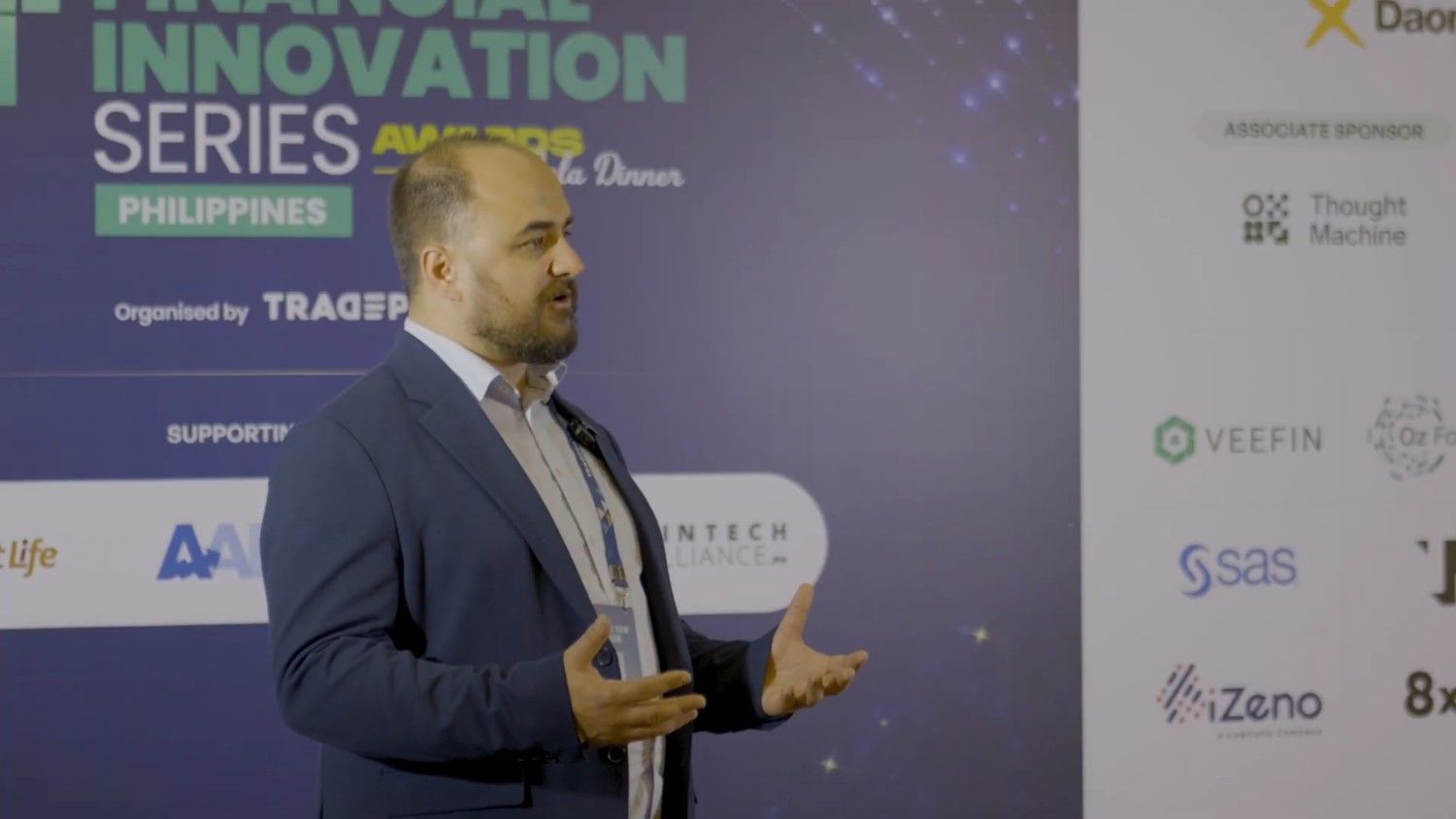
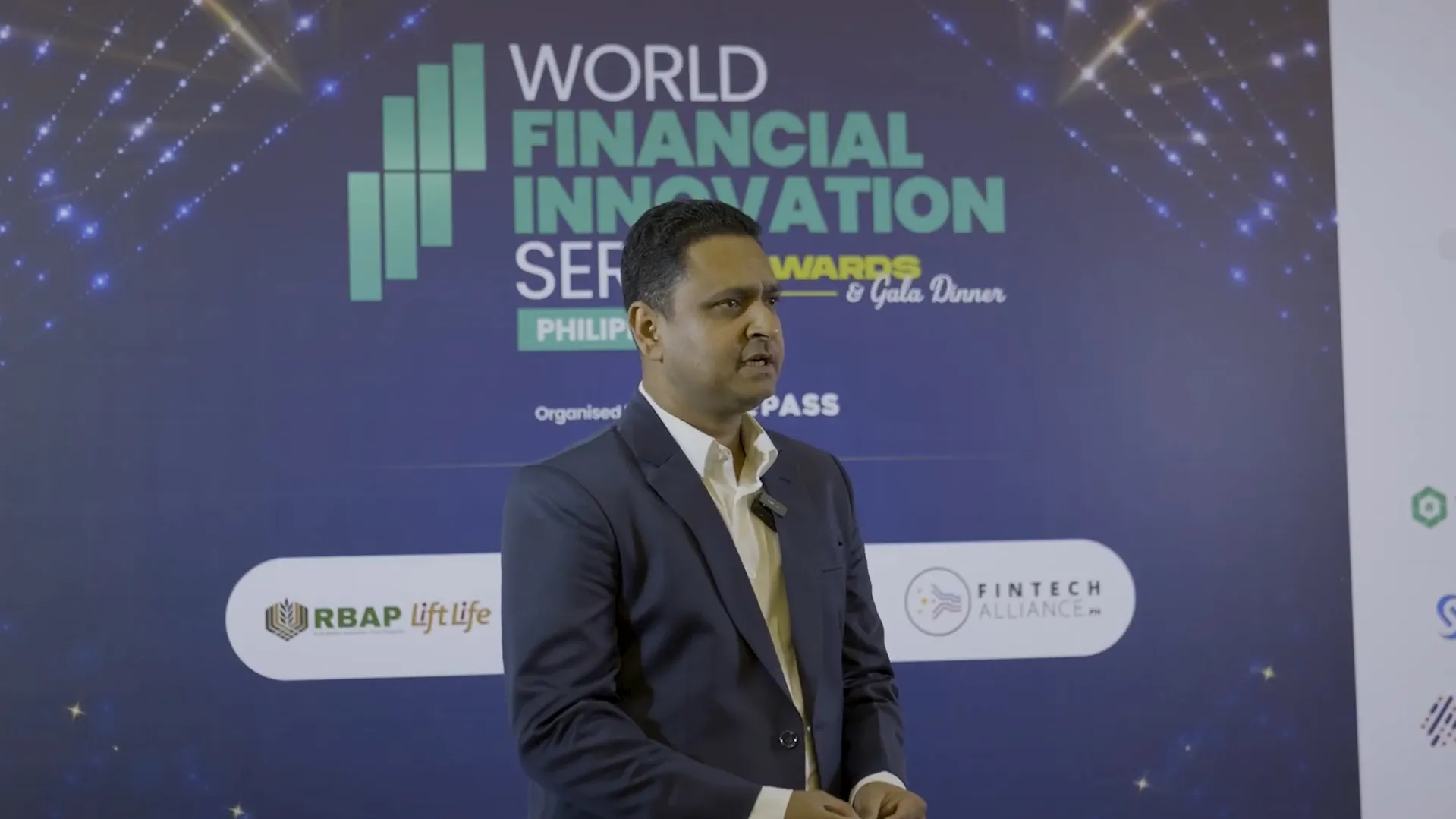
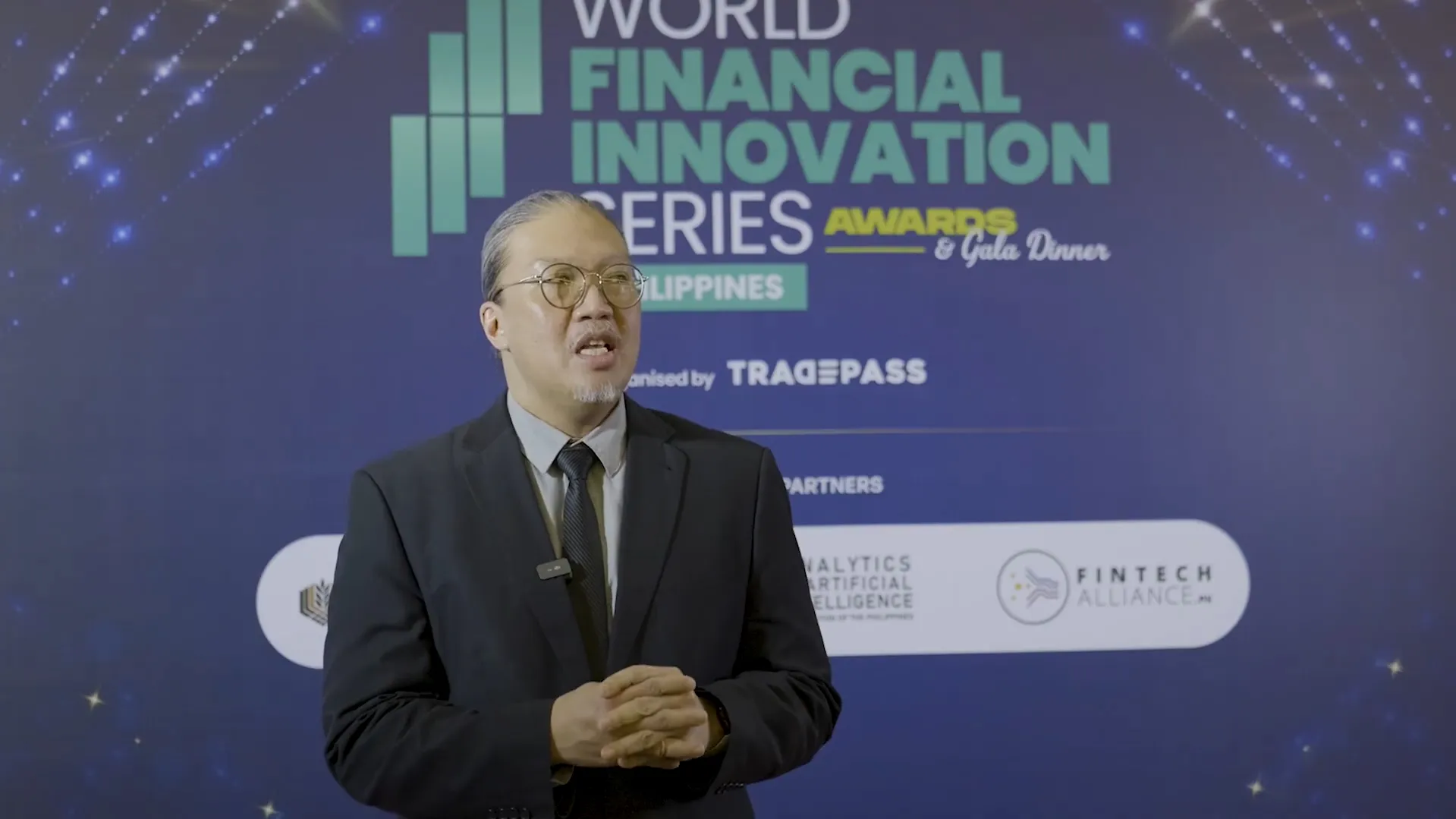
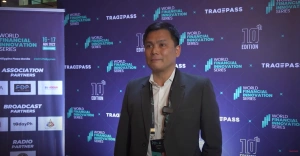
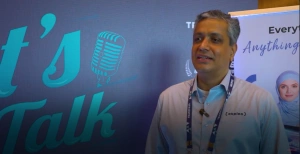
This shift emerged around forums like the finance technology leadership summit, where bank and tech leaders meet to talk tools, risks, and customer needs. These dialogues help drive standards, push secure launches, and inspire new ideas.
How WFIS Philippines Supports the Industry’s Digital Shift
By joining the finance technology leadership summit stage, Philippines WorldFIS helps fast-track innovation. We offer a platform where leaders share ideas and see what works. We bring together banks, insurers, microfinance, and tech experts in one focused space.
Why Philippines WorldFIS helps:
We gather over 600 senior-level finance and tech professionals in Manila, from banks, insurers, microfinance, and regulators.
We spotlight key tools such as AI-led onboarding, open APIs, digital identity, and cognitive banking.
We link innovators to policymakers. Leaders from BSP, SEC, and banks speak side by side.
Our strengths at a glance:
We host cross-sector leaders in one forum.
We highlight real tools like biometrics, AI, automation, and no-code platforms.
We support regulatory trust and compliance, key with BSP and SEC involved.
We drive collaboration across digital finance, cyber-security, inclusion, and open banking.
We boost visibility with awards that recognize top financial innovators.
Conclusion
Digital transformation in the Philippines isn’t just hype, it shows in higher e-payment volumes, rising digital bank assets, and widespread mobile finance use. Even with infrastructure gaps, the country races ahead with smart tools like QR Ph, neobanks, and AI-driven services.
The finance technology leadership summit and FSI technology Philippines events help shape this shift, building trust and speeding adoption. As the market moves, Philippines WorldFIS stands at the center, uniting leaders, tools, and policy to drive real impact.