Hidden in every banking system and insurer’s daily tasks is a tide of numbers, patterns, and decisions. That is where data analytics finance steps in, turning raw figures into clear choices. When finance meets cutting-edge algorithms and massive datasets, smart systems help firms act faster, spot risk early, and serve people better.
In the past, banks used charts and gut feel. Now, they rely on models that read signals in millions of records to spot fraud, match credit scores, or tune offers. This marks a shift. The world of BFSI (banking, financial services, insurance) now rides on big data analytics finance to drive change.
Rise of Data-Driven Decision-Making in BFSI – Overview
Banks and insurers now direct decisions with real-time insights. This means spotting when fraud hits, under-pricing risk, or offering the right loan product at the right time. They break free of old habits and embrace fast, fact-based moves.
Analytics tools now power dashboard alerts, customer scoring, and fraud detection. Risk models learn from patterns in transactions and flag odd behavior instantly. These tools remove guesswork and bring speed and clarity to decisions long held back by manual steps.
Key Big Data and Analytics Trends Shaping 2025
The shift toward smarter finance is not only about faster decisions but also about the depth of insight institutions can gain. In 2025, big data analytics in finance is set to drive a wave of transformation across banking, insurance, and payments. From fraud prevention to credit scoring and even the rise of digital currencies, analytics is moving from a support tool to the very backbone of financial operations.
Below are the key trends shaping this change.
Real-time fraud detection with streaming data: Systems now use platforms like Kafka, Spark, and Flink to scan transactions as they happen. Models built on big data deliver over 99% accuracy in flagging fraud.
Predictive risk scoring and automation: Analytics now feed credit scoring and loan models with external data, adjusting scores in real time. This cuts default risk and speeds approvals.
Personalized offers from deep insights: Behavioral clustering and churn-risk models help firms send timely, relevant offers. This improves loyalty and ups the value of each customer.
CBDCs, blockchain, and e-KYC growth: Central banks push digital currencies to boost access, while blockchain and smart contracts cut payment delays. Onboarding uses digital IDs, biometrics, and remote checks to speed users in safely.
Generative AI meets big data: Firms use AI to parse massive data, personalize answers, and automate tasks. This improves efficiency while letting teams focus on strategy.
Challenges in Implementing Advanced Analytics in FSI
Data quality and silos – Many institutions store data in old systems or in separate silos. That slows real-time analytics.
Regulatory pressure – Government rules demand transparency in models. Firms must explain how predictions are made.
Talent shortage – Few staff know how to run big data analytics in finance. Hiring or training slows adoption.
Infrastructure cost – Real-time analytics needs strong tech stacks. Spark and Kafka systems can be pricey.
Ethical and privacy concerns – Using personal data for credit or marketing raises trust issues. Firms must guard data carefully.
Real-World Applications of Smart Finance in the Philippines
In the Philippines, banks and insurers lean on FSI technology Philippines to stay close to fast-growing digital demand.
Fraud systems monitor mobile wallet use as wallets grow in popularity.
Banks feed mobile phone and payment data into credit models when formal credit history is weak.
E-KYC tools use digital ID and biometrics for fast, secure onboarding in rural areas.
Embedded services in apps let users get loans, buy insurance, and pay bills, all without leaving the banking app.
Filipino firms use big data analytics in finance to tune marketing, cut churn, and serve under-banked communities.
How WFIS Philippines Drives Innovation in Smart Finance
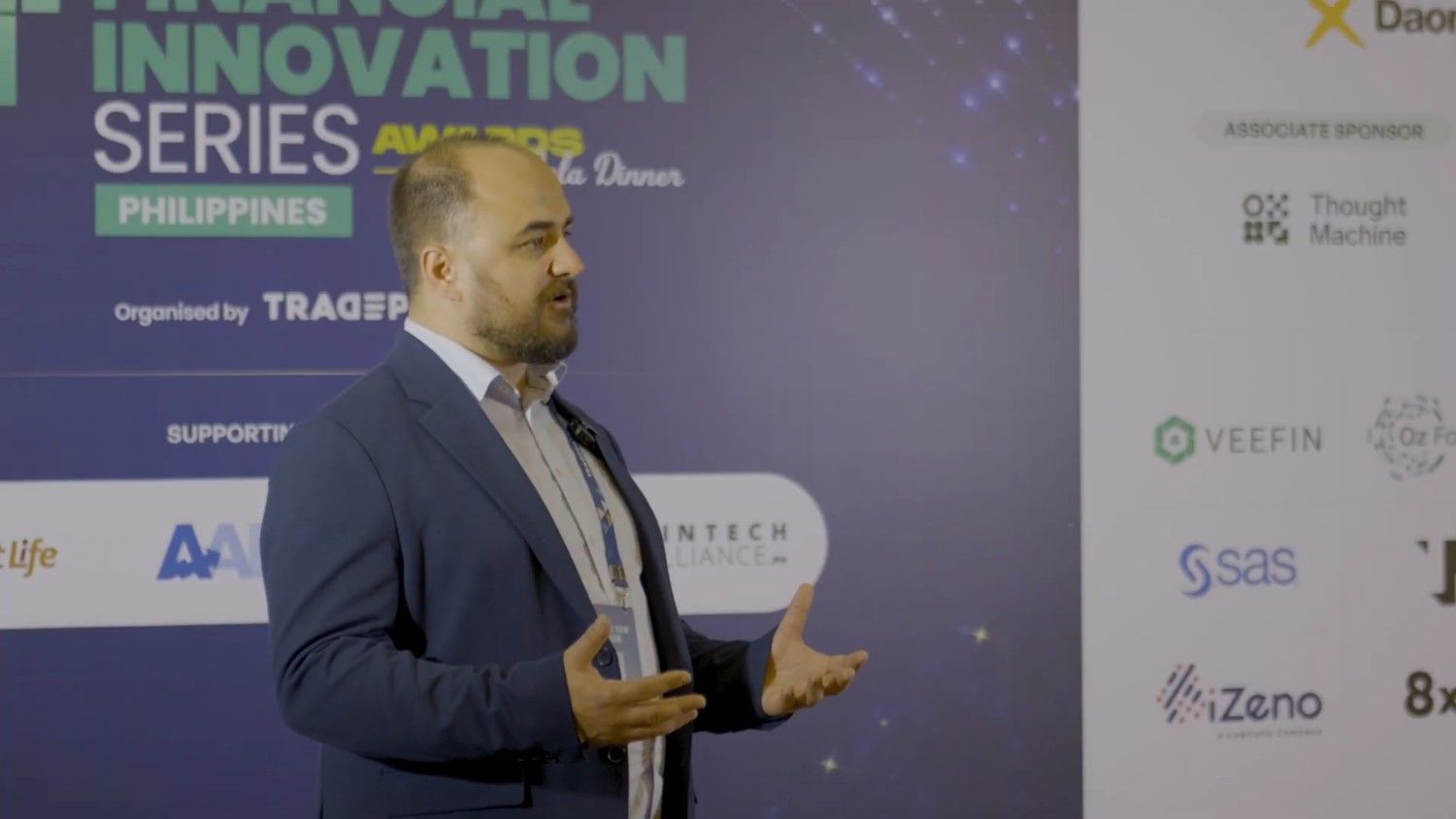
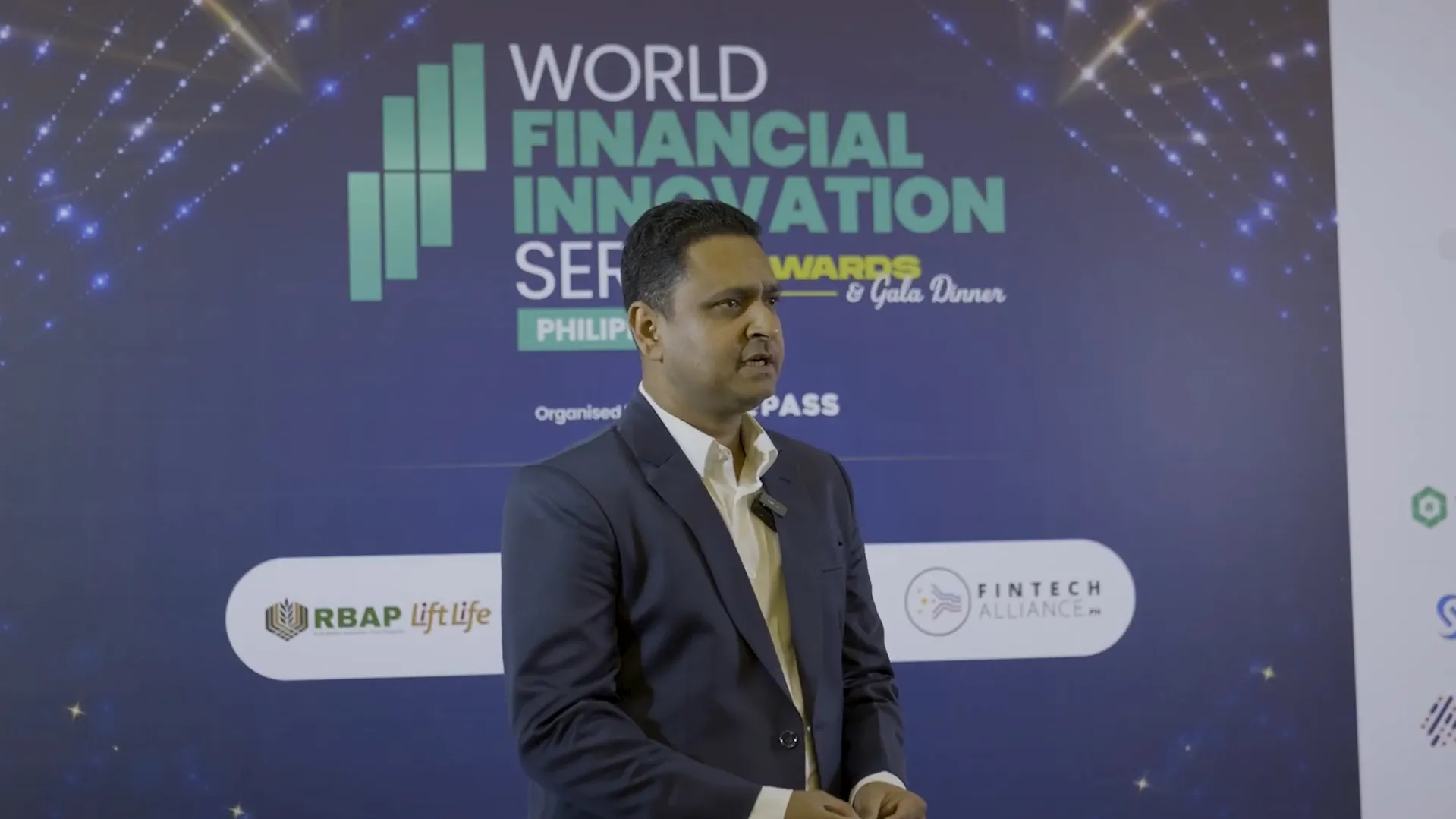
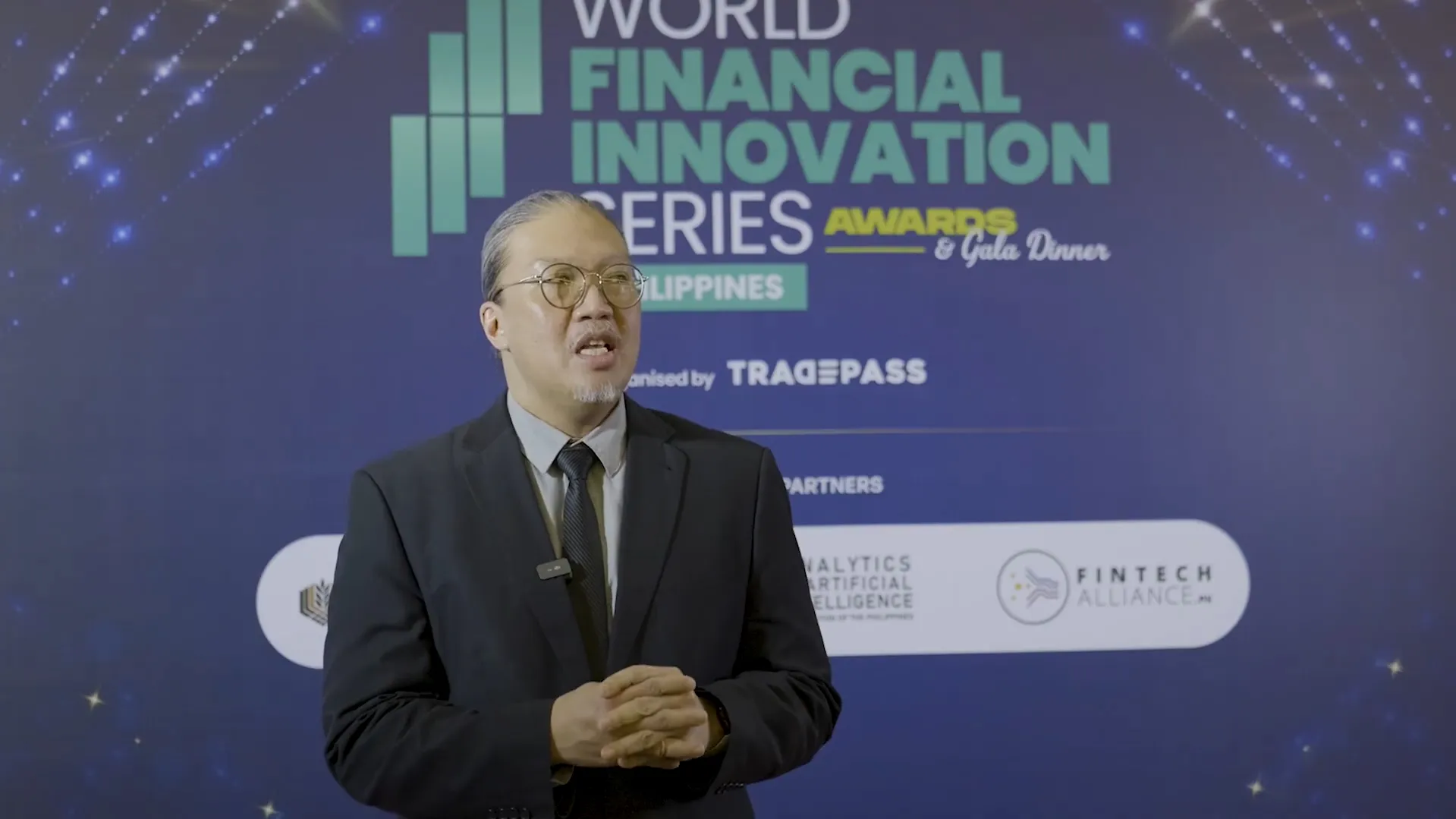
We bring ideas, tech, and leaders together. Philippines WorldFIS is more than talk. It links expert teams, banks, and regulators under one roof. At our 2025 event in Manila, we:
Host over 600 technology and business heads from banks, insurance, and micro-finance.
Share data tools and ideas with 30+ solution providers and 40+ speakers, including regulators and bank leaders.
Highlight how big data and AI shape FSI technology Philippines, from fraud detection to digital ID.
We support growth across the Philippines. Here’s what we enable:
Quick idea testing in one place
Real use cases in smart banking Philippines
Compliance + innovation in one platform
Our Strengths
We host the stage for industry learning and real talk.
We build trust by linking providers with banks, insurers, and regulators.
We drive collaboration to put big data models and smart finance apps to work.
Conclusion
Big data analytics in finance is reshaping BFSI in 2025. From real-time fraud spotting to smart credit scoring and embedded services, smart finance is now about speed, insight, and customer connection.
But rising tech brings hurdles, data, cost, and trust must be managed. This is where FSI technology Philippines shines, and where Philippines WorldFIS plays a pivotal role. We bring people, policy, and partners together to make smart finance real.
Join us. See how we make smart banking Philippines work, with data, tools, ideas, and trust.