Digital tools are changing how insurance works for everyday Filipinos. Apps, chatbots, and data platforms now handle quotes, claims, and risk checks. These features mean faster support and wider access. Insurance firms use tech to serve more people, whether in cities or remote villages. This shift shapes how insurers and policyholders meet and engage.
The insurance sector in the Philippines is growing. Gross written premiums in Q1 2025 rose 14.4% year-on-year, reaching $2.24 billion. Insurance penetration edged up to 1.89% from 1.78%, and density climbed to $19.71 per person. Total assets grew to $44.6 billion, while net income rose 7.1% to $275 million. These numbers reflect both growth and steady returns.
Low insurance reach shows the need for change. Only about 3% of adults are insured. That gap signals huge room for innovation and insurtech to expand access.
Why Technology Matters in Insurance
Filipino families often skip insurance due to cost, paperwork, or lack of trust. Digital channels solve these issues. Insurtech makes it easier to browse, buy, and claim via mobile. GCash’s GInsure reached 14.6 million users, making insurance simpler and more visible.
Microinsurance and flexible plans matter, especially for small businesses or farmers. These offer small, on-demand coverage with low cost.
Tech also cuts costs. AI helps insurers pay claims faster and spot fraud early. That lowers administration and keeps pricing stable.
Building Customer Trust in Digital Insurance
Even as insurtech adoption rises, trust remains a key issue. Many Filipinos still prefer face-to-face transactions for financial products. A 2024 survey by Statista showed that 56% of consumers in Southeast Asia trust digital financial services, but the Philippines lags slightly behind neighbors like Singapore and Malaysia.
To bridge this gap, insurers and technology partners are working on better transparency. Clear policy terms, user-friendly apps, and fast claims all help users feel more secure. Digital education campaigns are also growing. When customers understand how insurance works, adoption rates rise.
This trust-building effort matters most for young workers and gig economy earners. They are digital-first, but also cautious about money tools. Winning their confidence can drive long-term growth for the sector.
Insurance firms now work with startup and tech partners. These insurance technology partners build tools like AI underwriting or chat claims. They help firms stay agile and meet user needs quickly.
Regulators support this shift too. The Insurance Commission allows electronic sale of policies and encourages digital plays under its 2014 e-commerce guidelines.
Groups like the BSP and Insurance Commission are open to pilot runs and innovation tests. Even though specific insurtech rules aren’t out yet, regulators are supportive and pragmatic.
What Insurtech Looks Like Today
Some trends are already clear:
App platforms let users compare and buy plans in minutes. No walk-in needed.
Chatbots answer questions and file claims instantly, even after hours.
Embedded insurance bundles coverage with other services. For instance, travel insurance pops up when booking flights.
Micro-insurance meets workers who need flexible, low-cost cover.
AI tools help insurers understand risk, detect fraud, and personalize offers.
These features improve experience and trust, while also saving insurers time and money.
How the Market Is Shaping Up
The insurtech market shows strong promise. Globally, insurtech is set to grow fast, from $10.2 billion in 2024 to $57.9 billion by 2032 (CAGR 24%).
Locally, firms and startups are forming over 25 insurtech players in the Philippines. About 7 have funding, showing investor trust.
Tech areas like AI risk scoring, blockchain for claim tracking, usage-based pricing, and on-demand cover are on the rise.
This growth plays into a broader plan to boost financial technology in the Philippines. Insurtech is one part of a bigger shift in the financial technology Philippines scene.
Collaboration for a Stronger Ecosystem
The insurtech conference Philippines push is not only about apps and AI. It’s also about collaboration. Insurers, regulators, and startups need to work together to grow access.
Partnerships between big insurers and local insurtech firms are multiplying. Global players bring stability, while startups provide speed and creativity. Regulators like the Insurance Commission play a middle role, balancing innovation with customer protection.
This joint effort ensures products are both innovative and compliant. It also allows insurance providers to reach rural and underserved areas. For a country where many remain uninsured, this ecosystem approach is critical.
World Finance Innovation Series – Philippines: Opening Doors for Insurtech
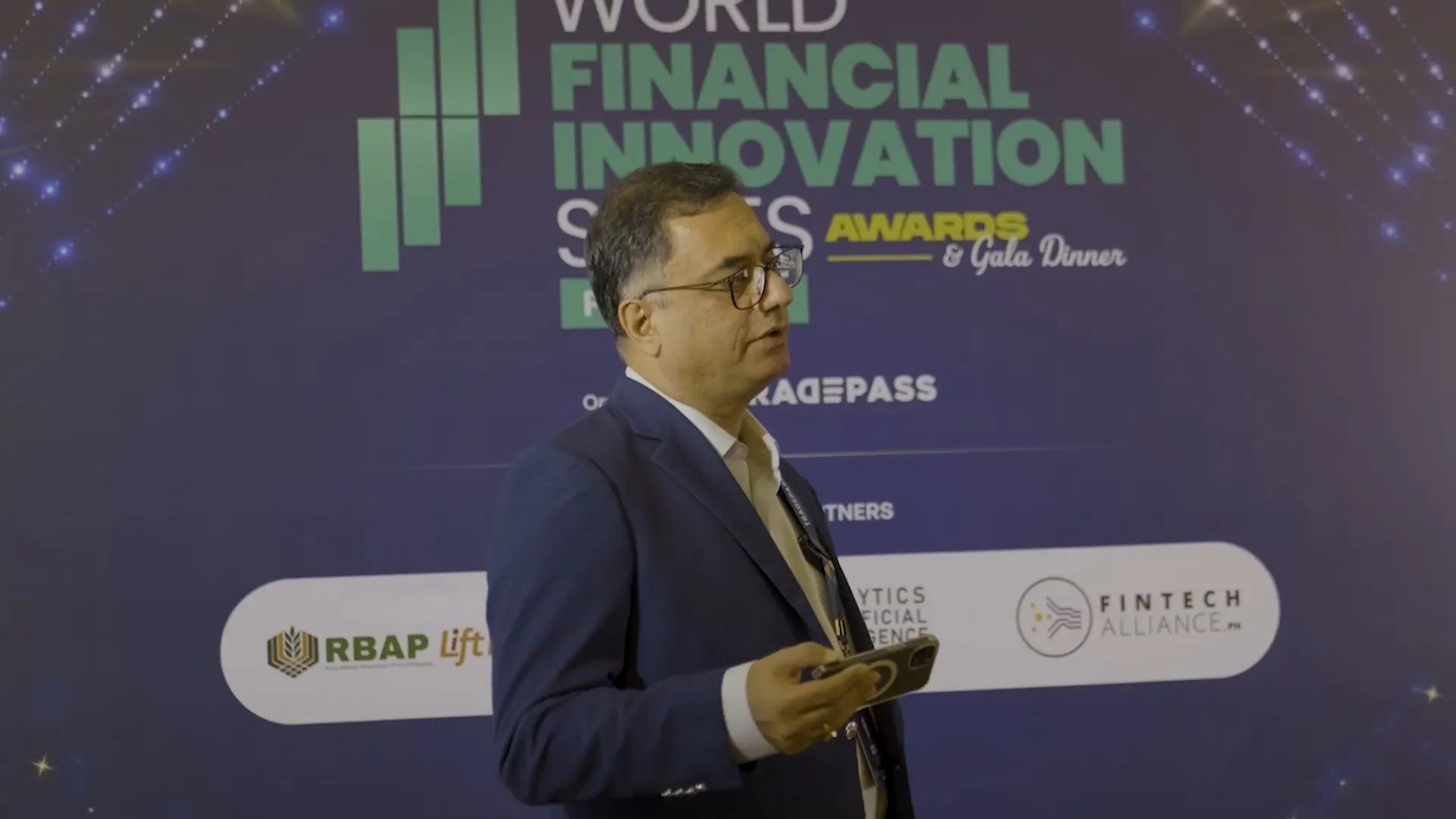
The WFIS insurtech conference Philippines brings together insurers, startups, and policy makers to show how insurtech is working now and ready for more.
We host live demos, mobile apps, quick claims, AI checks, in real time. We also map where the market is going, showing data on insurance access, tech adoption, and user reach.
Our panels include regulators and firms. We align with national goals on inclusion and digital trust. The Insurance Commission and BSP back smart, safe growth. We help policy and players meet on common ground.
Joining our innovation hub WFIS lets you see what works and what’s next. You see vetted tools, tested flows, and real benefits. You also connect with those building insurtech solutions, whether carriers or startups.
Conclusion
Insurtech is not just tech, it changes who gets insurance and how easy it is. In the Philippines, access is rising, premiums are growing, and assets are solid. Apps, AI, and embedded policies make insurance real for more people.The innovation hub WFIS is built to support this change. We aim to turn ideas into results. We bring people to learn, share, and build tools that protect more Filipinos. The future of insurance is digital, inclusive, and growing. And we’re here to help make it work.