Strong ties between government and private firms drive real impact. Public-private partnerships drive new tools, open access, and safer systems. Before we dive deeper, let’s frame why this matters now. The Philippines runs more public-private partnerships than most peers. In 2025, the country’s PPP system held firm, though it had room for more private investment. The PPP Code of 2023 set clear rules and cut red tape . Alongside, the National Innovation Council guides how private ideas link to public goals
In fintech, these ties matter. They help fintech firms test apps, widen financial access, and bring new ideas into use. They ground innovation in policy and spread tools to more people.
How Public-Private Partnerships Power Fintech Innovation
1. Testing and learning in a safe zone
Authorities open sandboxes for fintech trials. The BSP’s Regulatory Sandbox lets startups try ideas under guardrails. That tool blends public oversight with private speed.
2. Shared policy and planning
FinTech Alliance PH speaks for over 100 companies and stands behind most digital retail payments in the country. It worked on the Digital Payments Roadmap and pushed for the National Retail Payments System. It links private firms and policymakers.
3. Rules that back new tools
The BSP rolled out a Digital Banking framework and a roadmap for digital payments (2020-2023). The PPP Code of 2023 then gave fintech firms a stable playing field.
4. Innovation and access go hand in hand
The National Innovation Council backs firms that link tech and public benefit. It helps fund projects, guide policy, and spur inclusion.
5. Real success in fintech firms and data
Fintech gain is real. Philippine fintech funding hit USD 337 million in 2022, about 8 percent of ASEAN fintech funding. E-money use surged during the pandemic. By 2022, the country had 257.5 million registered e-money accounts ICLG Business Reports — that shows deep reach.
Maya, a top digital bank, served over 5.4 million users by end-2024. It held ₱39 billion in deposits and disbursed ₱68 billion in loans that year.
Mynt, operator of GCash, got a valuation of USD 5 billion after new funding. Later, Mitsubishi bought part of Ayala’s stake to boost growth for its 94 million users.
These leaps link tech energy to scale. Public-private ties help secure trust and access.
Public-Private Partnerships, fintech festival, and fintech event: Sparks of Growth
Events like fintech festival and fintech event bring people and ideas together. They fuel the ecosystem. A fintech festival connects startups, banks, and regulators. It invites talks, demos, and action.
These forums let firms see use cases. They let officials test ideas, catch needs, and shape plans. They give private players a voice in policy. That support helps shape more fintech services.
Supporting fintech event growth
Public-private partnerships often back these gatherings. Industry associations or councils may fund parts. They invite policymakers to join panels. That mix adds real insight and links ideas to action.
In the Philippines, events help surface philippines insurtech innovations as well. For example, insurtech firms take part in fintech event showcases. They models help bring insurance to remote communities. That draws attention and support.
Looking Ahead: Ideas to Try
1. More real-world pilots
PPP ties can place platforms in schools or farms. Think mobile pay for school meals or small farmer loans.
2. Shared data hubs
Private firms can feed anonymized data to public agencies, under rules. That can show where services are missing.
3. Incentive programs
Governments can offer small grants or perks for fintech projects that boost inclusion. Like cheap servers or tax breaks.
4. Joint training and labs
Universities, governments, and firms create labs to test fintech ideas. That can help the Philippines insurtech innovations and other new tools.
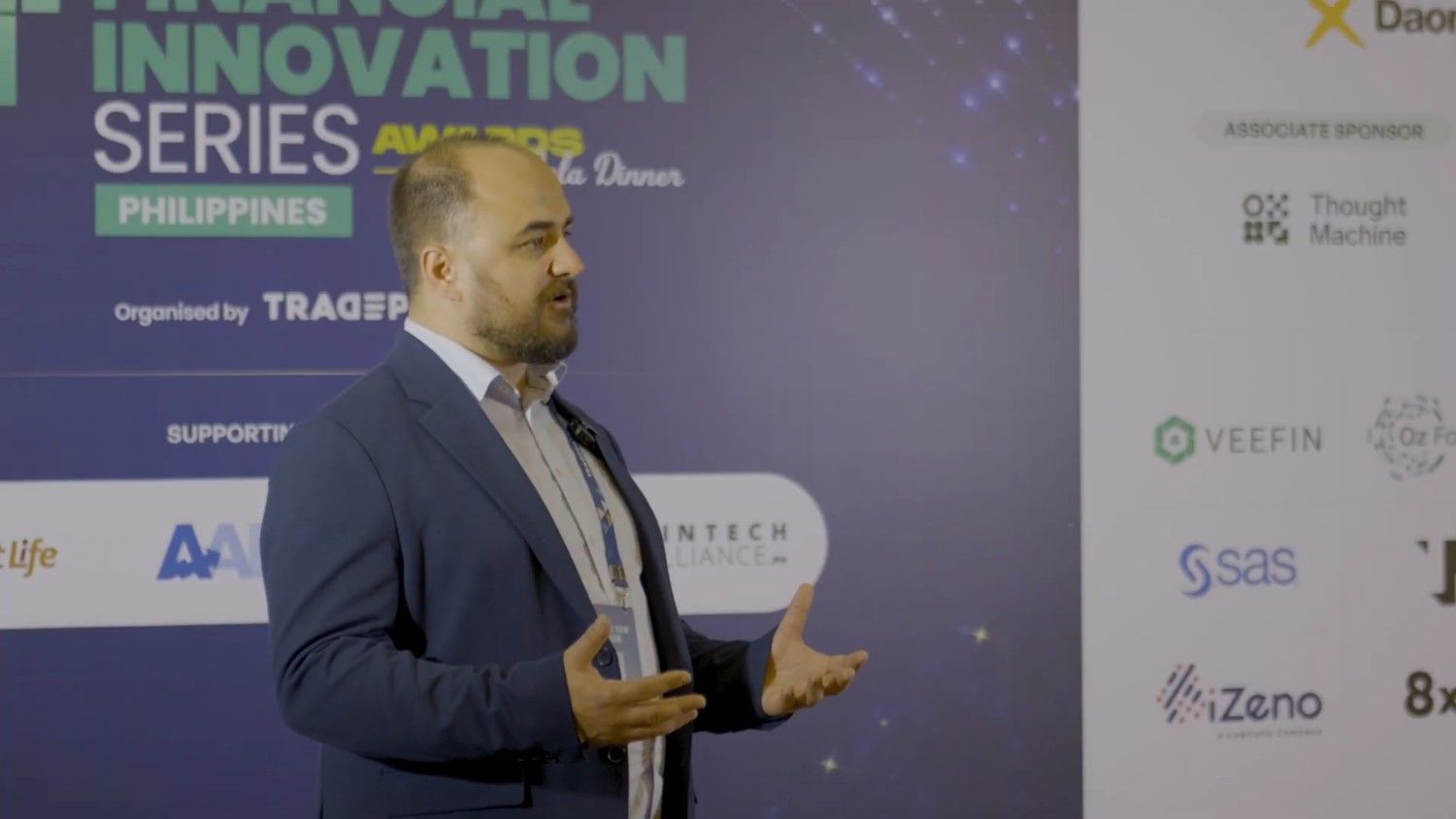
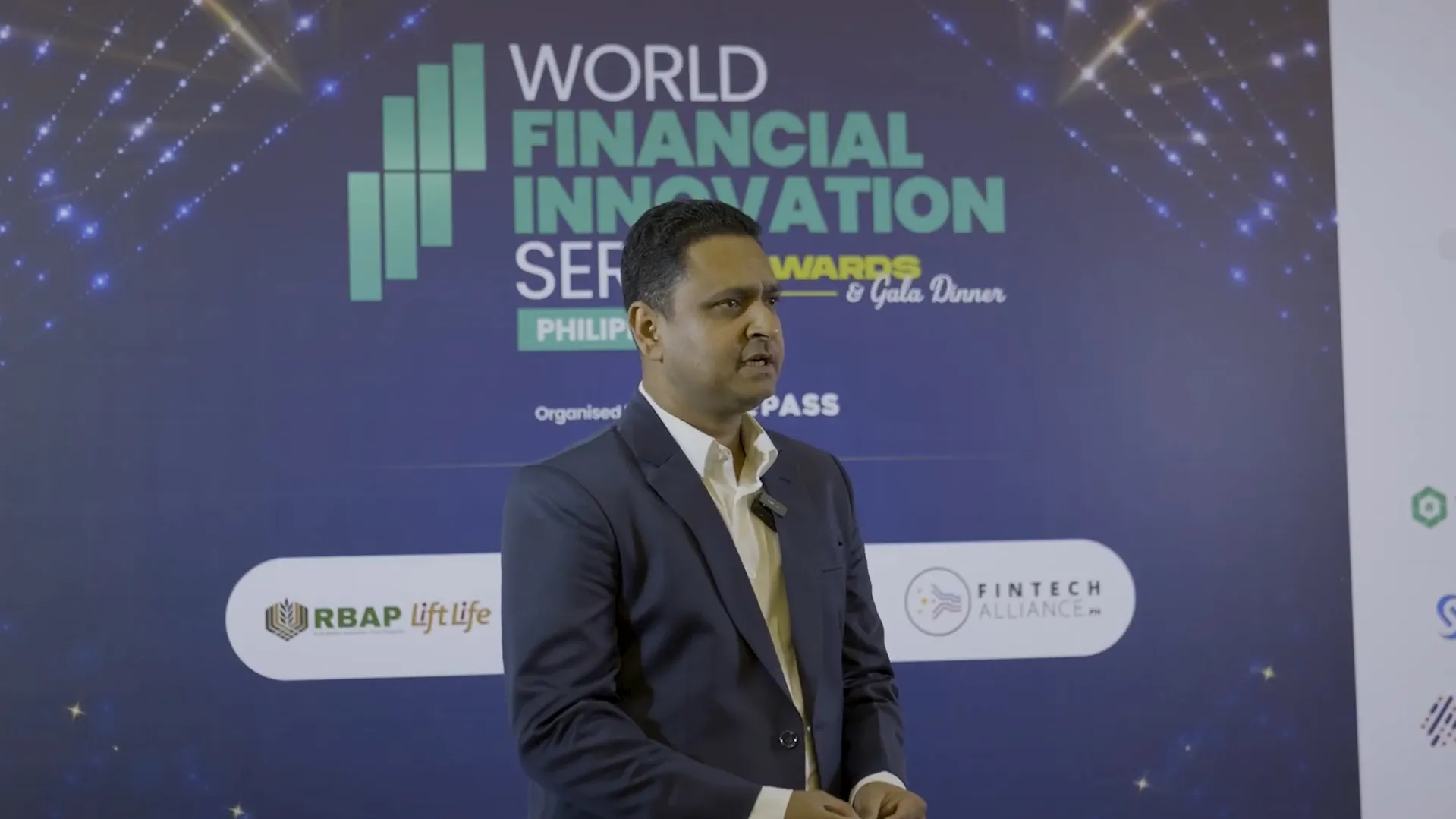
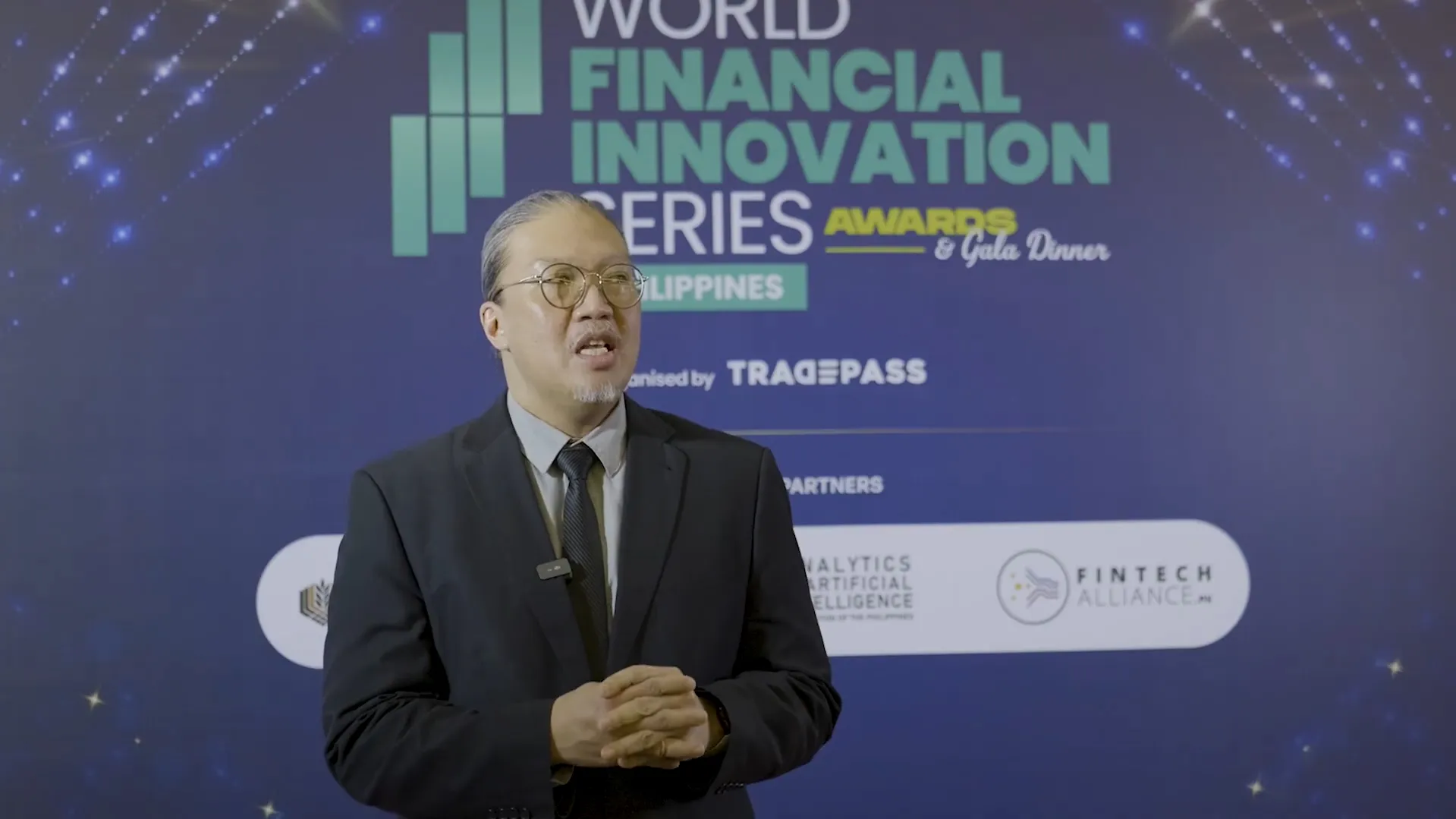
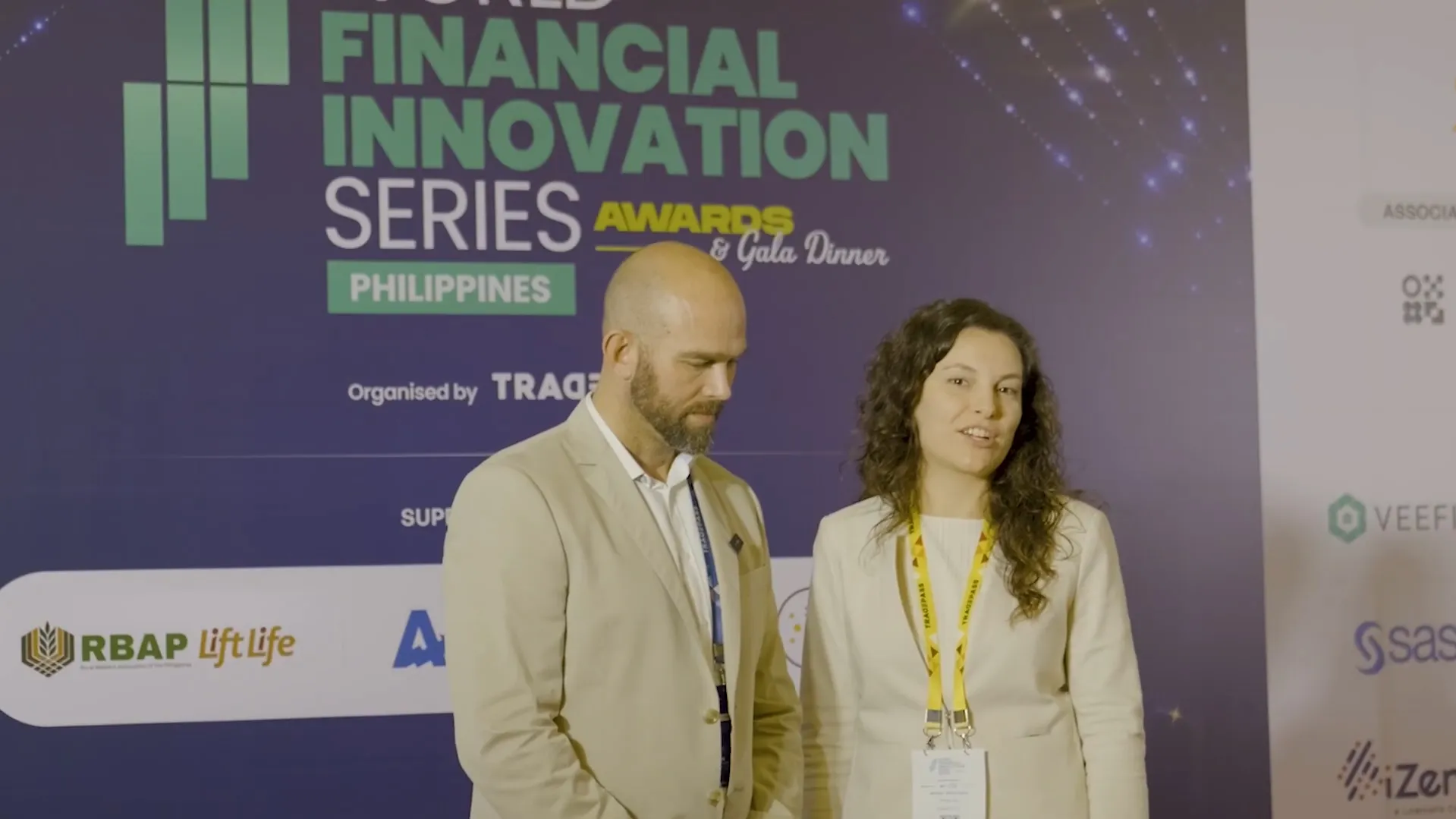
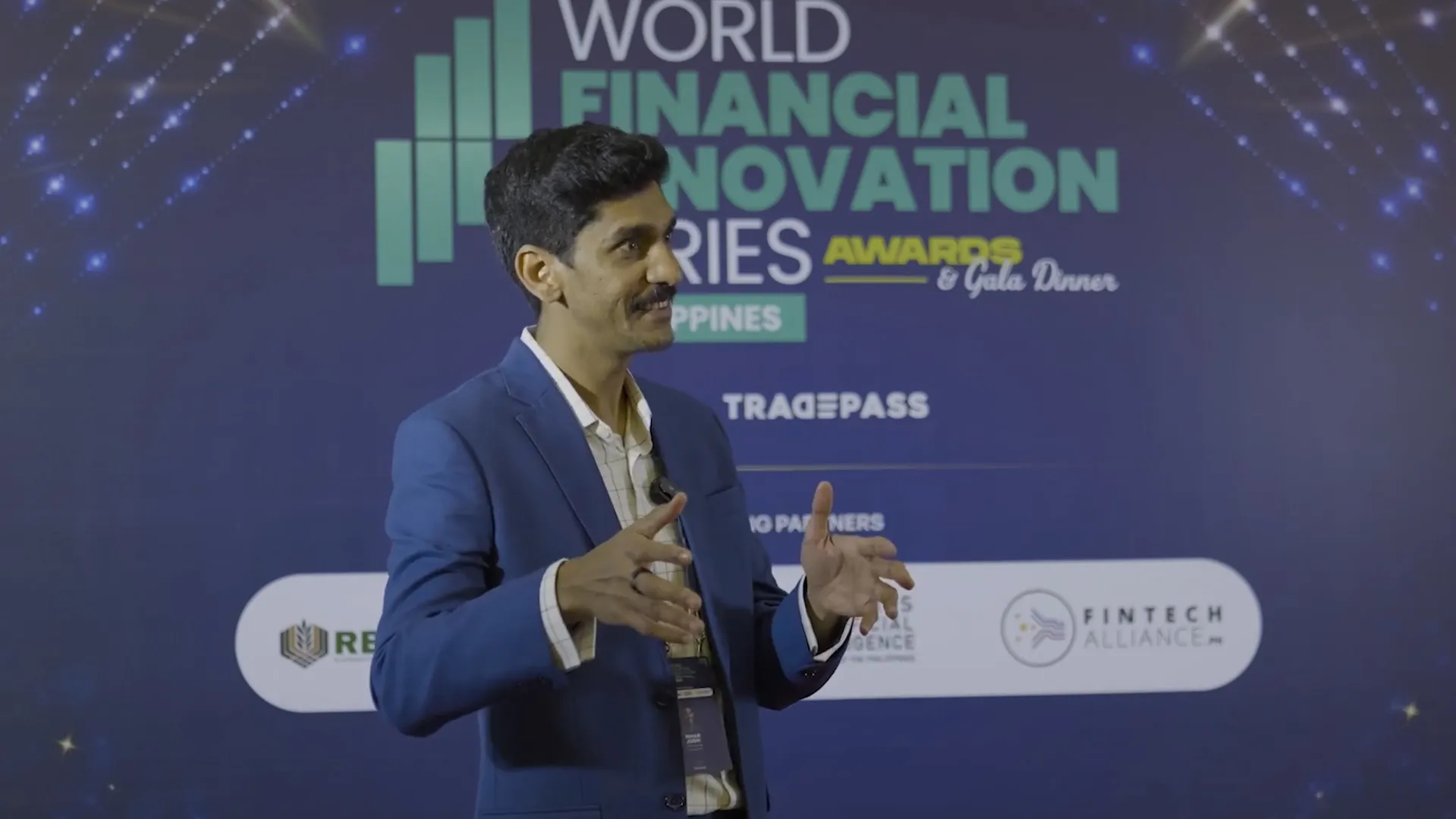
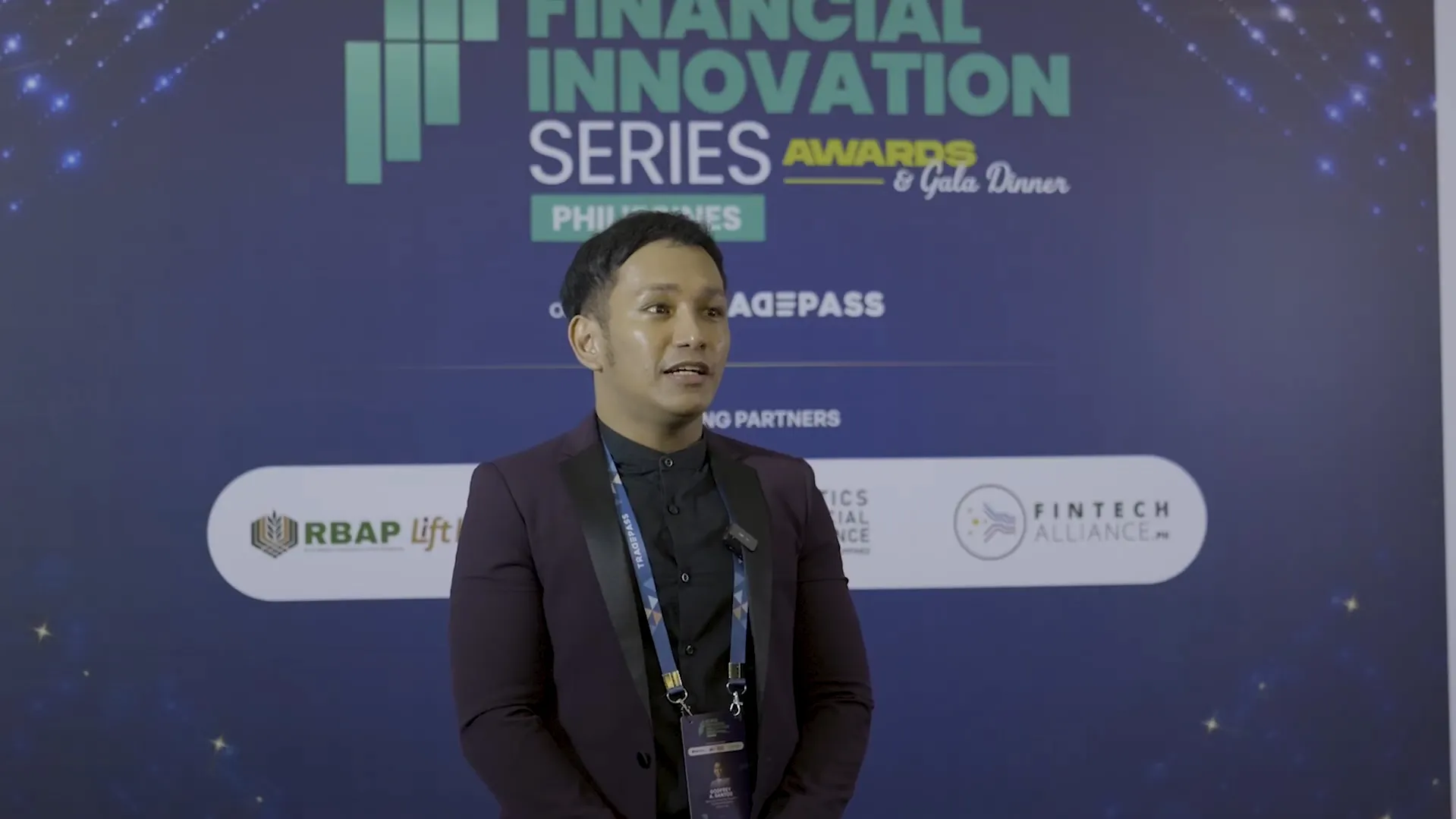
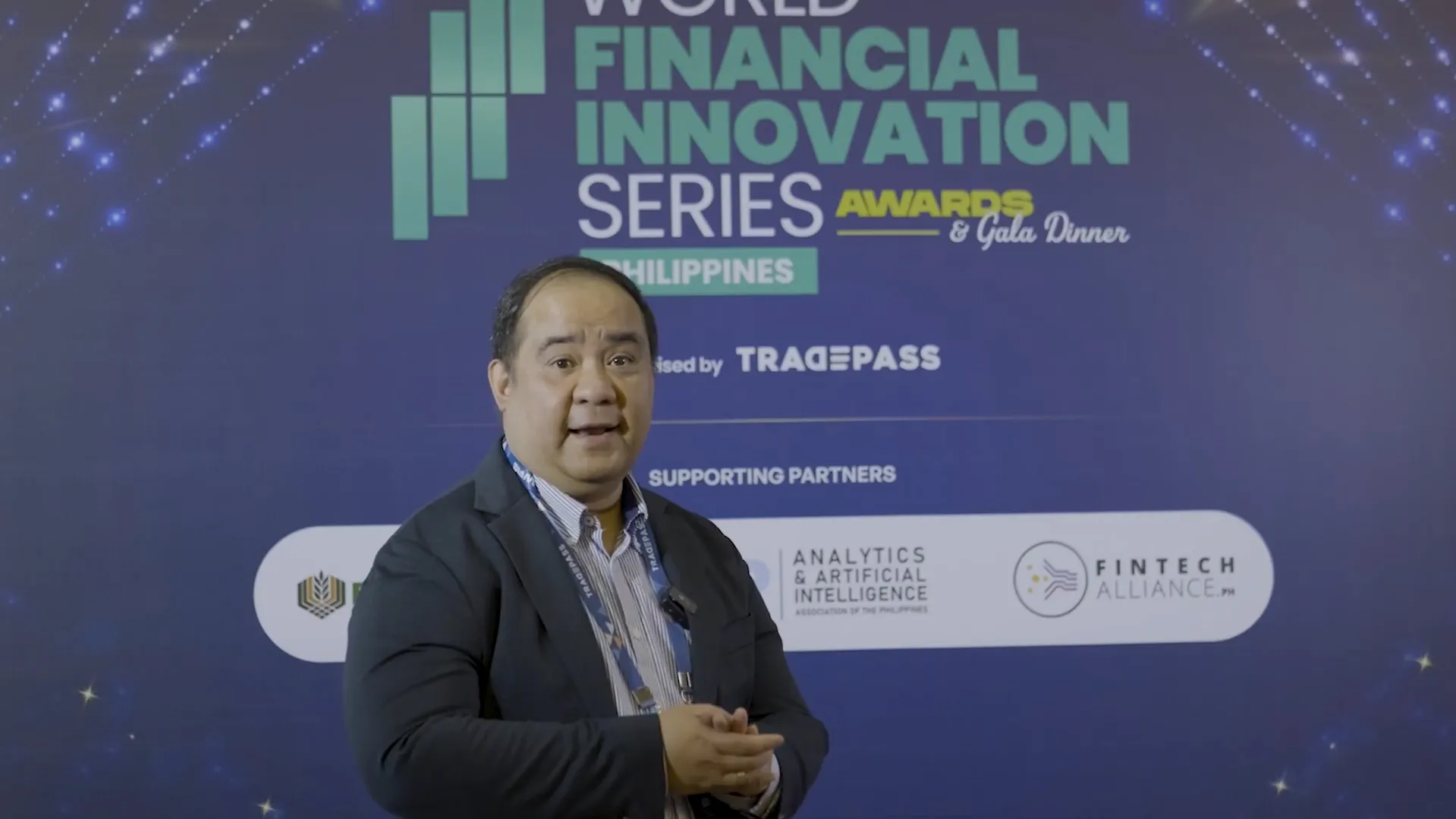
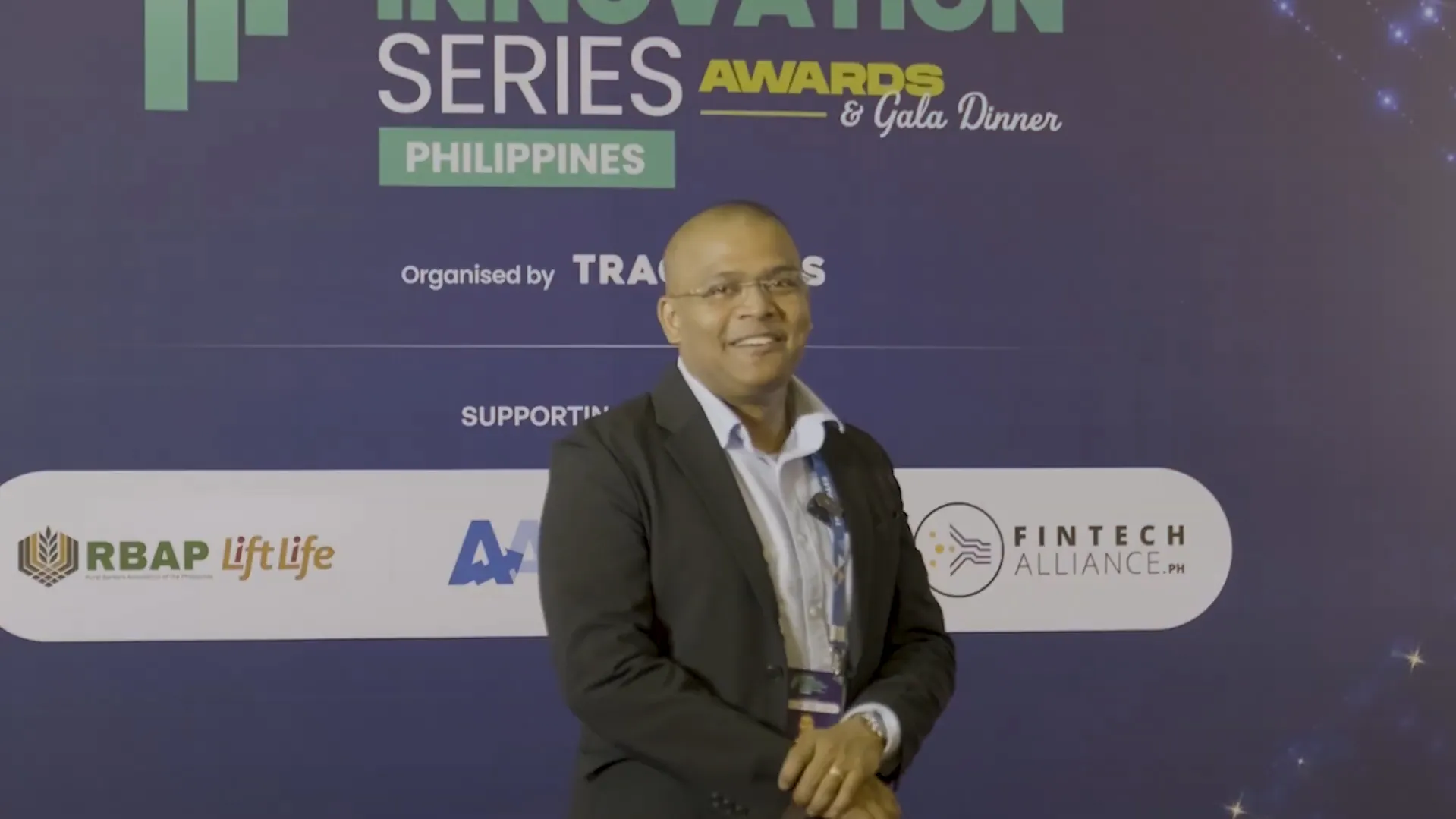
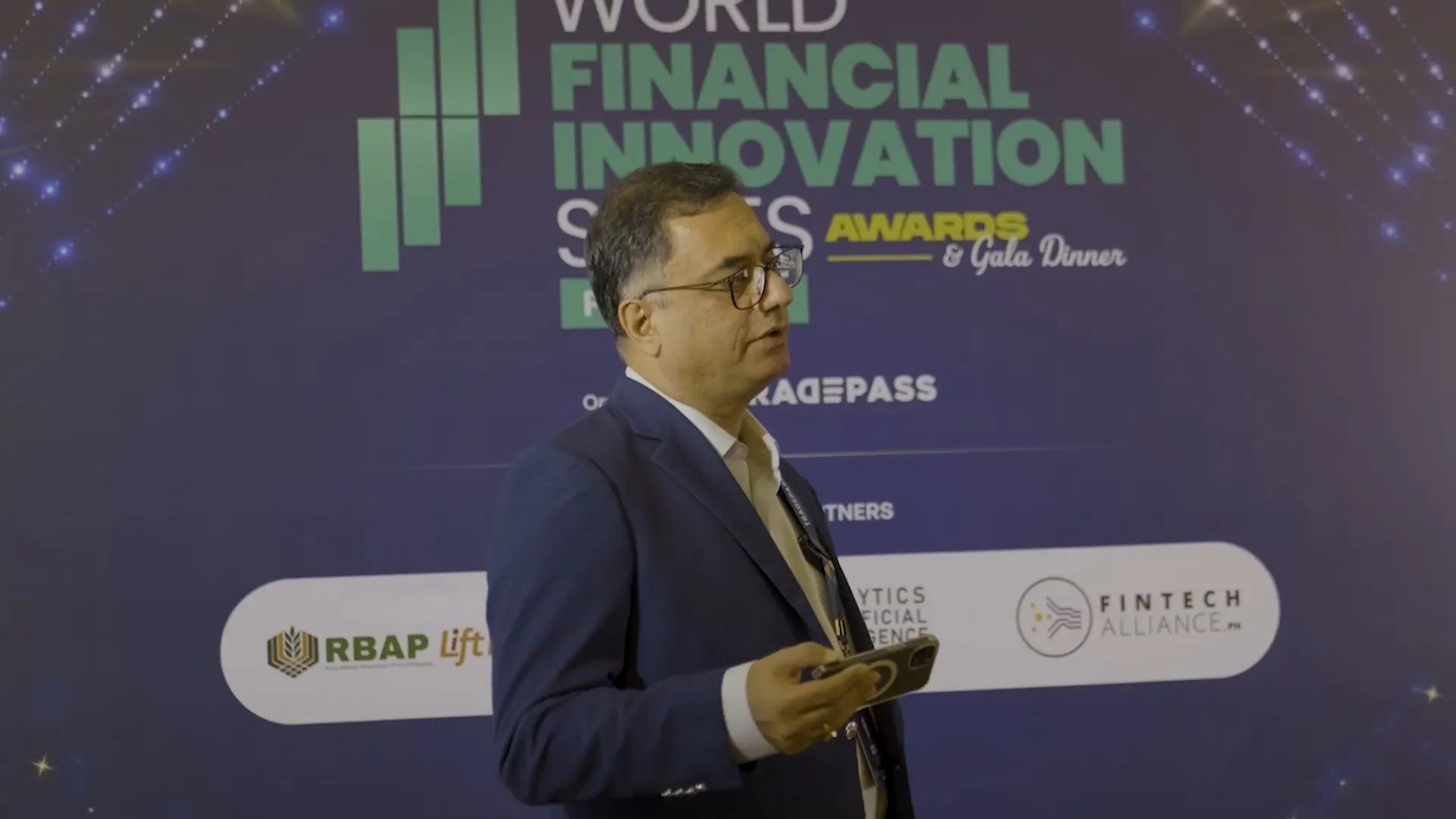
World Finance Innovation Series (WFIS) – Philippines 2025
We bring private vision and public policy into one space. The World Finance Innovation Series – Philippines unites fintech leaders, regulators, and expert voices.
We host an annual fintech festival-style event with panels, tools, and outcomes. We shine the light on public-private partnerships, push philippines insurtech innovations, and surface ideas that work.
In 2025, we are set to gather over 600 senior leaders from banks, fintech firms, regulators, and tech teams.
We show real data:
By early 2025, digital finance funding reached USD 337 million.
There were over 257 million e-money accounts by 2022.
Maya hit ₱39 billion in deposits and ₱68 billion in loans.
Mynt reached USD 5 billion valuation and served 94 million users.
We tap our deep expertise in regulation, policy design, secure infrastructure, inclusion, and data strategy. We align with BSP rules, the PPP Code of 2023, and national innovation goals.
We host fintech event sessions that:
Explore mobile pay pilots
Test insurtech platforms
Build regulation-ready tools
Highlight how public-private partnerships boost inclusion
Our work meets public standards. We follow government rules. We link policy to practice. We help build trust and access through fintech.
Conclusion
Public-private partnerships power the rise of fintech in the Philippines. They link policy, startups, and inclusion. They build safe space, structure, and reach. With real examples like over USD 300 million in funding and hundreds of millions of accounts, the results are clear.Events like fintech festival or fintech event push innovation. And our World Finance Innovation Series – Philippines brings all parts together. It lights the path for public-private partnerships and Philippine fintech to make a difference.