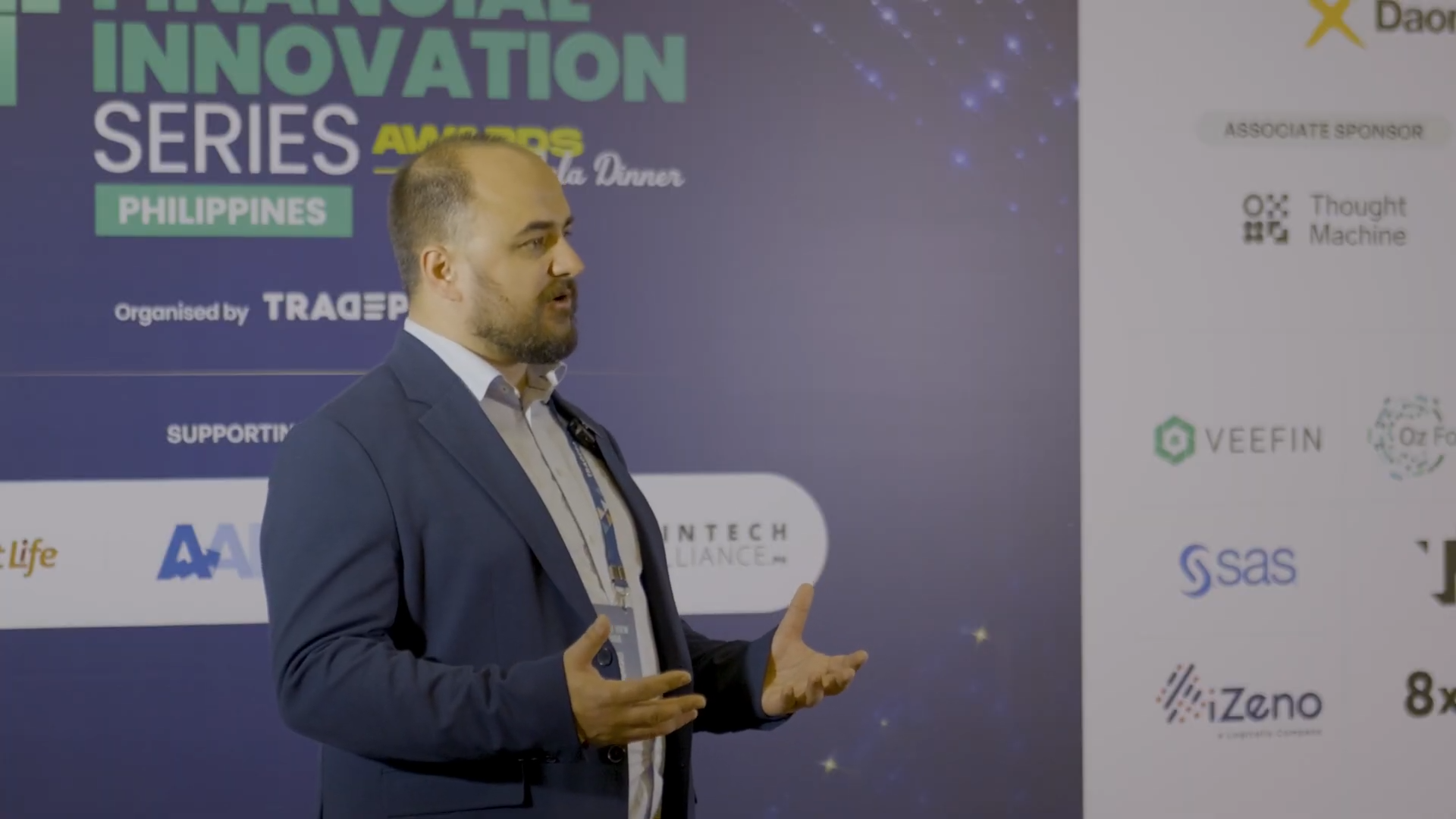

Nikolai Shiriaev
BDD (SEA) Vision Labs
Pressure on financial systems grows as more people rely on mobile tools, small-credit apps, real-time transfers, and digital wallets. These shifts show how financial inclusion policies shape access and trust. These policies guide how people join formal systems, how firms build simple tools, and how the wider fintech Philippines sector rises to meet new needs.
Financial inclusion policies give people access to safe, low-cost services. These policies reduce entry barriers and help users who lack documents or branch access.
Low-tier accounts allow simple onboarding with basic ID checks. This supports people who struggle with full KYC. It also improves user confidence because the process stays clear and fair.
National ID integration helps speed up verification. Users who once needed long visits can now open accounts with fewer steps. This supports growth in rural and semi-urban areas.
Agent banking rules extend reach. Shops and micro-stores now provide cash-in, cash-out, and bill payment support. This gives communities stable access even without full banks nearby.
Open finance policies help people share their data safely. Borrowers can show their payment history to lenders. Small traders, delivery riders, and home-based workers gain new credit paths based on real activity.
Policies open the door for faster and safer product design. Firms can build new payment systems, loan tools, and savings services with confidence.
E-wallets use simple onboarding rules to help first-time users. They support bill payments, quick transfers, and spending records that help users manage daily life.
Digital banks gain momentum through cloud-approved operations and secure onboarding. They offer low fees, fast support, and full app-based access. Many users prefer these tools due to convenience.
New credit models use transaction data, income flow, and spending patterns to score users. This helps people without credit history gain access to small loans.
Clear rules for remittances support workers who send money home. Digital channels offer lower fees and fast delivery. Shared rails also help families receive money in seconds.
These changes strengthen growth across fintech Philippines and help ensure safety through fraud checks, data rules, and fair pricing frameworks.
The next wave of digital tools will depend on smart digital finance policy and open systems.
Open finance will let more platforms share data in a safe way. Users will find better loans, savings tools, and micro-insurance inside apps they already use.
AI-driven scoring will help lenders judge risk with more accuracy. Cash flow patterns and digital footprints will support fair lending for more people.
Embedded finance will bring payments and credit into daily apps. Farmers will access crop insurance inside supply platforms. Students will pay fees with flexible plans built into school apps.
Real-time payment tools will support wages, bills, and transfers without delays. This helps reduce cash use and supports stronger adoption.
Digital banks will guide users toward simple investment tools and micro-savings. Young users will try small investment plans built into mobile apps. Insurance platforms will offer event-based cover that fits daily needs.
These changes set up a strong future for fintech Philippines as long as policies remain clear, safe, and supportive of growth.
Policy and tech need shared spaces to work well together. Banks, regulators, and fintech providers must review challenges, test ideas, and plan for new risks. Shared discussions help refine digital finance policy and improve ideas before they reach the market.
These discussions help teams prepare for cloud use, AI adoption, data rules, and new fraud threats. They help firms understand real user needs and build solutions that work at scale.
Industry events play a direct role in shaping these ideas and providing spaces where decisions gain clarity.
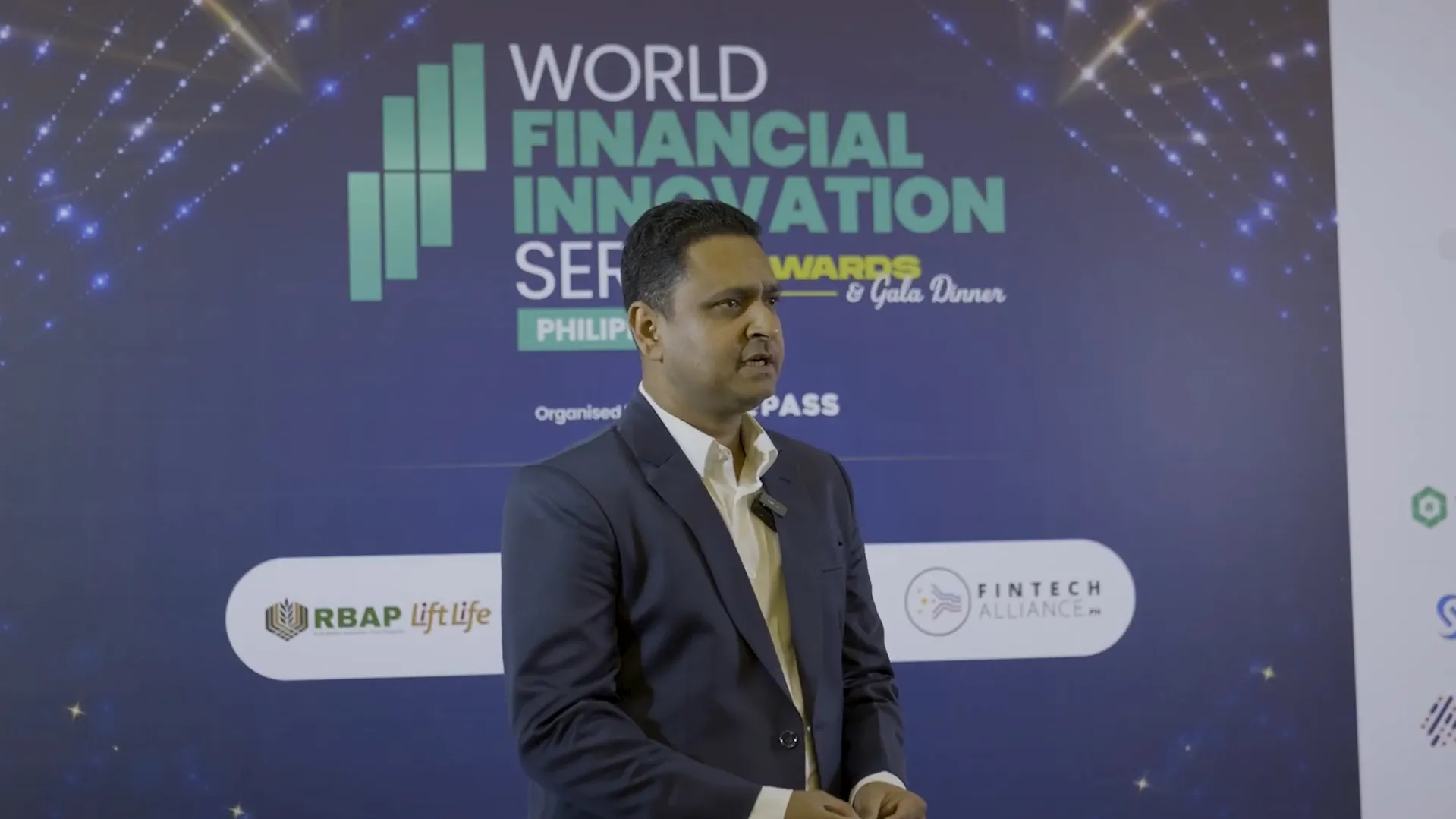
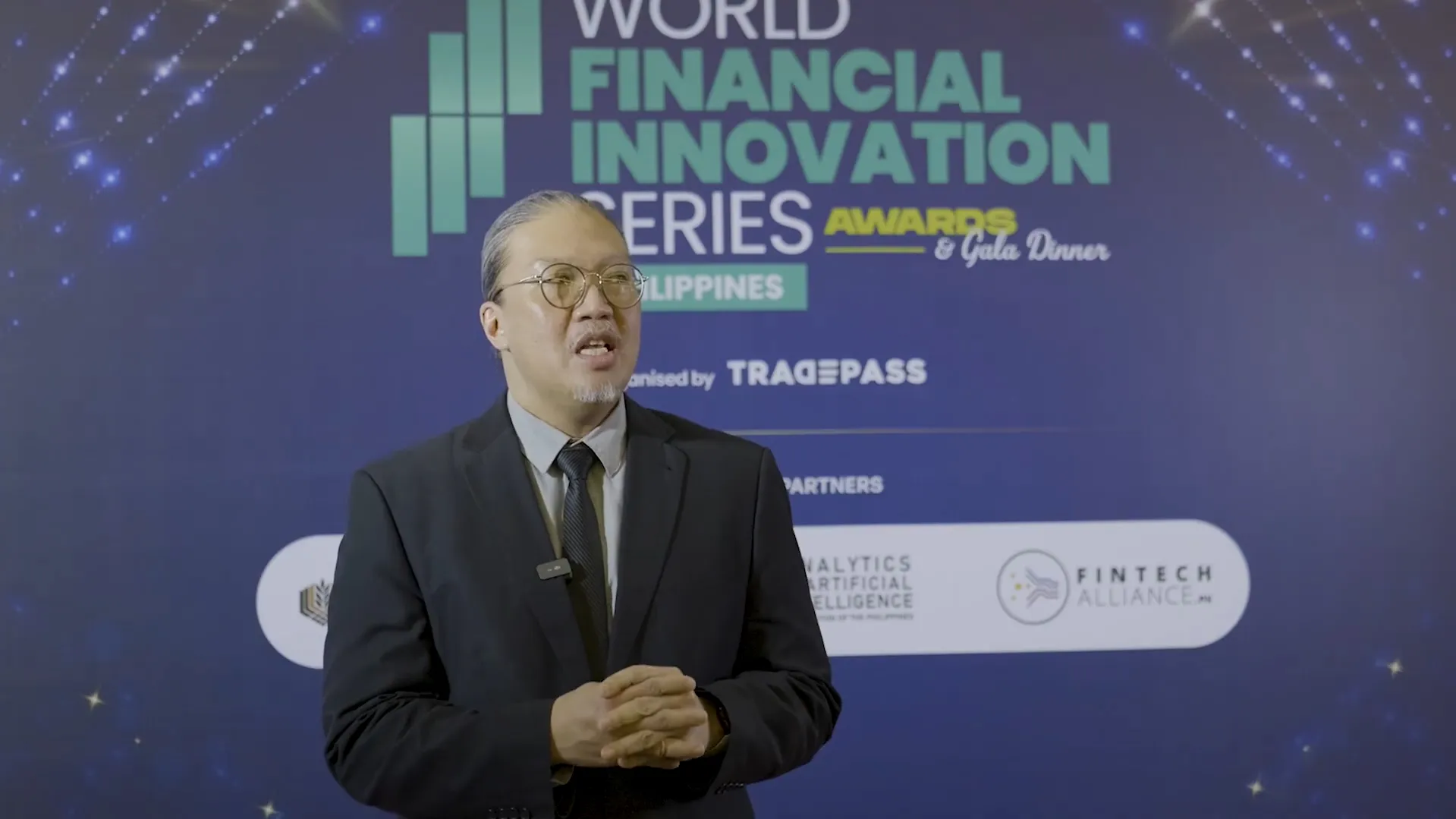
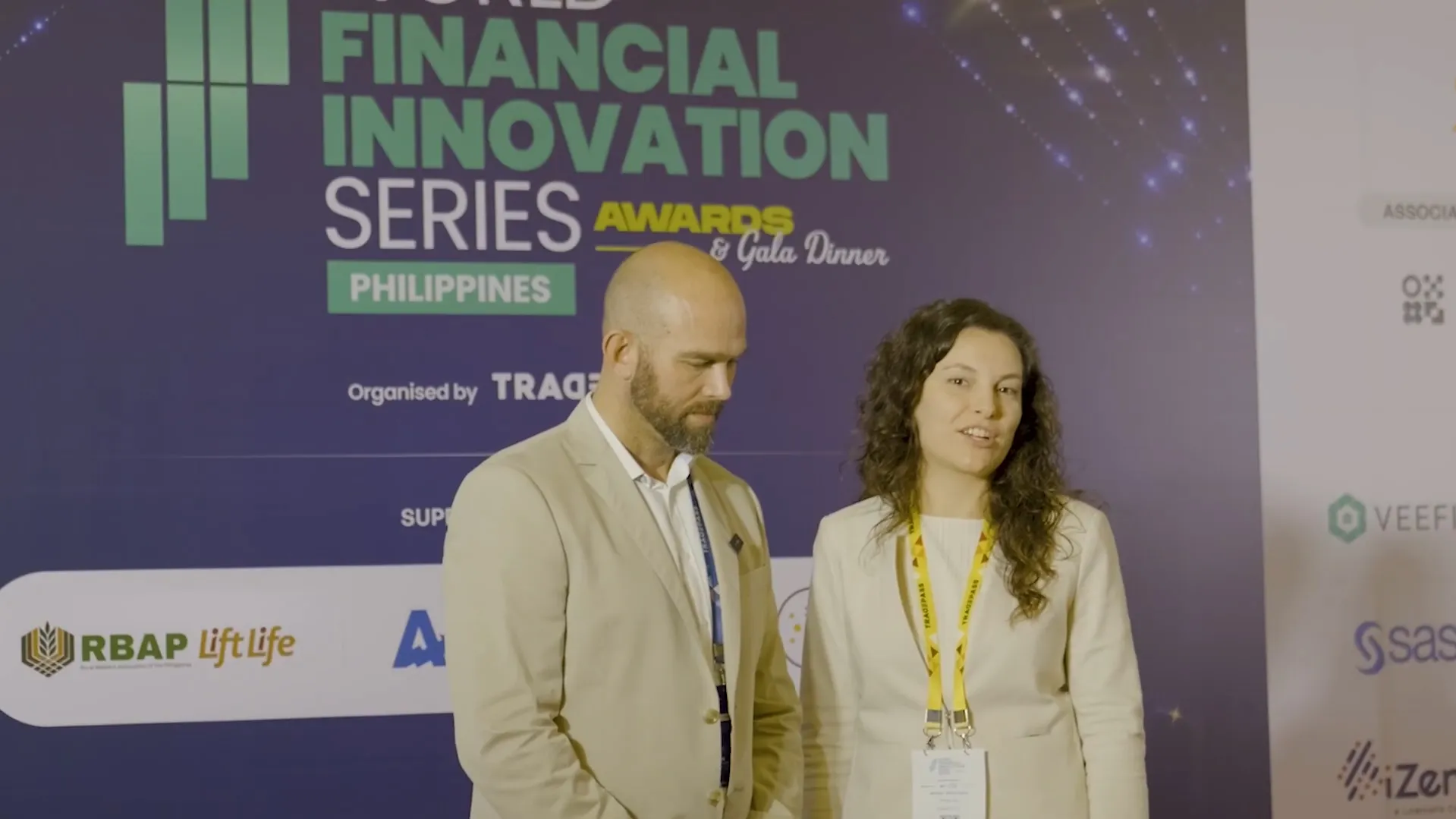
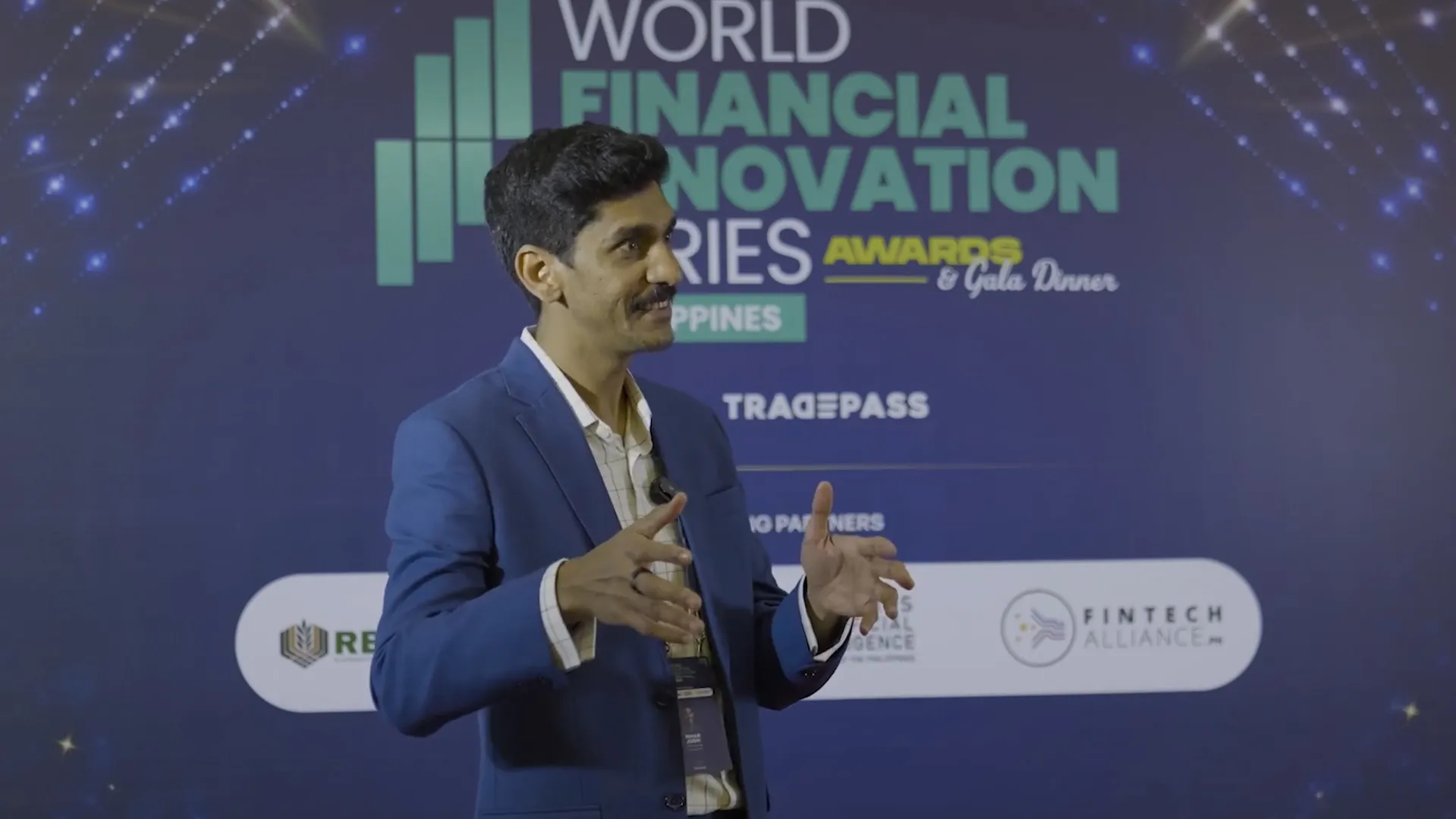
We support the country’s financial sector with a strong platform built for collaboration, policy insight, and digital growth. Our WFIS conference brings the entire ecosystem together to plan the next steps in finance and technology.
We host over 600 leaders from banks, insurance firms, and micro-finance groups at every edition. Our audience reflects real decision-makers who shape the country’s financial direction.
Majority our attendees influence or decide major purchases. Delegates join with defined timelines for adoption, making each interaction relevant and actionable.
We offer focused networking zones, exhibitor lounges, and arranged meetings with pre-qualified buyers. Our format ensures sponsors and solution providers meet the right prospects at the right moment.
We align our program with national digital finance goals. We feature senior leaders from BSP, SEC, AMLC, Bureau of Treasury, and major banks. Our topics cover cybersecurity, digital banking, AI, cloud systems, regtech, payments, and financial inclusion.
We host the WFIS Philippines Awards to honor leaders in digital banking, analytics, innovation, security and the leading financial categories.
Our WFIS conference offers real insight, strong engagement, and direct access to people who shape the future of finance.
Register today for our WFIS conference in the Philippines. We bring top leaders from banks, fintech firms, and public institutions under one roof. Join us to explore new ideas, gain insight, and build strong partnerships. Our platform helps you meet the right people and plan your next move with confidence.