Financial inclusion in the Philippines is entering a decisive new phase, one shaped by how seamlessly individuals and businesses can participate in the digital economy. The convergence of real-time payments, interoperable platforms, and mobile-first banking models is redefining how financial services are designed, delivered, and secured.
As digital transformation in the Philippines accelerates, the BFSI sector is moving from basic inclusion metrics towards deeper engagement, daily usage, and sustainable trust. This evolution, however, brings equal focus on cybersecurity in financial services, ensuring that scale, speed, and inclusion grow without compromising resilience.
Policy-Led Momentum & Market Readiness
The Philippines’ push towards Financial Inclusion 2.0 is largely policy-driven. Regulatory bodies have actively promoted digital payments, open finance, and interoperability to reduce cash dependency and bring underserved populations into the formal system. This coordinated approach has aligned banks, fintechs, and payment providers under a common digital roadmap.
At the same time, the market seems aptly ready. Smartphone penetration, improving connectivity, and a young, digitally fluent population have created ideal conditions for rapid adoption. MSMEs, gig workers, and rural consumers are increasingly comfortable with mobile wallets and app-based banking. For traditional institutions, this momentum presents both an opportunity and a responsibility, especially in strengthening frameworks for cyber in banking as transaction volumes and digital touchpoints multiply.
UPI-Style Expansion and Interoperable Payments
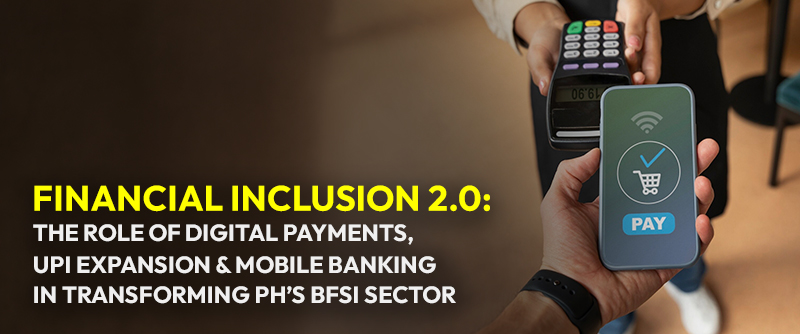
One of the most transformative ideas influencing the Philippines’ payments landscape is the concept of UPI-style, account-to-account interoperability. By enabling instant, low-cost transfers across banks and wallets, interoperable payment systems reduce friction and unlock everyday use cases, from merchant payments to peer-to-peer transfers and government disbursements.
Such systems democratize access by removing reliance on cards or cash infrastructure, especially in semi-urban and rural areas. For consumers, this means faster settlements and greater convenience. For financial institutions, it demands robust backend integration, real-time monitoring, and heightened cybersecurity in financial services to protect high-frequency, high-value payment rails.
As interoperability expands, the focus is no longer on launching isolated products, but on participating in a shared ecosystem where trust, uptime, and security determine long-term relevance.
Mobile-First Banking as the Primary Touchpoint
In the Philippines, mobile banking is no longer a complementary channel, it is the primary interface between users and financial institutions. Digital-only banks, wallet-led ecosystems, and app-centric traditional banks are redefining customer journeys around smartphones.
Mobile-first models enable rapid onboarding, micro-savings, nano-credit, and contextual financial services tailored to user behavior. This shift supports digital transformation in the Philippines by lowering operational costs while expanding reach.
However, mobile-centric ecosystems also widen the attack surface. Secure authentication, fraud detection, and real-time alerts are now essential components of strategies for cyber in banking. Institutions that embed security seamlessly into mobile experiences are better positioned to scale adoption without eroding user confidence.
From Access to Usage: Building Trust & Habit
True financial inclusion is not measured by account ownership alone, but by consistent and meaningful usage. Many first-time users hesitate after onboarding due to fear of fraud, lack of understanding, or poor service experiences. Bridging this gap requires a deliberate focus on trust-building.
Transparent fee structures, intuitive interfaces, financial literacy nudges, and responsive support help convert access into habit. Visible commitment to cybersecurity in financial services, from instant fraud resolution to proactive customer communication during incidents.
When users trust that their money and data are protected, digital payments and mobile banking become part of daily life rather than occasional tools. This behavioral shift is what ultimately sustains Financial Inclusion 2.0.
Risk, Compliance & Scalable Security
As digital ecosystems scale, risk management becomes a strategic competitive advantage. Regulators expect financial institutions to balance innovation with compliance, resilience, and consumer protection. This is particularly critical as cross-platform payments, open APIs, and third-party integrations expand.
Modern BFSI players are investing in AI-driven fraud detection, zero-trust architectures, and continuous monitoring to address evolving threats. Strengthening cyber in banking is no longer just an IT mandate, it is a board-level priority tied to brand credibility and systemic stability.
Industry collaboration and knowledge exchange play a vital role. Platforms that bring together regulators, banks, fintechs, and security leaders help shape a collective defense approach, reinforcing cybersecurity in financial services across the ecosystem.
Why WFIS 2026 – Philippines Is a Must-Attend
The Philippines’ BFSI sector is at a critical inflection point – where decisions made by regulators, institutions, and innovators will determine how deeply and equitably this digital transformation takes hold. Engaging with this shift in real time requires being in the same room where it is being actively shaped.
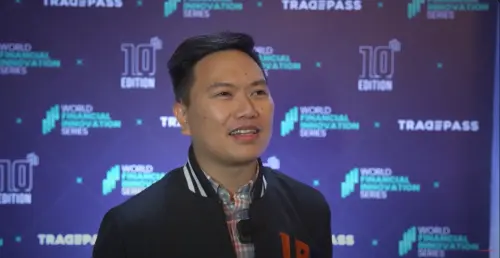
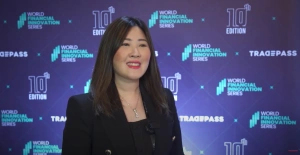
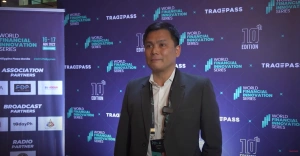
Built for exactly that, the World Financial Innovation Series (WFIS) stands as the Philippines’ leading fintech and digital banking event, bringing together industry pioneers and tech visionaries shaping the future of financial inclusion. Designed as an industry-aligned summit, the event focuses on digital payments, mobile banking, open finance, and cybersecurity in financial services within the Philippine context.
Event Details:
Date: 25 – 26 August, 2026
Venue: Manila Marriott, Philippines
The two-day summit brings together over 600 pre-qualified delegates drawn from the Philippines’ most influential financial institutions and public sector bodies. Collectively, they represent the full weight from across the industry’s most consequential domains –
Sectors represented: IT & Security, Fraud Risk & Compliance, Retail & Corporate Banking, Cards & Payments, Digital Transformation, AI & Data Analytics, Wealth & Treasury
Institutions in attendance: Top-tier banks, insurance companies, microfinance institutions, regulatory authorities, and government bodies
Audience profile: C-suite executives, SVPs, Chief Information Security Officers, Chief Transformation Officers, and senior decision-makers actively shaping enterprise-level strategy
This premier cybersecurity finance conference and fintech forum creates a collaborative space to align innovation with regulation, resilience, and inclusive growth.