2026 Edition Has Been Concluded Successfully! See You All In 2027!2026 Edition Has Been Concluded Successfully! See You All In 2027!2026 Edition Has Been Concluded Successfully! See You All In 2027!2026 Edition Has Been Concluded Successfully! See You All In 2027!
The Philippine banking sector is standing at a pivotal crossroads. As customer expectations rise and digital-first behaviours become the norm, traditional banking models are being challenged like never before. Financial institutions are no longer competing only on products or pricing, they’re competing on intelligence, speed, and trust.
At the centre of this transformation lies data analytics finance, artificial intelligence, and real-time risk management capabilities that enable banks to move from reactive decision-making to proactive, insight-driven strategies.
In a region known for rapid digital adoption, the Philippines is emerging as a testing ground for next-generation banking models. Local institutions are learning not just from global trends, but also from collaboration with Southeast Asia banking leaders, regulators, and technology innovators. The future of smart banking is not about replacing humans with machines; it’s about augmenting human judgment with smarter systems that can sense risk, personalize services, and adapt in real time.
From Static Controls to Real-Time Intelligence
For decades, risk management in banks relied heavily on static rules, historical data, and periodic reviews. While these methods once worked, they struggle to keep pace with today’s fast-moving digital transactions. Real-time payments, instant lending decisions, and 24/7 digital channels demand a new approach, one built on continuous intelligence rather than delayed controls.
This is where advanced data analytics finance models come into play. By analyzing transactional behavior as it happens, banks can detect anomalies, predict emerging risks, and intervene before issues escalate. Instead of waiting for end-of-day or end-of-month reports, decision-makers gain live dashboards that reflect the current health of their portfolios.
Real-time intelligence also reshapes compliance and governance. Automated monitoring reduces manual workload while improving accuracy, allowing compliance teams to focus on strategic oversight rather than firefighting. As more institutions adopt AI-driven systems, static controls are giving way to adaptive frameworks that learn, evolve, and respond instantly.
Core Banking Systems Under Pressure
At the heart of every bank lies its core banking system, yet many of these platforms were designed decades ago for a very different world. Today, they face immense pressure to support real-time data processing, open APIs, and seamless integration with fintech ecosystems. Without modernization, banks risk becoming slow, fragmented, and vulnerable.
Core banking innovations are now strategic imperatives. Modern core platforms enable banks to centralize data, streamline operations, and launch new digital products faster. More importantly, they serve as the foundation for AI and analytics-driven capabilities that power smarter decision-making.
In the Philippines, banks are increasingly adopting modular architectures and cloud-native cores that scale with demand. These core banking innovations allow institutions to respond quickly to regulatory changes, customer needs, and market disruptions. Modern cores don’t just process transactions, they act as intelligence hubs that connect data, analytics, and customer experience into one cohesive system.
AI-Driven Risk Management Beyond Fraud Detection
When many people think of AI in banking, fraud detection is often the first use case that comes to mind. While this remains critical, the real value of AI extends far beyond identifying suspicious transactions. Today’s AI-driven risk management systems assess credit-worthiness, liquidity risk, operational vulnerabilities, and even reputational threats in real time.
By combining machine learning with data analytics finance, banks can evaluate thousands of variables simultaneously, uncovering patterns that humans alone would miss. For example, AI can predict early signs of loan default by analyzing behavioral data, transaction frequency, and external economic indicators. This allows banks to intervene early, benefiting both the institution and the customer.
AI also supports scenario modeling and stress testing, helping banks prepare for economic shocks or market volatility. As regulatory expectations increase, AI-powered insights provide transparency and explainability, ensuring that automated decisions remain accountable. In this way, AI becomes a strategic enabler of sustainable growth.
Why Regional Collaboration Shapes Better Outcomes
No bank operates in isolation, especially in a region as interconnected as Southeast Asia. Shared challenges, cybersecurity threats, regulatory complexity, and financial inclusion goals, require collective solutions. Collaboration among southeast Asia banking leaders has become a powerful catalyst for innovation and resilience.
By sharing best practices, lessons learned, and even failure stories, banks accelerate their learning curves. Regional forums and cross-border initiatives help institutions understand how peers are implementing AI, modernizing cores, and managing risk in real time. This collaborative mindset reduces duplication of effort and encourages smarter investment in technology.
For the Philippines, engaging with southeast Asia banking leaders also ensures alignment with regional standards and global benchmarks. It fosters innovation that is locally relevant yet globally competitive. In an era of rapid change, collaboration isn’t just beneficial, it’s essential for long-term success.
Live Platforms as Testing Grounds for Banking Technology
Innovation cannot thrive in theory alone; it needs real-world testing environments. Live platforms, pilot programs, and industry sandboxes have become critical spaces where banks can experiment safely with new technologies. These environments allow institutions to validate AI models, test core banking innovations, and refine risk frameworks before full-scale deployment.
A major banking technology event plays a key role in this process. Such events bring together banks, fintechs, regulators, and solution providers to showcase live demos, proof-of-concepts, and real case studies. Seeing technology in action builds confidence and shortens adoption cycles.
For Philippine banks, participating in live platforms reduces uncertainty and implementation risk. It also encourages a culture of continuous improvement, where innovation is not a one-time project, but an ongoing journey shaped by feedback, data, and collaboration.
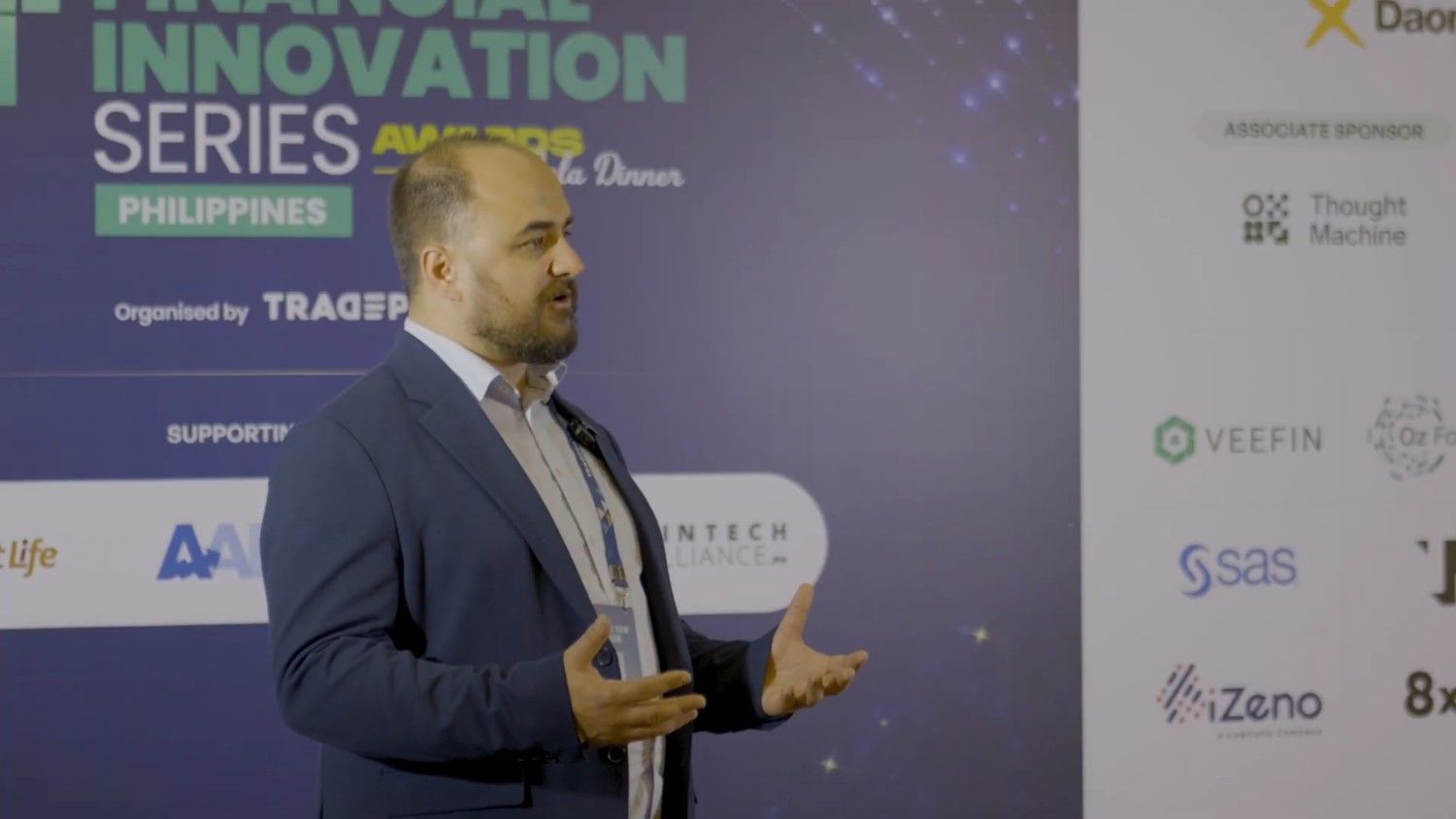
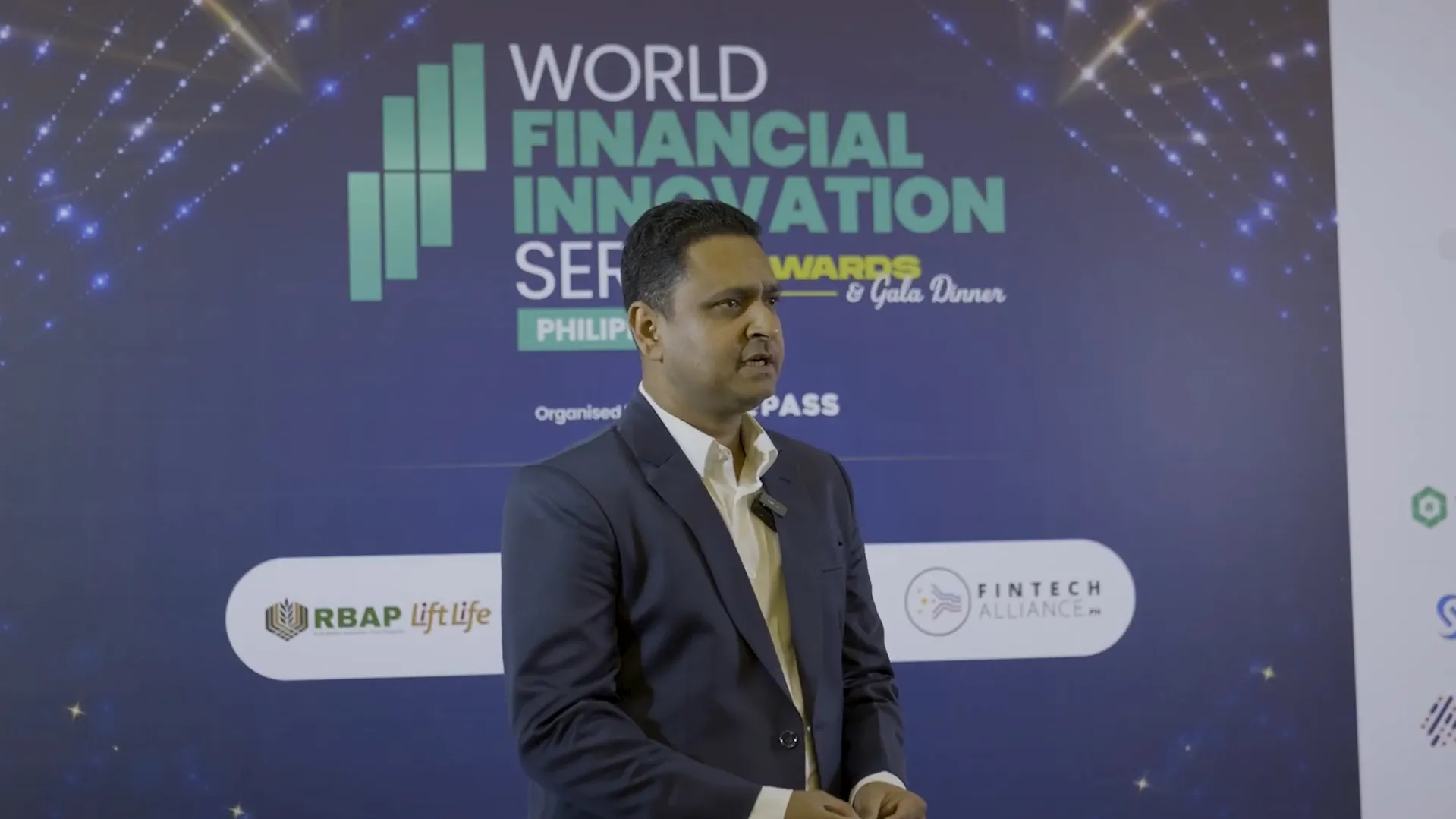
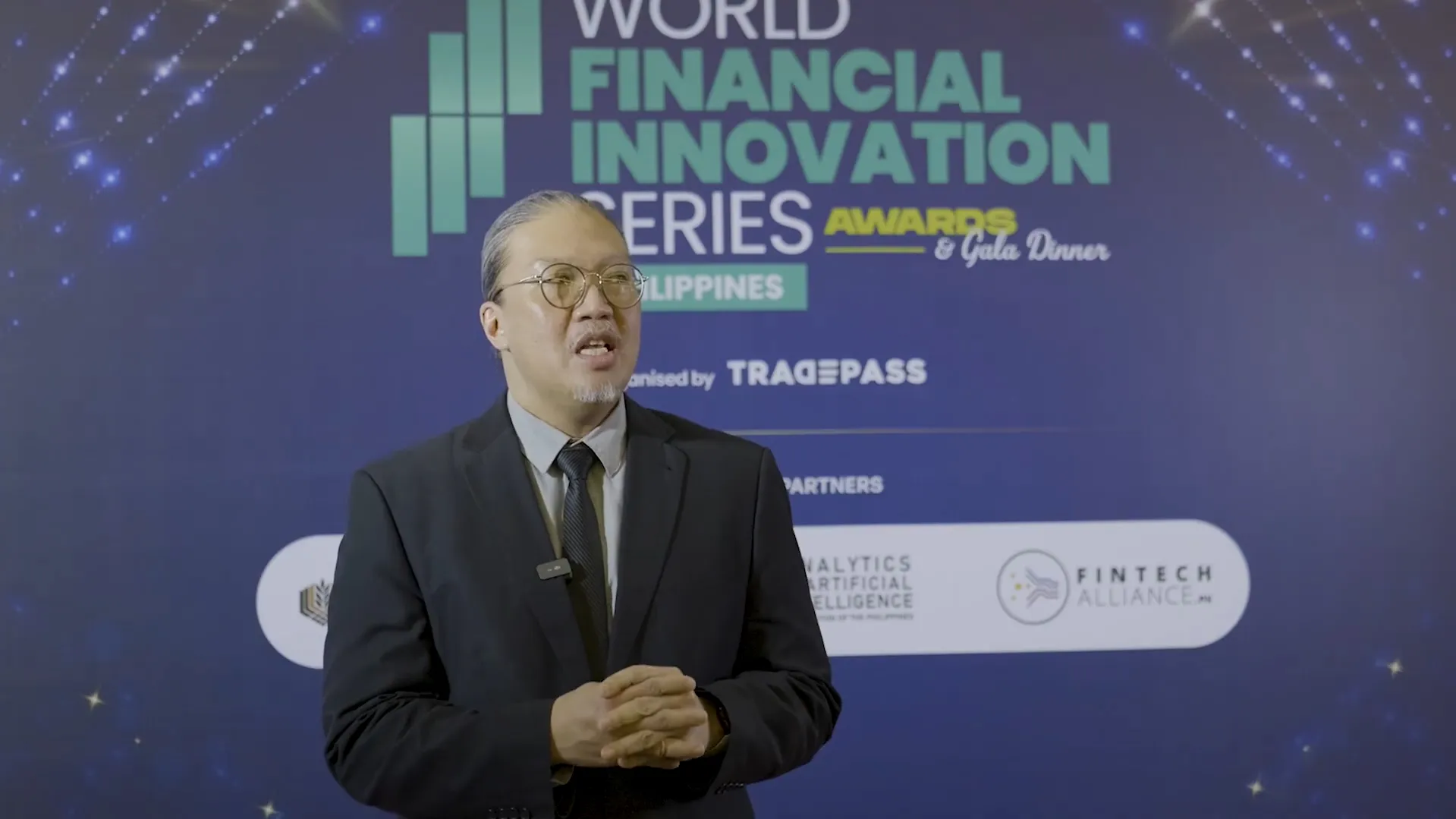
The World Financial Innovation Series (WFIS) is where that process plays out at scale. Now in its fifth edition, WFIS is a premier banking technology event designed to bridge strategic vision with real-world execution. It serves as a collaborative platform where financial institutions, fintech innovators, policymakers, and technology leaders come together to shape the future of banking.
Whether you are driving digital strategy, evaluating new solutions, or navigating regulatory change, WFIS is designed to deliver the connections, insights, and perspectives that drive real progress.
Why Attend WFIS:
Engage directly with senior banking, fintech, and regulatory leaders driving policy and strategy at the national level
Explore real-world use cases and live demonstrations across AI, risk management, fraud detection, and advanced analytics
Discover the latest core banking innovation, digital payments, open finance, and full-suite mobile banking
Network with regulators, government authorities, and industry experts in a curated, high-trust environment
The future of smart banking is being actively shaped right now, and this is your opportunity to be part of the conversation. Join decision-makers, innovators, and Southeast Asia banking leaders at WFIS 2026 – Philippines to explore how AI, analytics, and real-time risk management are transforming financial services.
Event Details:
Date: 25 – 26 August, 2026
Venue: Manila Marriott, Philippines
Register today and gain insights that will help your organization stay competitive, compliant, and customer-centric in a rapidly evolving digital landscape!