Financial institutions across the Philippines are under mounting pressure to secure customer data, protect transactions, and maintain confidence in an increasingly connected economy. As digital payments grow and banking services expand beyond traditional channels, trust has become a measurable asset rather than an abstract idea. Institutions that fail to safeguard systems risk not only financial losses but long-term reputational damage. This shift is driving banks, fintech firms, and regulators to prioritize digital trust banking frameworks that combine strong cybersecurity practices with intelligent automation, ensuring security remains aligned with business growth and customer expectations.
The Rising Cost of Cyber Risk in Financial Services
Cyber threats targeting financial institutions have grown in scale and sophistication. From phishing campaigns to ransomware attacks, banks are facing direct financial losses as well as indirect costs tied to compliance penalties and customer churn. According to global estimates, cybercrime damages are projected to reach trillions of dollars annually, with financial services remaining one of the most targeted sectors.
In the Philippines, increased adoption of mobile wallets and online banking has widened the attack surface. Fraud incidents involving account takeovers and payment manipulation are becoming more frequent, pushing institutions to reassess their security architecture.
Beyond immediate losses, the long-term cost of eroded customer confidence is harder to quantify. Trust, once lost, requires sustained investment to rebuild. This is why institutions are aligning cybersecurity investments with broader business strategies, ensuring protection measures are not reactive but embedded into operations.
AI in Banking Security: From Threat Detection to Fraud Prevention
Artificial intelligence is transforming how financial institutions approach risk. Traditional rule-based systems are no longer sufficient to detect complex fraud patterns. Instead, AI in banking security is enabling real-time monitoring, anomaly detection, and predictive threat analysis.
Machine learning models can analyze vast datasets to identify unusual behavior, such as irregular transaction patterns or login attempts from unfamiliar locations. This allows banks to intervene before fraud is completed rather than reacting after the damage is done.
AI is also improving identity verification through biometric authentication, behavioral analytics, and risk scoring. These systems reduce false positives while maintaining strong protection, balancing security with customer convenience.
However, reliance on AI introduces new challenges. Bias in algorithms, model drift, and explainability concerns require careful governance. Financial institutions must ensure that AI systems are transparent, auditable, and aligned with regulatory expectations.
Regulation, Governance, and Accountability in the Philippines
Regulatory bodies in the Philippines, particularly the Bangko Sentral ng Pilipinas (BSP), have taken active steps to strengthen cybersecurity frameworks. Guidelines on IT risk management, data privacy, and incident reporting are shaping how banks design and implement their security strategies.
Institutions are now expected to adopt a risk-based approach, where cybersecurity is integrated into enterprise governance rather than treated as a standalone function. Board-level oversight has become essential, with executives held accountable for ensuring that systems, policies, and controls are effective.
Data protection laws are also influencing how customer information is handled. Banks must strike a balance between data utilization for innovation and compliance with privacy regulations. This makes governance structures a critical component of digital trust banking, ensuring transparency and accountability at every level.
Investment Trends and Board-Level Priorities
Cybersecurity is no longer viewed as a cost center, it is a strategic investment. Financial institutions across Southeast Asia, including the Philippines, are increasing budgets for security infrastructure, talent acquisition, and advanced technologies.
Boardrooms are prioritizing areas such as:
Cloud security and secure migration strategies
Zero-trust architecture implementation
AI-driven fraud detection systems
Third-party risk management
At the same time, there is growing recognition that technology alone is not enough. Human expertise remains essential. Banks are investing in training programs and partnerships to build a skilled cybersecurity workforce capable of responding to emerging threats.
Sponsors and stakeholders attending a cybersecurity finance conference are increasingly focused on measurable outcomes, reduced fraud rates, improved incident response times, and enhanced customer confidence.
Strengthening Industry Collaboration Through Cybersecurity Finance Conferences
Collaboration across the financial ecosystem is becoming a key factor in strengthening security. Banks, fintech firms, regulators, and technology providers must work together to address shared challenges.
Events such as a cybersecurity finance conference provide a platform for knowledge exchange, enabling participants to discuss real-world threats, regulatory updates, and practical solutions. These forums encourage dialogue between public and private sectors, helping align priorities and accelerate implementation of best practices.
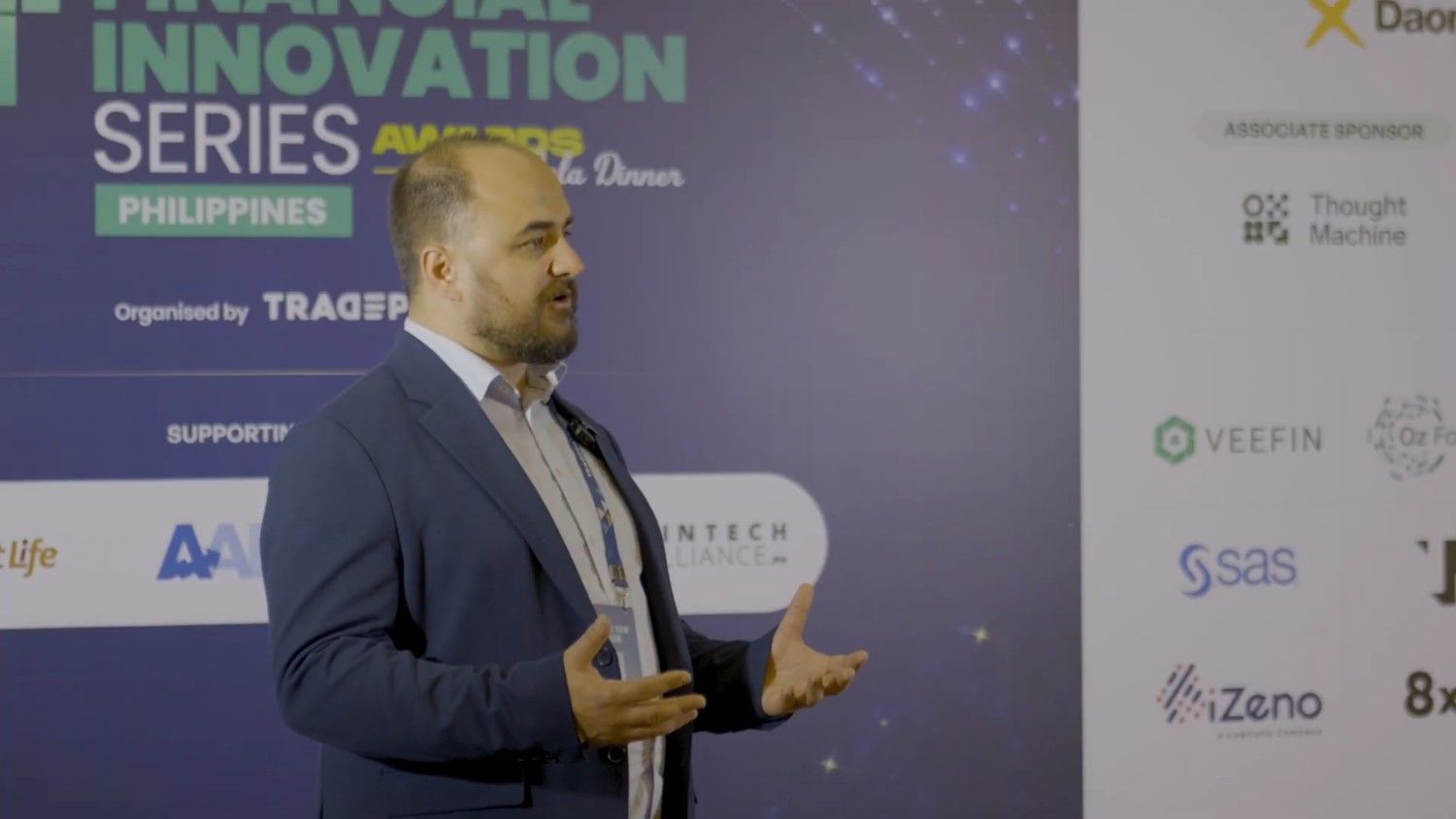
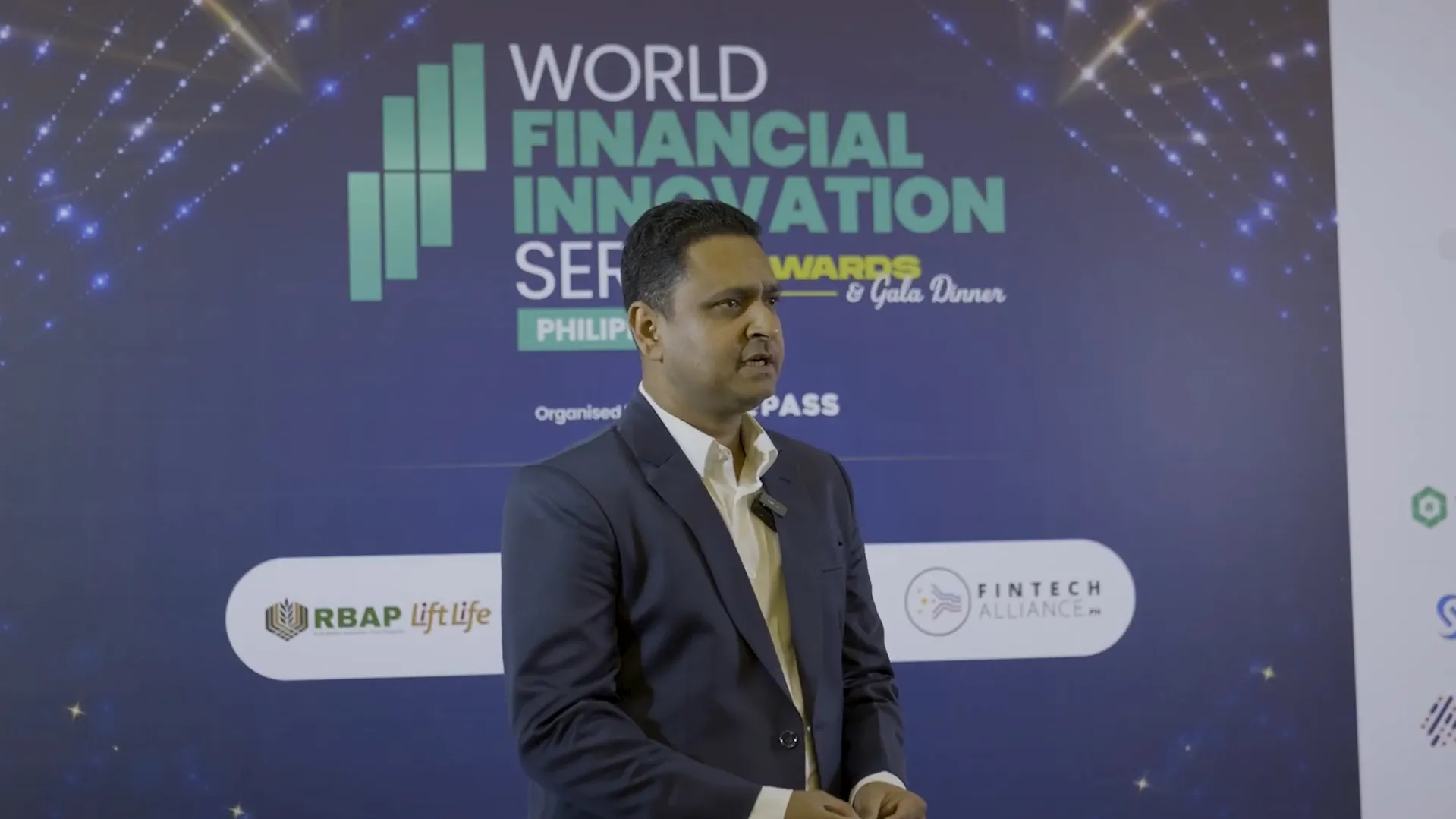
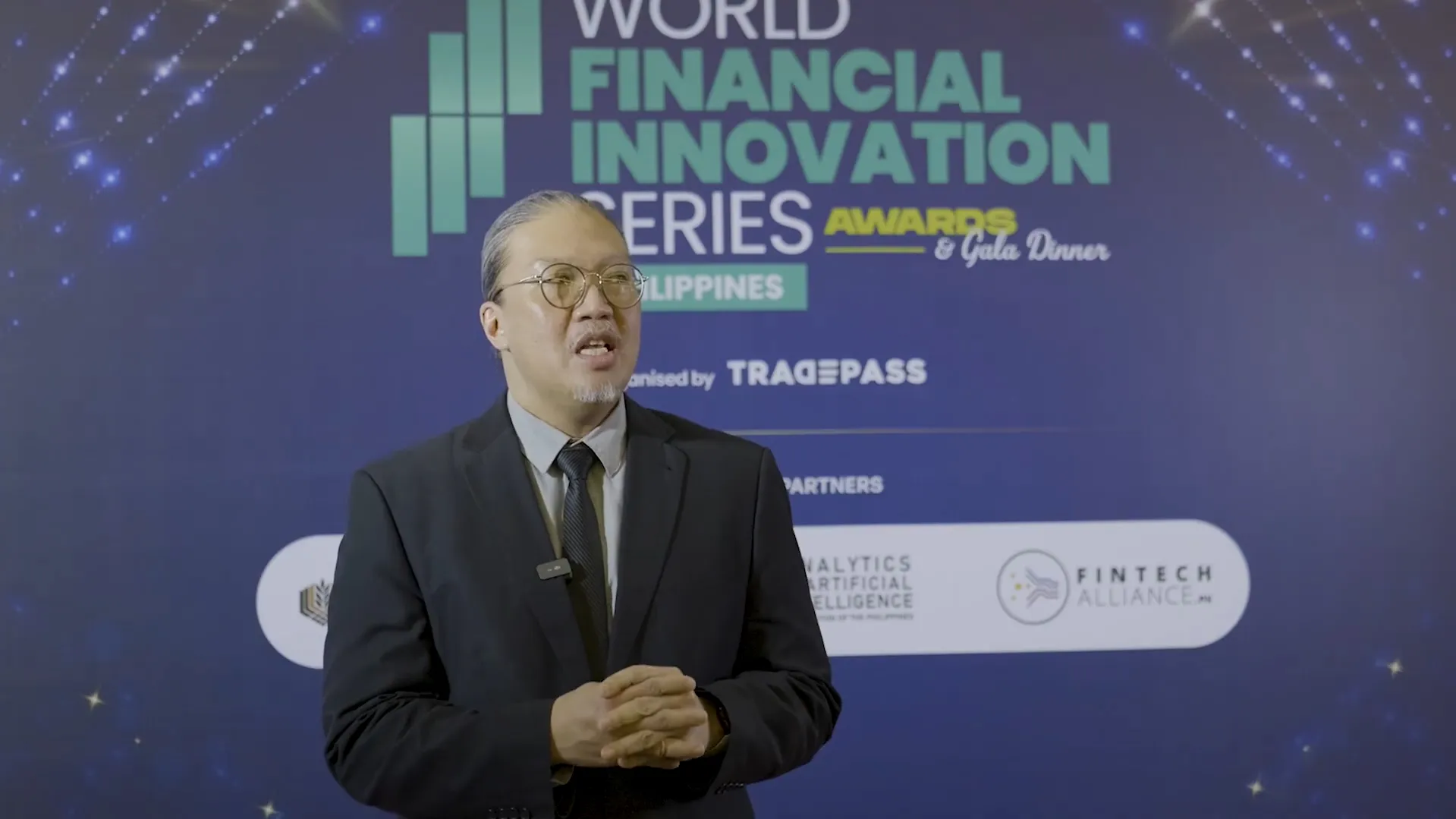
Industry gatherings also play a role in standardizing approaches to cybersecurity, reducing fragmentation across institutions. Insights shared by WFIS speakers often highlight case studies, emerging risks, and strategies that can be adapted across markets, making such platforms valuable for decision-makers.
Join WFIS Philippines 2026: Advancing the Conversation
The World Financial Innovation Series (WFIS) Philippines brings together industry leaders, policymakers, and technology experts to address critical challenges shaping financial security. Scheduled for 25–26 August 2026 at Manila Marriott, the event will feature insights from renowned thought leaders and discussions on trust, innovation, and inclusion.
Join industry experts, regulators, and innovators at the World Financial Innovation Series – Philippines to explore strategies that strengthen financial security. Gain direct insights, connect with decision-makers, and discover solutions shaping the future of banking trust.