Banking in the Philippines is moving beyond basic digitization towards intelligent, platform-driven models that combine data, automation, and connectivity. Financial institutions are under increasing pressure to deliver faster services, improve customer experience, and manage risks more effectively.
This shift is being supported by advanced technologies and integrated systems that enable real-time decision-making. As fintech technology continues to mature, banks are adopting intelligent financial platforms to stay competitive and meet evolving expectations. These platforms are not only improving operational efficiency but also redefining how financial services are created, delivered, and scaled across the industry.
The Shift Towards Intelligent Financial Platforms
Intelligent financial platforms represent the next stage of banking transformation. Unlike traditional systems, these platforms integrate data analytics, automation, and digital interfaces to support smarter and faster financial services.
At their core, these platforms enable:
Real-time processing of financial transactions
Data-driven insights for decision-making
Integration with third-party services and applications
Improved customer engagement through personalized offerings
The rise of fintech technology is accelerating this transition by introducing flexible and scalable solutions that replace rigid legacy systems. Banks are increasingly adopting platform-based models to respond to customer expectations for speed, transparency, and accessibility.
Customer-centric banking is also becoming a key focus, with platforms designed to deliver tailored financial products and services. By connecting banks, fintech providers, and external partners, these platforms are creating a more dynamic and interconnected financial ecosystem.
The evolution of core banking innovations is central to the development of intelligent financial platforms. Traditional core banking systems, often built on legacy infrastructure, are being replaced by modular and cloud-based architectures.
Key advancements include:
Cloud-based systems that improve scalability and reduce operational costs
API-driven frameworks enabling integration with fintech solutions
Microservices architecture supporting faster development and deployment
Real-time processing capabilities enhancing service delivery
These innovations allow banks to introduce new products more quickly and adapt to changing market conditions. They also reduce inefficiencies by automating routine processes and improving system performance.
For financial institutions in the Philippines, modernizing core banking infrastructure is a critical step towards achieving long-term growth and competitiveness.
Data Intelligence and AI in Financial Decision-Making
Data intelligence is at the heart of intelligent financial platforms. The use of artificial intelligence (AI) and machine learning is enabling banks to analyze large volumes of data and generate actionable insights.
Key applications include:
Risk assessment and fraud detection: Improving security posture and regulatory compliance
Predictive analytics: Improving the accuracy of credit scoring and lending decisions
Customer behaviour analysis: Enabling more relevant, personalized financial products
Automated compliance monitoring: Reducing manual workload and minimizing human error
These capabilities help financial institutions make more informed decisions while improving efficiency.
However, the increasing reliance on data also presents challenges. Managing data privacy, ensuring accuracy, and maintaining robust governance frameworks are essential for building trust and maintaining regulatory compliance.
Platform Ecosystems and Strategic Collaboration Models
The rise of platform banking is closely linked to the development of collaborative ecosystems. Banks are no longer operating in isolation; instead, they are forming partnerships with fintech firms, technology providers, and regulators.
Key trends include:
Banking-as-a-platform: Enabling third parties to build and deliver services on top of core banking infrastructure
Embedded finance: Integrating financial services directly within non-financial platforms and experiences
Open banking frameworks: Facilitating secure data sharing and enabling service expansion across institutions
These models are creating opportunities for innovation while improving access to financial services. Collaboration is becoming a key driver of competitiveness, as financial institutions work together to build scalable ecosystems that support growth without disrupting existing operations.
Regulatory Alignment and Risk Management in Platform Banking
As platform-based banking expands, regulatory alignment becomes increasingly important. Financial institutions must navigate evolving frameworks while maintaining compliance and operational efficiency.
Key considerations include:
Adapting to regulatory requirements across digital and platform-based services
Implementing robust risk management strategies to address new challenges
Ensuring cybersecurity and data protection, safeguarding customer information
Balancing innovation with compliance, maintaining trust and stability
Discussions at a global financial innovation conference often highlight the importance of aligning regulation with technological progress. These conversations help shape policies that support innovation while protecting financial systems.
For banks and fintech providers, staying aligned with regulatory expectations is essential for sustainable growth.
The Role of Industry Platforms in Driving Collective Progress
Industry platforms play a crucial role in advancing banking innovation by facilitating knowledge exchange and collaboration. In a sector evolving as rapidly as financial services, structured forums where institutions, innovators, and regulators converge are precisely where direction gets set.
These platforms provide:
A space to share insights, challenge assumptions, and exchange best practices
Exposure to real-world case studies and implementation strategies from across the region
Direct access to industry leaders, regulators, and decision-makers driving meaningful change
Substantive discussion on regulatory developments, emerging risks, and shifting market trends
By creating the conditions for dialogue that moves beyond surface-level conversation, these platforms support the kind of collective progress that no single institution can generate alone.
Be Part of the Philippines’ Financial Innovation Movement at WFIS!
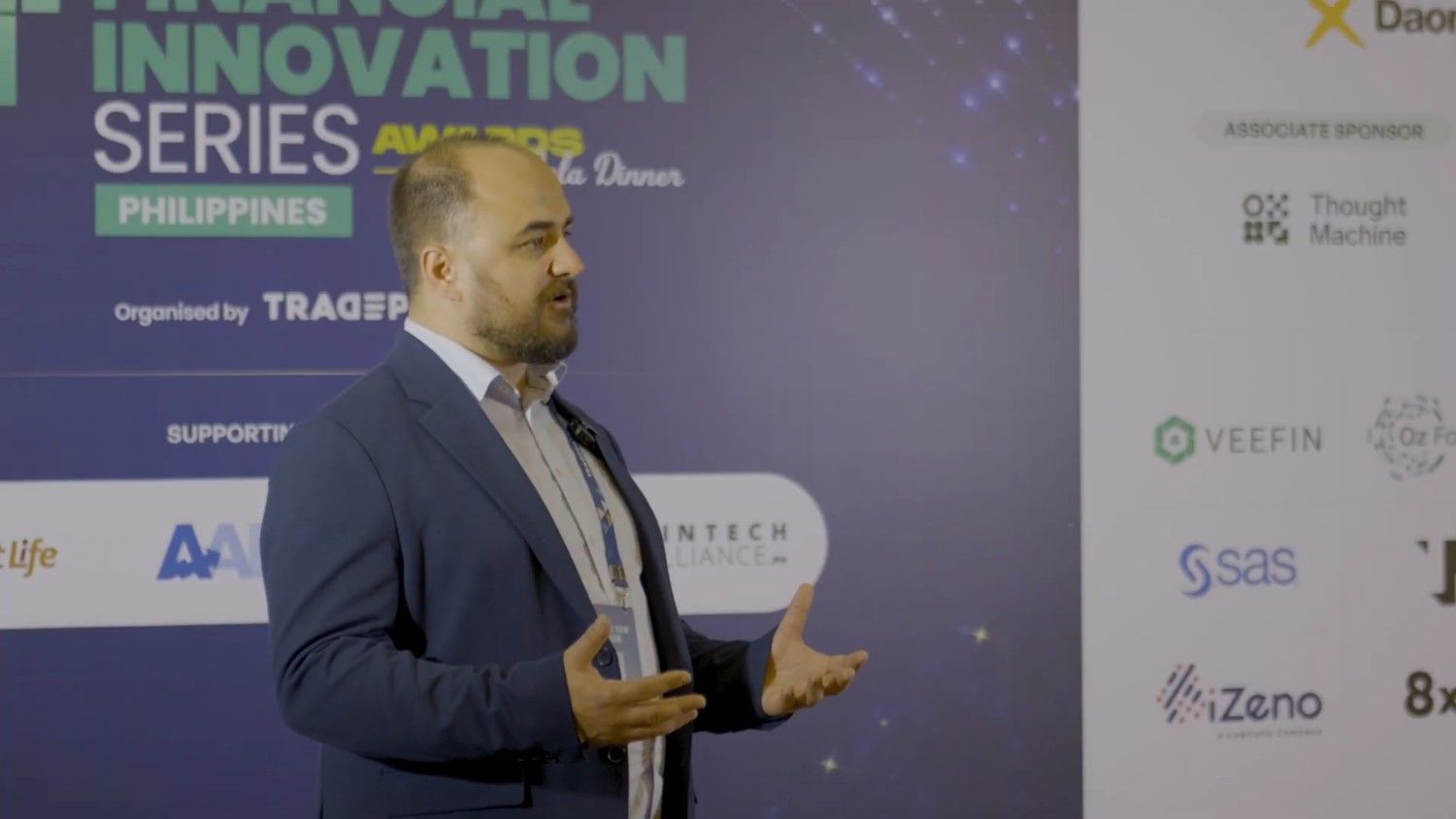
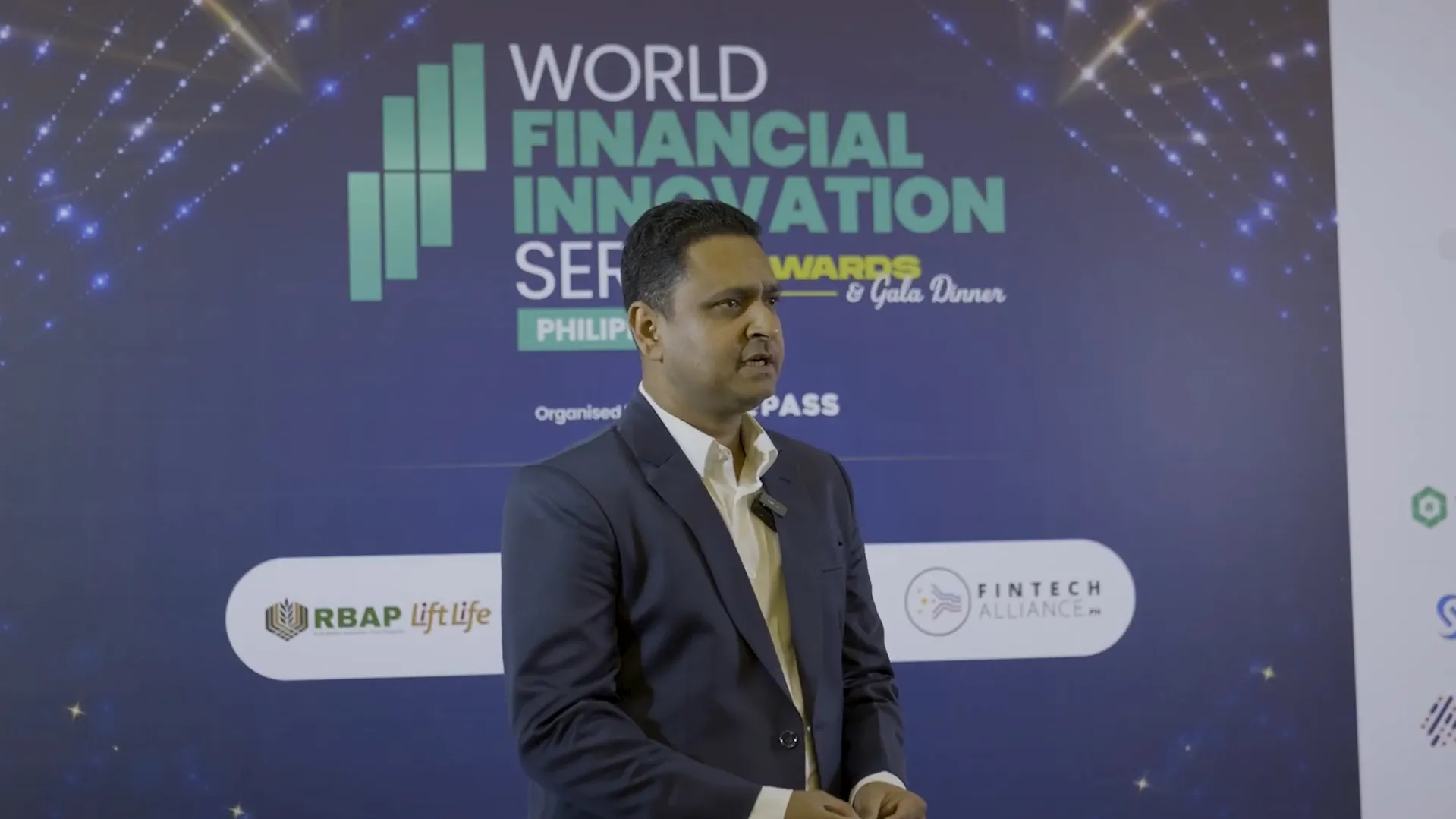
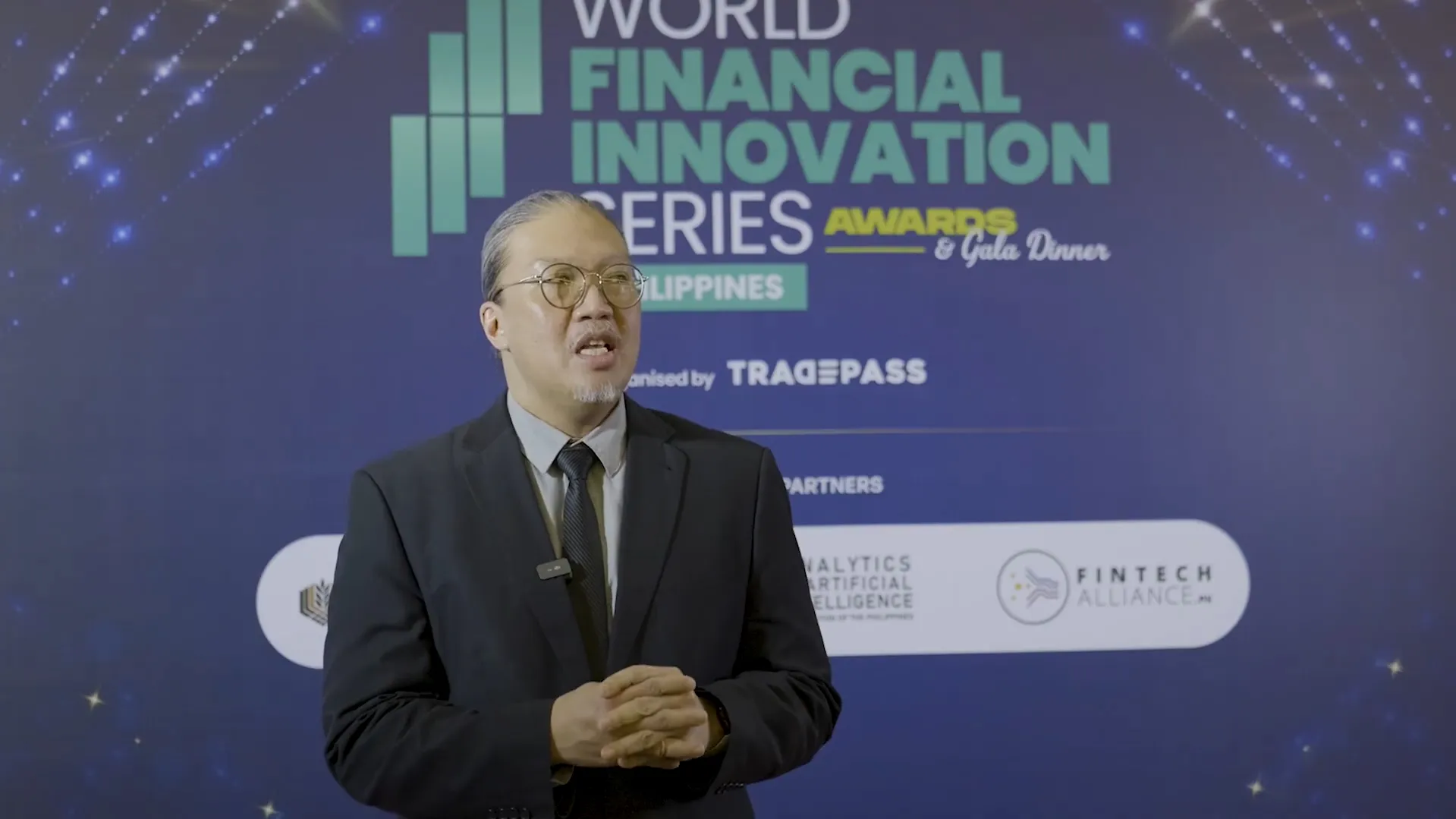
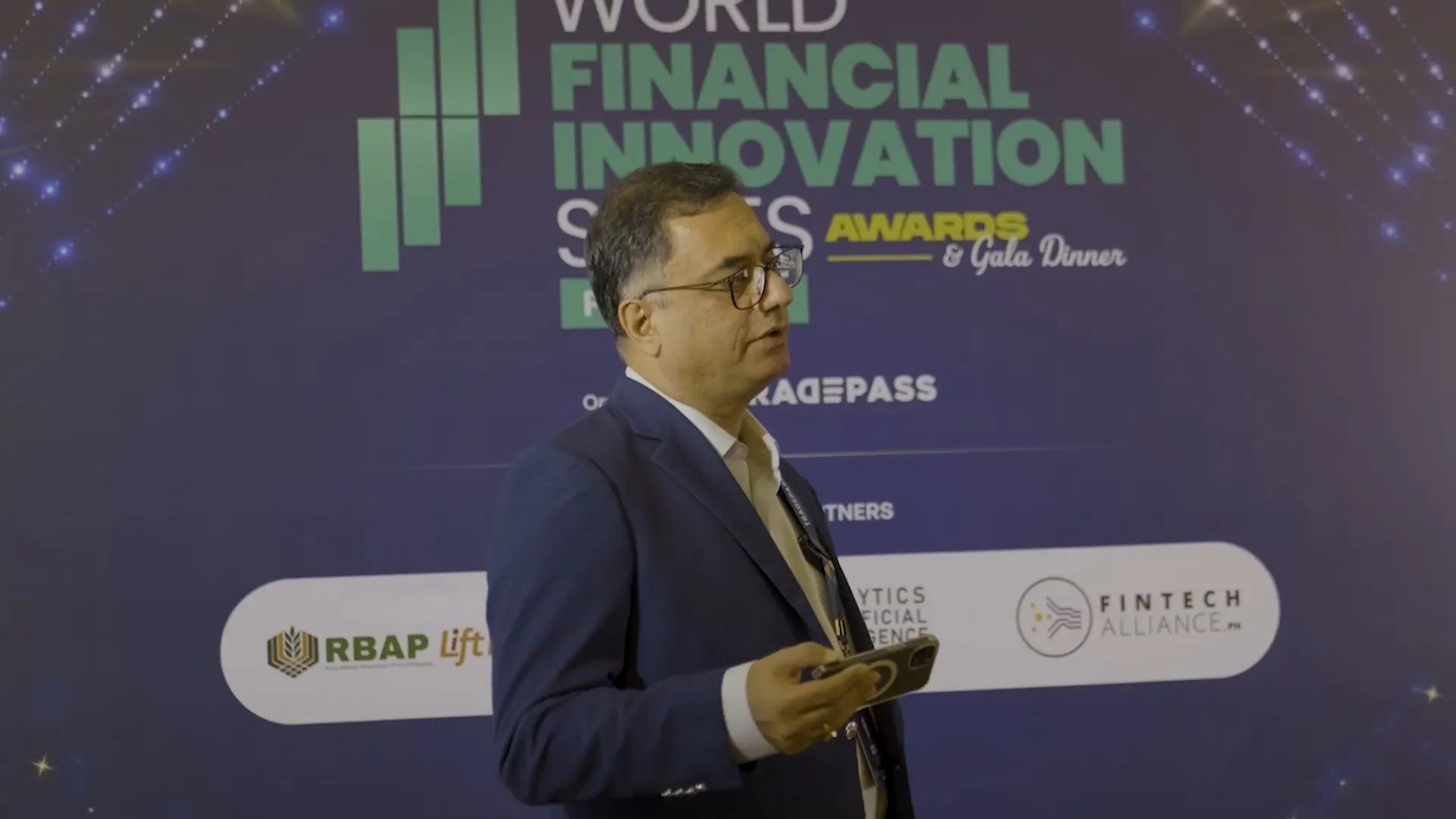
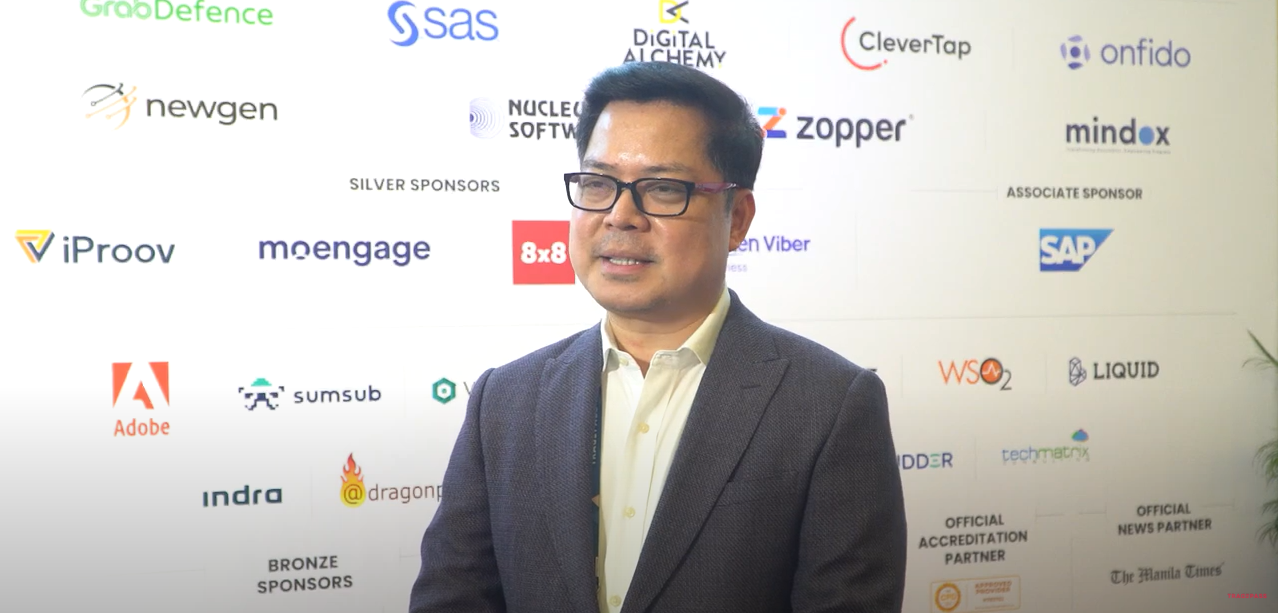
The World Financial Innovation Series (WFIS), a leading fintech and banking summit, is scheduled to take place on 25–26 August 2026 at the Manila Marriott Hotel, bringing together senior banking executives, regulators, and technology providers for two days of focused, practitioner-led conversation.
The agenda is built around real-world implementation cases, risk management frameworks that hold under pressure, and platform integration strategies drawn from institutions actively navigating change. Every session is designed to move the conversation forward, and turn discussion into measurable progress.
For delegates, sponsors, and C-suite leaders, WFIS is where strategic clarity meets the right room. The partnerships formed here reflect the next phase of banking innovation in the Philippines.