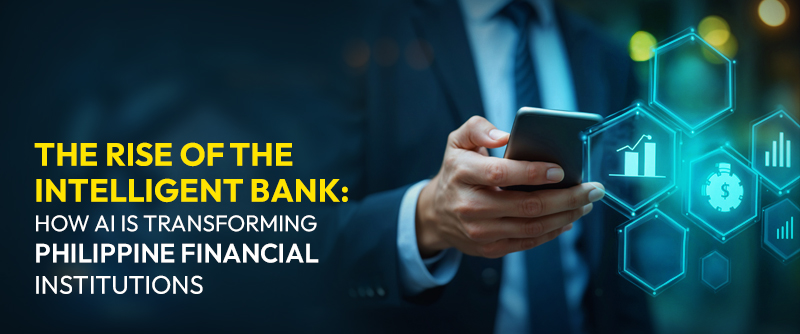
Banking systems are shifting from rule-based operations to intelligent frameworks driven by data, automation, and predictive models. Financial institutions in the Philippines are integrating AI into core processes to improve decision accuracy, reduce risk, and enhance customer engagement.
This transition is closely linked with the rapid growth of digital banking in the Philippines, where customers expect faster, more responsive services. AI is enabling banks to move beyond traditional service models and build systems that learn, adapt, and respond in real time. For delegates, C-suite leaders, and sponsors, this shift presents both strategic opportunities and operational challenges that demand focused attention.
AI Applications Transforming Core Banking Functions
Artificial intelligence is redefining how core banking functions are managed. From credit assessment to fraud detection, AI is helping institutions improve both speed and accuracy.
Key applications include:
Credit scoring and underwriting: Using advanced models to assess borrower risk more precisely
Fraud detection systems: Monitoring transactions in real time to identify suspicious activity
Customer service automation: Use of chatbots and virtual assistants handling routine queries
Compliance and reporting: Reducing manual workloads and improving regulatory accuracy
These use cases highlight how financial technology in the Philippines are reshaping operational frameworks. Banks can process higher volumes of transactions while maintaining control over risk and compliance.
For institutions, the focus is shifting towards integrating AI into existing systems without disrupting service continuity.
Data Analytics as the Foundation of Intelligent Banking
AI-driven banking relies heavily on strong data capabilities. The role of data analytics in finance is central to enabling predictive insights and personalized services. Banks are now combining structured data, such as transaction records, with unstructured data from customer interactions.
Such an integrated approach allows institutions to:
Identify customer behaviour patterns
Predict financial needs and flag risks early
Deliver products tailored to individual customer profiles
Drive sharper, data-backed decisions across every department
Building the right data infrastructure is essential. This includes secure data storage, processing capabilities, and governance frameworks. Regulators expect banks to uphold rigorous data privacy and protection standards even as they accelerate digital transformation.
Striking the right balance between innovation and compliance is therefore a prerequisite for long-term customer trust and institutional resilience.
Partnerships Powering AI Adoption in Financial Services
AI adoption in banking is rarely achieved in isolation. The convergence of banks, fintech firms, and technology providers is reshaping how financial solutions are built and deployed. These cross-sector partnerships are reducing development timelines, sharing the burden of innovation, and accelerating the industry’s shift towards intelligent banking. The role of fintech technology is now especially important in offering specialized tools, platforms, and expertise. These partnerships enable banks to adopt AI without building systems entirely in-house.
Key collaboration models include:
Joint innovation programs testing new AI applications
Vendor partnerships providing AI platforms and infrastructure
Co-development of solutions tailored to local market needs
Knowledge sharing between institutions and technology experts
Within the financial technology ecosystem, such partnerships are helping institutions scale AI adoption while maintaining flexibility. For sponsors and stakeholders, these collaborations present opportunities to participate in high-impact projects and expand their presence in the market.
Challenges & Strategic Considerations for AI Integration
While AI offers clear advantages, integrating it into banking systems comes with challenges that require careful planning.
Major considerations include:
Talent gaps, with limited availability of skilled AI and data professionals
Legacy system integration, where older infrastructure may not support advanced technologies
Ethical concerns, including bias in decision-making models
Regulatory compliance, ensuring AI use aligns with national guidelines
Banks must also manage risks associated with over-reliance on automated systems. Maintaining human oversight remains critical, especially in high-stakes financial decisions. For executives, the priority is to develop clear strategies that align AI adoption with business goals while addressing operational risks.
The Future of Intelligent Banking in the Philippines
The next phase of banking in the Philippines will see AI integrated across a wider range of services. Institutions are moving toward systems that support operations and actively guide decision-making.
Future developments may include:
Personalized financial advisory services, based on real-time data analysis
Autonomous banking processes, reducing the need for manual intervention
Expanded financial inclusion, using AI to reach underserved populations
Enhanced competitive positioning, as banks adopt advanced technologies
As digital banking Philippines continues to grow, institutions that invest in intelligent systems will be better positioned to meet customer expectations and regulatory demands. For delegates and sponsors, this transformation offers opportunities to engage with emerging technologies and contribute to the next phase of financial innovation.
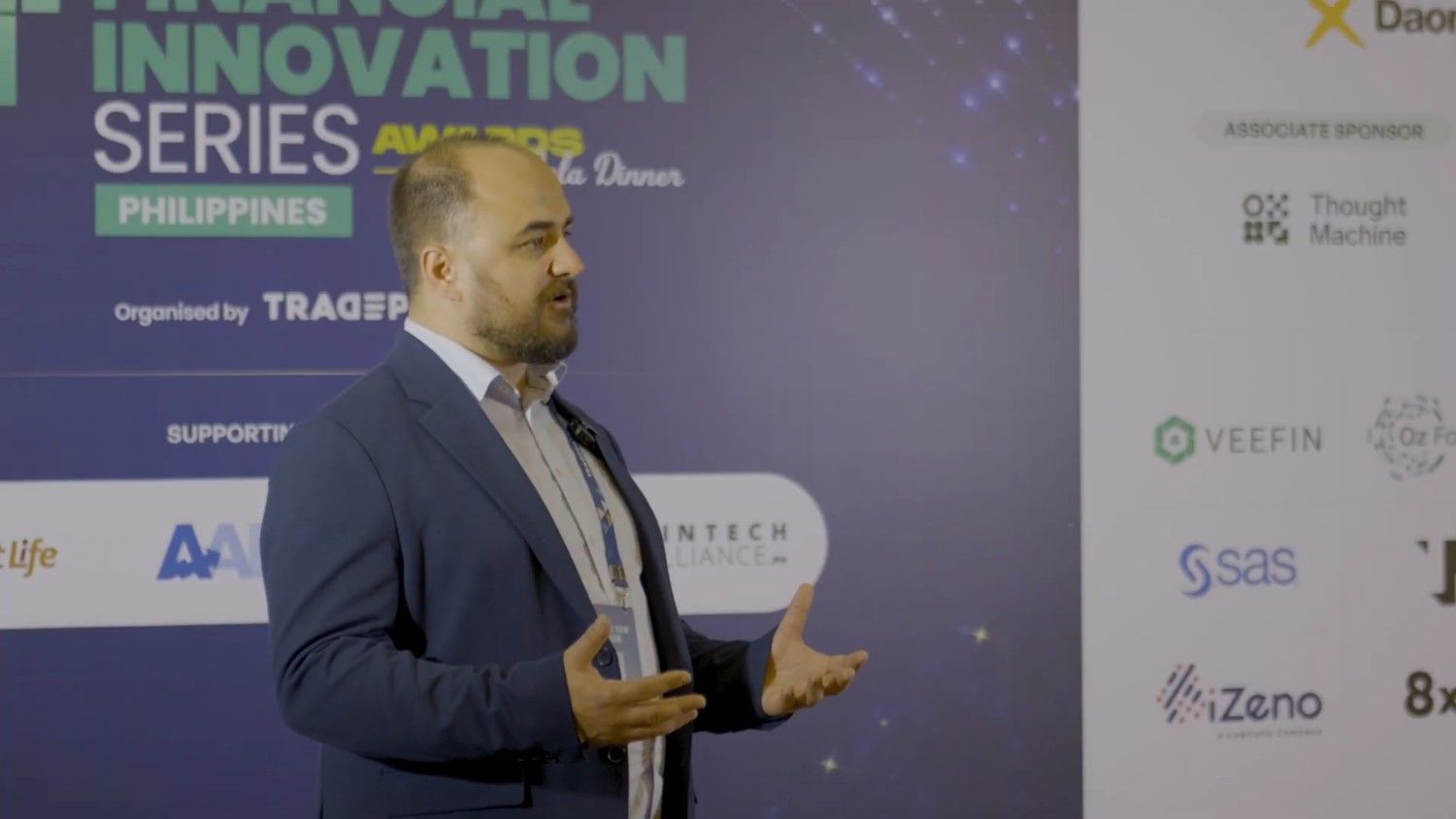
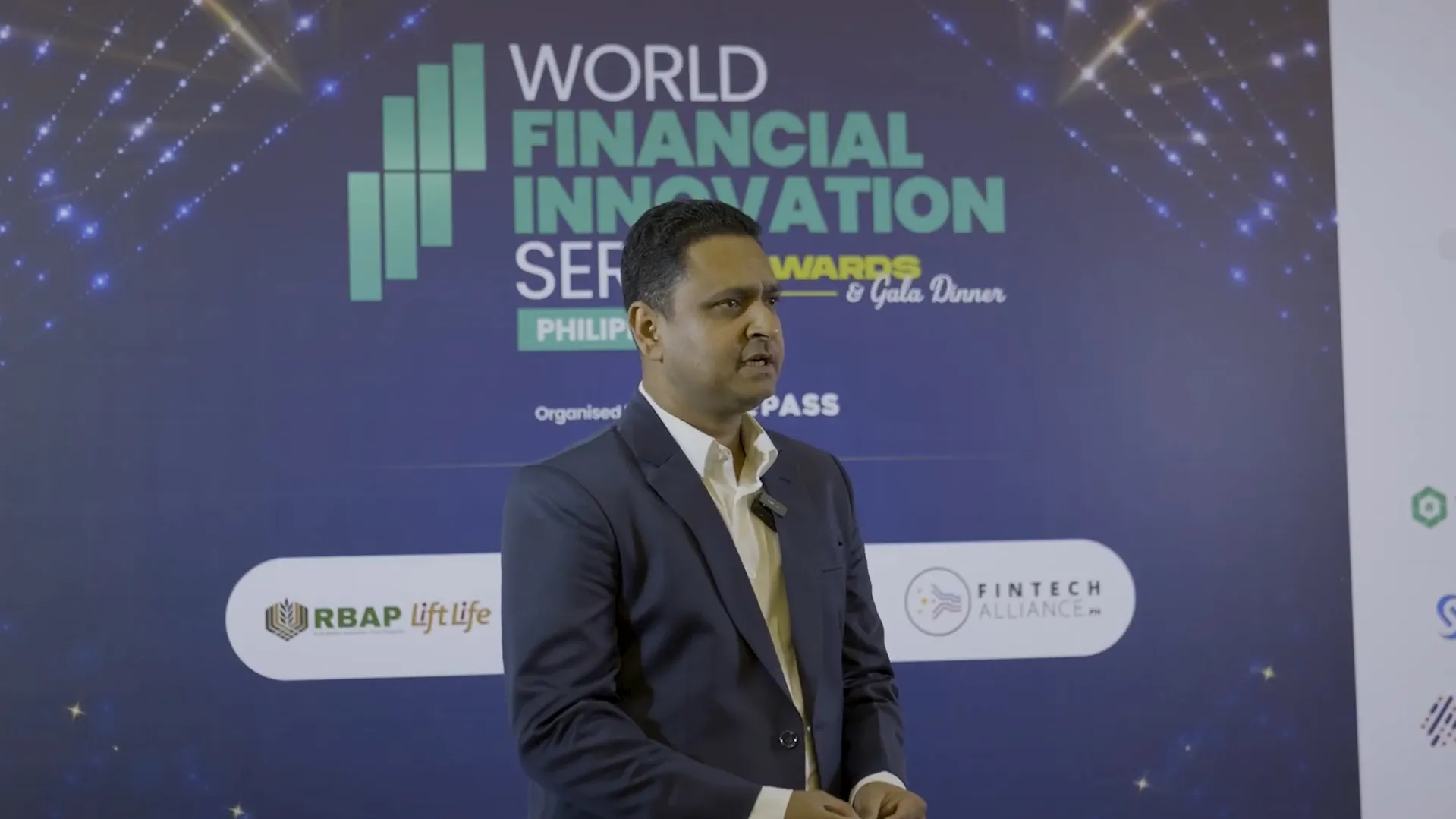
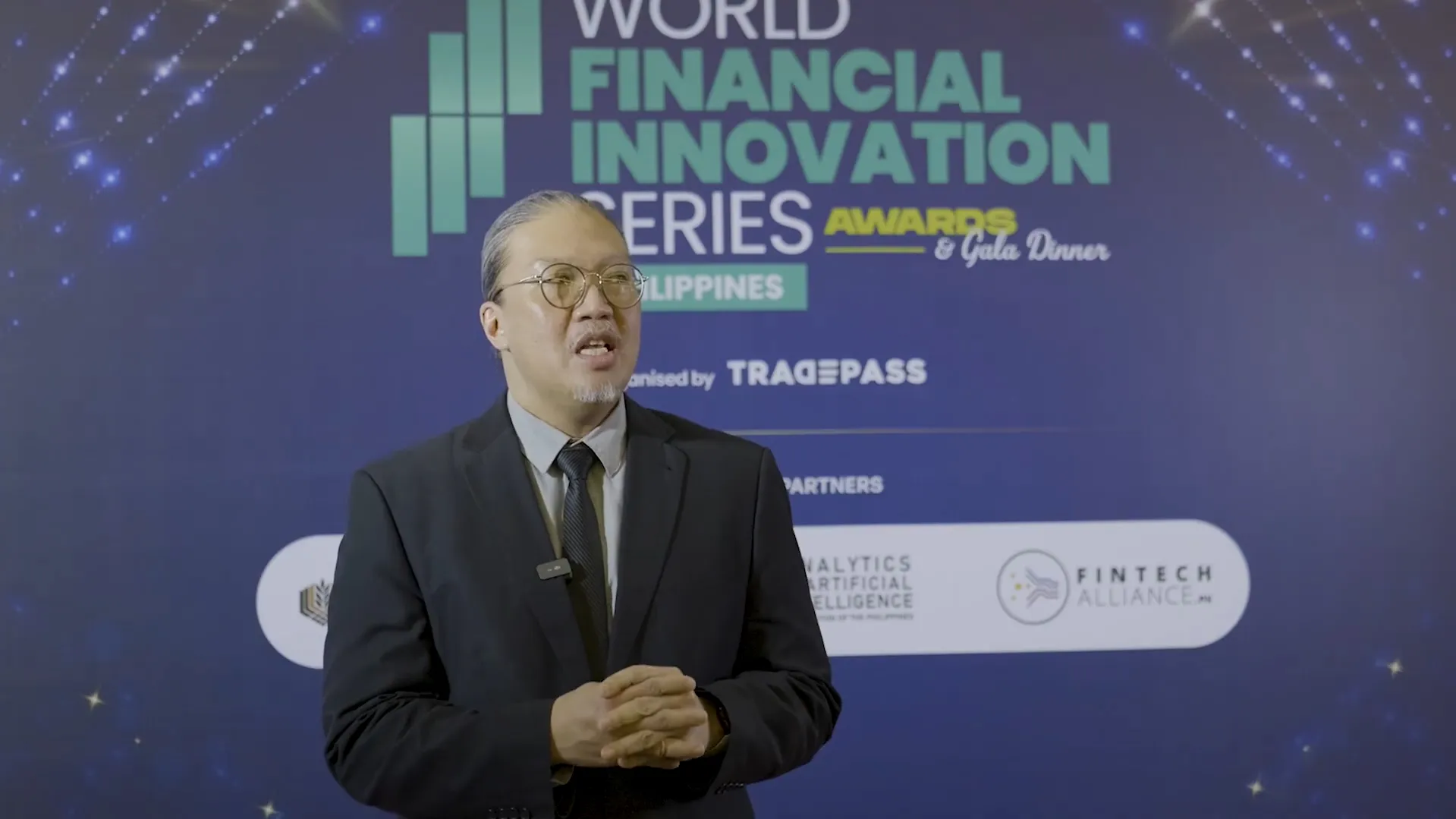
Join the Conversation at WFIS!
Taking the Philippine financial sector by storm, AI is an active, accelerating force reshaping how institutions operate, compete, and serve their customers in the Philippines.
These significant shifts are already underway — and the institutions that move the fastest to adapt, innovate, and scale will define the next era of Philippine banking. The World Financial Innovation Series is where that transformation gets its direction..
Key Agenda Topics
‘The Digital Peso and the Future of Money: Where the Philippines Stands on CBDC’
‘Cloud-Native Core Banking: Architecting for Scale, Resilience, and Competitive Agility’
‘Enterprise AI in Financial Services: Moving from Pilots to Pervasive, Accountable Deployment’
‘Banking-as-a-Service: Unlocking the Infrastructure Layer That Powers the Next Generation of Financial Products’
Attendee Profile
C-suite executives and senior leaders from top Philippine banks and financial institutions
Chief Information, Technology, and Transformation Officers
Fraud, risk, and compliance professionals from leading FSIs
Representatives from regulatory bodies and government authorities
Whether you are looking to explore cutting-edge solutions, gain perspective from the sharpest minds in the sector, or forge partnerships that move the needle, WFIS is where those conversations happen.