Regulatory frameworks define how financial systems operate, and increasingly, how innovation grows within them. As financial services expand across digital channels, rules no longer serve oversight alone. They now guide how institutions build products, manage risk, and scale services.
The rise offintech regulatory policies has enabled structured innovation by setting clear boundaries while leaving room for experimentation. In the Philippines, regulators are aligning policy direction with technological progress to strengthen the financial system from within.
The Changing Role of Regulation in Financial Innovation
Regulation is shifting from a restrictive model to one that supports innovation without sacrificing stability. Financial authorities are building frameworks that allow institutions to test and deploy new solutions within defined boundaries.
Key developments include:
Shift toward enabling policies that support innovation and competition
Growing influence of fintech regulatory policies in shaping new services
Balanced approach to risk management and innovation adoption
Stronger focus on building trust among consumers and investors
Regulators are also supporting initiatives that align with the Philippines’digital transformation agenda, ensuring financial systems remain relevant as technology adoption grows. This shift creates a structured environment where innovation can progress without compromising system integrity.
Aligning Policies with Innovation Goals
Policy alignment plays a central role in ensuring that innovation delivers measurable outcomes. Financial institutions therefore require clear guidelines that support both experimentation and scale.
Key priorities include:
Development of adaptive digital finance policy frameworks
Use of regulatory sandboxes to test new financial solutions
Collaboration between regulators, banks, and fintech firms
Continuous updates to policies in response to emerging technologies
Linking innovation with financial inclusion policies ensures that new services reach underserved populations. This alignment supports both economic growth and wider access to financial services.
Strengthening Financial Inclusion Through Smart Regulation
Financial inclusion remains a key objective for policymakers in the Philippines. Regulation plays a direct role in expanding access to financial services.
Key initiatives include:
Expanding access to banking for underserved and unbanked populations
Promoting digital payments and alternative financial services
Encouraging microfinance and SME-focused lending models
Ensuring affordability and transparency in financial products
The role of financial inclusion policies is critical in driving equitable participation across different regions and income groups. These policies help create opportunities for individuals and businesses that were previously outside the formal financial system. Smart regulation therefore ensures that inclusion efforts are sustainable and aligned with national development goals.
Risk, Compliance, and Innovation Balance
As financial systems grow more advanced, risk management remains a central concern. Innovation moves quickly, and regulators and institutions alike must ensure that speed does not come at the cost of security or stability. Managing emerging vulnerabilities therefore requires frameworks that are not only reactive, but built to anticipate change.
Key considerations include:
Managing cybersecurity and fraud risks in digital environments
Aligning compliance processes with evolving fintech regulatory policies
Reducing operational friction while maintaining accountability
Use of RegTech solutions to improve compliance efficiency
Standardized practices across institutions build consistency and trust. Financial institutions must invest in systems that support both compliance and operational efficiency — a balance that, for executives, is essential to long-term sustainability.
Public-Private Collaboration for Future-Ready Frameworks
Collaboration between regulators and industry players is essential for designing financial frameworks that actually work. Policies that are grounded in real-world challenges are far more likely to succeed.
Key collaboration areas include:
Joint initiatives between regulators, banks, and fintech firms
Co-development of policies based on practical insights
Knowledge-sharing through industry forums and consultations
Alignment of global standards with local regulatory needs
These efforts support the Philippines’ long-term digital transformation by ensuring that policies remain relevant, practical, and effective as the landscape evolves. When regulators and the industry move together, frameworks become stronger and more responsive to change.
For sponsors and delegates, collaboration creates opportunities to engage directly with policy development and contribute to innovation strategies that have real impact on the financial sector.
Designing Scalable and Adaptive Financial Systems
Future-ready financial frameworks must be flexible and built to adapt. Static regulations risk limiting innovation and slowing growth — and in a rapidly shifting digital landscape, falling behind is no option.
Key focus areas include:
Building frameworks that scale with technological advancement
Regular policy reviews to maintain relevance
Integration of sustainability and ESG considerations
Preparing for emerging models such as embedded finance
Adaptive frameworks keep financial systems stable while creating room for innovation to move forward. As technology continues to reshape how financial services are built and delivered, the frameworks governing them must evolve at a similar pace. Institutions that align early are better positioned to compete, grow, and lead in markets that will only keep changing.
Explore the Future of Finance at WFIS!
The regulatory shift underway in the Philippines is actively reshaping how financial institutions plan, build, and compete. Institutions that engage with this change early will be the ones that define what the next generation of financial services look like.
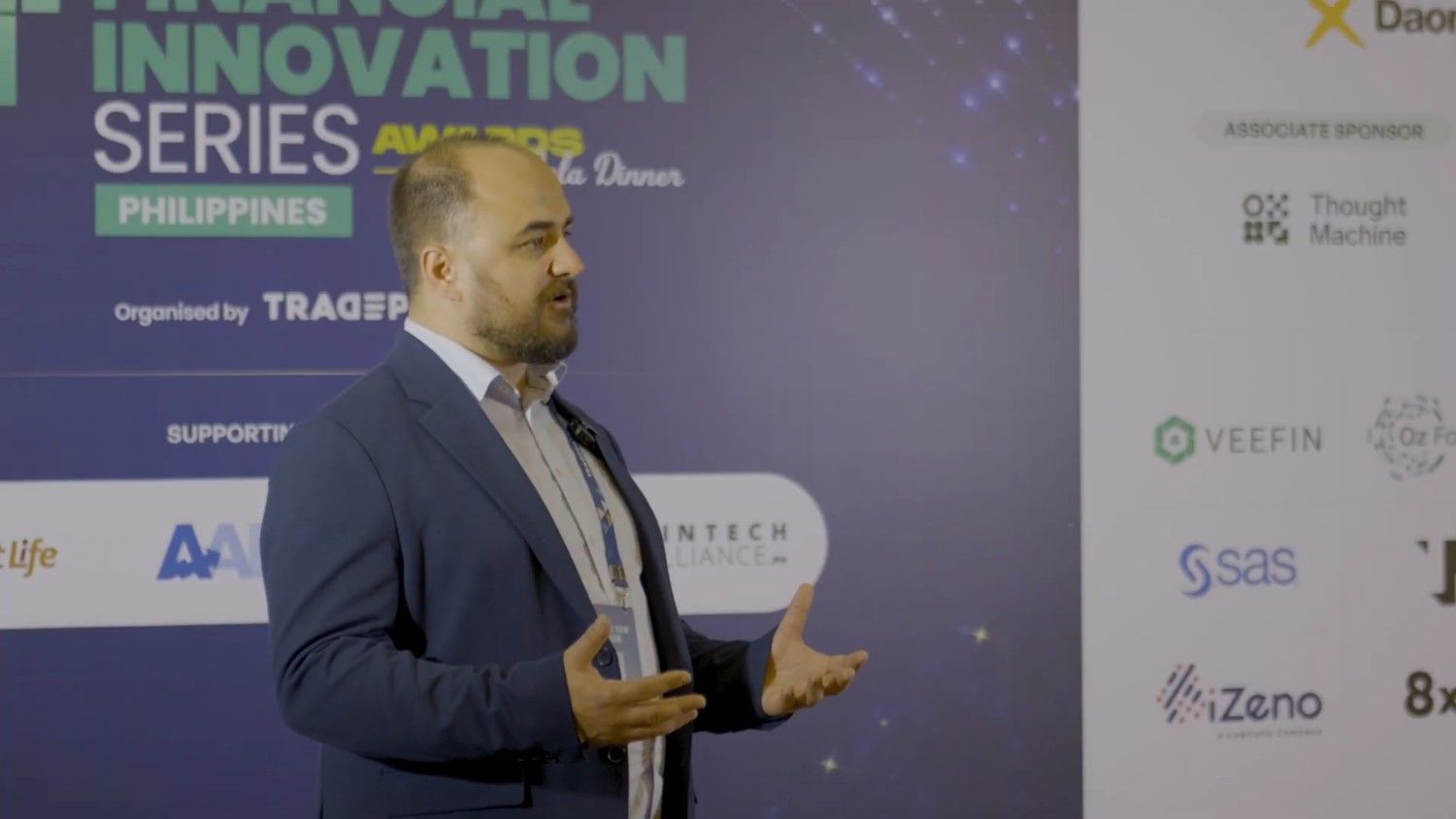
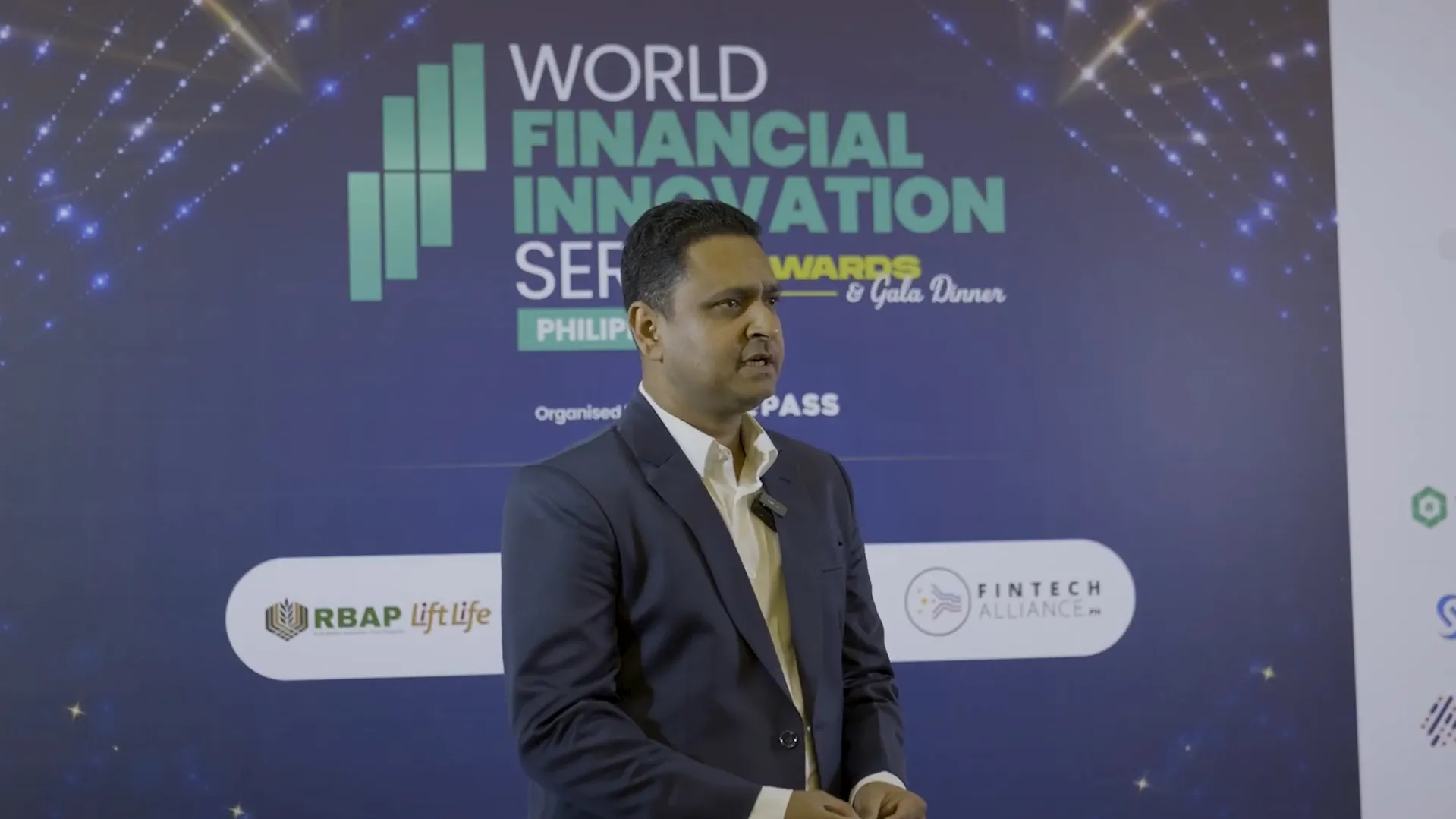
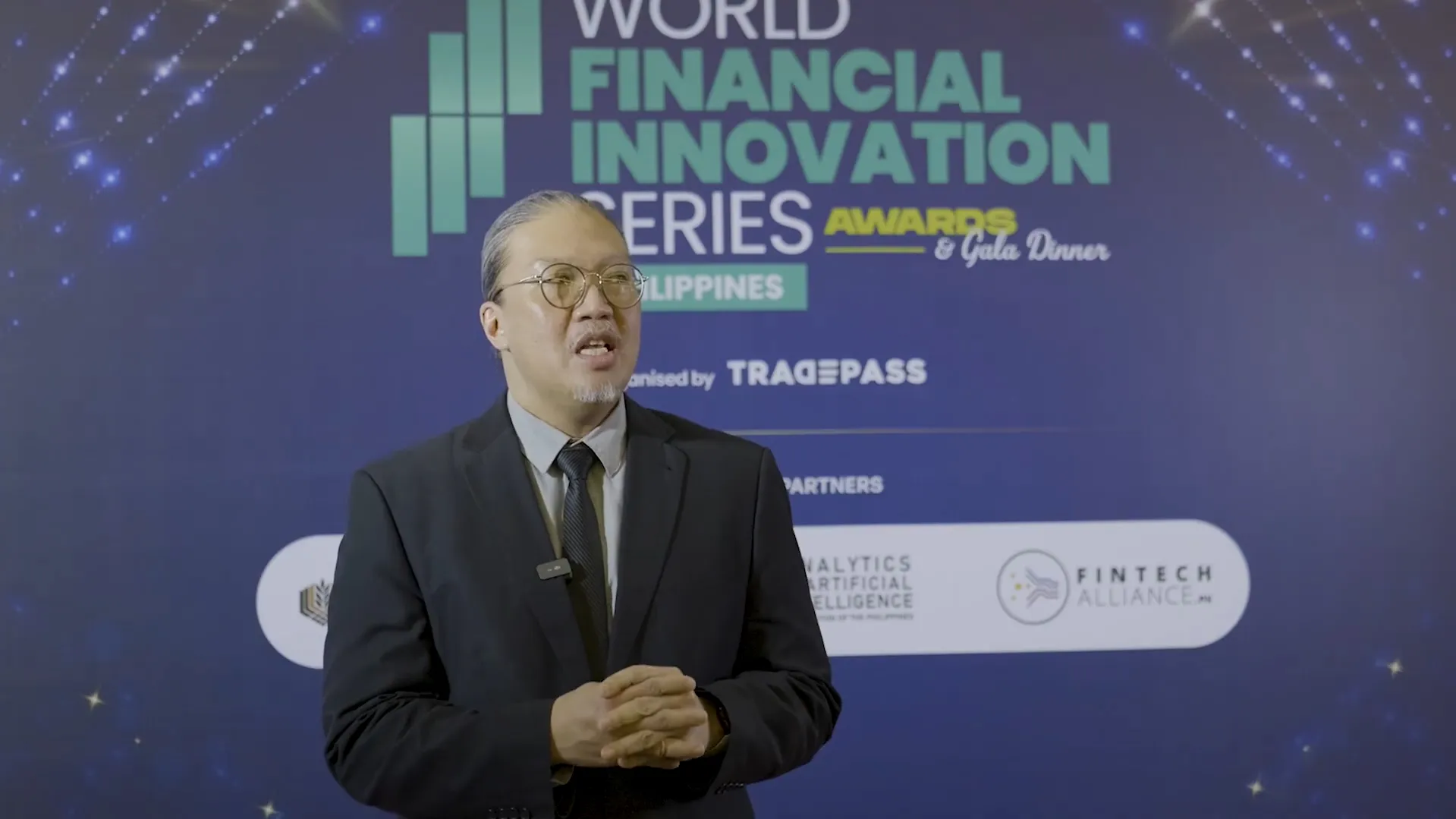
The World Financial Innovation Series is where that engagement happens. It brings together leading executives, policymakers, innovators, and industry strategists who are navigating the intersection of regulation and growth — and turning that intersection into opportunity.
Expect high-impact conference sessions and fireside chats led by the sharpest minds reshaping financial policy and institutional strategy across the region.
Key Agenda Topics
‘Innovation, Inclusion, and the Architecture of a Digital Economy’
‘Banking-as-a-Service: Unlocking the Infrastructure Layer That Powers the Next Generation of Financial Products’
‘Digital Lending at Scale: Balancing Growth, Risk, and Responsible Credit Practices’
‘Enterprise AI in Financial Services’
Attendee Profile
C-suite and senior executives from Philippine banks and financial institutions
Chief Risk, Compliance, and Legal Officers navigating evolving regulatory landscapes
Strategy and transformation leads aligning policy direction with institutional growth
Fintech leaders and innovators operating within regulated environments
The conversation around financial regulation in the Philippines is moving fast. Be part of it.