The Philippine financial ecosystem is entering a phase where innovation is no longer driven only by new apps or faster payment rails, but by how seamlessly data flows across institutions. As consumer expectations evolve and competition intensifies, banks are being challenged to rethink ownership of financial data and the value it can unlock.
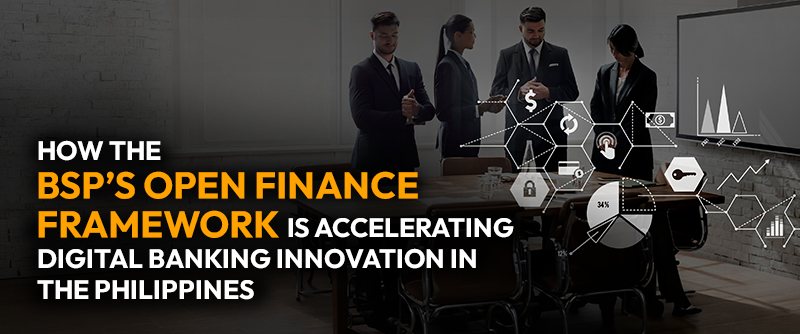
This shift has become a core theme at every major open banking conference, where regulators, banks, and fintech leaders now focus on interoperability, trust, and long-term scalability rather than isolated product launches. Against this backdrop, the Bangko Sentral ng Pilipinas’ (BSP) Open Finance Framework is emerging as a catalyst for the next wave of digital banking in the Philippines.
Why Open Finance Matters More Than Product Innovation
Product innovation is no longer sufficient to sustain competitive advantage in financial services. Mobile apps, digital wallets, and instant payments have quickly become standard offerings. What now defines competitive advantage is how well institutions can collaborate, share insights, and personalize services across ecosystems.
Open finance shifts the focus from building standalone products to enabling connected financial journeys. Customers gain the ability to view, manage, and optimize their finances across multiple providers through secure data-sharing mechanisms. For banks, this means deeper customer understanding, more accurate credit decisions, and faster innovation cycles. For digital banking in the Philippines, this transition is particularly important as a young, mobile-first population demands transparency, speed, and relevance rather than generic financial products.
BSP’s Open Finance Framework as a Policy-Driven Enabler
Unlike market-led approaches seen in other regions, the BSP has taken a structured, policy-driven route to open finance. The framework establishes common standards for data sharing, consent management, and governance, ensuring that innovation does not come at the expense of stability.
By aligning open finance with broader fintech regulatory policies, the BSP is creating a controlled environment where banks and fintech firms can experiment responsibly. This approach reduces uncertainty for incumbents while giving startups a clear pathway to integrate with the financial system.
The result is a more equitable ecosystemthat encourages participation across the ecosystem rather than fragmented innovation driven by a few dominant players.
Accelerating Digital Banking Through Shared Financial Data
Shared financial data is the engine powering the next stage of digital transformation. Through standardized APIs and explicit customer consent, banks can access verified financial histories, transaction patterns, and behavioral insights across platforms.
This capability allows institutions to –
Improve credit scoring for underbanked customers
Offer real-time, context-aware financial products
Reduce onboarding friction through digital identity verification
For digital banking in the Philippines, data portability is particularly impactful in expanding financial inclusion. Customers who previously relied on informal credit or cash-based transactions can now build recognized financial profiles, unlocking access to formal banking services at scale.
Compliance, Security, & Trust
Trust remains the foundation of any open finance initiative. Without robust safeguards, data sharing can quickly erode consumer confidence and stall adoption. Recognizing this, the BSP has embedded compliance and security into the design of its framework.
Strong authentication protocols, granular consent controls, and continuous monitoring mechanisms ensure that data access remains transparent and auditable. These measures align closely with evolving fintech regulatory policies, reinforcing accountability across all participants.
By treating compliance as a design principle, the framework enables innovation that is both scalable and sustainable.
New Use Cases Emerging From Open Finance Adoption
As adoption grows, open finance is unlocking use cases that extend beyond traditional banking. Personal finance management tools can aggregate data across accounts to deliver actionable insights. Embedded finance models allow non-financial platforms to offer appropriate insurance products.
Other emerging applications include –
SME cash-flow forecasting powered by multi-bank data
Dynamic pricing for loans based on real-time financial behavior
Cross-platform loyalty and rewards ecosystems
These innovations highlight how open finance shifts value creation from isolated transactions to continuous financial engagement, redefining customer relationships across the sector.
Industry Collaboration as the Real Growth Engine
No single institution can fully realize the benefits of open finance in isolation. Collaboration between banks, fintech firms, regulators, and technology providers is crucial in order to build interoperable systems and shared standards.
This collaborative mindset is increasingly visible at every major banking innovation conference, where discussions now emphasize ecosystem partnerships rather than competitive disruption. In the Philippines, such collaboration is critical to ensure that open finance adoption remains inclusive, resilient, and aligned with national digitization goals.
WFIS Philippines – Bringing Banking, Policy, & Technology Leaders Into One Strategic Forum
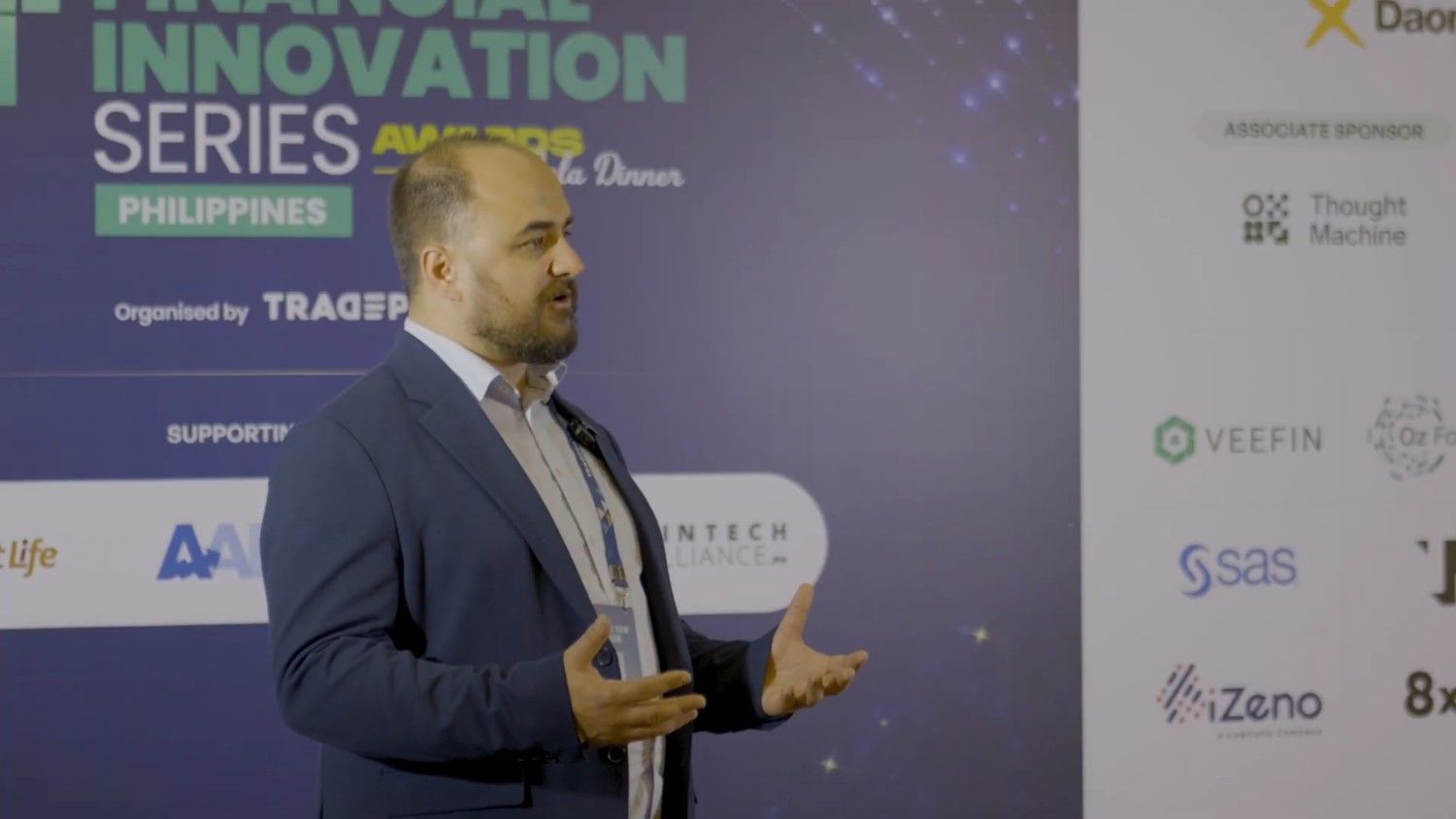
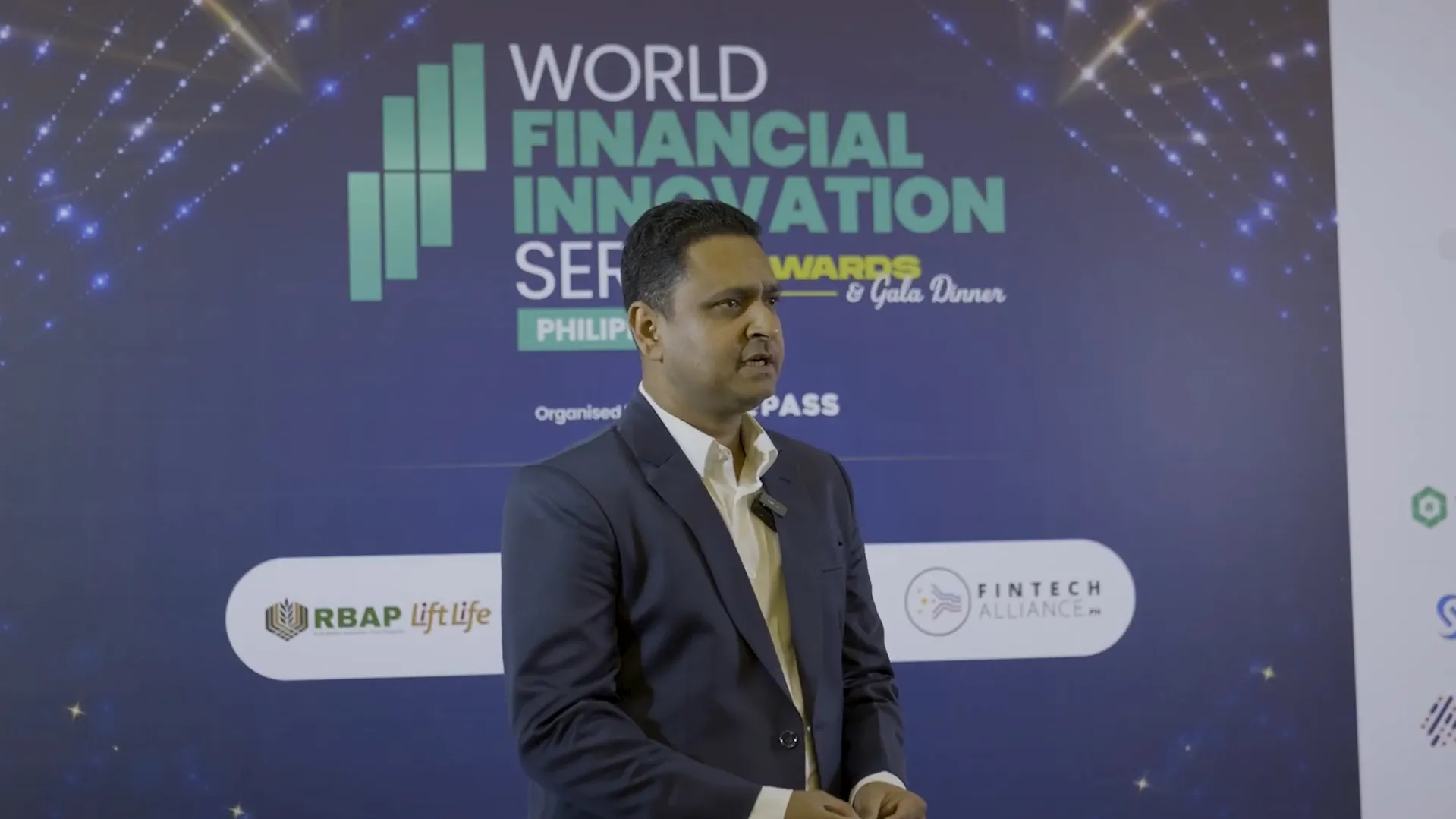
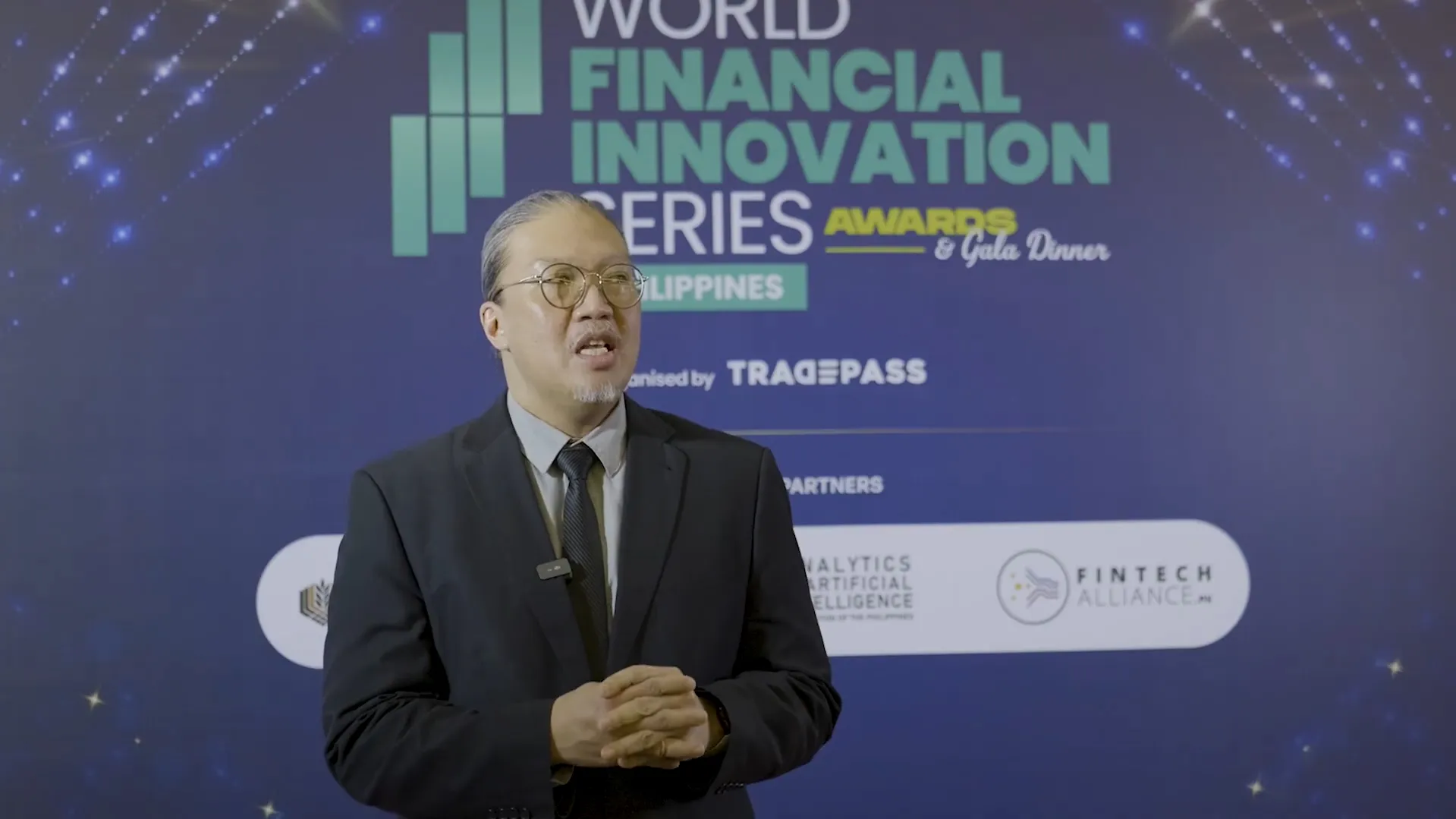
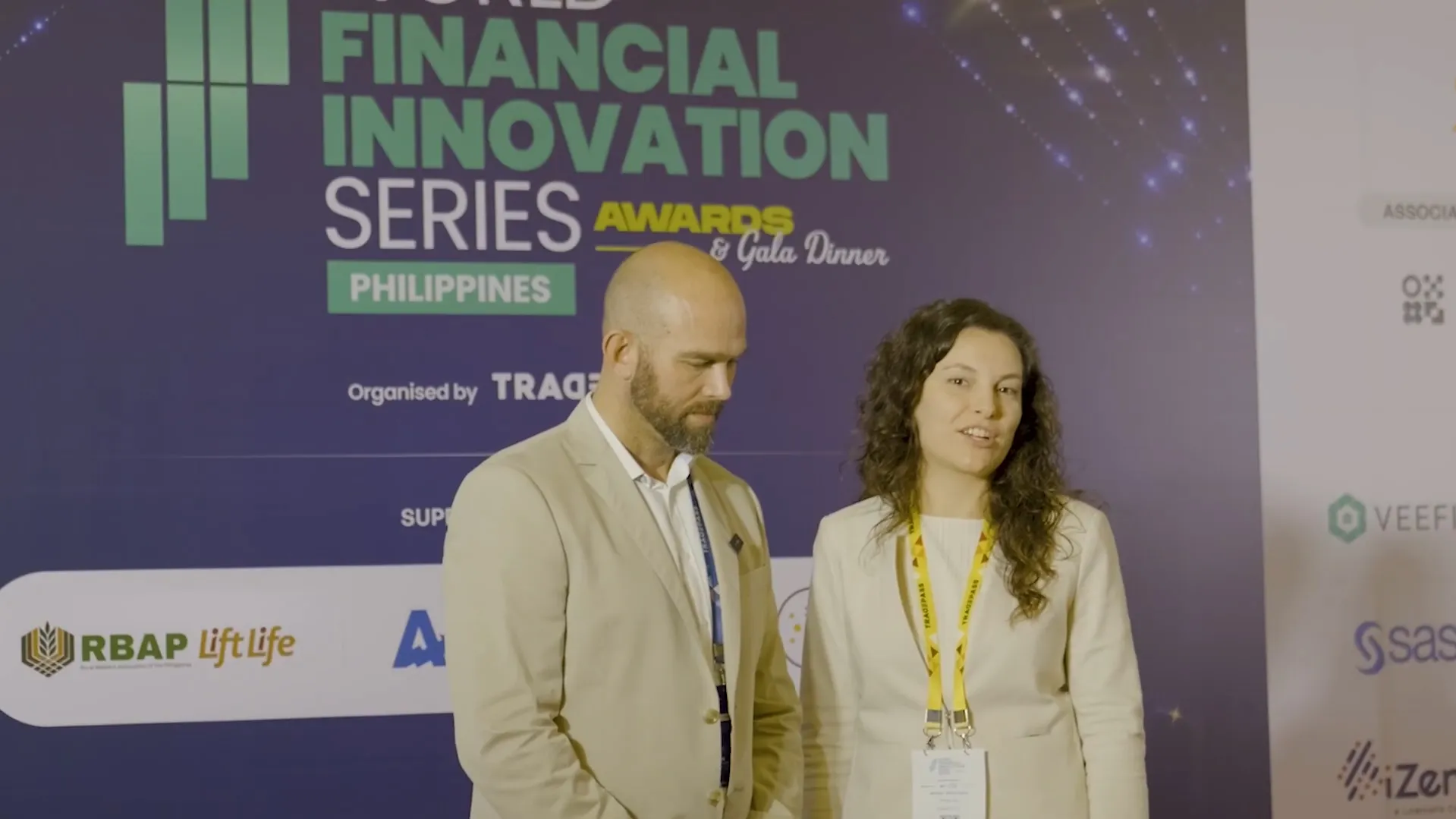
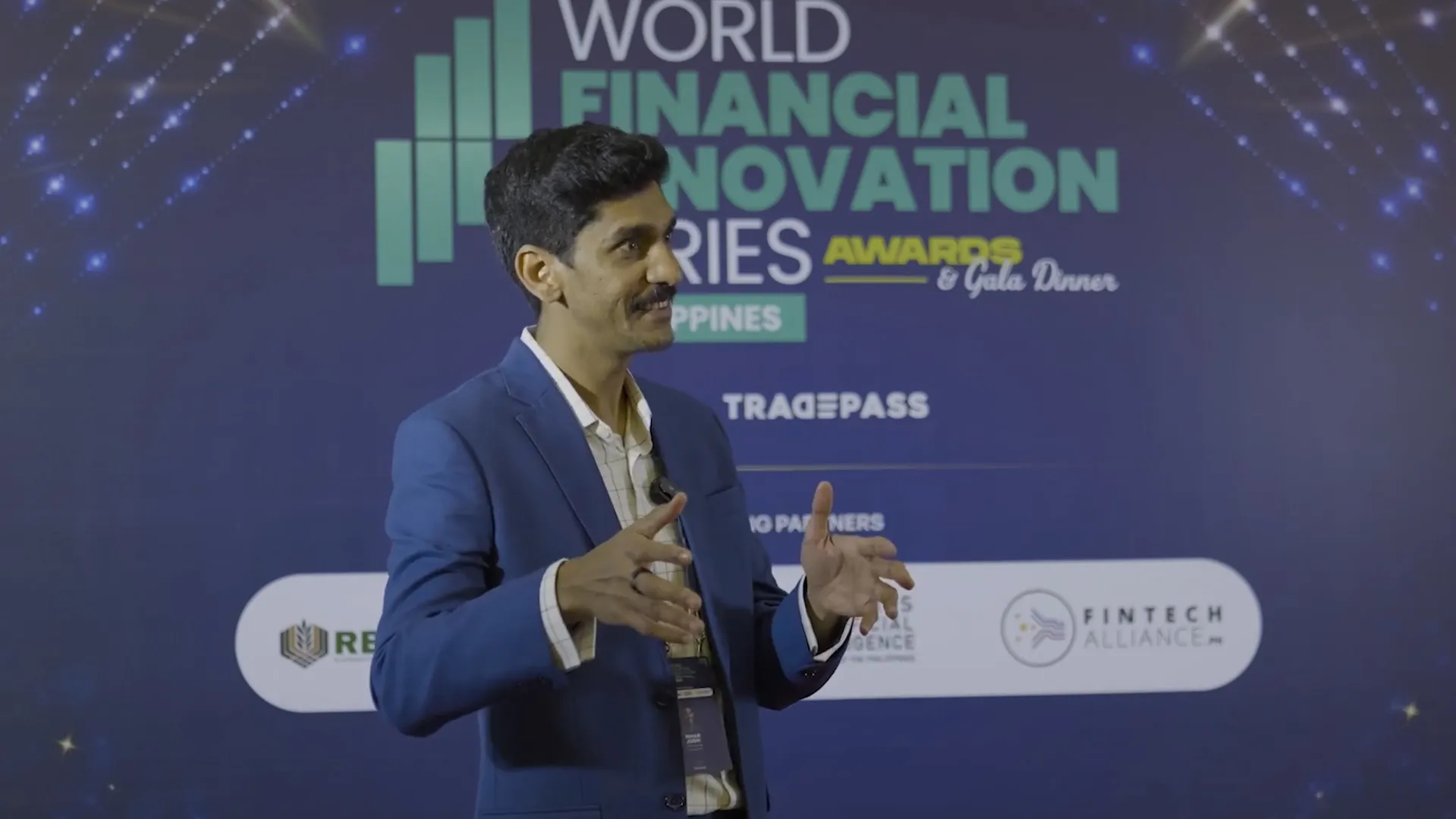
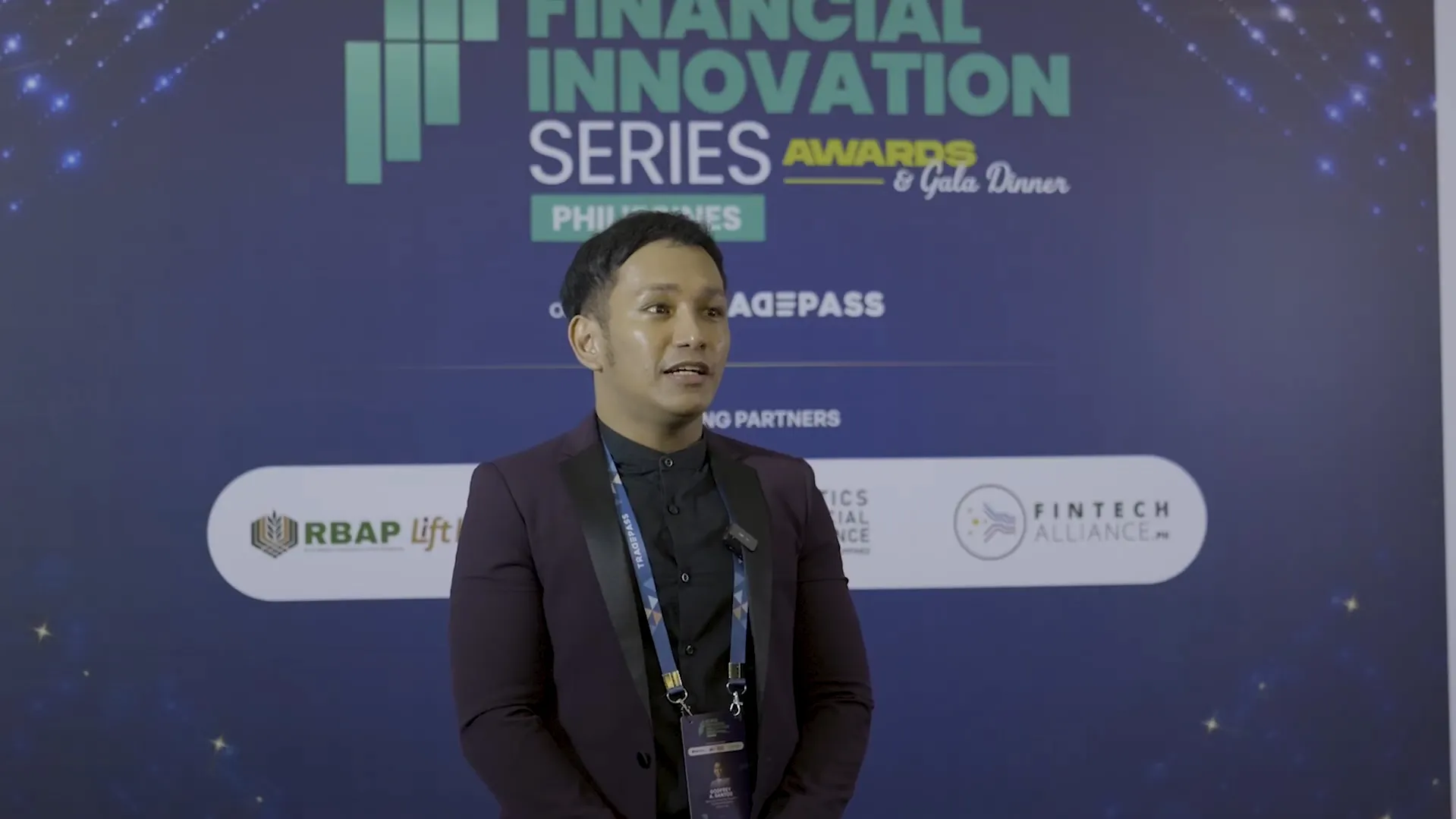
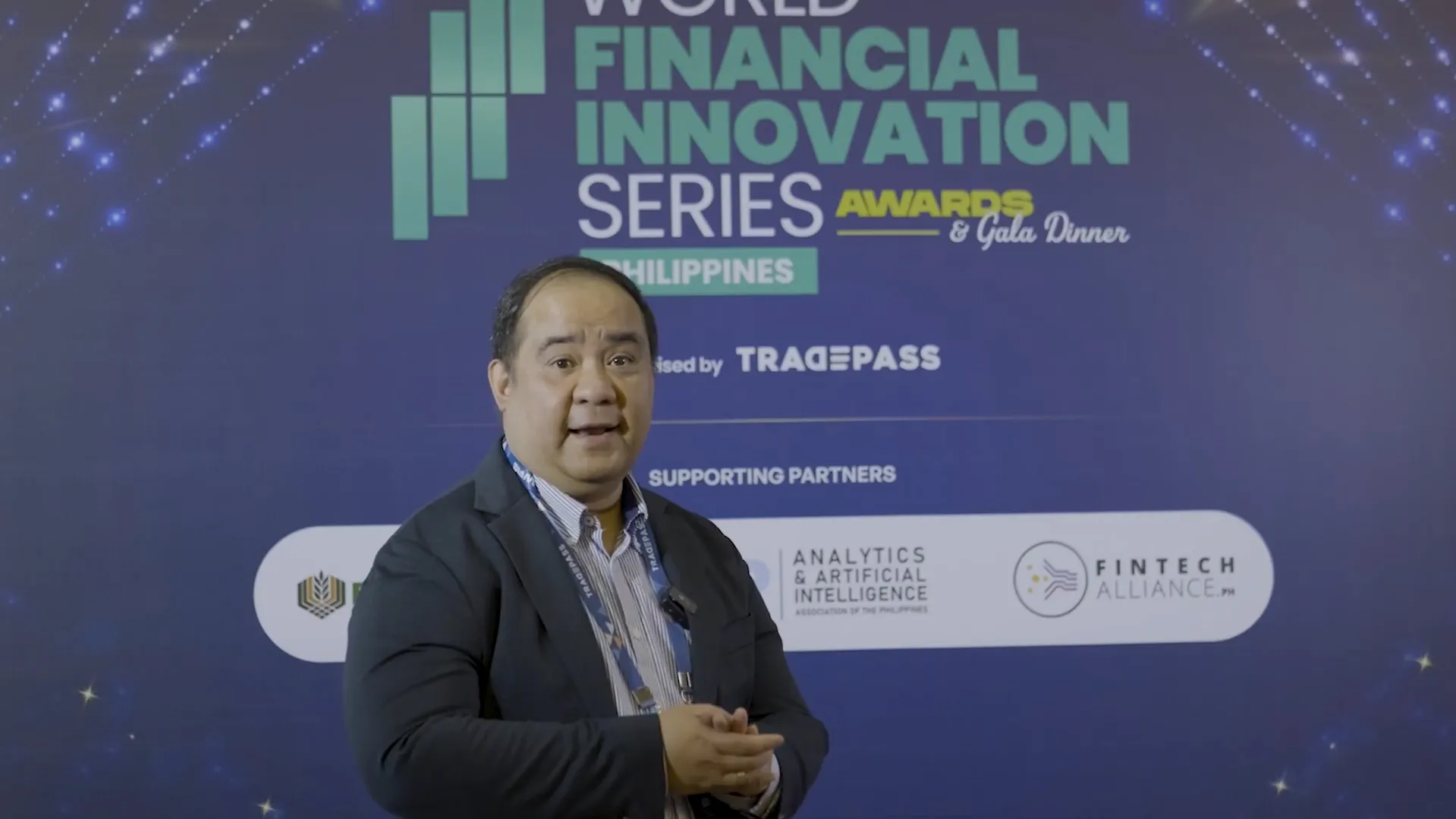
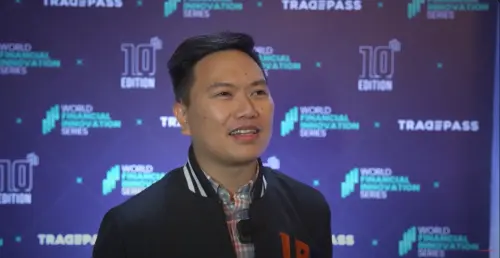
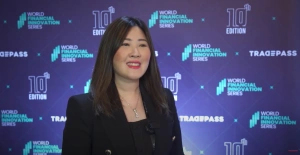
The WFIS (World Financial Innovation Series Philippines) stands as the archipelago’s premier open banking conference and banking innovation conference; bringing together over 600 regulators, banks, fintechs, and technology leaders under one roof to exchange intelligence, forge partnerships, and drive decisions that move the industry forward.
Over the years, each edition of WFIS in the Philippines has been built around the conversations that matter most; how regulation can enable innovation, how institutions are translating digital mandates into real infrastructure, and how cross-sector collaboration is becoming the defining competitive advantage in financial services.
Moreover, WFIS strives to draw a focused, curated audience of pre-qualified delegates from across the Philippine financial sector which, over its four editions, have included:
Representatives from the Bangko Sentral ng Pilipinas (BSP) and other regulatory bodies
Leaders from digital banks, e-wallet platforms, and lending fintechs
Chief Technology, Information, and Security Officers overseeing institutional modernization
Solution providers and vendors serving the BFSI sector, and more.
Event Details:
Date: 25–26 August, 2026
Venue: Manila Marriott, Philippines
Register Today!
The Philippine financial sector is moving fast. Open finance, AI-driven banking, and evolving regulatory frameworks are, at once, creating new opportunities and raising the stakes for every institution in the ecosystem.
With each edition more targeted and consequential than the previous, WFIS in the Philippines offers a focused, high-impact environment to gain strategic clarity, forge partnerships that outlast the event, and position organizations at the centre of the region’s most defining financial transformation.