Secure identity verification has become a core requirement for financial systems handling large volumes of digital transactions. As financial institutions expand digital channels, the ability to confirm user identity with accuracy and speed is directly linked to trust and risk control.
The rise of digital identity solutions is helping banks and fintech firms strengthen onboarding processes while reducing exposure to fraud. In the Philippines, where digital adoption is accelerating, identity frameworks are shaping how institutions protect users, manage compliance, and support financial inclusion.
The Growing Importance of Digital Identity in Financial Services
Financial institutions are placing greater focus on identity systems as digital transactions increase across banking platforms. The need for reliable verification methods is no longer limited to onboarding but extends throughout the customer lifecycle.
Key drivers include:
Rising demand for secure identity verification across mobile and online channels
Expansion of financial services into remote and underserved regions
Increased reliance on e-KYC frameworks for faster onboarding
Integration of national ID systems into financial services
Strong identity frameworks support financial inclusion by enabling individuals without traditional documentation to access banking services. For stakeholders, investing in identity infrastructure is becoming essential for both compliance and service delivery.
Fraud Trends Shaping the Philippine Financial Ecosystem
As digital adoption grows, fraud risks are becoming more complex and widespread. Financial institutions are facing increasing threats that require advanced detection and prevention strategies.
Common fraud challenges include:
Phishing attacks targeting customers through digital channels
Identity theft and account takeovers
Unauthorized transactions across payment platforms
Social engineering tactics exploiting user behavior
The financial and reputational impact of such incidents can be significant. This has made cyber in banking a priority at the executive level, with institutions focusing on strengthening security frameworks. Understanding these trends allows decision-makers to allocate resources effectively and implement systems that address current and emerging risks.
Technology-Driven Identity Verification and Fraud Prevention
Technology is playing a central role in improving identity verification and fraud prevention. Financial institutions are adopting advanced tools to enhance both security and user experience.
Key solutions include:
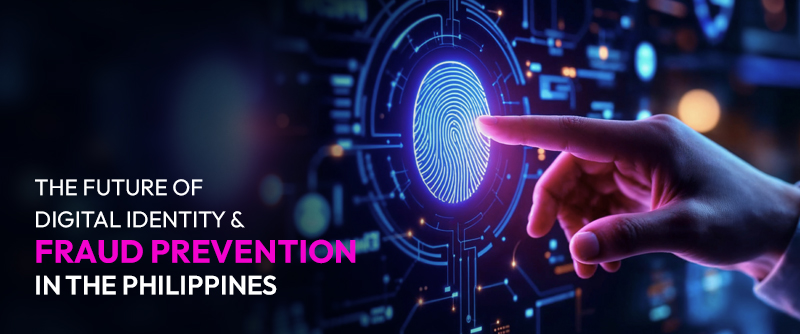
Biometric authentication: Such as fingerprint and facial recognition
AI-based verification systems: Detecting anomalies in real time
Behavioural analytics: Identifying unusual user activity patterns
The importance of cybersecurity in financial services is growing as institutions handle sensitive data and high-value transactions. Integrating security measures into every stage of the customer journey is essential for maintaining trust. Scalable identity systems also allow institutions to manage large user bases while maintaining accuracy and efficiency.
Regulatory Frameworks and Policy Direction
Regulation plays a critical role in shaping how digital identity and fraud prevention systems are implemented. In the Philippines, authorities are introducing frameworks that support innovation while ensuring security and compliance.
Key aspects include:
Development of fintech regulatory policies supporting digital identity adoption
Guidelines for data protection and privacy compliance
Requirements for secure authentication and transaction monitoring
Collaboration between regulators and financial institutions
Balancing user convenience with strong security measures remains a key challenge. Financial institutions must therefore align their systems with regulatory expectations while maintaining efficient service delivery.
Collaboration Across the Ecosystem
Addressing fraud and identity challenges requires collaboration across multiple stakeholders. Banks, fintech firms, telecom providers, and cybersecurity companies are working together to strengthen financial systems.
Key collaboration areas include:
Shared infrastructure for identity verification and authentication
Partnerships with technology providers for fraud detection tools
Industry initiatives to improve interoperability across platforms
Knowledge sharing to address emerging threats
Third-party vendors also play a role in delivering specialized solutions, helping institutions enhance their capabilities without building systems from scratch.
Future Outlook: Building Trust Through Secure Financial Systems
The future of financial services in the Philippines will significantly depend on the ability to build trust through secure and reliable systems. Digital identity and fraud prevention will continue to shape how institutions interact with customers.
Key trends expected to drive this evolution include:
Expansion of identity systems across financial and non-financial sectors
Increased use of AI and analytics in fraud detection
Cross-border collaboration for secure transactions
Greater focus on user trust and data protection
As digital services grow, institutions that prioritize security and transparency will be better positioned to attract and retain customers. For stakeholders, the focus should strongly remain on building systems that are both secure and scalable, supporting long-term growth and inclusion.
WFIS Philippines: Be Part of the Dialogue on Secure Financial Infrastructure in the Philippines
In the Philippines, digital identity and fraud prevention are boardroom imperatives. The institutions that build secure, scalable, and trusted identity frameworks today will be the ones customers and regulators rely on tomorrow.
These shifts are accelerating faster than many institutions can keep pace with — and falling behind is not an option. WFIS is exactly where the financial sector comes to get ahead of them.
Key Agenda Topics
‘Biometrics in FSI: Securing Identity, Accelerating Onboarding, and Building Consumer Trust’
‘AML and Financial Crime Intelligence: From Reactive Detection to Proactive Disruption’
‘Cyber Resilience as a Board-Level Priority: Protecting Financial Institutions in an Evolving Threat Landscape’
‘RegTech and Compliance Automation: Turning Regulatory Burden Into Competitive Advantage’
Attendee Profile
Chief Information Security Officers and technology leaders from leading Philippine FSIs
Fraud, risk, and compliance professionals driving institutional security strategy
Regulators and policymakers shaping the digital identity and data protection landscape
Cybersecurity solution providers and identity technology innovators
Trust is built or broken in the details of how institutions verify, protect, and serve their customers.
Whether you are working to close security gaps, navigate regulatory complexity, or build identity systems that scale, WFIS is where those solutions take shape.