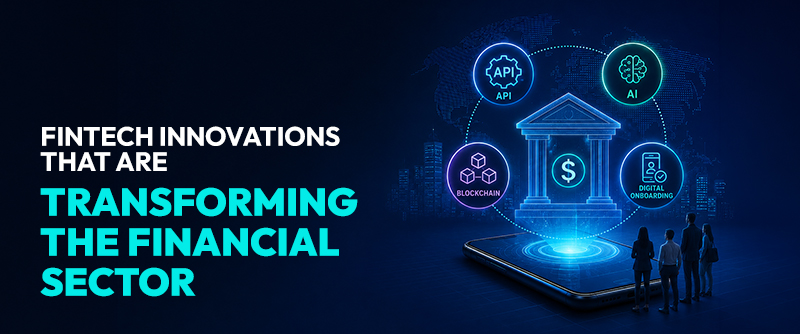
The rapid deployment of APIs, artificial intelligence, blockchain, and digital onboarding tools has significantly altered how financial services are delivered and consumed. These changes, largely driven by fintech technology, are redefining banking infrastructure, reducing operational costs, and making financial products more accessible. With events such as the World Finance Innovation Series (WFIS) Philippines 2026 coming to Manila’s doorstep, key stakeholders are now examining which technologies and models will shape the next phase of growth in the financial sector.
Key Areas of Fintech Technology Adoption in the Financial Sector
The core objective of fintech innovation is to improve efficiency, transparency, and reach. Unlike traditional systems that operate in silos, modern financial systems are increasingly interconnected. This shift is enabled by a few critical technologies:
Open Banking and APIs
Open banking has allowed third-party developers to build applications and services around financial institutions. By using APIs, banks can securely share data with fintechs, enabling customers to access a wide range of financial services through a single platform. According to PwC, over 60% of financial institutions are integrating open banking as a central part of their fintech transformation strategies.
Artificial Intelligence (AI)
AI is increasingly being used in fraud detection, credit scoring, customer support, and portfolio management. Financial firms are leveraging machine learning algorithms to reduce underwriting time and personalize customer recommendations. IDC forecasts that spending on AI in financial services will surpass $28 billion by 2025.
Blockchain and Distributed Ledger Technology (DLT)
Blockchain’s ability to record transactions transparently and immutably has opened up new models in payments, trade finance, and identity verification. Central banks are also exploring digital currencies that rely on DLT for secure issuance and real-time settlements.
Digital Identity and Biometric Authentication
Fintechs are using advanced identity verification tools to speed up KYC processes. Biometric solutions, including facial recognition and fingerprint scanning, are enabling secure onboarding and account access, particularly in remote banking scenarios.
How Fintech Transformation Strategies Are Redefining Banking Operations
Fintech has introduced new business models that traditional banks are now forced to either compete with or collaborate with. Challenger banks, for example, operate entirely online and offer services through mobile apps without the overhead of physical branches. These banks use fintech transformation strategies to reduce transaction costs and improve user experiences.
Payment service providers are also using real-time rails to offer faster fund transfers and improved reconciliation. Meanwhile, robo-advisory platforms are automating wealth management for retail investors, using algorithms to create personalized portfolios based on risk appetite and financial goals.
The rise of embedded finance—where financial services are integrated into non-financial platforms like e-commerce or logistics—demonstrates how fintech technology is changing where and how banking takes place. Consumers can now access lending, insurance, and investment tools directly within the platforms they use daily, bypassing traditional intermediaries.
Role of Digital Finance Conferences in Promoting Use-Case Driven Innovations
Digital finance conferences play a vital role in sharing knowledge, aligning policy, and accelerating adoption. These platforms allow regulators, service providers, and end users to understand what works, what needs improvement, and what models are scalable across markets. Conferences also showcase pilot projects and real-world case studies, which serve as references for broader implementation.
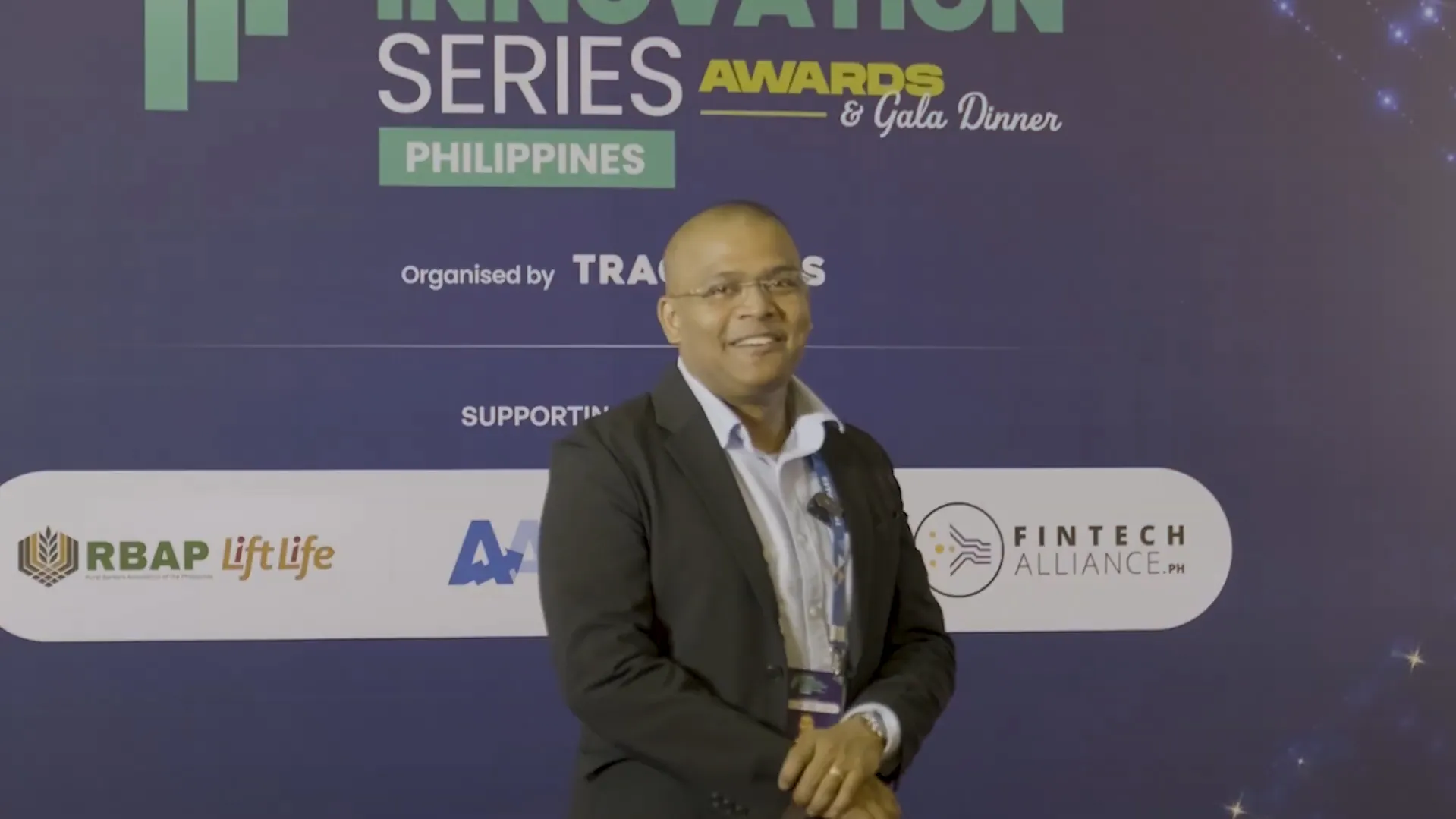
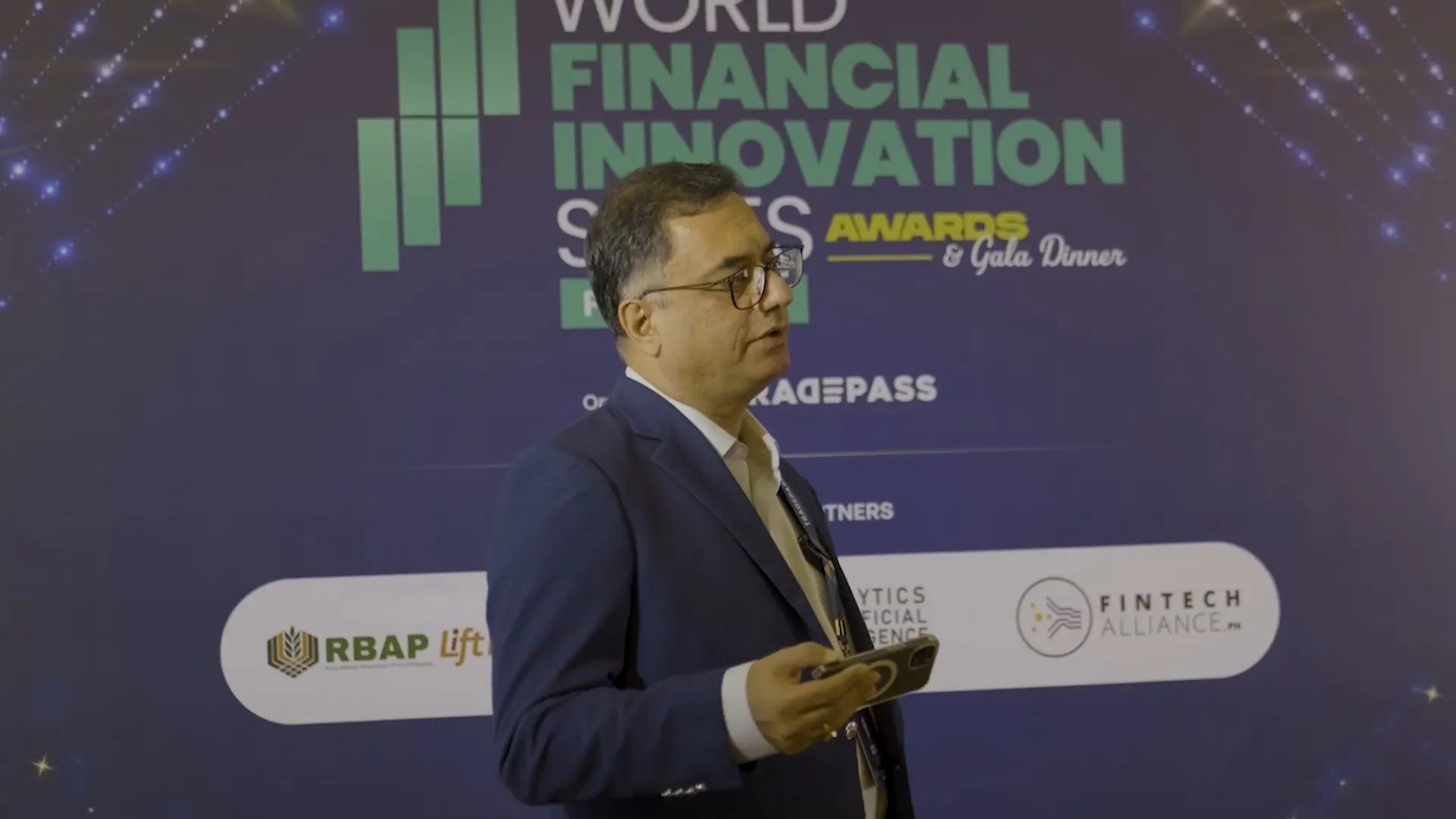
At the World Financial Innovation Series (WFIS) Philippines 2026, over 600 participants from banking, insurance, fintech, regulatory sectors and are expected to discuss strategies for digital transformation. The agenda will include sessions on digital banking frameworks, payment innovation, cyber risk, and embedded lending models. The event also facilitates technology showcase, networking meetings, and regulatory dialogues.
As the Philippines continues to advance digital payments and financial inclusion, WFIS will serve as a critical forum for identifying scalable solutions. The country’s central bank, Bangko Sentral ng Pilipinas (BSP), has already introduced guidelines on digital banking licenses and QR-based payments, and these themes will likely be at the center of many panel discussions.
Practical Benefits of Participating in a Financial Innovation Conference
Participation in a financial innovation conference offers direct business and strategic value. For solution providers, it is an opportunity to demonstrate capabilities and connect with financial institutions. For regulators and policymakers, these conferences provide feedback on real-world challenges and gaps in existing frameworks.
Financial executives attending such events can expect the following outcomes:
Insight into emerging technologies and vendor capabilities
First-hand understanding of regulatory priorities and implementation roadmaps
Opportunity to benchmark with peer institutions and discuss joint ventures
Exploration of fintech partnerships that align with their long-term goals
Startups, in particular, benefit from exposure to investors and pilot project opportunities. Many digital finance conferences now include startup showcases, where early-stage companies can pitch to banks and accelerators for potential funding or partnership.
What Fintech Leaders Should Focus on in the Next Innovation Cycle
The next wave of innovation will depend on how well fintech transformation strategies align with macroeconomic realities and compliance obligations. As interest rates, inflation, and cross-border data concerns reshape financial priorities, fintechs must build flexible and compliant solutions.
Key focus areas for upcoming years include:
Strengthening digital identity infrastructure for seamless onboarding
Enhancing cross-platform integration through open finance protocols
Expanding AI use cases in credit underwriting and compliance automation
Improving financial literacy tools within fintech platforms to encourage user retention
These goals require collaborative execution, and platforms like WFIS 2026 help lay the foundation through ecosystem dialogue and knowledge exchange.
Conclusion
Fintech technology is not just about software upgrades; it represents a systemic shift in how finance is delivered, accessed, and regulated. With the financial sector moving toward API-driven platforms, automated workflows, and data-informed decision-making, innovation is no longer optional. It is a competitive necessity.
Events like the World Financial Innovation Series (WFIS) Philippines 2026 will play a significant role in advancing this transformation. By bringing together policymakers, innovators, and finance professionals, such financial innovation conferences help accelerate the adoption of future-ready solutions. As institutions plan their next moves, engaging with the fintech community through structured forums and applying relevant fintech transformation strategies will be key to sustainable growth and market relevance.