Money today moves through apps, algorithms, and instant decisions. Credit scoring no longer depends only on paper trails. Investment advice is no longer limited to private bankers. Payments are no longer delayed by rigid bank cycles. These shifts are redefining how Filipinos borrow, save, invest, and plan. The growth of these so-called digital lending Philippines platforms, combined with new consumer finance models, is changing access to capital and financial confidence. At the same time, smarter tools powered by AI financial planning are helping users make clearer decisions. Together, these trends signal a deeper shift in how financial services fit into everyday life.
How Wealthtech Shapes Better Money Habits
Wealthtech platforms are changing how people think about saving and investing. Instead of complex products and long paperwork, users see dashboards, goals, and simple actions. Under wealthtech Philippines, many tools now focus on behavior, not just returns. They encourage regular saving, risk awareness, and long-term thinking.
These platforms break down large goals into manageable steps. Users can track progress toward education funds, emergency savings, or retirement. Visual feedback helps users stay consistent. Small nudges often replace formal advice. This approach works well for younger users who want control without pressure.
Wealthtech also improves access. People who never spoke to an advisor can now start investing with small amounts. Over time, these habits build financial resilience. As AI financial planning features improve, wealthtech tools will become even more personal and practical.
The New Push Behind BNPL Models
Buy now, pay later services have grown fast across retail and digital commerce. Buy now pay later fintech models appeal because they offer flexibility without traditional credit friction. For many users, BNPL feels simpler than credit cards and more transparent than loans.
Merchants benefit from higher conversion and larger basket sizes. Consumers benefit from short-term budgeting relief. The key lies in responsible design. Clear repayment schedules, fair fees, and real-time checks help prevent overuse. In markets like the Philippines, BNPL often acts as a first step into formal credit.
As the phenomenon “Digital Lending Philippines” matures, BNPL providers are refining risk models. They blend transaction data with user behavior to set limits. This balance keeps access open while protecting users. When aligned with financial education, BNPL can support smarter spending rather than impulse buying.
Digital Credit That Works With Real Needs
Digital credit has moved beyond quick cash loans. Today, platforms focus on use cases tied to real needs. Education, healthcare, small business growth, and emergency expenses now drive many credit products. This shift reflects a more thoughtful approach to digital lending Philippines.
Flexible repayment terms and transparent pricing build trust. Many platforms now adjust offers based on income patterns and usage history. This reduces default risk and improves user experience. Credit becomes a tool, not a trap.
Integration also matters. Digital credit often links with wallets, merchant apps, or payroll systems. This reduces friction and improves repayment discipline. When paired with insights from AI financial planning, users can see how borrowing fits into their broader financial picture. This context makes credit healthier and more sustainable.
AI Use for Smarter Planning
Artificial intelligence is reshaping how financial advice is delivered. Instead of static rules, systems learn from behavior and outcomes. AI financial planning tools analyze spending, saving, and income trends in real time. They adjust guidance as life changes.
For users, this means advice that feels relevant. Alerts warn about overspending. Suggestions adapt to goals and risk tolerance. Planning becomes ongoing, not a one-time task. This approach supports better habits without overwhelming users.
In wealthtech Philippines, AI helps bridge the advice gap. Many users cannot access human advisors. AI-driven tools offer a practical alternative. They also scale easily, reaching millions at low cost. As data quality improves, AI will play a larger role in guiding both investments and credit decisions.
Enabling Inclusive Growth with Fintech Partnerships at WFIS – Philippines
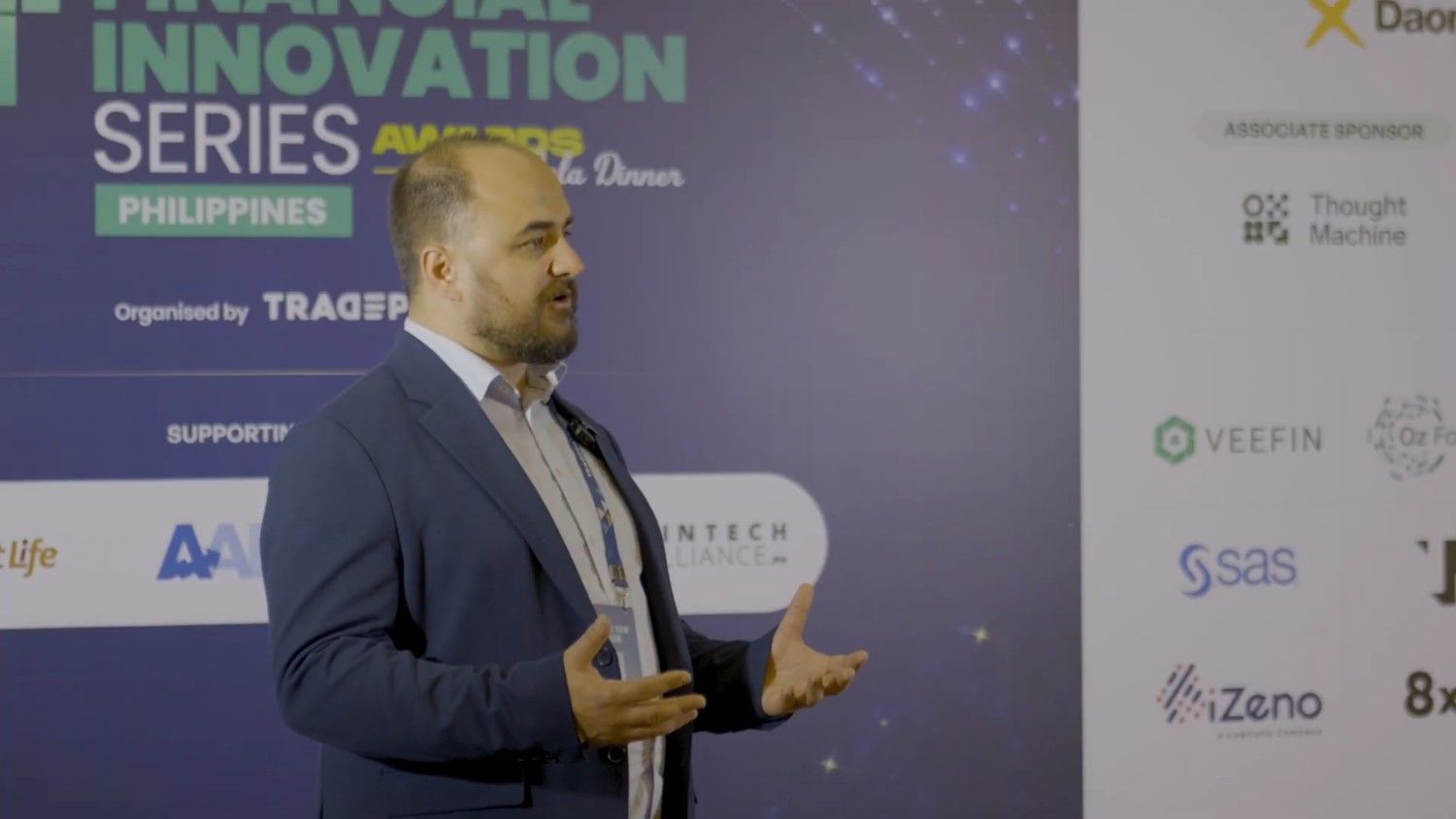
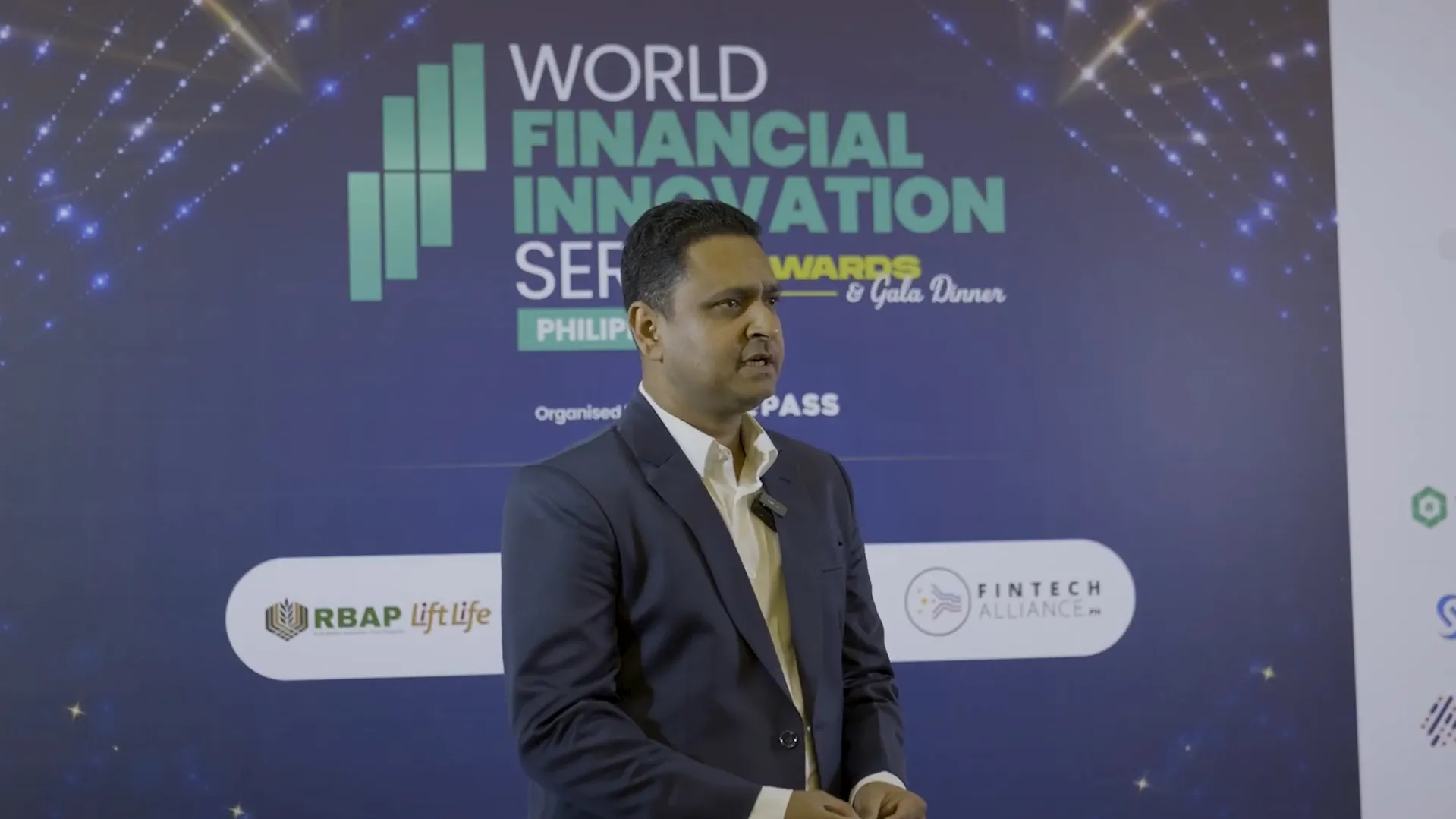
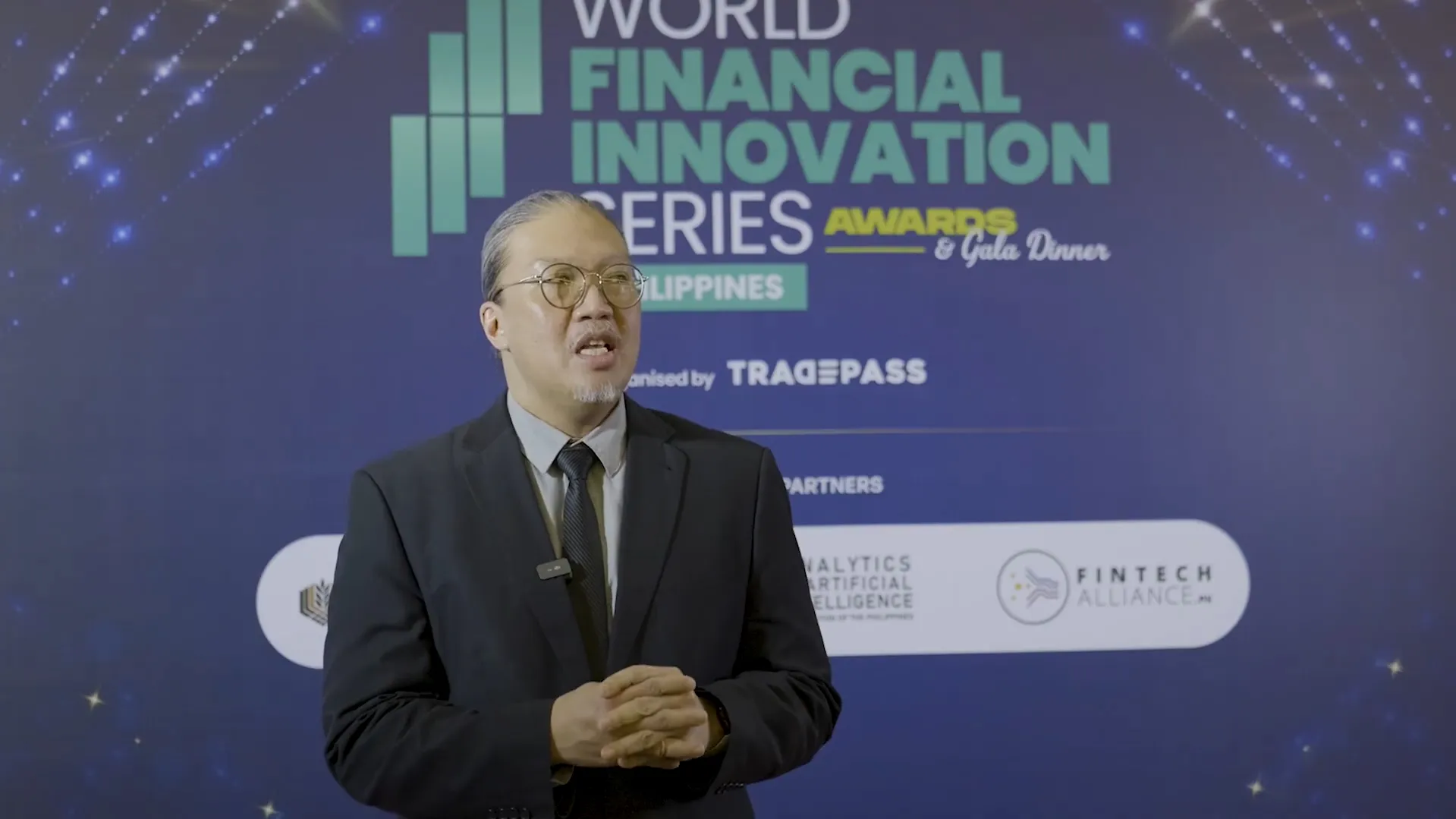
The World Financial Innovation Series (WFIS) Philippines brings together banks, fintechs, regulators, microfinance heads, insurance experts and technology leaders shaping the future of finance. This platform highlights how partnerships drive inclusion across lending, payments, wealthtech, and AI-driven services.
What to Expect
Deep discussions on digital credit and wealth platforms
Real use cases of AI financial planning in action
Collaboration between banks and fintech innovators
Upcoming Event Details
Event: World Financial Innovation Series (WFIS) Philippines 2026 Date: 25–26 August 2026 Venue: Manila, Philippines
Reserve Your Pass
Be part of the conversations shaping the future of finance in the Philippines. Join industry leaders, innovators, and decision-makers at WFIS Philippines 2026. Gain insights into buy now pay later fintech, wealth platforms, and digital lending Philippines models driving real impact. Register today and stay ahead of the next wave of financial innovation.