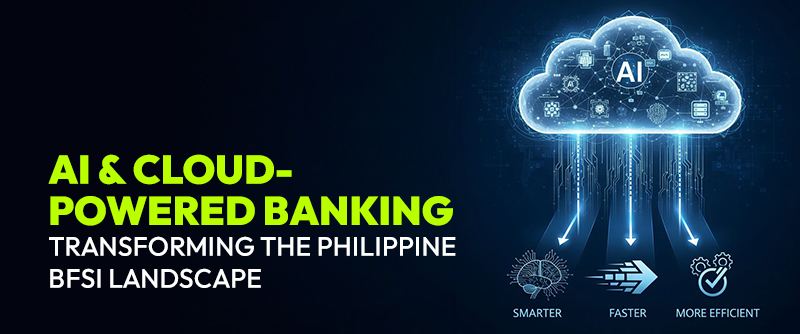
The Philippine banking sector is entering a new phase of technology-led growth as financial institutions accelerate investments in AI and cloud infrastructure. Across the country, banks, fintech firms, and lending institutions are modernising operations to improve customer engagement, strengthen compliance, and expand financial accessibility.
From intelligent fraud monitoring to automated lending systems, AI and cloud platforms are helping institutions respond to changing customer expectations while improving operational efficiency. As initiatives in digital transformationcontinue to gain momentum, financial leaders are increasingly focusing on scalable and intelligent banking ecosystems that support long-term growth across an increasingly connected BFSI Philippines market.
How AI and Cloud Are Redefining Banking Operations in the Philippines
AI and cloud technologies are reshaping banking operations in the Philippines by replacing traditional branch-dependent processes with connected, intelligent financial systems. Financial institutions are adopting automation, predictive analytics, and cloud infrastructure to simplify workflows, reduce turnaround time, and improve customer engagement.
One of the strongest indicators of change within the BFSI sector in the Philippines is the rapid adoption of cloud-enabled banking systems. Institutions such as UnionBank of the Philippines and Cantilan Bank have invested in cloud-based infrastructure to centralise operations and enable real-time access to customer data across channels.
AI-powered systems are also helping banks improve decision-making capabilities. Intelligent credit scoring models now assess borrower eligibility faster by analysing spending patterns, transaction behaviour, and alternative financial data. This reduces loan processing timelines while improving risk evaluation accuracy.
Customer service operations are also becoming more efficient through AI-enabled automation. Cloud-hosted customer support systems now allow banks to offer 24/7 assistance through chatbots, virtual assistants, and automated workflows. This has significantly improved customer response times while reducing dependency on manual service processes.
Another major shift is happening in lending transformation. More than 30% of financial institutions are planning to move lending operations to cloud platforms to modernise outdated systems and improve customer onboarding experiences. The rise of cloud-native core banking infrastructure is enabling faster deployment of lending products, simplified integrations, and better scalability.
Modernising Core Banking Infrastructure for Growth
Many Philippine banks are gradually moving away from legacy banking systems that limit flexibility, increase operational costs, and slow product innovation. Traditional infrastructure often creates data silos, delays deployment cycles, and increases maintenance expenses.
To address these limitations, financial institutions are adopting cloud-native core banking models that support scalability, automation, and faster innovation. Cloud-first infrastructure enables banks to launch new services more efficiently while improving interoperability across digital channels.
Modern core banking systems also support:
Real-time transaction processing
Faster account onboarding
Improved API integrations
Better data analytics capabilities
Centralised operational visibility
Banks implementing cloud infrastructure can reduce hardware dependency and optimise operational spending through pay-as-you-scale models. This allows financial institutions to allocate resources more effectively while maintaining high service availability.
Faster deployment capabilities are another advantage. Product launches that once required months of backend integration can now be completed within weeks using modular cloud-based systems. This flexibility is becoming increasingly important as competition intensifies between traditional banks, fintech companies, and digital-only institutions.
As programs in digital transformation continue to expand, core banking modernisation is becoming a strategic priority for institutions seeking long-term operational efficiency and customer growth
Enhancing Customer Experience Through Intelligent Banking Systems
Customer expectations are rapidly changing across the Philippine banking sector. Consumers now expect personalised services, faster approvals, instant transactions, and consistent experiences across mobile, web, and branch channels.
AI-powered banking systems are helping institutions meet these expectations through intelligent data analysis and customer behaviour insights. Banks can now recommend financial products based on spending patterns, savings goals, transaction history, and borrowing behaviour.
AI-driven customer engagement is further reshaping how financial institutions interact with their clients. Key applications include:
Personalised loan recommendations
Automated investment suggestions
Smart budgeting tools
Predictive customer support
Real-time transaction alerts and fraud notifications
The shift towards omnichannel banking is just as crucial. Customers today expect seamless, uninterrupted access to their finances regardless of how or where they choose to engage — whether through mobile apps, internet banking portals, branch visits, contact centres, or digital payment platforms. Intelligent cloud infrastructure is what makes that consistency possible, allowing institutions to deliver a unified experience across every touchpoint.
Real-time banking capabilities are improving service delivery as well. Customers can now receive instant payment confirmations, immediate account updates, and faster dispute resolution.
This shift towards intelligent banking systems is expected to become a major discussion area at every leading banking technology event focused on banking innovation and customer engagement strategies in Southeast Asia.
Security, Compliance, and Risk in Cloud-Based Banking
Security and compliance remain central priorities as Philippine financial institutions expand cloud adoption and AI implementation. Banks are currently operating within a hybrid security framework that balances innovation with strict regulatory oversight from the Bangko Sentral ng Pilipinas (BSP). Institutions are investing heavily in cybersecurity infrastructure to address increasing threats such as ransomware, social engineering attacks, identity fraud, and account takeover attempts.
AI-driven fraud prevention systems are playing a major role in strengthening transaction monitoring capabilities. These tools help banks identify suspicious activity patterns, automate threat detection, and improve incident response times.
Several financial institutions in the Philippines are also participating in collaborative cyber defense initiatives where organisations share intelligence and threat monitoring information to strengthen sector-wide security preparedness.
Third-party risk management has become another major focus area. As more institutions outsource cloud infrastructure and digital operations, banks remain fully accountable for data security, operational continuity, and compliance management. This has increased demand for:
Vendor auditing
Cloud security assessments
Access control monitoring
Data encryption frameworks
Incident response planning
Compliance with the Philippine Data Privacy Act remains mandatory for all financial institutions operating cloud-based environments. Banks are implementing stricter data governance policies to ensure customer information protection and faster breach response capabilities.
The BSP continues to strengthen IT Risk Management (ITRM) guidelines for cloud adoption. Financial institutions must conduct comprehensive risk assessments before outsourcing critical systems and include right-to-audit clauses within vendor agreements.
At the same time, some large traditional institutions continue facing challenges with outdated KYC infrastructure and fragmented operational systems. These limitations can slow innovation and create inefficiencies compared to digitally advanced competitors.
Strategic Priorities for BFSI Leaders and Technology Providers
For banking executives, technology providers, and transformation leaders, AI and cloud adoption has become a long-term operational strategy.
Financial institutions are prioritising investments in:
AI-powered analytics
Cloud migration strategies
Intelligent automation
Scalable infrastructure
Cybersecurity modernisation
Digital lending ecosystems
Technology partnerships are also becoming increasingly important. Banks are collaborating with fintech firms, cloud providers, cybersecurity companies, and AI solution vendors to accelerate implementation timelines and improve operational capabilities.
Long-term planning is critical for successful transformation. Institutions must balance innovation goals with compliance requirements, operational stability, customer trust, and cost management.
As regional competition increases, financial leaders attending every major banking technology event are expected to focus on practical strategies that improve operational agility while supporting sustainable business growth.
Explore AI and Cloud Banking Strategies at WFIS!
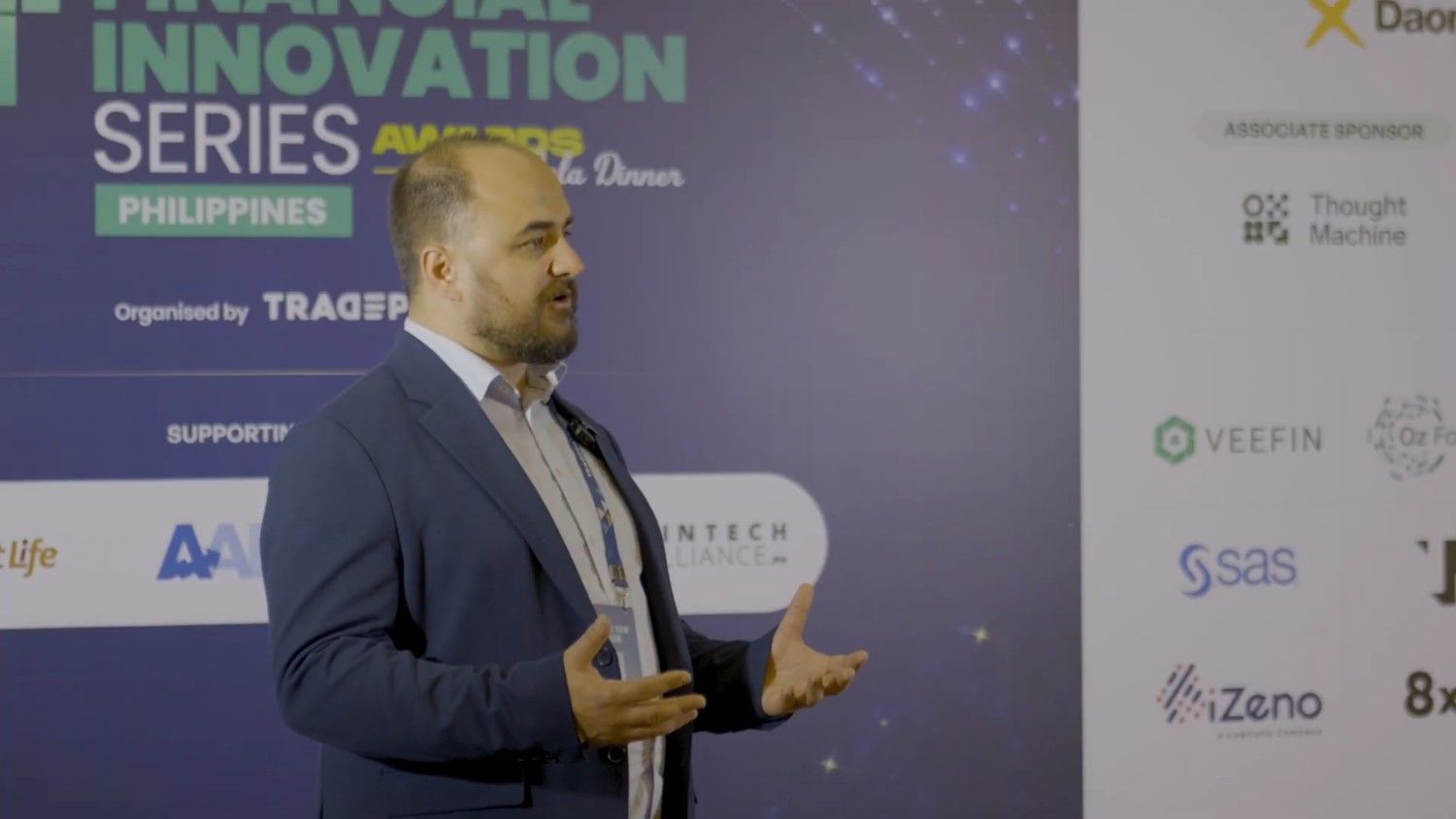
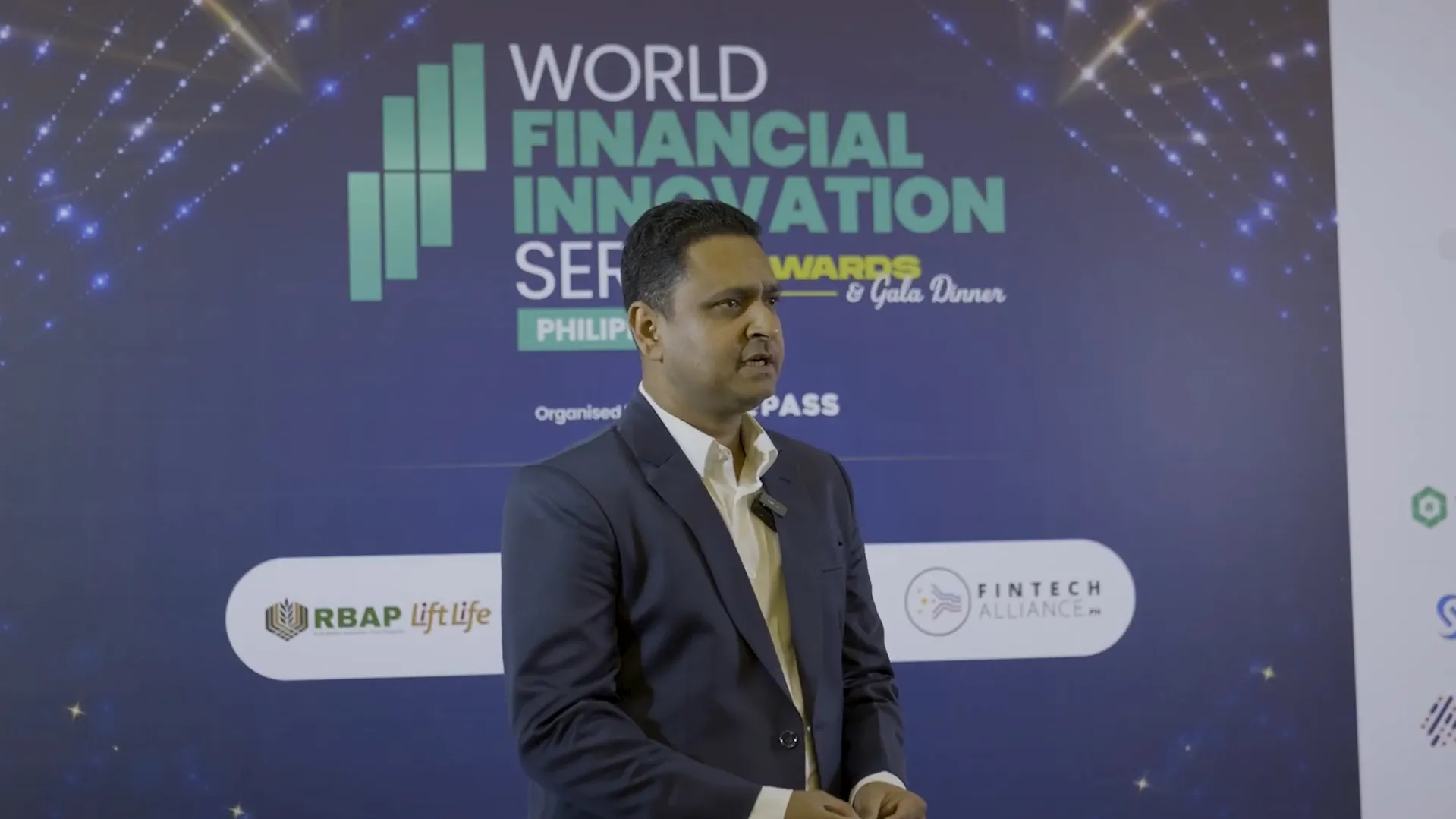
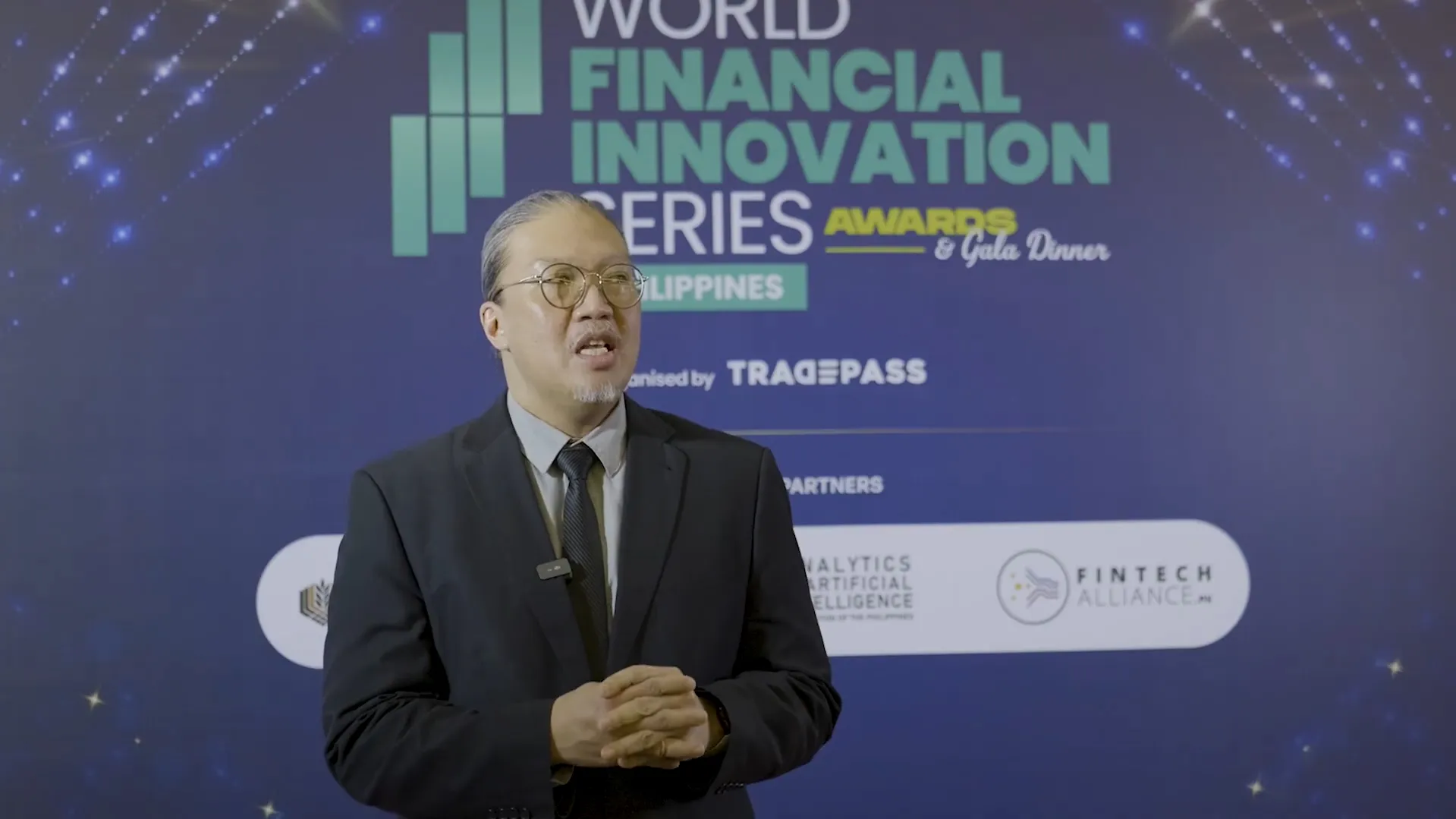
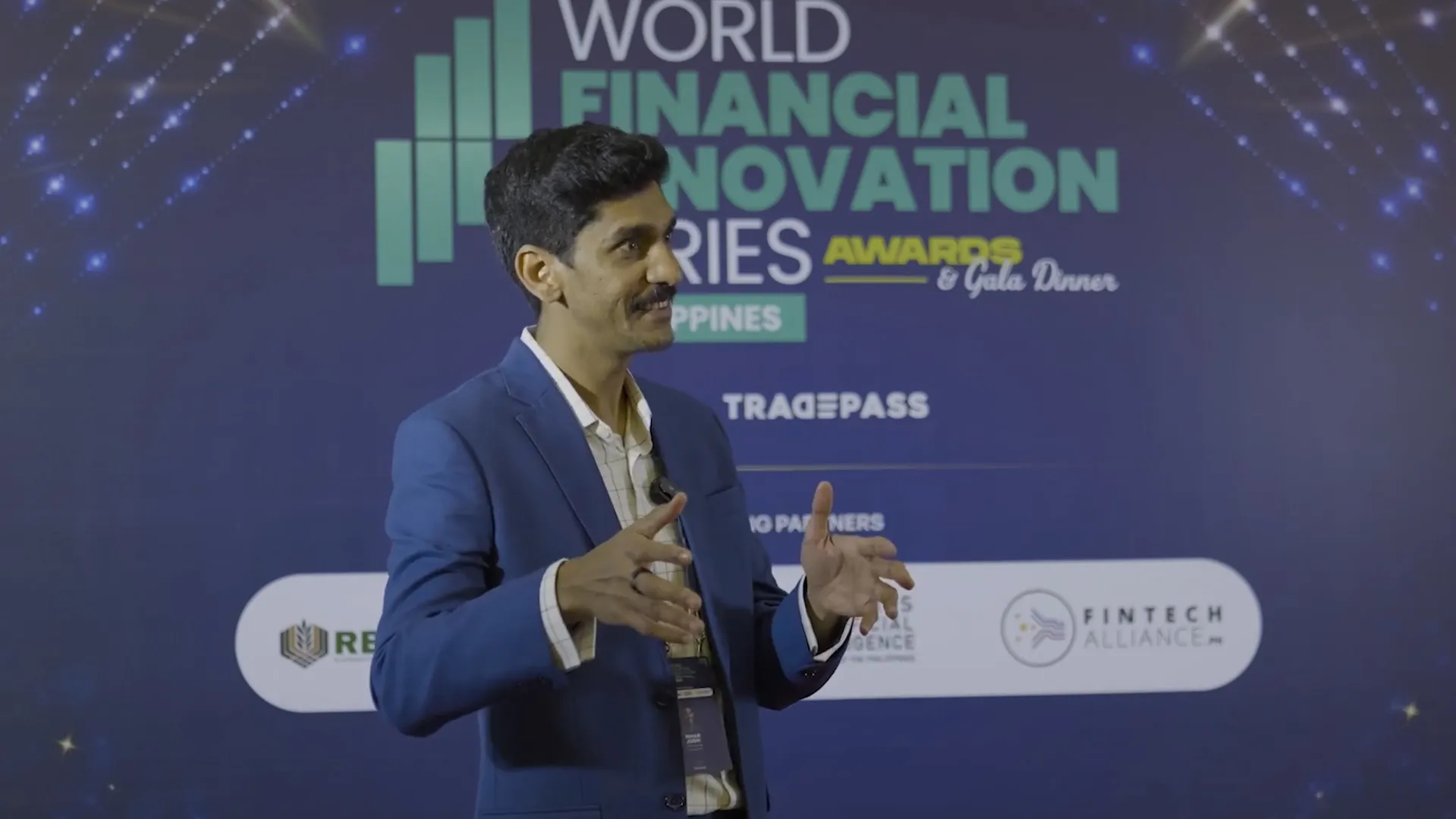
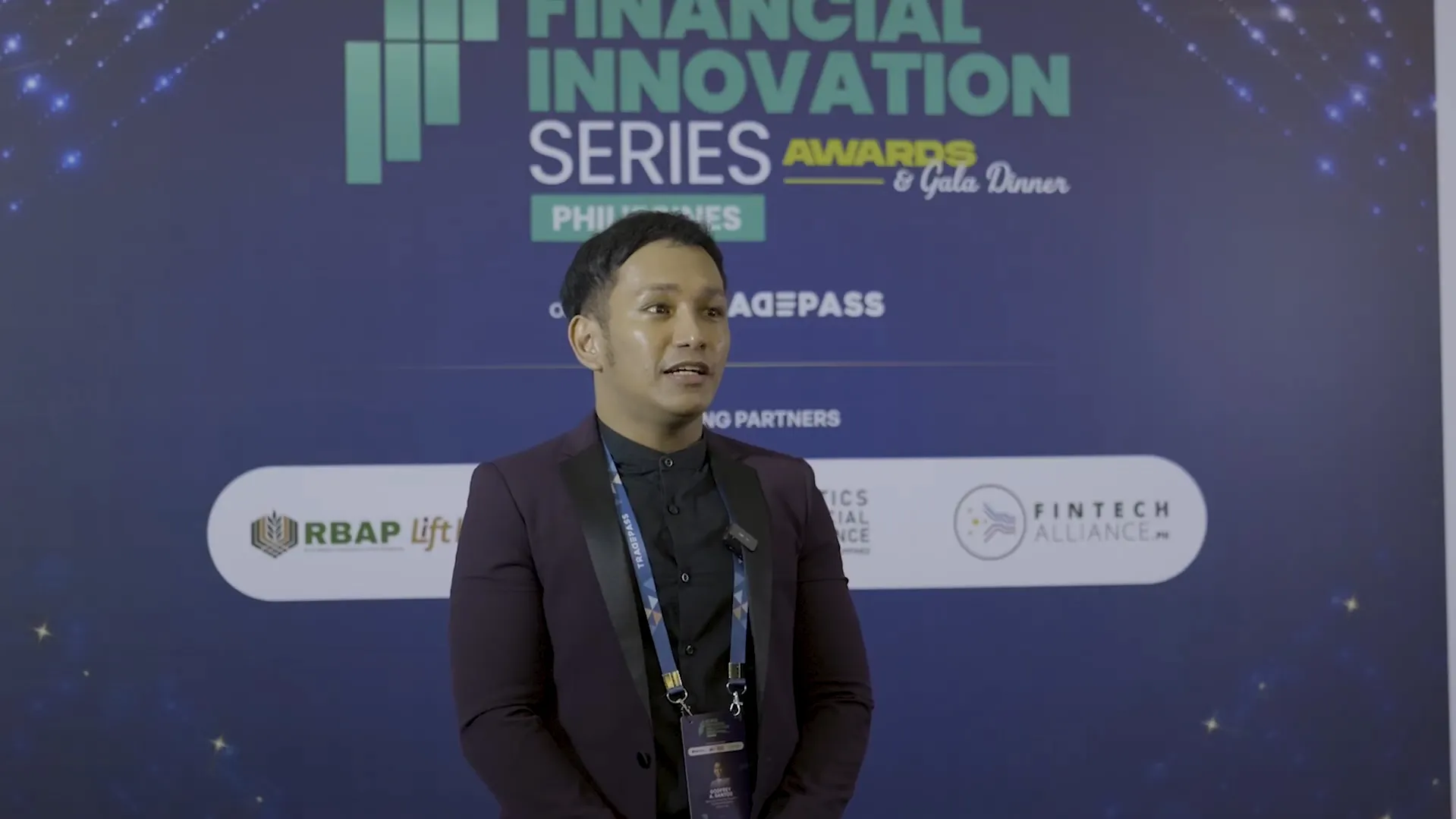
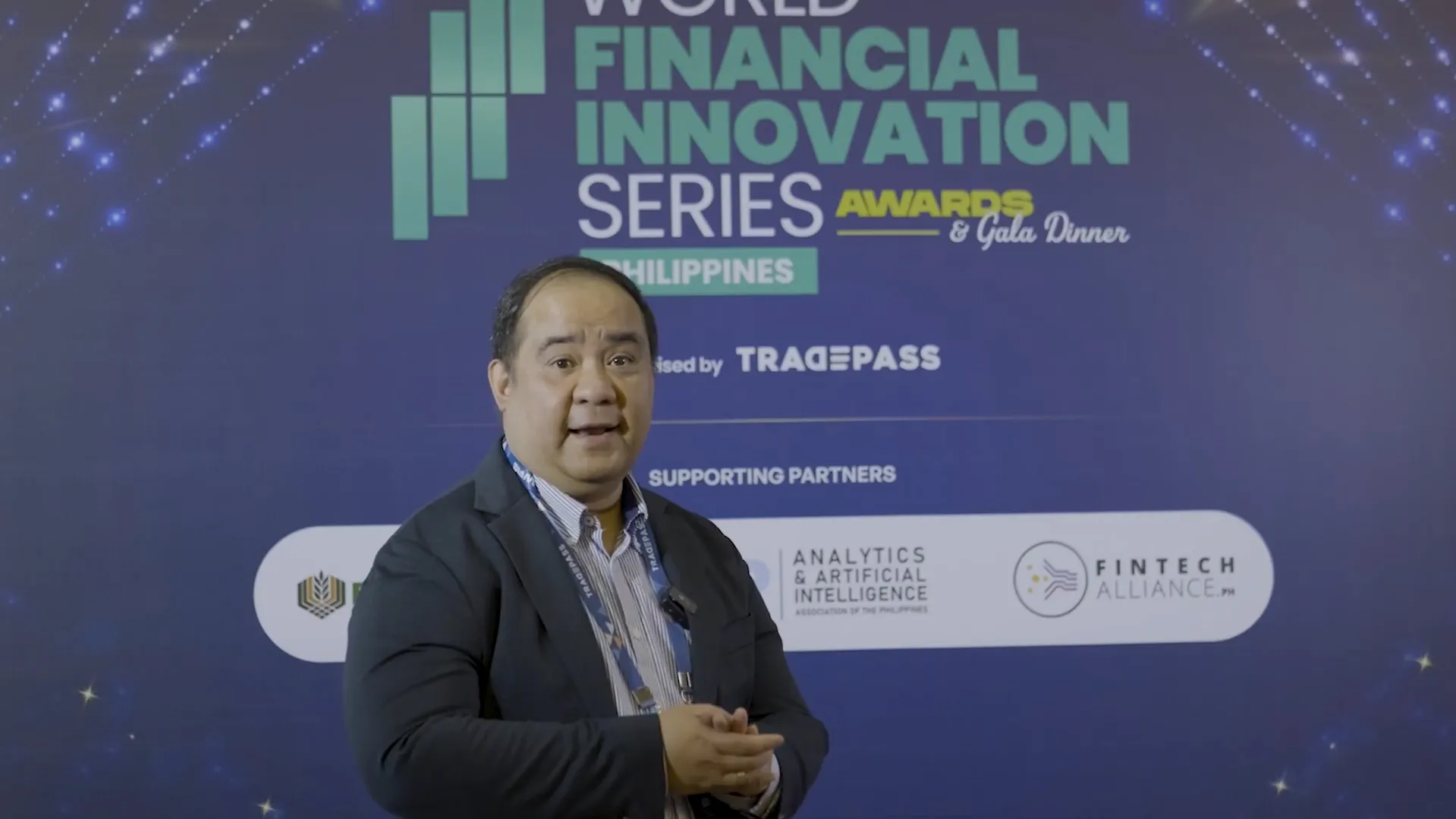
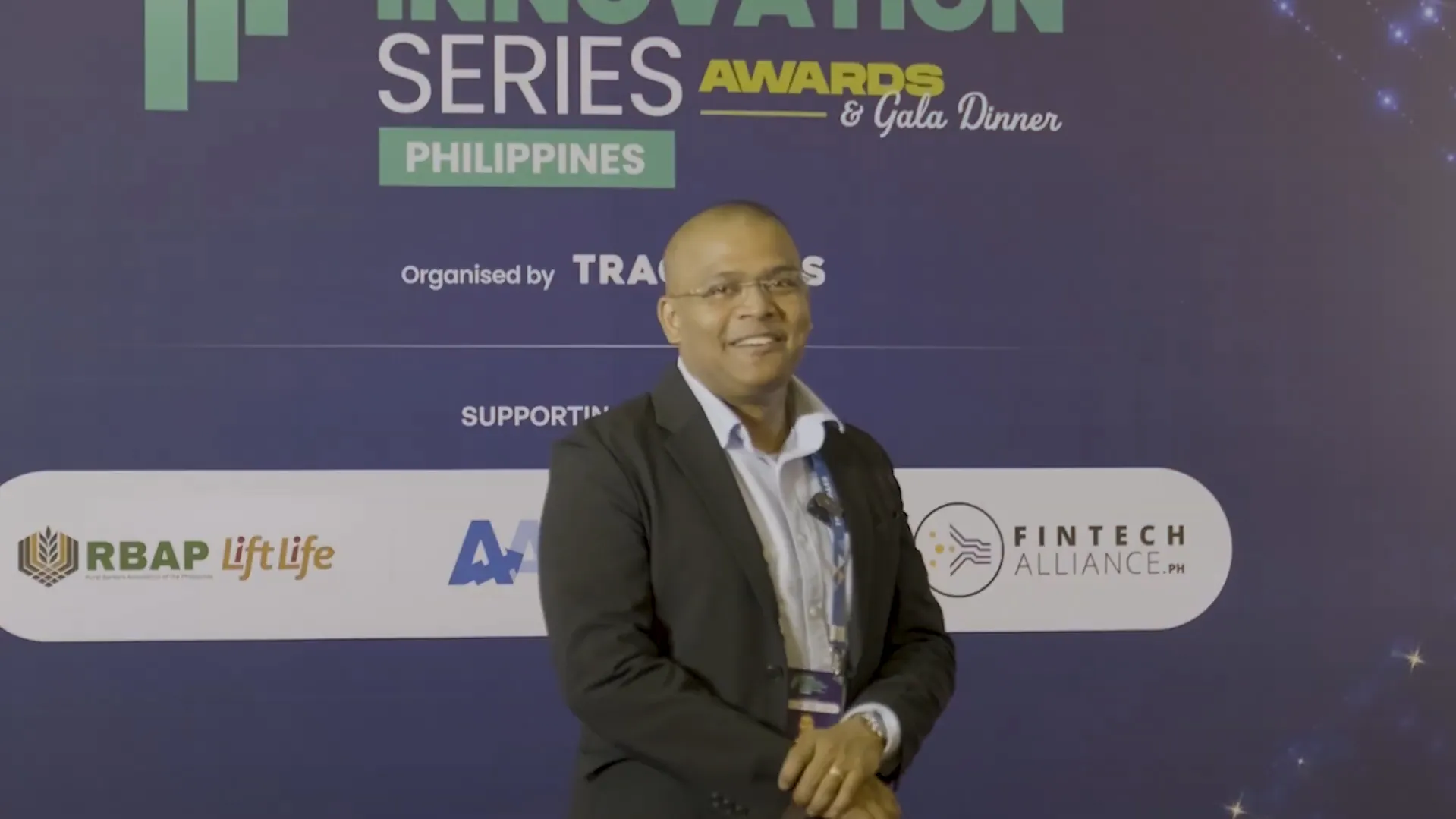
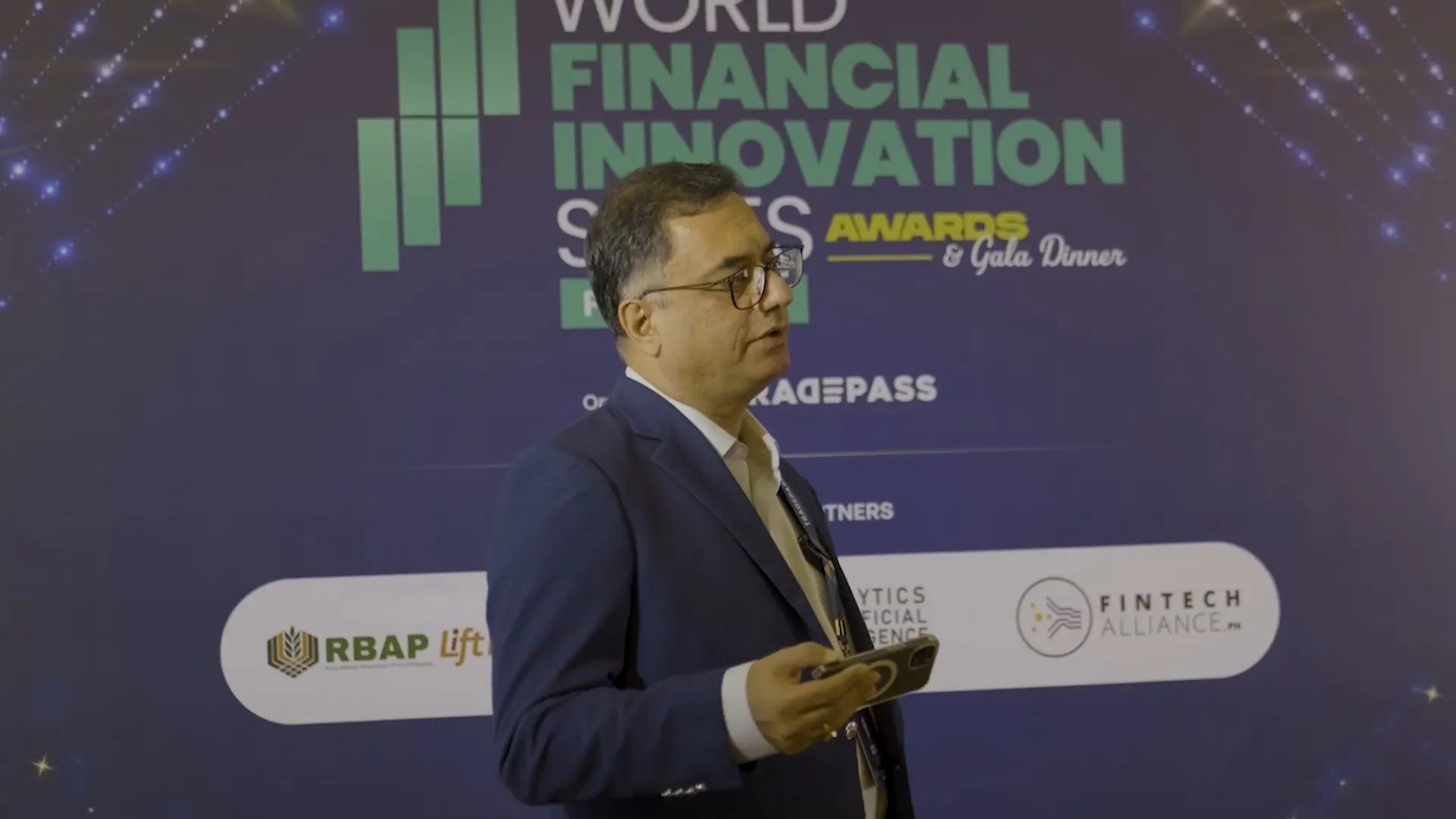
The upcoming World Financial Innovation Series (WFIS) in the Philippines will bring together banking leaders, technology providers, policymakers, fintech innovators, and transformation experts shaping the future of Philippine finance.
Scheduled on 25–26 August 2026 at the Manila Marriott, the event will feature discussions on AI, cloud infrastructure, cybersecurity, compliance, and digital banking strategies. For delegates, sponsors, and C-suite executives, WFIS 2026 – Philippines offers a valuable platform to build partnerships, exchange insights, and explore next-generation financial innovation opportunities.
Frequently Asked Questions (FAQs)
1. How is AI improving banking operations in the Philippines?
AI is helping Philippine banks automate customer service, strengthen fraud detection, improve credit scoring accuracy, and deliver faster financial services while reducing operational costs and manual processing efforts.
2. What are the benefits of cloud-native core banking systems?
Cloud-native core banking systems support faster service deployment, real-time data processing, scalable infrastructure, lower maintenance costs, and improved integration across digital banking and payment platforms.
3. Why is cloud adoption increasing in the BFSI Philippines sector?
Financial institutions across the BFSI Philippines sector are adopting cloud platforms to modernise legacy systems, improve operational efficiency, strengthen security capabilities, and deliver better customer banking experiences.
4. How do AI-powered banking systems improve customer experience?
AI-powered banking platforms provide personalised financial recommendations, instant transaction monitoring, automated customer support, and omnichannel banking experiences that improve convenience and customer engagement across digital channels.
5. What can attendees expect from WFIS 2026 – Philippines?
WFIS 2026 – Philippines will feature banking leaders, policymakers, fintech experts, and technology providers discussing AI, cloud banking, cybersecurity, compliance strategies, and future financial innovation opportunities across the Philippines.