2026 Edition Has Been Concluded Successfully! See You All In 2027!2026 Edition Has Been Concluded Successfully! See You All In 2027!2026 Edition Has Been Concluded Successfully! See You All In 2027!2026 Edition Has Been Concluded Successfully! See You All In 2027!
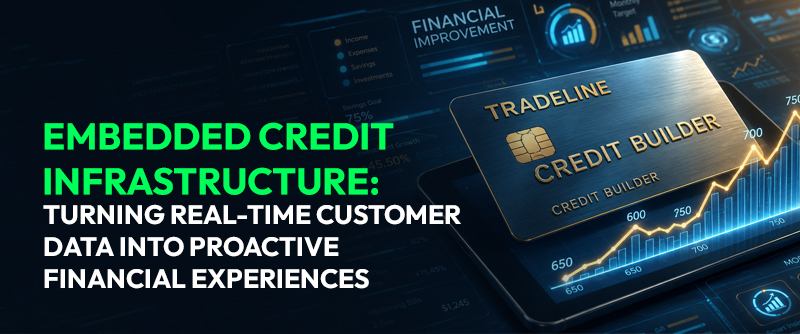
The institutional deployment of credit across the Philippines is undergoing a structural shift. Traditional lending frameworks often isolate underserved micro, small, and medium enterprises (MSMEs) due to strict collateral demands and extensive processing timelines. However, the rise of modern fintech technology is altering this dynamic by embedding credit directly into commercial operations. By deploying modular architectures, institutions can extend capital right at the point of transaction.
This analytical overview explores how decentralized networks and visual development frameworks dismantle capital delivery barriers, aligning corporate strategy with regulatory priorities to advance modern financial access across the archipelago.
Deconstructing the Embedded Finance Stack: Connecting Balance Sheets to Merchant Frontends
Embedded credit in the Philippines connects regulated balance sheets to merchant frontends via APIs. It solves the working capital gap for unbanked MSMEs by integrating banking infrastructure into everyday B2B SaaS, e-commerce, and logistics platforms.
The architecture bridging the capital provider and the end-user consists of four primary layers:
The Merchant Frontend Layer (Distribution): The end-user point of interaction. Instead of visiting a bank, merchants access credit, payments, and insurance natively within their existing software environments. Key platforms include PayMongo, Mynt, and GrowSari, where deep transaction data replaces traditional collateral.
The Middleware Layer (Integration): Translates complex banking protocols into accessible developer tools like APIs and SDKs. This layer manages authentication, data routing, and compliance, spearheaded by open finance aggregators like Brankas to allow rapid deployment without building compliance software from scratch.
The BaaS / Gateway Layer (Orchestration): Banking-as-a-Service (BaaS) provides the regulated infrastructure, allowing non-bank SaaS platforms to offer financial products. Key operators like Netbank and Rizal Commercial Banking Corporation (RCBC) manage ledgering, KYC, and AML obligations on behalf of the merchant-facing app. This operating model serves as an important banking solution that Philippine corporations utilize to scale their ecosystem reach.
The Balance Sheet Layer (Capital Providers): The ultimate source of funds. Regulated financial institutions hold the capital and underwrite loans based on platform data. Key providers like GoTyme Bank, Maya Bank, and local rural banks provide immediate working capital directly to merchants within their daily workflows.
The Low-Code/No-Code Shift: Bypassing Traditional IT Development Timelines
The low-code/no-code (LCNC) shift is restructuring the tech sector, helping businesses bypass traditional IT bottlenecks. Instead of relying purely on heavy software programming, business units use visual drag-and-drop interfaces to build enterprise applications, optimizing deployment speeds.
The Rise of ‘Citizen Developer’
Democratization of Tech: Philippine enterprises are actively training non-IT staff — particularly finance and operations teams — to build custom internal systems.
Bridging the Operational Gap: Platform providers like Kissflow highlight that empowering these individuals addresses deep operational gaps, allowing teams to build tools without waiting in development queues.
Efficiency Gains: LCNC platforms are significantly more affordable and up to twice as fast as traditional software development, making them attractive to local corporate branches.
Challenges & Hybrid Adoption
Governance Risks: While low-code/no-code (LCNC) platforms empower business users to build applications quickly, they can also introduce governance challenges.
The Hybrid Strategy: Enterprise experts advise a hybrid strategy. LCNC is ideal for rapid prototyping and internal automation, while traditional programming remains strictly retained for high-security, core banking layers.
Market Outlook & AI Integration
Exponential Growth: Low-code is forecast to account for over 70% of new enterprise application activities globally, matching an expanding market exceeding $44 billion.
API Synergy: Modern tools integrate plug-and-play APIs and artificial intelligence, allowing organizations to prepare their operations for data processing.
Alternative Underwriting: Using Non-Traditional Telemetry for Inclusive Credit Scoring
To bridge the credit gap, financial entities are turning away from rigid historical credit scores toward real-time telemetry. Alternative underwriting models collect data from day-to-day business operations, including inventory turnover frequencies, supply chain invoice patterns, utility payments, and mobile wallet cash flows.
By processing these behavioral footprints through predictive algorithms, capital providers accurately evaluate risk without demanding physical assets. This shift expands the addressable market, turning thin-file merchants into qualified borrowers while keeping default rates predictable.
Governance at the Edge: Balancing Rapid Front-End Iteration with Institutional Risk Management
Accelerated front-end iteration requires rigorous backend control to protect institutional stability. Regulators and executives face the challenge of matching rapid LCNC application deployment with strict anti-money laundering (AML), data privacy, and fraud prevention protocols. Achieving equilibrium depends on automated compliance guardrails built into the middleware layer. This setup ensures that while front-end interfaces adapt quickly to market demands, core compliance rules remain uncompromised, maintaining total alignment with national financial inclusion policies.
Experience the Future of Digital Lending at WFIS!
The rapid evolution of the Philippine fintech landscape is further accelerating the need for executive-led collaboration on credit modernization and digital financial innovation. At the World Financial Innovation Series (WFIS), leading industry executives, government officials, regulators, and policymakers will come together under one roof at the Manila Marriott on August 25–26, 2026 to explore the future of financial services, with discussions focused on low-code transformation, open banking, AI-driven lending, alternative credit scoring, and more.
Join senior decision-makers to gain actionable insights, discover emerging technologies, strengthen organizational capabilities, and forge strategic partnerships that will shape the next generation of financial services in the Philippines.
Register today.
Frequently Asked Questions (FAQs)
How does embedded credit infrastructure optimize institutional risk distribution?
It integrates structured capital deployment into transactional software, utilizing real-time merchant data feeds to continuously monitor credit risk and reduce underwriting friction.
In what ways do low-code frameworks accelerate enterprise deployment timelines?
By utilizing standardized visual development interfaces, institutions bypass traditional engineering bottlenecks, allowing operational teams to rapidly launch customer-facing financial applications.
What variables drive alternative underwriting models within thin-file market segments?
These models evaluate transactional telemetry, including e-commerce cash flows, utility data, and supply chain invoices, to establish creditworthiness without relying on traditional institutional credit histories.
How is corporate governance maintained across decentralized low-code architectures?
Compliance is enforced by hardcoding regulatory guardrails, data encryption standards, and AML logic directly into the centralized API middleware orchestration layer.
What strategic objectives govern the WFIS summit?
The forum brings together corporate leaders, regulators, and policymakers to align capital strategies with open finance frameworks, fostering institutional growth, innovation, and financial inclusion across the region.