2026 Edition Has Been Concluded Successfully! See You All In 2027!2026 Edition Has Been Concluded Successfully! See You All In 2027!2026 Edition Has Been Concluded Successfully! See You All In 2027!2026 Edition Has Been Concluded Successfully! See You All In 2027!
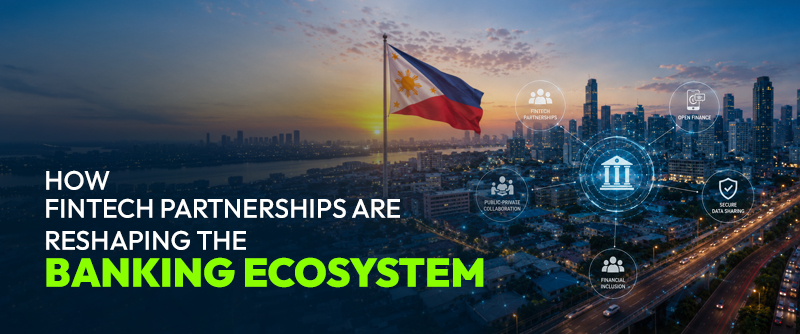
The future of banking depends on how effectively financial institutions connect technology, regulation, and customer access. Across the Philippines, collaboration between banks, fintech firms, regulators, and technology providers is creating stronger financial networks that improve inclusion, reduce service gaps, and expand digital access.
According to the Bangko Sentral ng Pilipinas (BSP), digital payments accounted for over 55% of retail payment transactions in 2023, reflecting the country’s continued shift towards a digital economy. As institutions pursue innovation while maintaining security and compliance, partnerships have become central to sustainable banking growth and long-term financial development.
Why Collaboration Is Defining the Next Phase of Banking
Traditional banking models alone cannot address the financial needs of millions of underserved Filipinos. Instead, banks are increasingly working with fintech companies, digital wallet providers, cloud service providers, and technology firms to create faster, more accessible financial services.
One of the strongest examples is the collaboration between banks and digital wallet platforms such as GCash and Maya, which has expanded access to lending, savings, remittances, and digital banking services across both urban and rural communities. Through these partnerships, financial institutions have been able to reach underserved populations that traditional branch networks have historically struggled to serve.
Several factors continue to accelerate this collaborative ecosystem:
Scaling Financial Inclusion
The BSP’s 80×80 Financial Inclusion Strategy aims to ensure that 80% of Filipino adults own transaction accounts and that 80% of retail payments are conducted digitally by 2028. Achieving these ambitious targets requires strong collaboration among banks, fintech companies, telecommunications providers, and government agencies, as coordinated partnerships are more effective than isolated initiatives in expanding financial inclusion.
Transition to Open Finance
The BSP’s Open Finance Framework enables secure customer-authorized data sharing through APIs, allowing banks, insurers, and investment firms to provide more connected financial services.
This shift is supported by growing open finance supporters across the financial sector that promote interoperability while maintaining strong data protection standards.
Seamless Digital Infrastructure
Banks are replacing isolated technology stacks with connected ecosystems integrating cloud computing, digital identity verification, API management, and embedded finance. These integrations improve customer experiences while simplifying operational processes.
Cross-Border Payments
International remittances remain critical to the Philippine economy, contributing nearly US$38 billion in personal remittances during 2024. Collaborative initiatives such as Project Nexus aim to connect domestic instant payment systems, reducing transfer costs and settlement times.
Advanced Risk and Compliance
Financial institutions increasingly work with cybersecurity firms and regtech providers to strengthen fraud monitoring, anti-money laundering compliance, identity verification, and real-time transaction monitoring as cyber risks continue to increase.
Building Strong Public-Private Financial Ecosystems
Long-term financial growth depends on cooperation between governments, regulators, banks, development institutions, and private enterprises. Strong public-private partnerships continue to support infrastructure development while creating wider access to financial services.
Recent reforms supported by the World Bank, the Asian Development Bank (ADB), and the Philippine government encourage investments that strengthen both physical and financial infrastructure.
Key developments include:
Infrastructure Development: The updated Public-Private Partnership Code streamlines investment into transport, healthcare, renewable energy, and digital infrastructure projects.
Digital Payments: Government social programs increasingly utilize fintech platforms to distribute financial assistance quickly and securely to underserved communities.
Inclusive Business Models: Support from the Board of Investments and ADB encourages businesses to integrate low-income communities into supply chains and formal financial systems.
Climate Finance: Financial institutions and insurers collaborate on disaster resilience programs, parametric insurance products, and sustainable financing for vulnerable sectors.
These initiatives demonstrate how collaboration extends beyond banking to strengthen the country’s broader economic foundation.
Open Finance Creating New Opportunities
Open Finance is changing how consumers and businesses access financial products by giving customers greater control over their financial information.
Instead of relying only on conventional banking records, institutions can evaluate customer needs using broader financial data with customer consent. This creates opportunities for more inclusive financial services while maintaining regulatory safeguards.
Some of the most significant benefits include:
Alternative Credit Assessment: Digital payment history, utility bills, and e-wallet activity help improve lending decisions for individuals and MSMEs with limited credit history.
Personalized Financial Services: Banks and fintech firms can offer customized savings, insurance, investment, and lending products based on verified customer preferences.
Better Financial Awareness: Consolidated account information enables individuals to monitor spending patterns and improve financial planning.
Supported by progressive BSP regulations, increasing smartphone penetration, and expanding digital infrastructure, the Philippine banking ecosystem continues to create new opportunities for both financial institutions and consumers through innovative banking solutions.
Strategic Partnerships Driving Banking Innovation
Successful banking partnerships now extend across multiple areas of financial services.
Banks increasingly collaborate with fintech startups for digital lending, AI-powered customer service, payment innovation, embedded finance, and financial analytics. Technology companies contribute cloud infrastructure, cybersecurity platforms, API management, and identity verification solutions, while regulators continue strengthening governance frameworks that encourage responsible innovation.
Industry collaboration is also improving support for MSMEs by expanding access to working capital, supply chain financing, and digital payment acceptance. Meanwhile, partnerships with academic institutions and technology communities are helping financial organizations develop skilled talent capable of supporting future banking requirements.
As customer expectations continue changing, institutions that build strong collaborative networks will be better positioned to introduce secure, scalable, and customer-focused financial services.
Creating a Future-Ready Financial Ecosystem
The Philippine banking sector is entering a new phase where collaboration delivers greater value than isolated innovation. Banks, fintech firms, regulators, technology providers, and development organizations are collectively building an ecosystem that supports inclusion, strengthens cybersecurity, improves digital payments, and expands financial access.
Future success will depend not only on adopting new technologies but also on establishing trusted partnerships that balance innovation with governance, security, and customer confidence.
Shape the Future of Banking at WFIS Philippines!
The questions facing Philippine banking have evidently moved towards the crucial issue of how it will be governed, financed, and scaled. Decisions around interoperability, cybersecurity, AI adoption, financial inclusion, and cross-sector partnerships will shape the industry’s direction over the coming years, making dialogue between regulators, financial institutions, technology providers, and policymakers increasingly important.
Those conversations continue at the World Financial Innovation Series (WFIS) in the Philippines, taking place on 25–26 August 2026 at the Manila Marriott. The event brings together financial institutions, C-suite executives, technology innovators, government officials, policymakers, sponsors, and delegates to examine the practical issues influencing Philippine banking.
Register today.
Frequently Asked Questions (FAQs)
1. Why are fintech partnerships becoming important for Philippine banks?
Fintech partnerships help banks expand digital services, improve financial inclusion, strengthen payment infrastructure, enhance customer experience, and introduce innovative products while maintaining regulatory compliance and operational efficiency.
2. What is Open Finance in the Philippines?
Open Finance enables customers to securely share their financial data with authorized providers, allowing banks and fintech companies to deliver personalized financial products, alternative lending, and integrated financial services.
3. How do public-private partnerships benefit the banking ecosystem?
Public-private partnerships encourage investment in digital infrastructure, payment systems, financial inclusion initiatives, and national development projects while improving collaboration between government agencies and private financial institutions.
4. How are fintech collaborations improving financial inclusion?
Banks and fintech companies jointly provide digital wallets, microloans, affordable payment solutions, and accessible financial products that reach underserved individuals, rural communities, and small businesses across the Philippines.
5. Why should banking leaders attend WFIS 2026 – Philippines?
WFIS 2026 – Philippines offers opportunities to connect with industry leaders, regulators, technology providers, investors, and policy makers while exploring emerging banking trends, fintech innovations, strategic partnerships, and future regulatory developments