2026 Edition Has Been Concluded Successfully! See You All In 2027!2026 Edition Has Been Concluded Successfully! See You All In 2027!2026 Edition Has Been Concluded Successfully! See You All In 2027!2026 Edition Has Been Concluded Successfully! See You All In 2027!
The Philippine financial sector is responding to stronger regulatory expectations while supporting broader financial inclusion and technology adoption. Institutions must strengthen fraud prevention, improve governance, and maintain customer trust as regulations become more comprehensive.
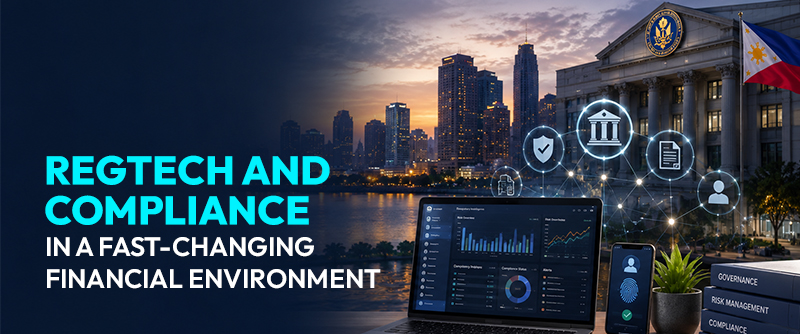
Regulatory Technology (RegTech) is helping banks, insurers, fintech firms, and payment providers automate compliance, improve reporting accuracy, and manage risk more efficiently. As new frameworks continue to emerge, organisations that align compliance with innovation are better positioned to meet supervisory expectations while supporting sustainable growth across the country’s financial ecosystem.
The New Compliance Landscape for Philippine Financial Institutions
The Philippine compliance environment is being shaped by the implementation of the Anti-Financial Account Scamming Act (AFASA) and the Bangko Sentral ng Pilipinas (BSP) Artificial Intelligence Governance Framework. These measures require financial institutions to strengthen fraud controls while introducing responsible AI practices.
AFASA requires BSP-supervised financial institutions to deploy automated, real-time Fraud Management Systems capable of identifying suspicious behaviour using behavioural analytics, transaction monitoring, and device verification. The objective is to stop fraudulent activity before losses occur.
At the same time, BSP’s STARS framework establishes five principles — Sustainability, Transparency, Accountability, Responsibility, and Security — to guide AI deployment. Financial institutions must maintain documented governance processes, risk assessments, and oversight mechanisms as AI adoption increases.
How RegTech Is Modernizing Compliance Operations
RegTech combines Artificial Intelligence (AI), Machine Learning (ML), cloud computing, and advanced analytics to simplify regulatory compliance. Instead of relying on manual reviews and fragmented reporting, organisations can automate compliance processes while improving accuracy and reducing operational costs.
In the Philippines, institutions are increasingly investing in RegTech solutions to meet expanding fintech regulatory policies while responding more efficiently to regulatory updates.
Key applications include:
Anti-Money Laundering (AML): Real-time monitoring identifies unusual transactions much faster than manual reviews, helping institutions satisfy BSP and AMLC requirements.
Customer Verification (KYC): Digital onboarding, biometric authentication, facial recognition, and database validation accelerate customer verification while improving security.
Regulatory Reporting: Automated platforms consolidate data from multiple business systems to produce audit-ready reports with fewer manual interventions.
This shift enables compliance teams to spend more time managing strategic risk rather than administrative processes.
Digital Finance Policies Shaping Future Banking
The BSP’s digital finance policy continues supporting broader financial inclusion while encouraging responsible innovation. The Digital Finance Industry Roadmap targets 80% financial inclusion and 80% digital payments by 2028.
Several initiatives are driving this transformation:
AI Governance (STARS Framework): Financial institutions are expected to implement responsible AI governance supported by clear accountability and documented risk management.
Open Finance Framework: Secure customer-authorised data sharing enables more personalised financial products while encouraging greater competition.
Digital Banking Expansion: Additional digital banking participants continue increasing consumer choice, improving accessibility, and supporting underserved communities.
Together, these initiatives encourage innovation while reinforcing regulatory oversight and consumer protection.
Compliance as a Competitive Advantage
Compliance is increasingly recognised as a business enabler rather than solely a regulatory obligation. Organisations with mature governance frameworks can strengthen customer confidence, improve operational efficiency, and respond more effectively to supervisory expectations.
According to industry research, financial institutions globally continue increasing investment in compliance technology as regulatory complexity grows and financial crime becomes more sophisticated. Automated compliance programmes also reduce reporting errors and improve audit readiness.
Industry discussions at every leading financial services conference increasingly focus on balancing innovation with stronger governance, highlighting compliance as an important driver of long-term institutional credibility.
Aligning Innovation with Long-Term National Growth
The Philippines continues strengthening its financial sector through coordinated efforts involving regulators, financial institutions, technology providers, and policymakers. Responsible innovation supports economic growth when accompanied by effective governance, consumer protection, and transparent oversight.
Collaboration across public and private sectors will remain essential as AI, digital payments, open finance, and cybersecurity continue shaping financial services. Continued dialogue ensures regulations remain practical while supporting innovation that benefits businesses and consumers alike.
Connect with Regulatory Leaders at WFIS!
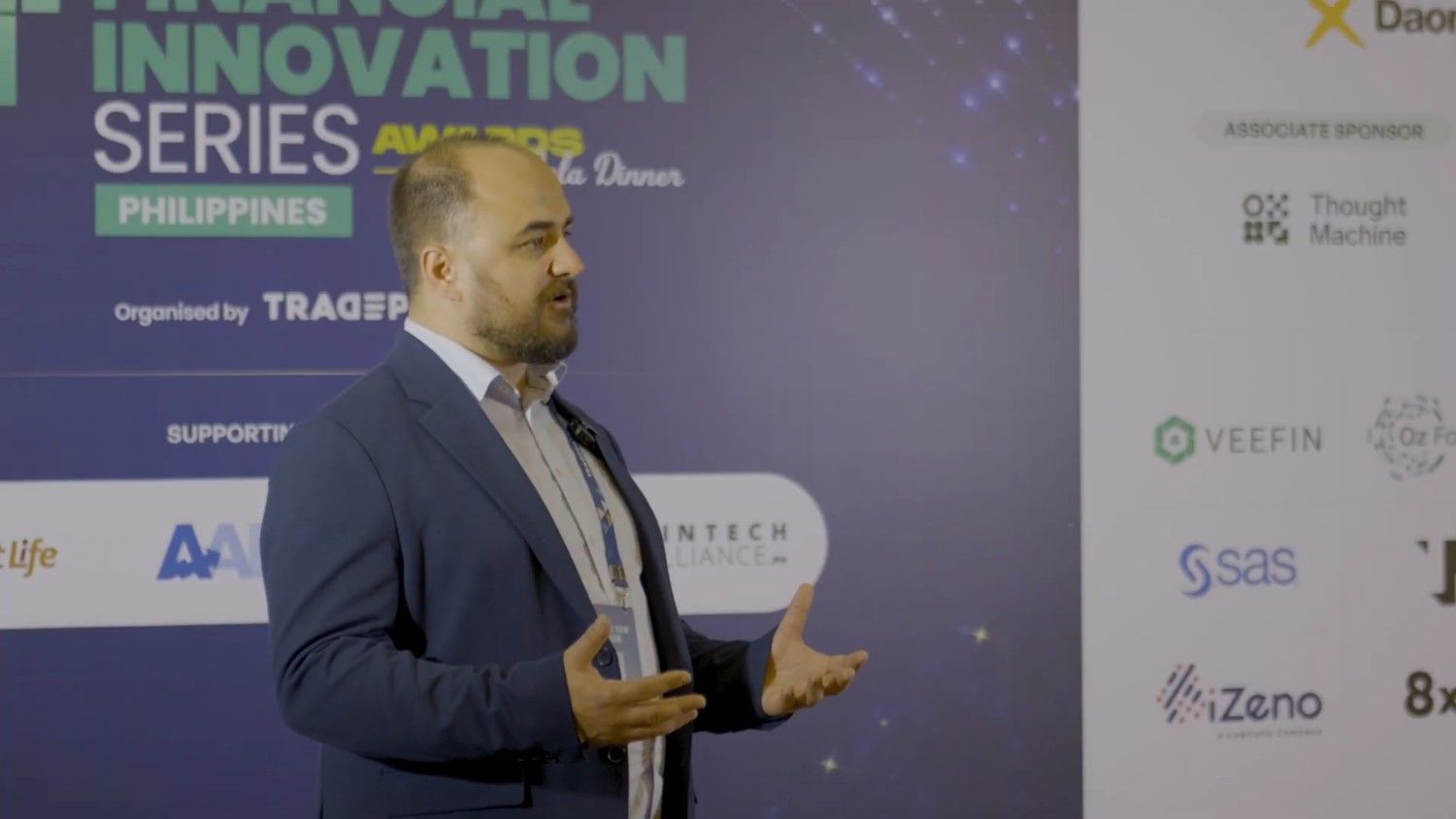
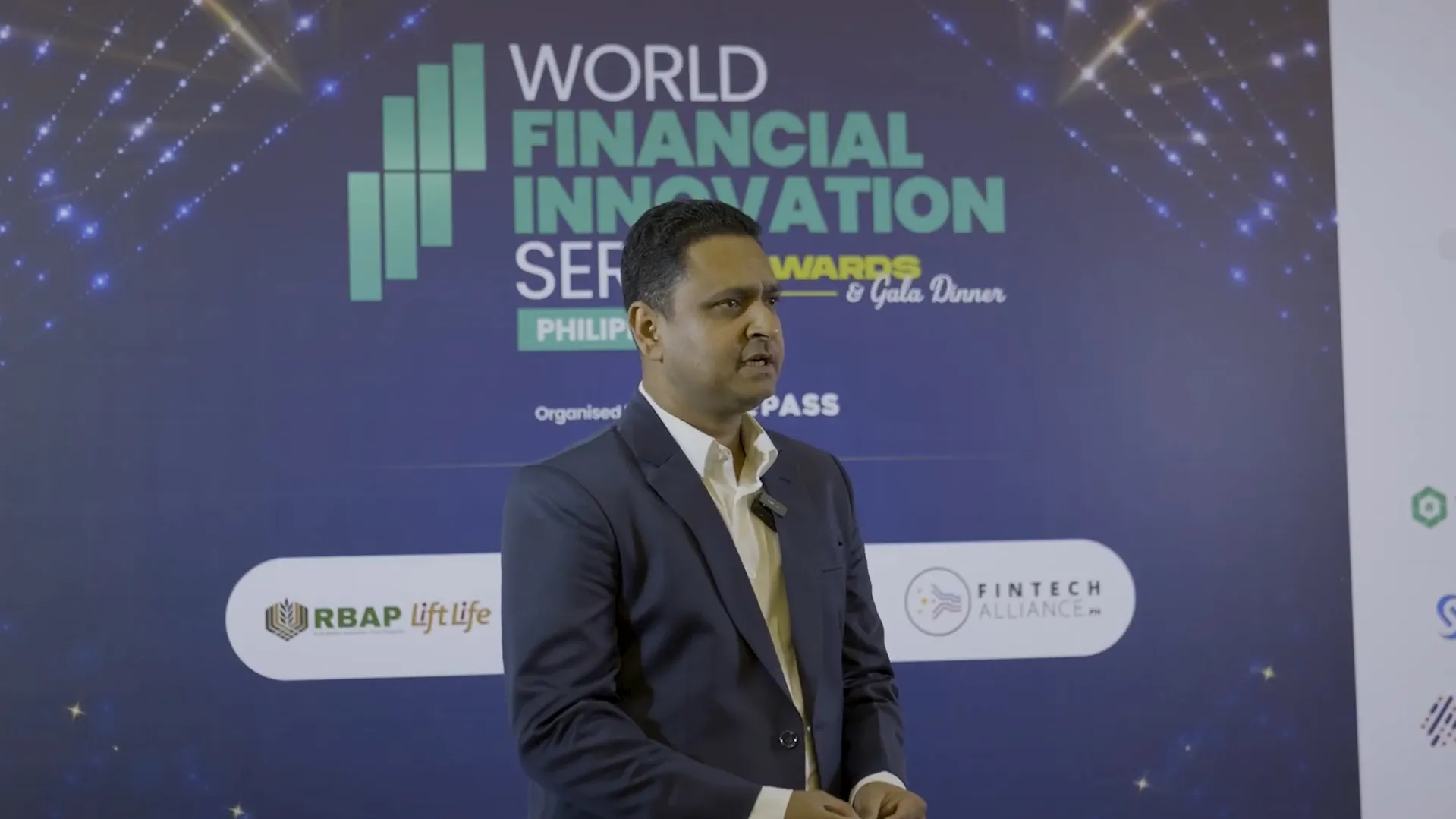
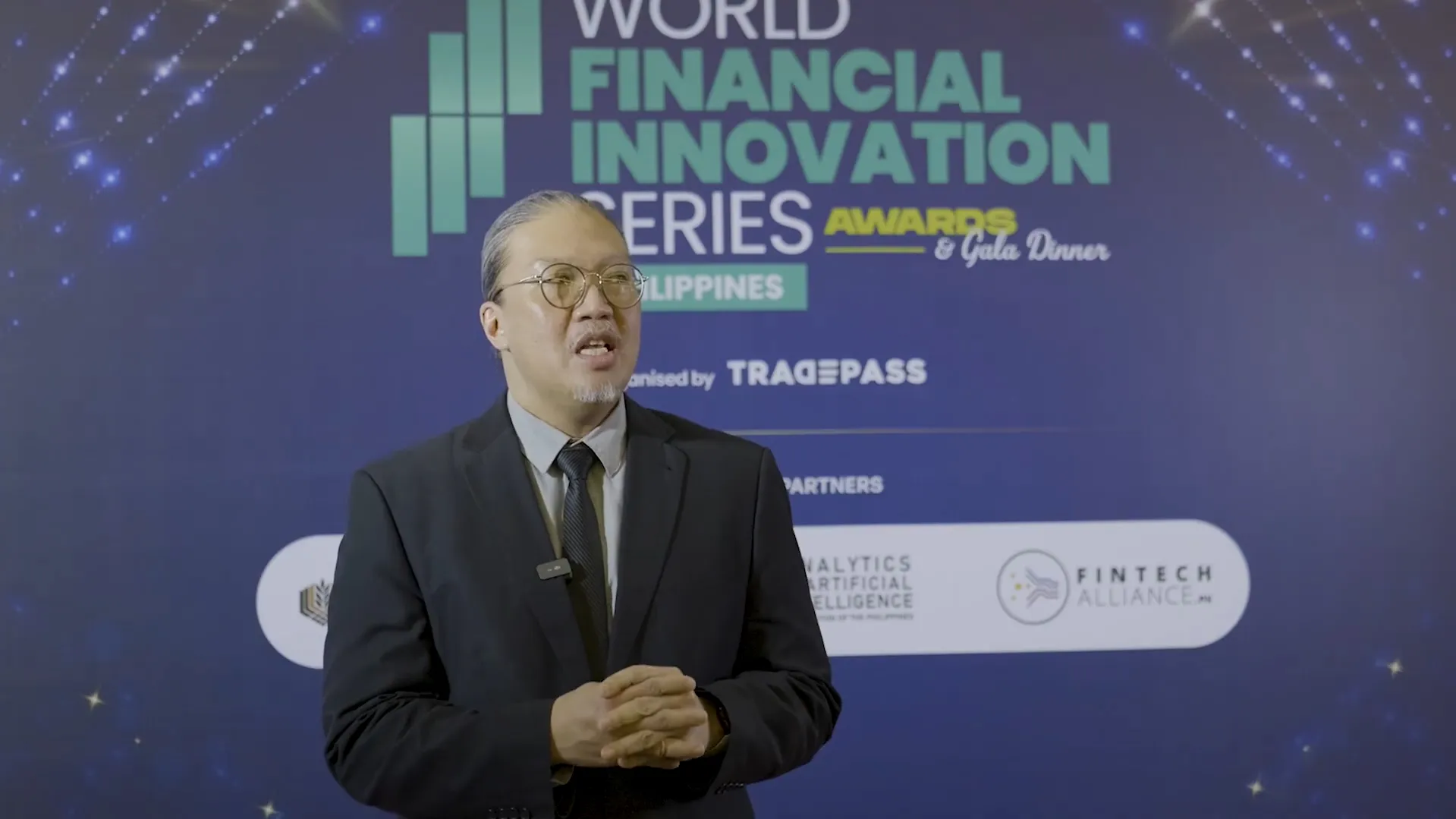
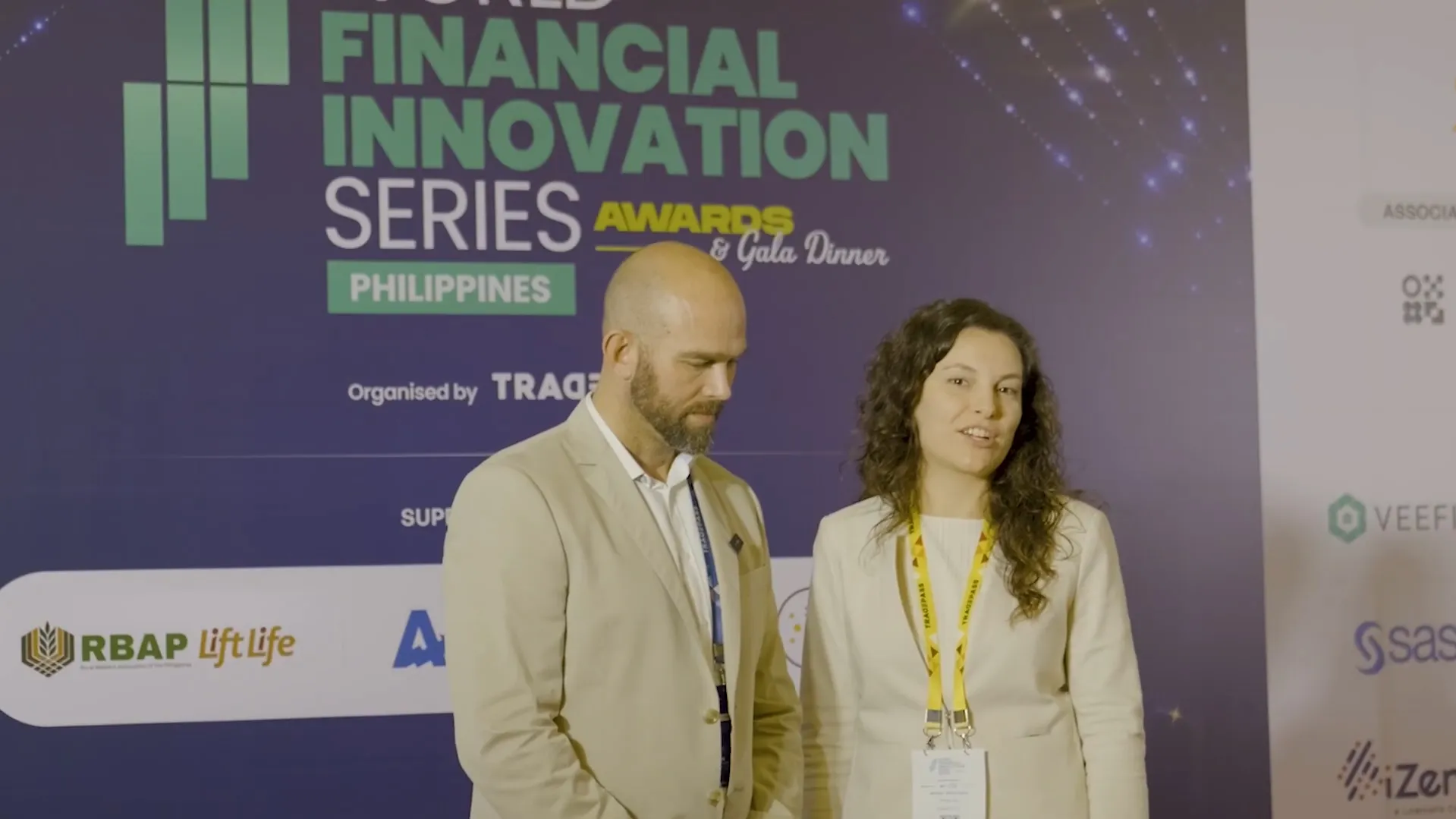
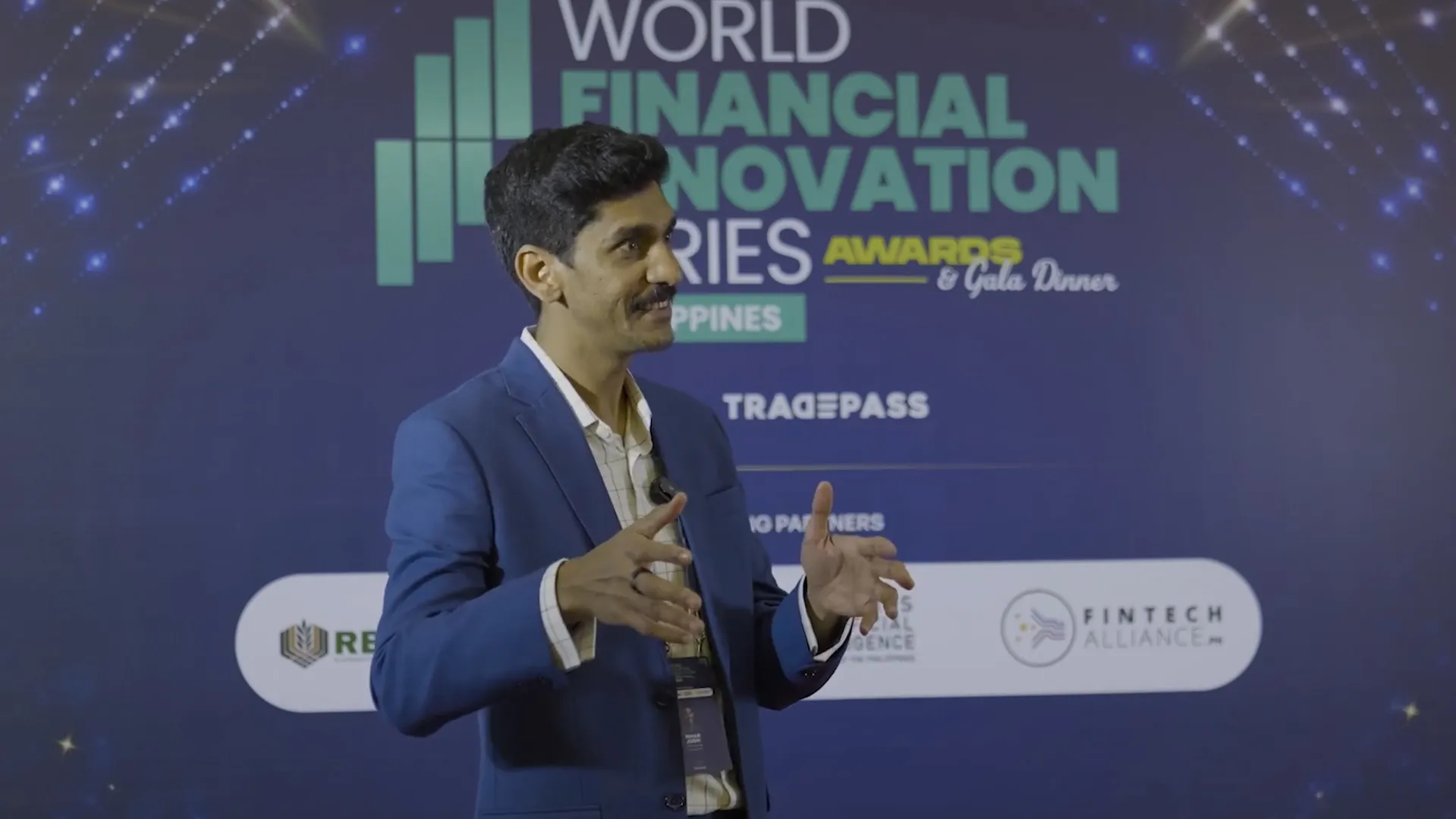
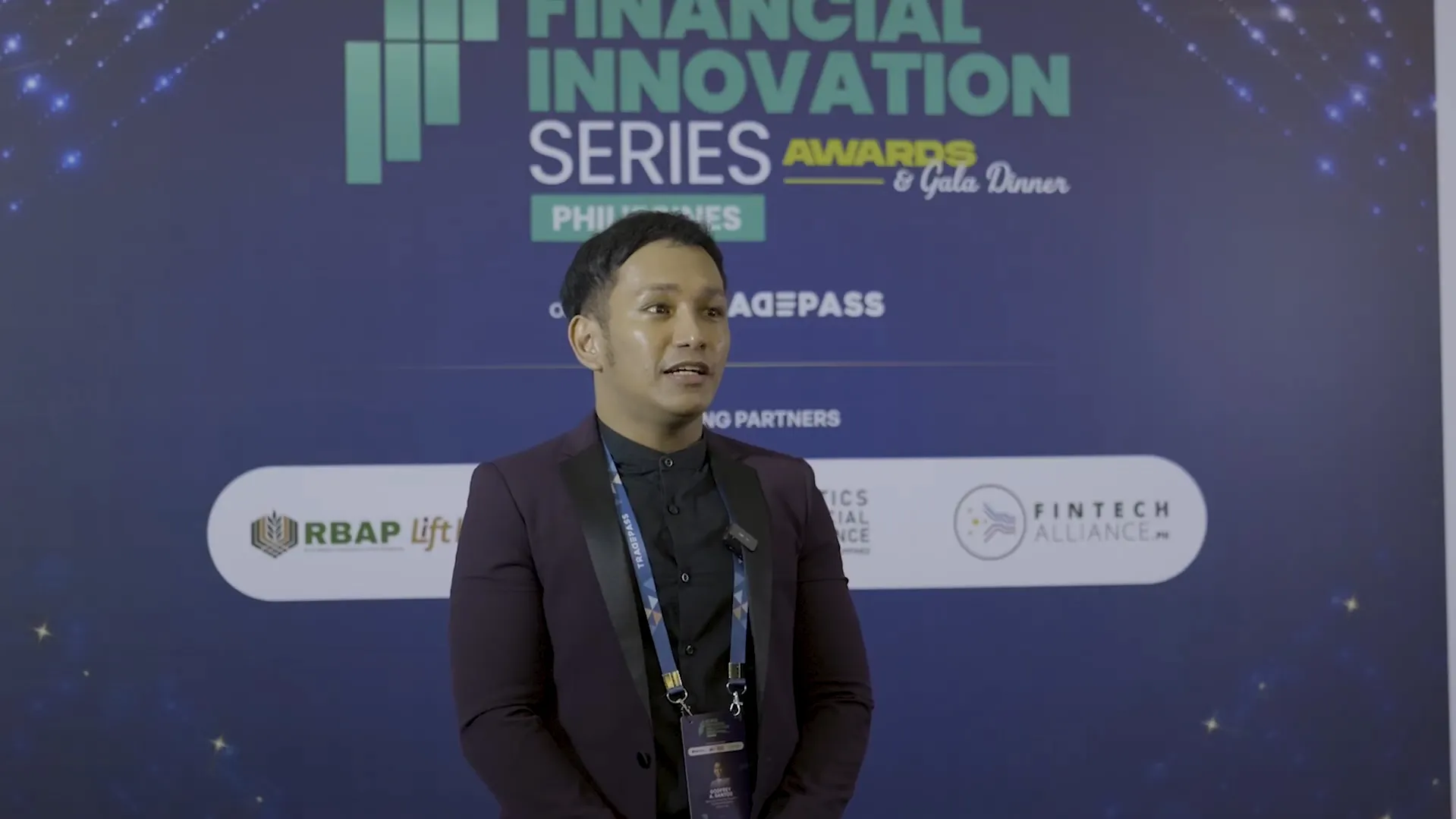
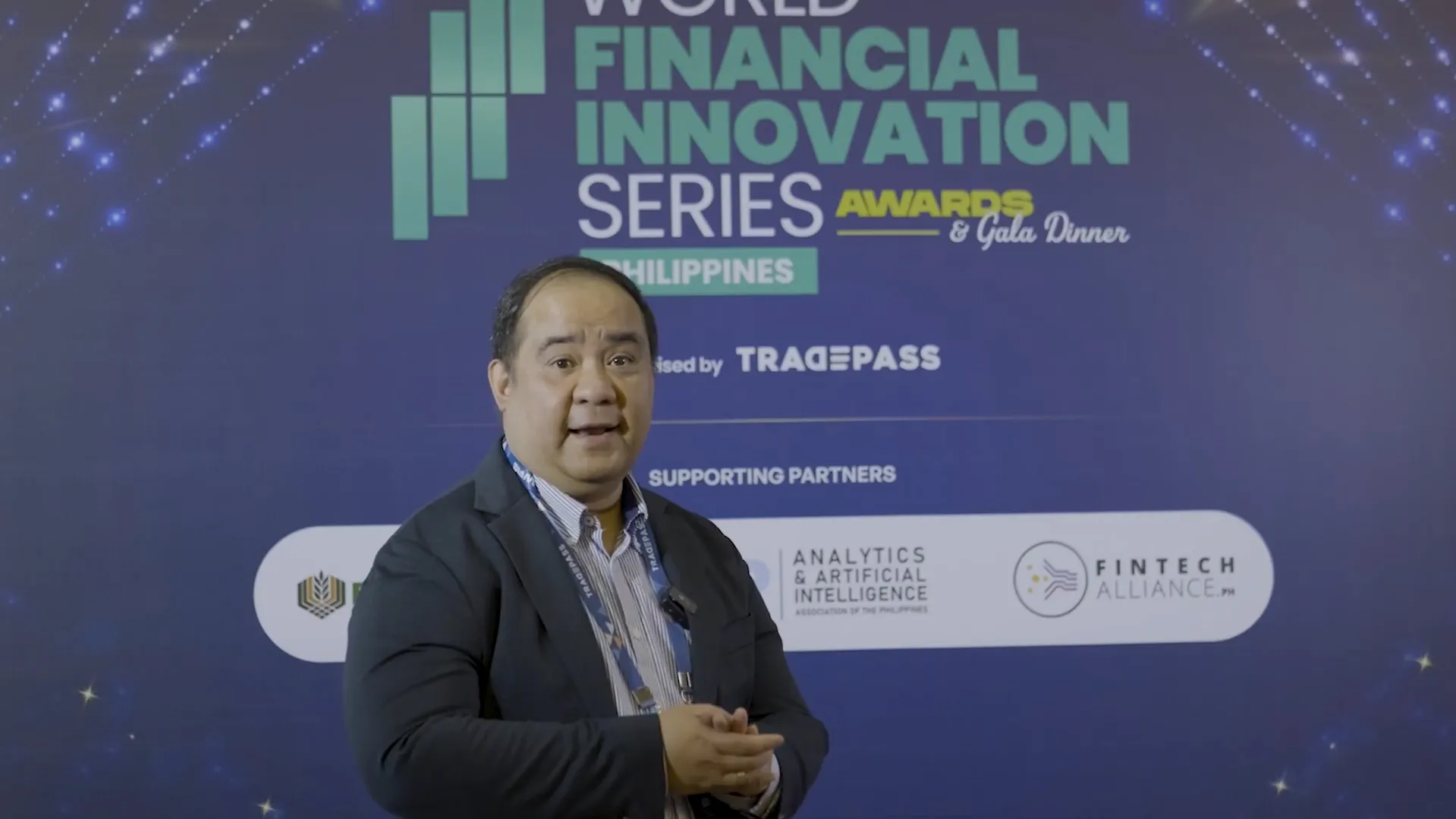
As RegTech, AI governance, and compliance frameworks continue to reshape Philippine finance, industry collaboration has never been more important. The World Financial Innovation Series (WFIS) in the Philippines is set to return on 25–26 August 2026 at the Manila Marriott, bringing together delegates, sponsors, C-suite executives, regulators, technology innovators, government officials, and policymakers under one roof.
Hear directly from financial regulators as they share the stage with industry leaders, gain practical insights into compliance strategies, and discover the innovations shaping the future of Philippine finance. Whether you’re navigating AFASA implementation, building AI governance frameworks, or exploring RegTech solutions, WFIS Philippines offers a platform to engage with the conversations driving regulation, technology adoption, and financial inclusion forward.
Don’t miss this opportunity to build valuable partnerships across the financial services ecosystem – register today!
Frequently Asked Questions (FAQs)
1. What is RegTech in financial services?
RegTech uses technology such as AI, automation, and analytics to help financial institutions manage compliance, detect fraud, improve reporting accuracy, and reduce operational costs.
2. Why is AFASA important for Philippine financial institutions?
AFASA requires BSP-supervised institutions to implement real-time fraud management systems that identify suspicious transactions and strengthen protection against financial scams.
3. What is the BSP STARS Framework?
The STARS Framework establishes principles covering Sustainability, Transparency, Accountability, Responsibility, and Security to guide responsible AI governance across Philippine financial institutions.
4. How does RegTech improve regulatory compliance?
RegTech automates customer verification, AML monitoring, reporting, and audit preparation, allowing compliance teams to improve efficiency while reducing manual workloads and reporting errors.
5. Why should industry leaders attend WFIS 2026 – Philippines?
The event provides direct access to regulators, financial executives, policymakers, and technology providers discussing regulatory developments, compliance priorities, innovation, and future financial sector strategies.