Financial institutions across the Philippines are operating in an environment where fraud patterns shift faster than traditional monitoring systems can adapt. Digital payments, mobile banking, open finance frameworks, and embedded financial services have expanded customer access, but they have also increased exposure to account takeovers, synthetic identities, payment fraud, and cross-channel attacks. As institutions scale their digital infrastructure, disconnected security systems often create delays in response, inconsistent risk decisions, and operational blind spots.
This is where platforms like the World Financial Innovation Series (WFIS) are becoming a strategic priority. Rather than relying on isolated fraud tools, banks and financial institutions are centralising intelligence, workflows, and response mechanisms into a unified framework that supports faster threat detection, stronger compliance management, and improved customer trust.
Why Financial Institutions Are Adopting Fraud Orchestration Platforms
Financial institutions are increasingly adopting orchestration-driven fraud management models to strengthen security operations while maintaining smooth customer experiences across digital channels.
Unified Risk Management
Banks have traditionally depended on separate systems for biometric verification, transaction monitoring, device intelligence, and customer authentication. These disconnected systems often limit visibility across customer journeys. Fraud orchestration platforms consolidate these controls into a centralized architecture, enabling institutions to monitor fraud indicators across payments, lending, onboarding, and digital banking environments from a single operational layer.
This centralised approach also supports broader enterprise governance initiatives linked to cybersecurity in financial services by improving coordination between fraud teams, compliance departments, and security operations centres.
Risk-Based Adaptive Workflows
Modern fraud attacks rarely follow predictable patterns. Institutions now require flexible workflows that can adjust verification processes according to transaction behaviour, customer history, and risk signals.
Adaptive orchestration models allow low-risk transactions to move quickly with minimal friction, while suspicious activity automatically triggers additional verification steps such as behavioural analytics, document validation, or biometric checks. This layered response structure improves fraud prevention without negatively affecting genuine customers.
Reduced False Positives
False positives remain one of the largest operational challenges for banks and payment providers. Incorrectly blocking legitimate users impacts customer trust, increases support costs, and delays transactions.
Orchestration platforms improve decision accuracy by sequencing data validation processes more effectively. Identity verification, transaction analysis, and behavioural monitoring work together within a connected workflow, reducing conflicting risk signals and improving fraud assessment consistency.
Operational Efficiency & Cost Optimisation
Fraud management environments require continuous updates as criminal techniques change. Many orchestration systems now include low-code interfaces that allow fraud and compliance teams to modify rules, test workflows, and integrate new verification vendors without extensive development cycles.
This reduces operational dependency on internal engineering teams while helping institutions respond faster to new attack patterns and regulatory requirements.
Scalable Compliance Management
AML, KYC, and transaction monitoring obligations continue to expand across financial markets. Fraud orchestration platforms simplify compliance integration by embedding regulatory checks directly into fraud workflows.
As institutions expand partnerships, digital services, and cross-border payment capabilities, orchestration models also allow easier onboarding of third-party vendors and fraud intelligence providers without requiring major infrastructure replacement.
How Fraud Orchestration Improves Threat Detection Across Banking Channels
Centralised Fraud Intelligence & Monitoring
Fraud attempts rarely stay confined to a single channel. Criminals may initiate attacks through mobile applications, payment gateways, customer support systems, or digital onboarding journeys simultaneously.
Orchestration platforms unify fraud intelligence across these environments, enabling institutions to detect suspicious activity patterns that would otherwise remain isolated within separate systems.
Real-Time Alerts Across Payment & Banking Systems
Real-time monitoring has become essential as instant payments and digital wallets continue to grow across Southeast Asia. Fraud orchestration enables institutions to trigger alerts immediately when suspicious transaction behaviour, device anomalies, or identity inconsistencies appear.
This allows risk teams to investigate and respond before fraudulent transactions escalate into larger operational or financial losses.
AI-Driven Behavioural Analytics
Artificial intelligence is increasingly supporting fraud detection by identifying behavioural deviations that rules-based systems may overlook. Transaction frequency, login behaviour, typing patterns, geolocation shifts, and account activity timing can all contribute to more accurate fraud assessments.
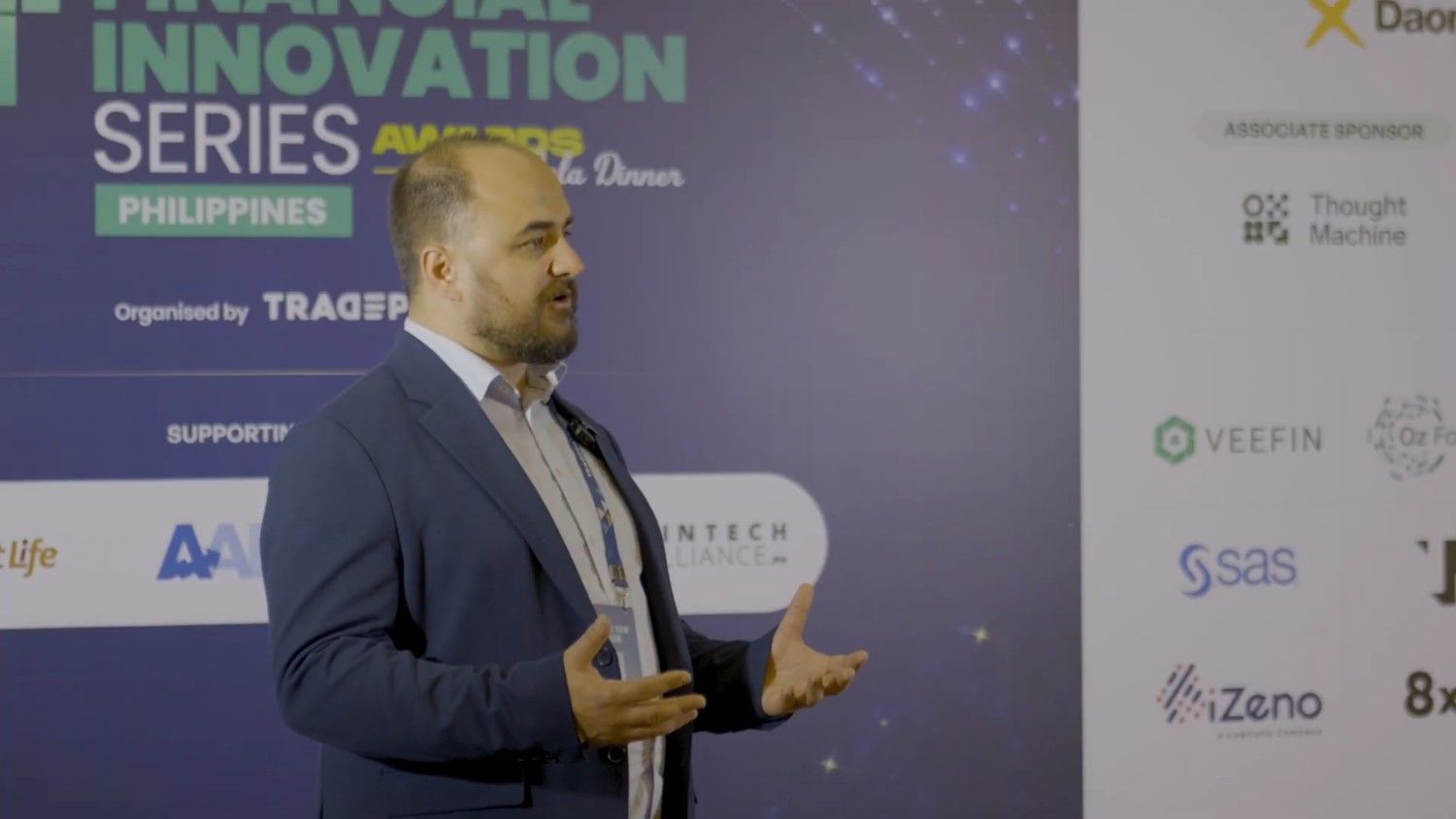
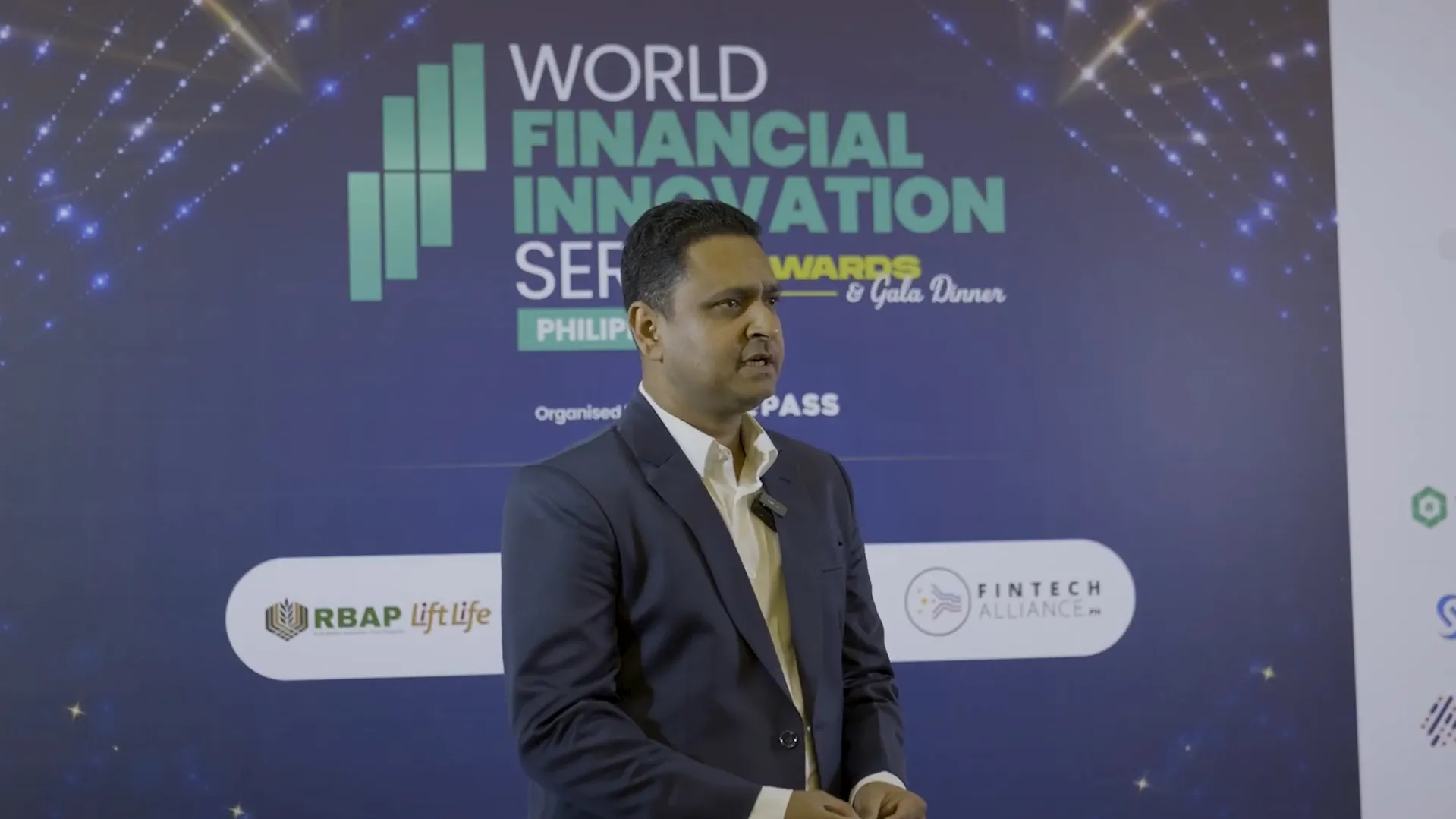
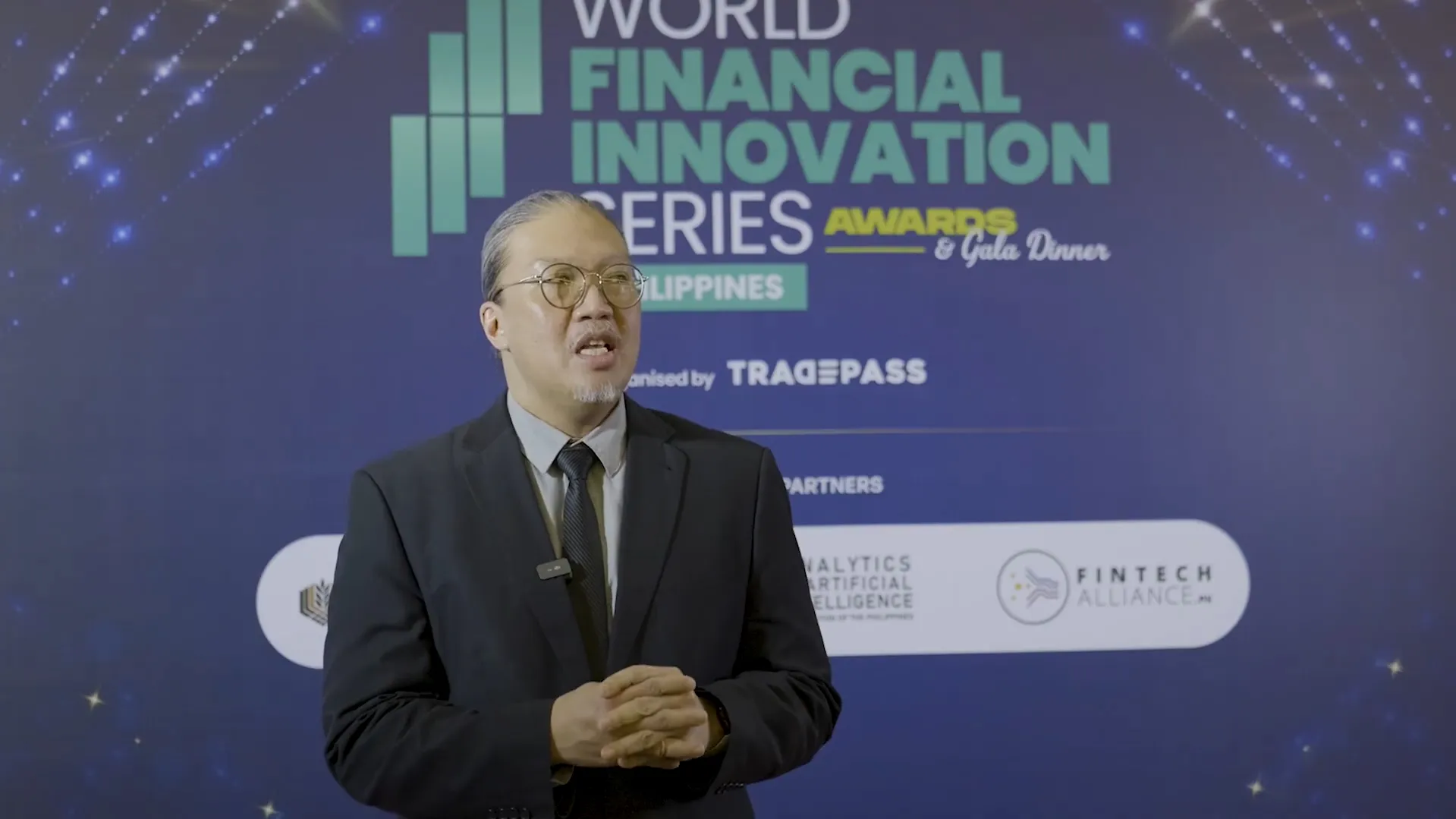
Many institutions attending regional banking events are now exploring how AI-driven orchestration models can improve fraud monitoring while maintaining regulatory accountability. Discussions involving industry experts and cybersecurity speakers are also highlighting the operational requirements needed to scale these systems securely.
Cross-Channel Fraud Correlation Capabilities
One of the major strengths of orchestration platforms is the ability to correlate activity across multiple customer touchpoints. A suspicious login attempt, followed by unusual payment activity and device changes, can be connected automatically within a unified risk framework.
This broader visibility allows institutions to identify coordinated attacks more effectively than isolated monitoring systems.
Automated Risk Scoring & Escalation Workflows
Automated risk scoring enables institutions to prioritise threats according to severity levels. High-risk transactions can be escalated instantly for manual review, while lower-risk cases continue through automated processing.
This improves operational efficiency and reduces investigation backlogs for fraud management teams.
Strengthening Cybersecurity in Financial Services Through Unified Security Operations
Integrating Fraud Detection with Cybersecurity Operations
Fraud prevention and cybersecurity operations are increasingly interconnected. Phishing campaigns, credential theft, ransomware attacks, and account compromise incidents often overlap within the same threat environment.
Integrating fraud orchestration into broader security operations enables institutions to create stronger visibility between fraud intelligence, endpoint monitoring, network security, and identity management functions.
Faster Incident Response & Containment
Unified security operations improve response coordination during active incidents. Fraud teams, IT security units, and compliance departments can access shared intelligence and respond through coordinated escalation frameworks.
This reduces investigation delays and improves containment efficiency during large-scale attack attempts.
Reducing Operational Silos Across Security Teams
Large institutions often operate with fragmented operational structures where fraud, compliance, cybersecurity, and risk teams function independently. Fraud orchestration platforms help reduce these silos by creating centralised visibility across operational workflows.
This operational alignment is becoming increasingly important as institutions modernize infrastructure and expand digital financial services across high-volume customer environments.
Improving Visibility into Suspicious Activity
Advanced orchestration systems aggregate intelligence from transaction monitoring tools, device fingerprinting platforms, authentication systems, and external fraud databases. This provides analysts with a more complete view of suspicious behaviour patterns and potential vulnerabilities.
Financial institutions are now treating fraud management as part of broader enterprise risk governance rather than as a standalone operational function. Unified orchestration frameworks support strategic planning around operational resilience, regulatory readiness, and long-term security architecture.
Many technology providers and cybersecurity tech sponsors are also focusing on orchestration capabilities as institutions seek scalable fraud prevention models that align with future digital banking strategies.
Explore Fraud Prevention Strategies at WFIS!
As financial institutions across Southeast Asia continue to strengthen their fraud prevention and cyber resilience capabilities, collaboration across the industry is playing an increasingly important role.
The upcoming World Financial Innovation Series (WFIS) in the Philippines will provide a platform for banking leaders, fintech innovators, regulators, technology providers, investors, and policymakers to exchange ideas and explore the future of financial services in the country.
Event Details
Date: 25 – 26 August 2026
Venue: Manila Marriott, Philippines
The conference agenda will cover some of the most pressing priorities in financial services, including AI adoption, fraud detection, open finance, cyber resilience, digital lending, core banking modernisation, biometric authentication, embedded finance, financial inclusion, and enterprise-wide digital transformation.
Through keynote sessions, panel discussions, and networking opportunities, attendees will gain practical insights into the technologies and strategies shaping the next phase of the industry’s evolution.
Frequently Asked Questions (FAQs)
1. What insights can banking leaders gain from attending the World Financial Innovation Series in the Philippines?
Attendees can explore discussions on fraud orchestration, AI adoption, cyber resilience, digital banking infrastructure, compliance transformation, and financial inclusion strategies influencing the future of Philippine financial services.
2. How are fraud orchestration platforms helping banks improve cross-channel threat detection?
Fraud orchestration platforms connect fraud intelligence across payment systems, mobile banking, onboarding platforms, and digital transactions, enabling institutions to detect suspicious activity patterns with greater operational visibility.
3. Why is fraud orchestration becoming a strategic discussion point for financial institutions?
Financial institutions are prioritizing orchestration platforms to improve response coordination, reduce false positives, strengthen compliance management, and support enterprise-wide fraud and cybersecurity operations across digital channels.
4. What opportunities does WFIS Philippines 2026 provide for collaboration and industry networking?
The event enables banking executives, regulators, fintech leaders, sponsors, and technology providers to exchange ideas, evaluate emerging technologies, discuss operational challenges, and build strategic business partnerships.
5. Which industry professionals are expected to participate in WFIS Philippines 2026?
The World Financial Innovation Series (WFIS) in the Philippines will feature participation from c-suite banking leaders, government officials, policymakers, cybersecurity experts, fintech innovators, compliance professionals, and digital transformation decision-makers.