Financial services are no longer defined by branches, paperwork, or rigid systems. In 2026, fintech innovators are driving a global shift toward agile, data-driven, and customer-centric finance models. From instant payments and embedded finance to AI-led lending and open ecosystems, the industry is experiencing a structural reset. This transformation is particularly visible in high-growth digital markets, where mobile adoption, regulatory clarity, and innovation-friendly policies are converging to redefine how individuals and businesses engage with money.
As financial institutions adapt to rising consumer expectations and competitive pressure, fintech transformation strategies have become central to survival and long-term relevance, turning technology from a support function into a core business driver.
Technology Powering New-Age Finance
Modern fintech ecosystems are built on advanced cloud infrastructure, real-time data processing, and modular architectures. APIs, low-code platforms, and microservices enable faster product launches and seamless third-party integrations. These technologies allow financial providers to scale quickly while maintaining flexibility across markets and use cases.
At the same time, AI and blockchain finance are emerging as foundational technologies rather than experimental add-ons. Artificial intelligence is enhancing fraud detection, credit risk modeling, and personalized financial experiences, while blockchain improves transparency, settlement speed, and trust in digital transactions. Together, they are enabling financial systems that are more secure, intelligent, and resilient by design.
Regional Ecosystems Leading Global Fintech
Fintech leadership is increasingly shaped by regional ecosystems rather than traditional financial hubs alone. Southeast Asia, Latin America, Africa, and the Middle East are producing some of the most impactful fintech innovators, driven by large underbanked populations and rapid mobile adoption.
In Southeast Asia, markets like Indonesia and the digital banking Philippines landscape are setting benchmarks for inclusive, mobile-first financial services. These regions are leapfrogging legacy infrastructure, adopting real-time payments, digital identity, and interoperable platforms that allow fintechs and banks to collaborate rather than compete in isolation.
This regional momentum is also influencing global fintech trends, as solutions developed for emerging markets prove scalable, cost-efficient, and adaptable across borders.
Digital-First Banking Models Redefining Access
Digital-first banking is no longer a niche offering, it is becoming the dominant model. App-based onboarding, paperless KYC, and real-time customer engagement have redefined expectations around speed and accessibility. In the digital banking Philippines ecosystem, licensed digital banks and super apps are expanding financial access to consumers and SMEs previously excluded from formal banking systems.
These models prioritize user experience, data-driven insights, and embedded financial services within everyday digital platforms. By removing friction from account opening, payments, and credit access, fintech innovators are narrowing the financial inclusion gap while improving profitability through scale and efficiency. Such shifts demonstrate how fintech transformation strategies can align commercial success with social impact.
The Convergence of AI, Cybersecurity, and Lending
As digital finance scales, risk management and trust become critical differentiators. The convergence of AI, cybersecurity, and lending technologies is reshaping how institutions assess risk and protect customers.
AI-driven credit scoring uses alternative data to evaluate borrowers more accurately, reducing default rates while expanding access. At the same time, cybersecurity frameworks are evolving to counter increasingly sophisticated threats, ensuring real-time monitoring and rapid response across digital channels.
Within AI and blockchain finance, distributed ledgers add an extra layer of security and auditability, particularly in cross-border transactions and digital asset management. This convergence is enabling safer, smarter lending ecosystems built for scale.
Collaboration Shaping the Future of Fintech
The future of financial services is collaborative rather than siloed. Banks, fintech startups, regulators, and technology providers are increasingly working together to accelerate innovation. Open banking, embedded finance, and ecosystem partnerships are replacing closed, institution-centric models.
Successful fintech transformation strategies now focus on co-creation, leveraging fintech agility with the scale and trust of established financial institutions. Through partnerships, incumbents can modernize faster, while startups gain access to infrastructure, licenses, and distribution networks.
Financial Inclusion Through Digital Integration
Digital finance is proving to be one of the most powerful tools for advancing financial inclusion. Mobile wallets, digital savings products, and micro-lending platforms are reaching remote and underserved communities at unprecedented speed.
In markets like the Philippines, digital integration enables millions to access payments, insurance, and credit through smartphones alone. Fintech innovators are embedding financial services into e-commerce, transportation, healthcare, and government platforms, making finance contextual, accessible, and relevant. By aligning inclusion goals with sustainable business models, fintech transformation strategies are delivering long-term value for both users and providers.
Role of Fintech Forums in Accelerating Innovation
Innovation does not happen in isolation. Fintech forums, summits, and industry platforms play a vital role in connecting ideas, capital, and leadership. These forums provide space for policy dialogue, technology showcases, and real-world case studies that shape industry direction.
Global platforms help fintech innovators exchange insights, explore partnerships, and align innovation with regulatory expectations. They also act as catalysts, accelerating adoption of best practices across digital banking, payments, cybersecurity, and lending. As financial services continue to evolve, such forums will remain essential in turning innovation into impact.
World Financial Innovation Series (WFIS) – Philippines | Where Pioneers Redefine the Future of Financial Services
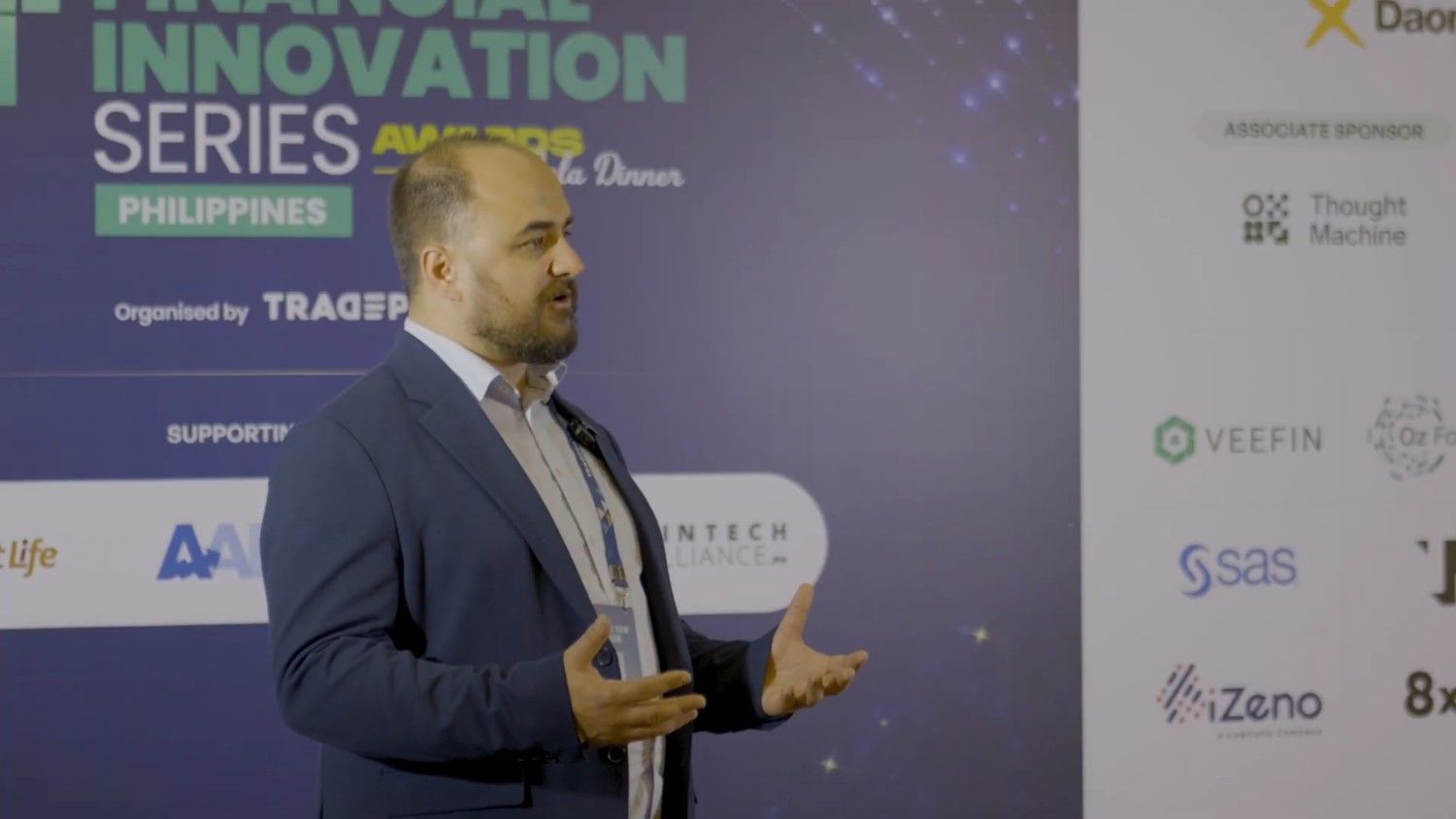
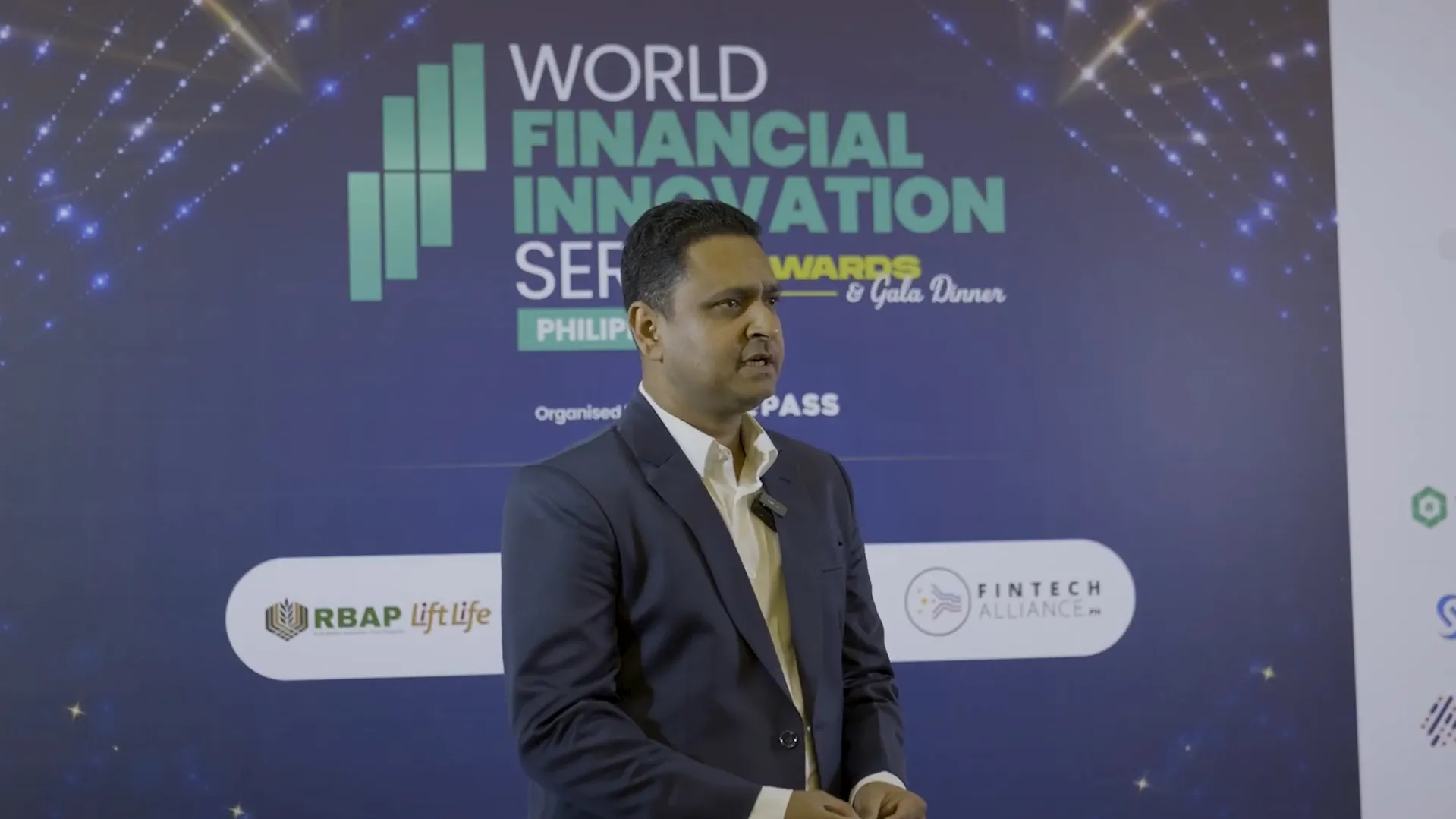
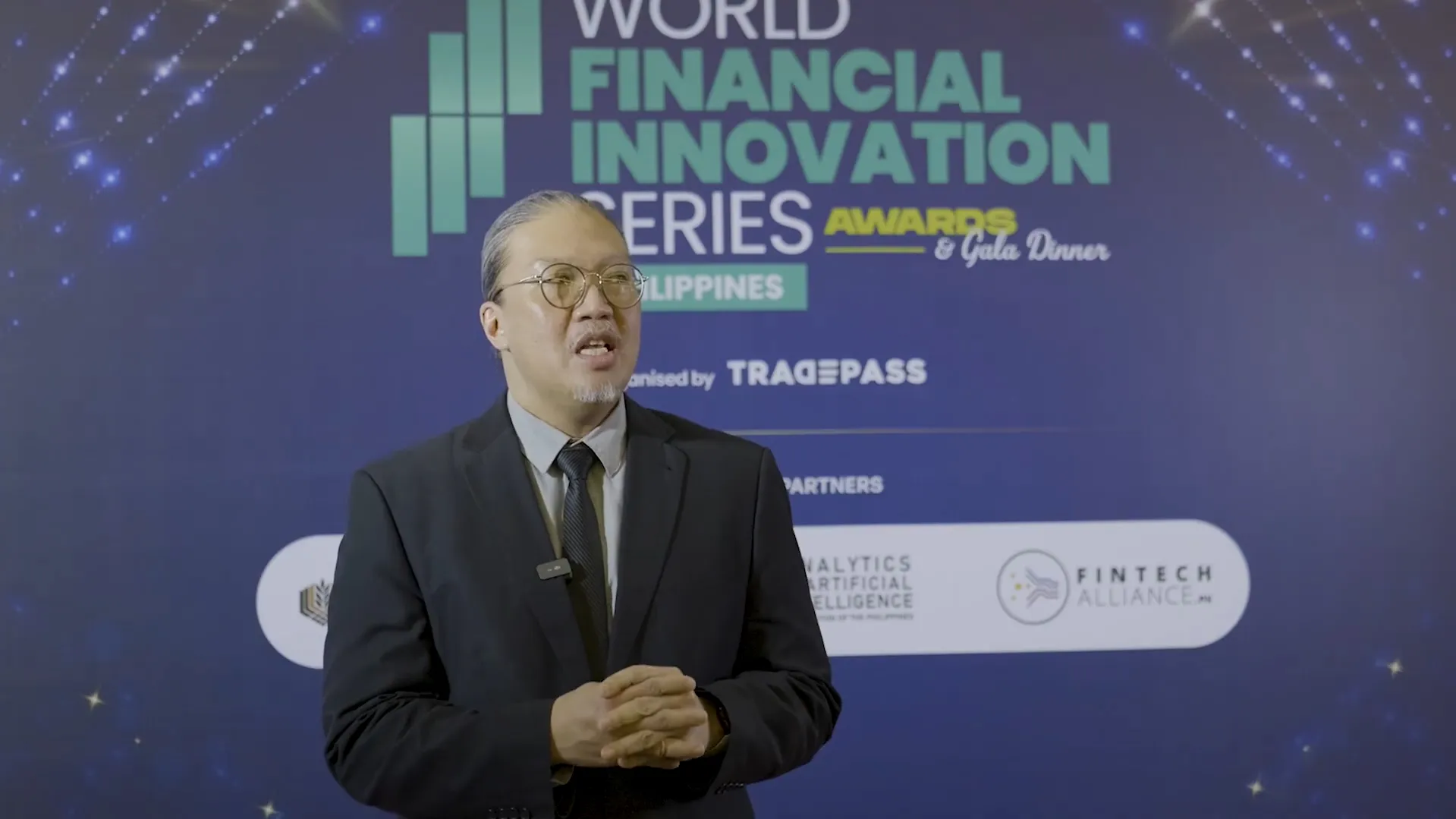
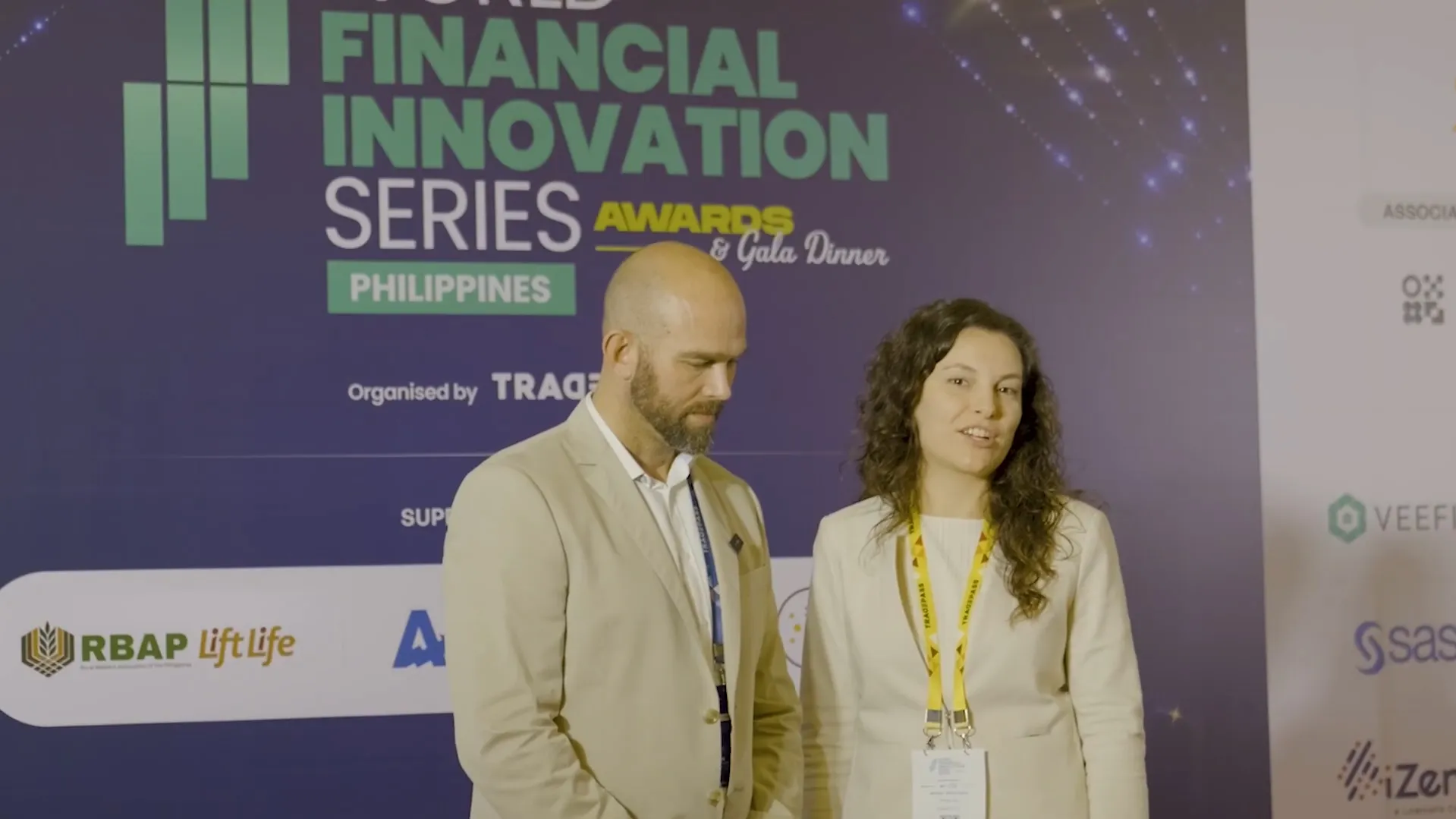
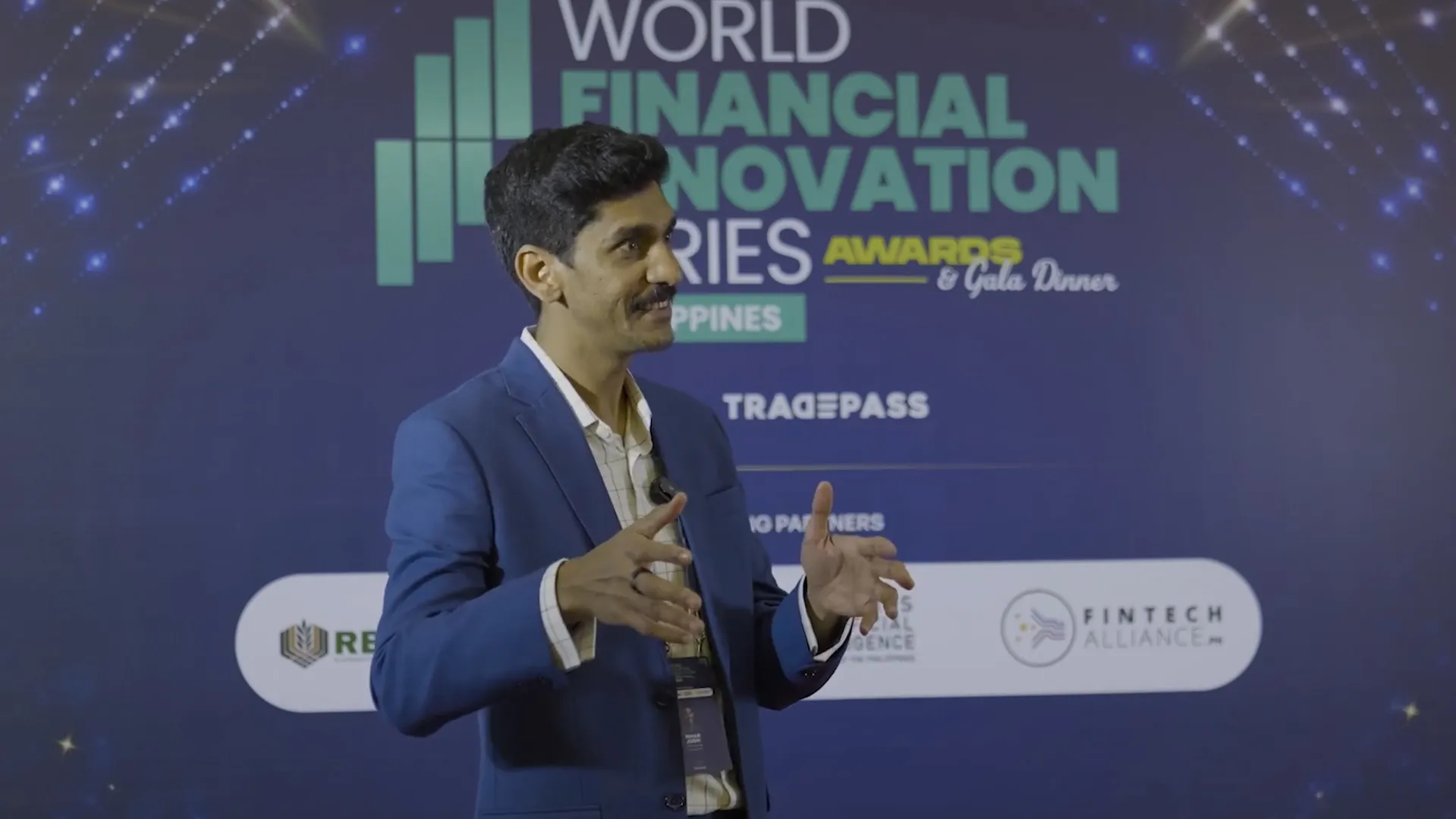
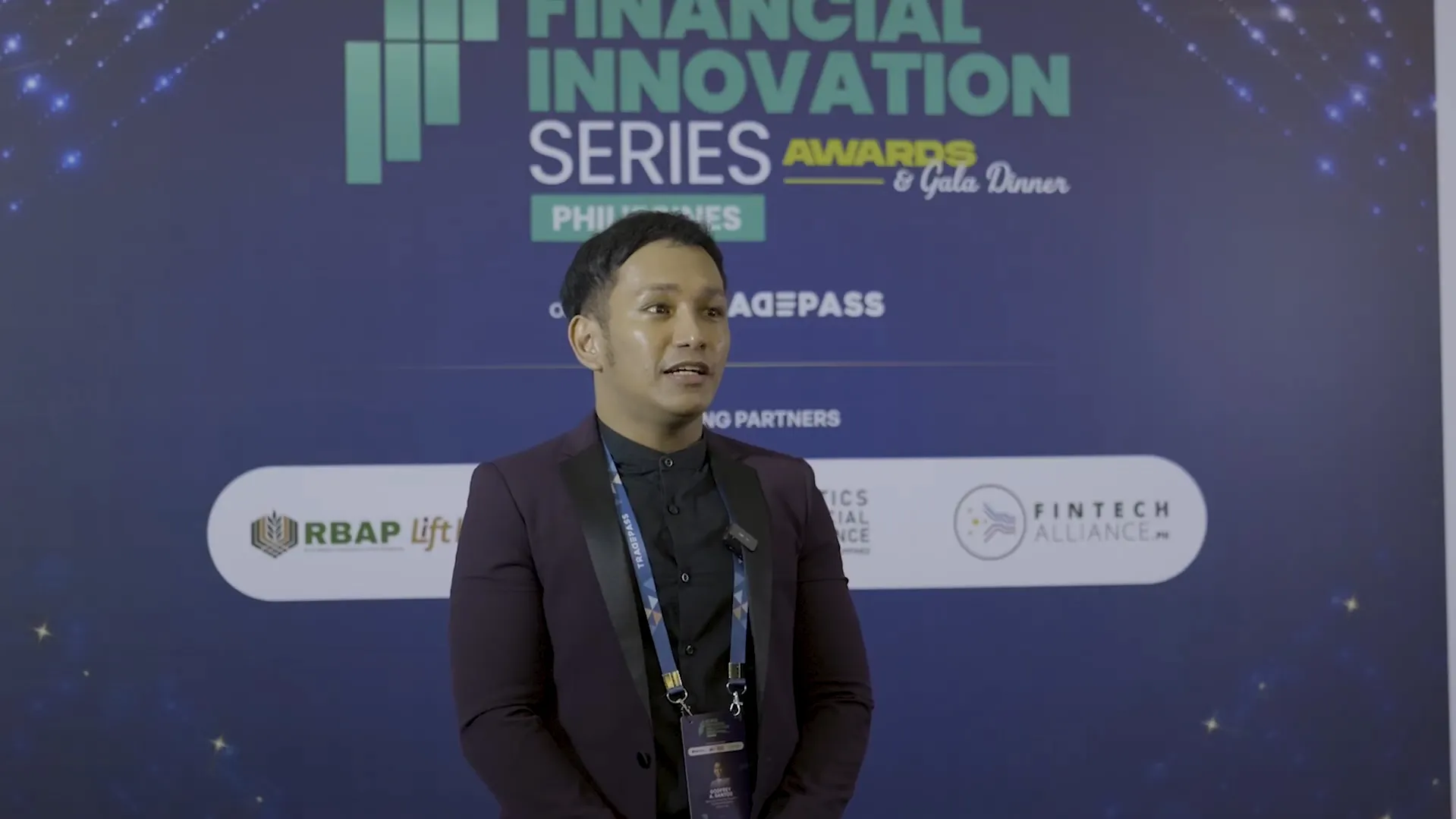
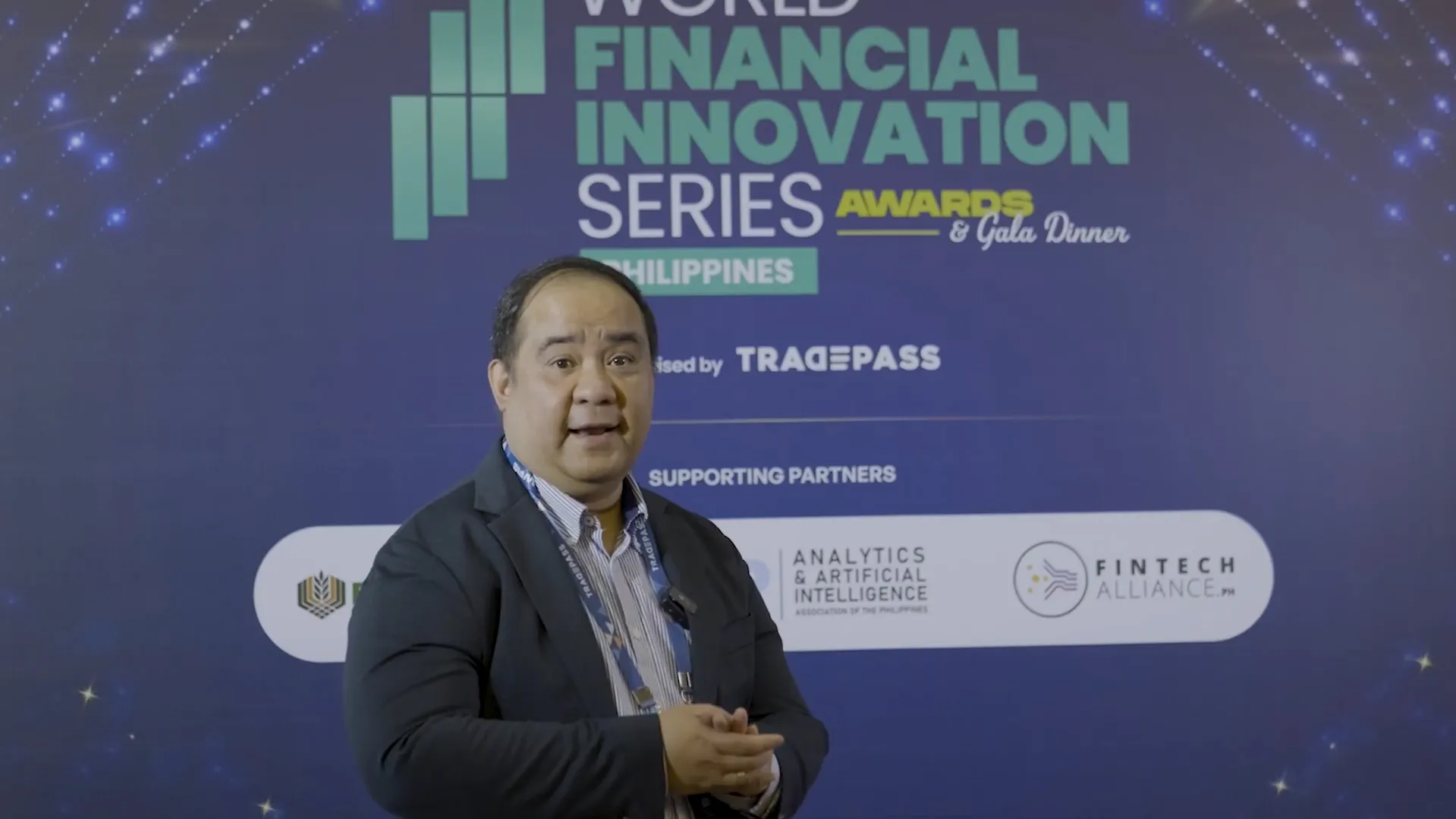
The World Financial Innovation Series (WFIS) Philippines is a premier platform bringing together banks, fintech leaders, regulators, and technology providers shaping the next era of finance. The event focuses on digital banking transformation, payments innovation, open finance, and emerging technologies driving financial inclusion and resilience.
Why attend:
Insights from top fintech innovators and banking leaders
Strategic discussions on digital banking Philippines and regional growth
Real-world use cases of AI and blockchain finance
High-value networking with decision-makers, solution providers and ecosystem enablers
Next Upcoming Event Details (WFIS Philippines 2026)
Event Name: World Financial Innovation Series (WFIS) Philippines 2026
Date: 25 – 26 August 2026
Venue: Manila, Philippines
Join the Fintech Revolution — Register Today
Register today at WFIS Philippines and connect with industry leaders, explore breakthrough innovations, and gain actionable insights into future-ready fintech transformation strategies. Secure your place and stay ahead in a rapidly evolving financial world.