The Philippine financial sector is entering a phase where collaboration is shaping the pace and direction of innovation. As customer expectations shift towards accessible, technology-enabled services, financial institutions are moving beyond standalone models to build interconnected ecosystems. Strategic alliances between banks, fintech firms, regulators, and technology providers are enabling faster service delivery and wider market reach.
These partnerships are not only improving efficiency but also supporting financial inclusion goals. With the growing role of digital transformationinitiatives, collaboration is becoming essential for institutions aiming to remain competitive while expanding access to financial services across diverse population segments.
Why Partnerships Are Reshaping Financial Services in the Philippines
Financial services in the Philippines are expanding across both urban and regional markets, driven by increasing demand for convenient and accessible solutions. Consumers and SMEs are seeking faster transactions, simplified onboarding, and flexible financial products.
The involvement of banking partners is helping extend services beyond traditional channels. By working with fintech firms and technology providers, banks can reach new customer segments and improve service distribution.
Need for scalable infrastructure to support growth
Increased competition within the financial sector
For delegates, investors, and sponsors, partnerships offer a practical pathway to enter or expand within the Philippine market while minimizing operational barriers.
Public-Private Partnerships as a Foundation for Inclusion
Government initiatives are playing a central role in encouraging public-private partnerships to support financial inclusion. These collaborations bring together policy direction and private sector capabilities to address gaps in access and affordability.
Expansion of digital payment systems in rural areas
Microfinance initiatives supporting small businesses
Development of infrastructure for digital identity and payments
Regulatory bodies are working closely with private organizations to ensure that innovation aligns with national objectives while maintaining stability and consumer protection.
These partnerships are particularly effective in reaching remote communities, where traditional banking infrastructure is limited. For stakeholders, aligning with such initiatives provides opportunities to contribute to national development goals while building sustainable business models.
Banking and Fintech Synergies: New Operating Models
Collaboration between traditional financial institutions and fintech solution providers is creating new operating models that enhance efficiency and innovation. These partnerships are enabling the co-creation of services tailored to modern customer needs.
Examples include:
Digital wallets and payment platforms improving transaction convenience
Lending solutions offering faster credit access
Remittance services supporting both domestic and cross-border transfers
Integration through APIs and shared infrastructure is making it easier for banks and fintech firms to work together. This approach reduces development time and improves service delivery.
Revenue-sharing arrangements and partnership frameworks are also evolving, allowing both parties to benefit from collaboration. For executives, evaluating fintech alliances requires careful consideration of scalability, regulatory compliance, and long-term value.
Advancing Digital Transformation Through Strategic Alliances
Strategic alliances are accelerating digital transformation efforts across the financial sector. By collaborating with technology providers, financial institutions can adopt advanced tools without building systems from scratch.
Key developments include:
Adoption of cloud-based infrastructure for scalability
Use of AI-driven analytics to improve decision-making
Automation of processes to reduce operational costs
Implementation of secure digital onboarding systems
These advancements are improving efficiency while enhancing customer experience. Partnerships also enable institutions to strengthen cybersecurity frameworks and maintain compliance with regulatory requirements.
For businesses, the impact is evidently clear: faster service delivery, improved engagement, and the ability to scale operations more effectively.
Managing Risk, Trust, and Governance in Partnerships
While partnerships offer significant benefits, they also introduce complexities related to risk, trust, and governance. Managing these aspects is critical for ensuring long-term success.
Key considerations include:
Establishing clear data-sharing agreements and governance frameworks
Ensuring compliance with regulatory requirements
Maintaining transparency between stakeholders
Conducting thorough vendor due diligence
Building trust across institutions is particularly important in multi-party ecosystems. Financial institutions must balance innovation with control, ensuring that partnerships do not compromise operational integrity.
For C-suite leaders, effective governance is essential for managing risks while maximizing the benefits of collaboration.
What’s Next: Opportunities for Stakeholders in the Philippines
The future of financial innovation in the Philippines will be shaped by expanding partnership models and emerging opportunities across sectors.
Key growth areas include:
Embedded finance: Integrating financial services directly into non-financial platforms and everyday experiences
SME lending: Addressing persistent funding gaps and improving credit access for small businesses
Cross-border services: Streamlining international transactions and remittance flows
Telecom and retail partnerships: Extending financial services reach through non-traditional channels
The Philippines is also attracting increased interest from regional and global investors, driven by its strong growth potential and expanding digital ecosystem. For sponsors and solution providers, this presents opportunities to enter new markets, develop partnerships, and contribute to the growth of inclusive financial services.
WFIS: A Forum for Decision-Makers Driving Financial Services in the Philippines
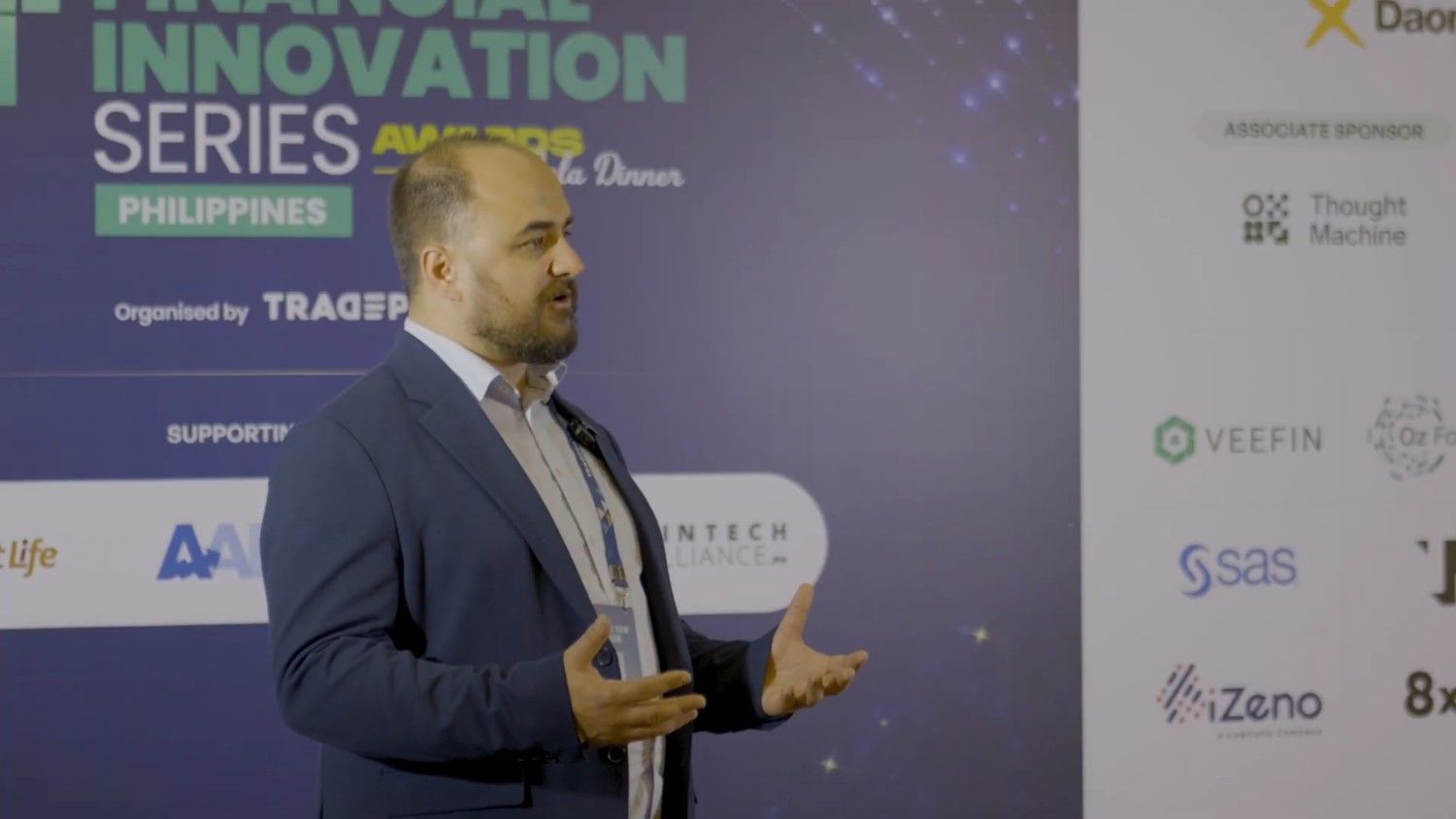
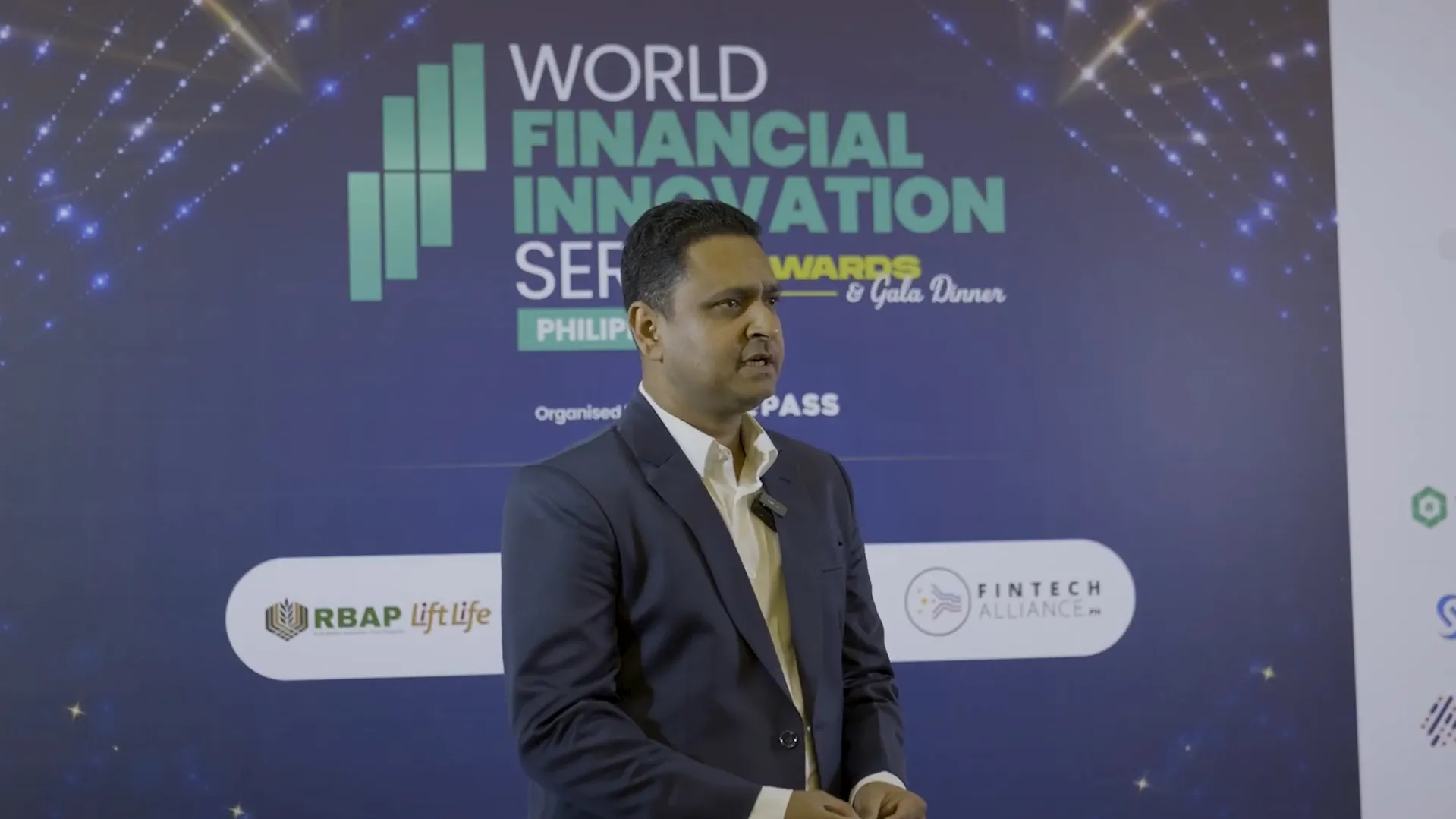
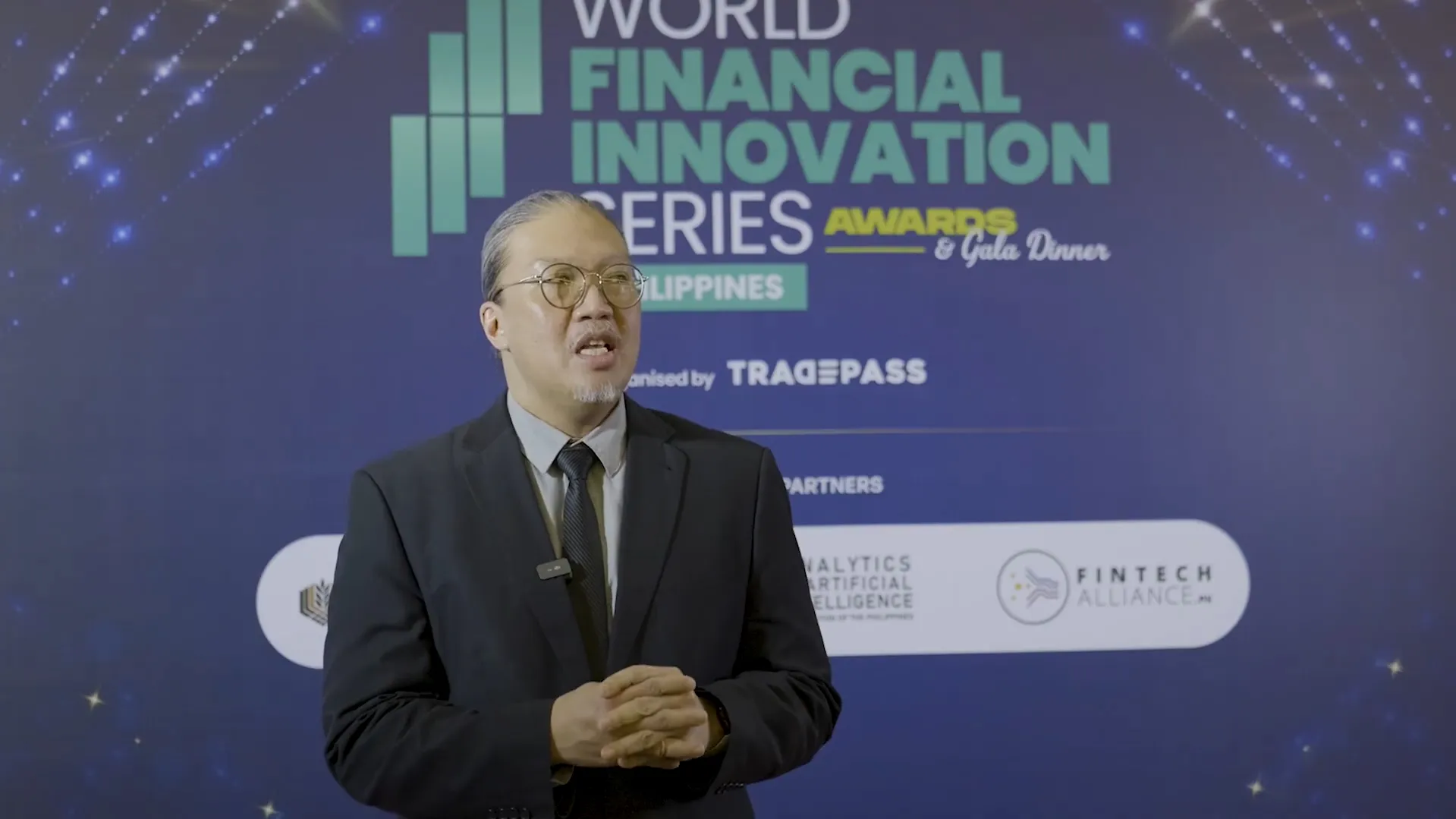
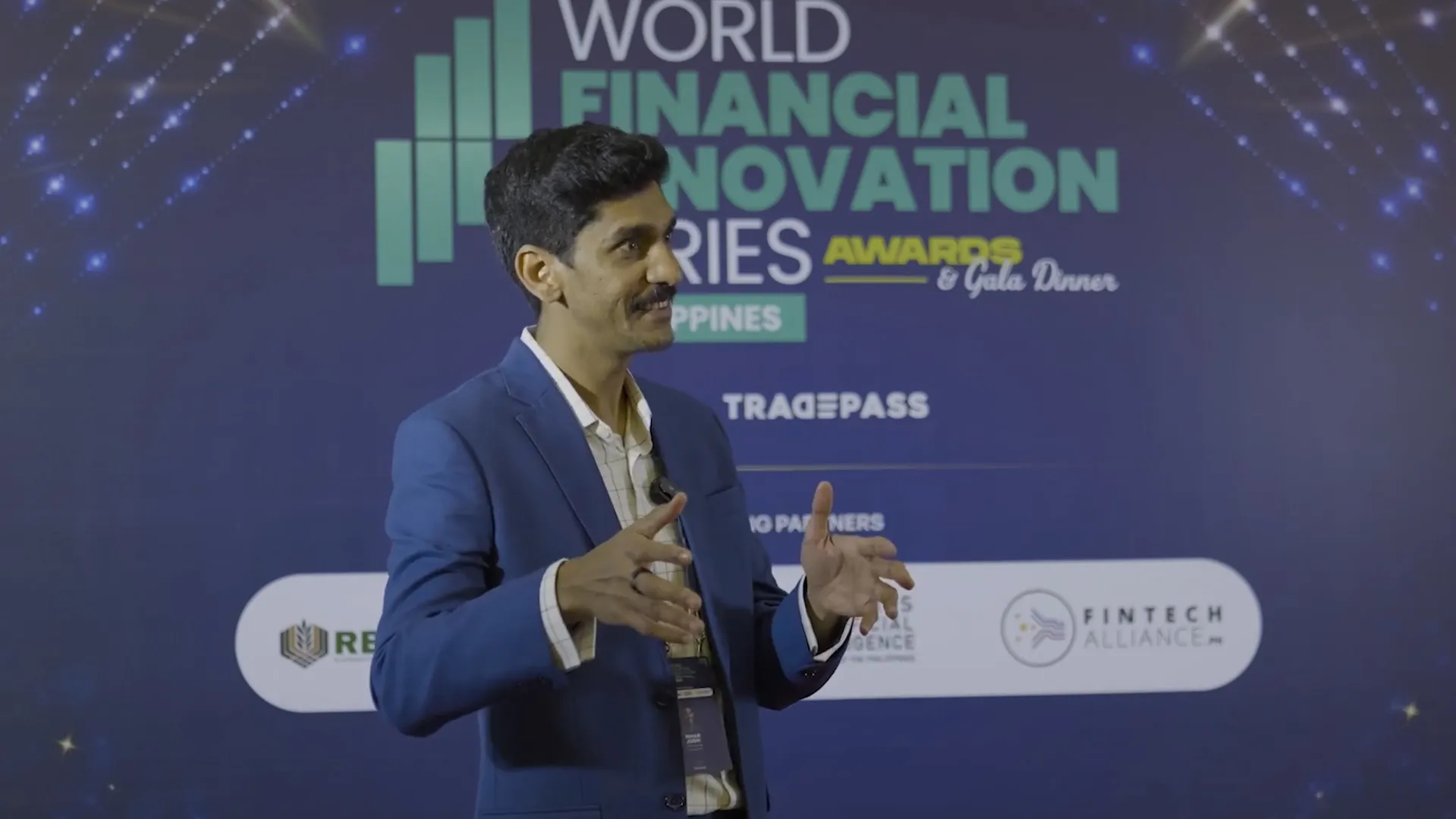
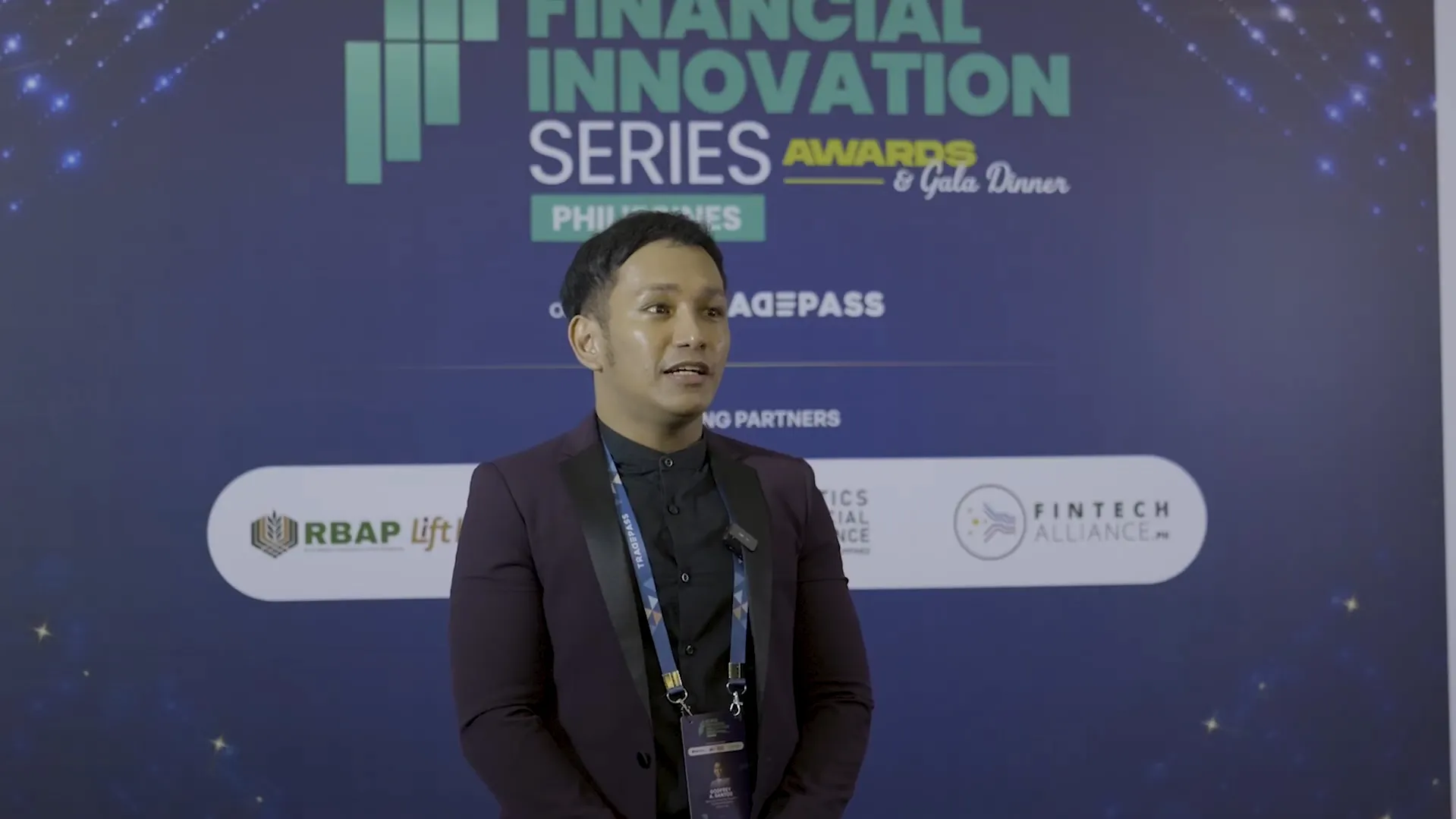
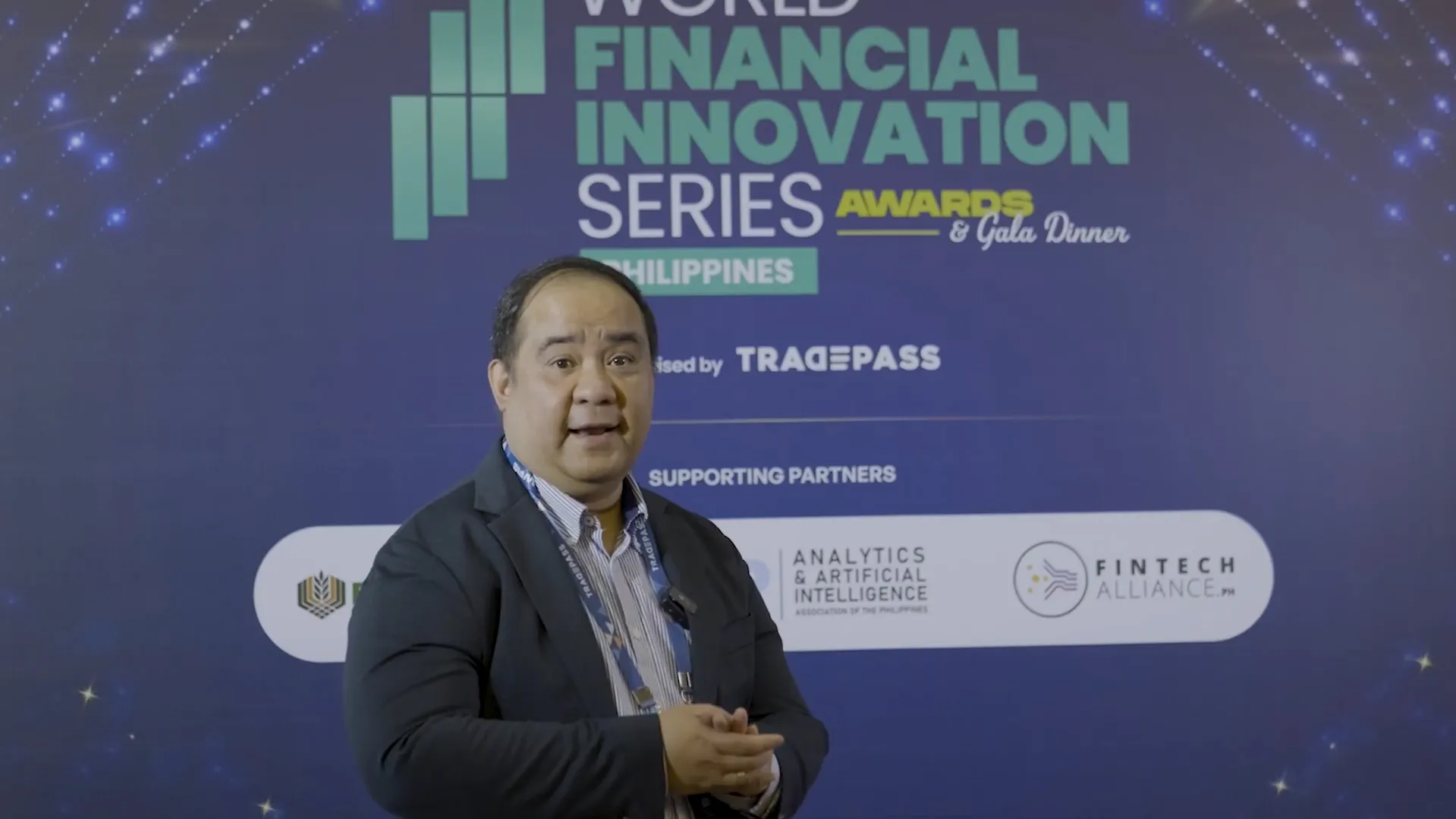
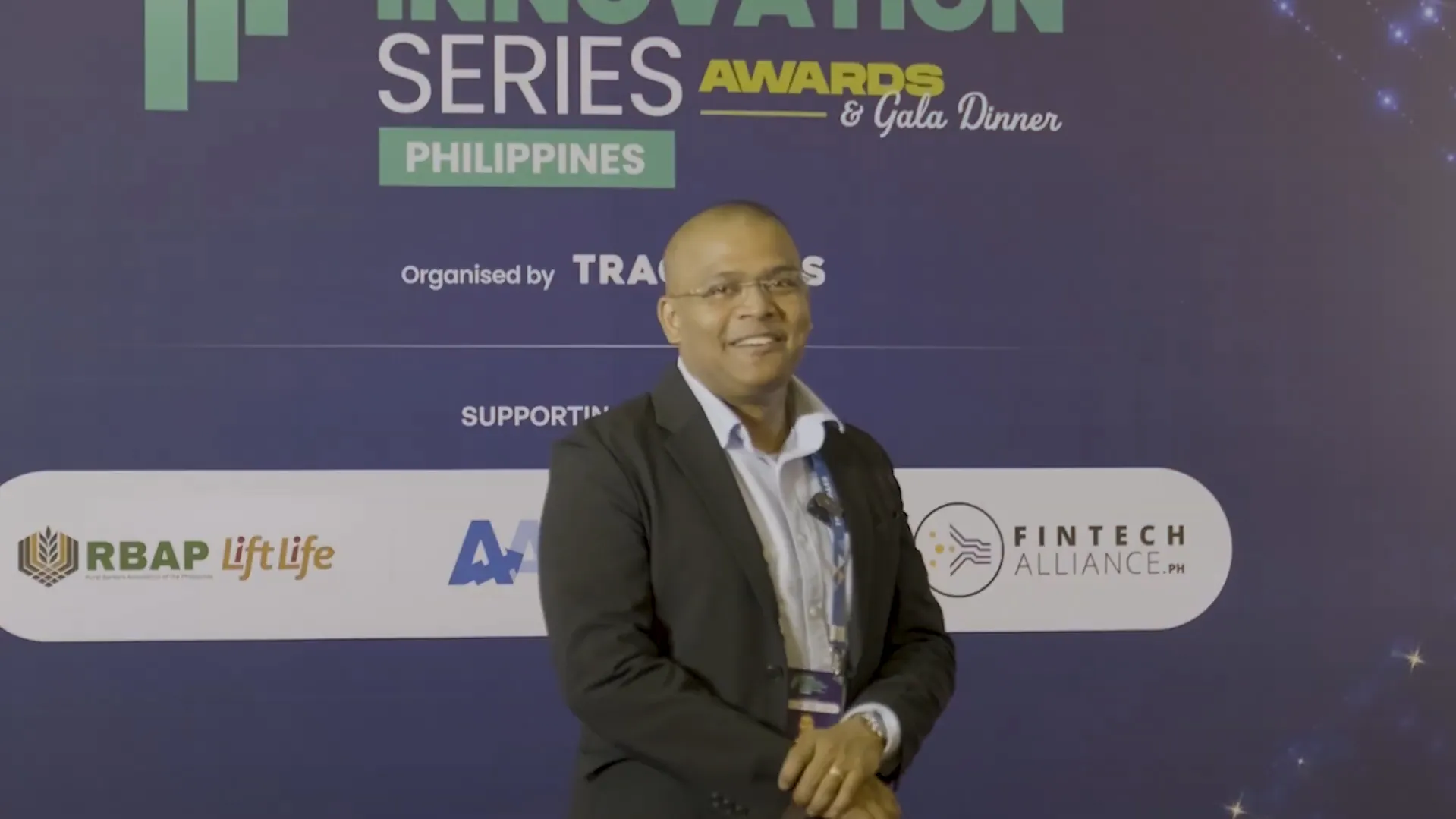
Taking place on 25–26 August 2026 at Manila Marriott, the World Financial Innovation Series (WFIS) in the Philippines brings together senior executives, regulators, and fintech innovators to advance partnership-driven growth across the sector.
Discussions will span collaboration models, integration strategies, and governance practices — covering key themes reshaping financial services in the Philippines. Delegates, sponsors, and C-suite leaders will have the opportunity to engage directly with industry stakeholders, exchange actionable insights, and identify partnerships that support long-term growth within the Philippine financial ecosystem.