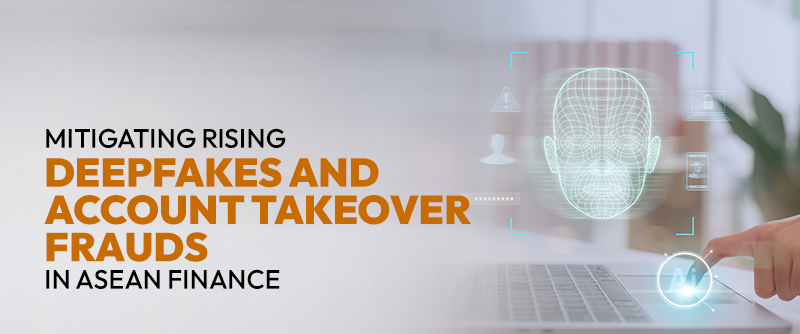
Synthetic identity fraud and sophisticated account takeover (ATO) attacks are rising at an alarming rate across Southeast Asia. As financial institutions digitize their operations, malicious actors deploy highly advanced generative AI models to bypass traditional defenses.
The cost of these security failures is staggering: financial organizations in the region face millions of dollars in direct losses, regulatory penalties, and eroded consumer trust. Securing this highly integrated ecosystem requires shifting beyond perimeter defense towards automated, multi-layered risk mitigation strategies that protect assets and safeguard institutional stability.
The Synthetic Threat: How Generative AI Weaponizes Biometric Fraud Vectors
Generative artificial intelligence has democratized the creation of highly convincing deepfakes. Fraudsters manipulate audio and video feeds to bypass standard ‘liveness’ tests during remote onboarding, making cyber banking a primary concern for institutional leaders.
The Reality of AI Impersonation: Recent industry reports indicate that deepfake fraud attempts across Southeast Asian financial hubs skyrocketed by over 130% in the last year alone.
Biometric Weaknesses: Traditional facial recognition systems struggle to distinguish human tissue from high-definition, AI-generated synthetic overlays.
The Cost of Compromise: When biometric validation fails, criminals establish completely fabricated credit profiles or hijack existing corporate accounts, funneling capital out of institutions before security teams detect an anomaly.
Hardening the Banking Perimeter: Multi-Layered Security Architecture for Identity Affirmation
To resist these synthetic attacks, financial institutions must modernize their verification layers. Relying on simple passwords or SMS-based two-factor authentication is no longer sufficient to stop coordinated ATO operations.
Implementing advanced digital identity solutions allow banks to analyze behavioral biometrics, such as typing cadence, device telemetry, and mouse movements. These passive layers operate invisibly behind the scenes, and flag anomalies without creating friction for legitimate users. By combining cryptographic device binding with deep-learning facial analysis models, institutions create a formidable barrier that synthetic identity engines cannot easily replicate.
Zero-Trust Frameworks: Securing End-to-End API Ecosystems Against Internal Anomalies
Open banking relies heavily on Application Programming Interfaces (APIs) to connect core infrastructure with third-party applications. This interconnectivity expands the surface area available to attackers. Adopting a strict zero-trust posture—where every request is explicitly authenticated, authorized, and continuously validated—is the modern standard for cybersecurity in financial services.
Under a zero-trust model, compromised user credentials or stolen API tokens are neutralized before they cause widespread damage. Security systems strictly isolate critical financial data segments, ensuring that an intrusion in one secondary channel does not lead to a systemic infrastructure breach.
Collaborative Security: The Critical Role of Public-Private Partnerships in ASEAN
Cybercriminals exploit jurisdictional gaps and cross-border regulatory delays. Because financial data moves instantaneously across the region, isolated institutional defenses cannot solve a decentralized threat network.
Central banks and private enterprises across the region must align on unified threat intelligence frameworks. Establishing centralized registries for fraud telemetry allows institutions to flag compromised devices and known deepfake signatures before they hit local networks. Regulatory harmonizations, supported by data-sharing mandates, ensure that a security threat detected in Manila immediately hardens infrastructure across the entire ASEAN region.
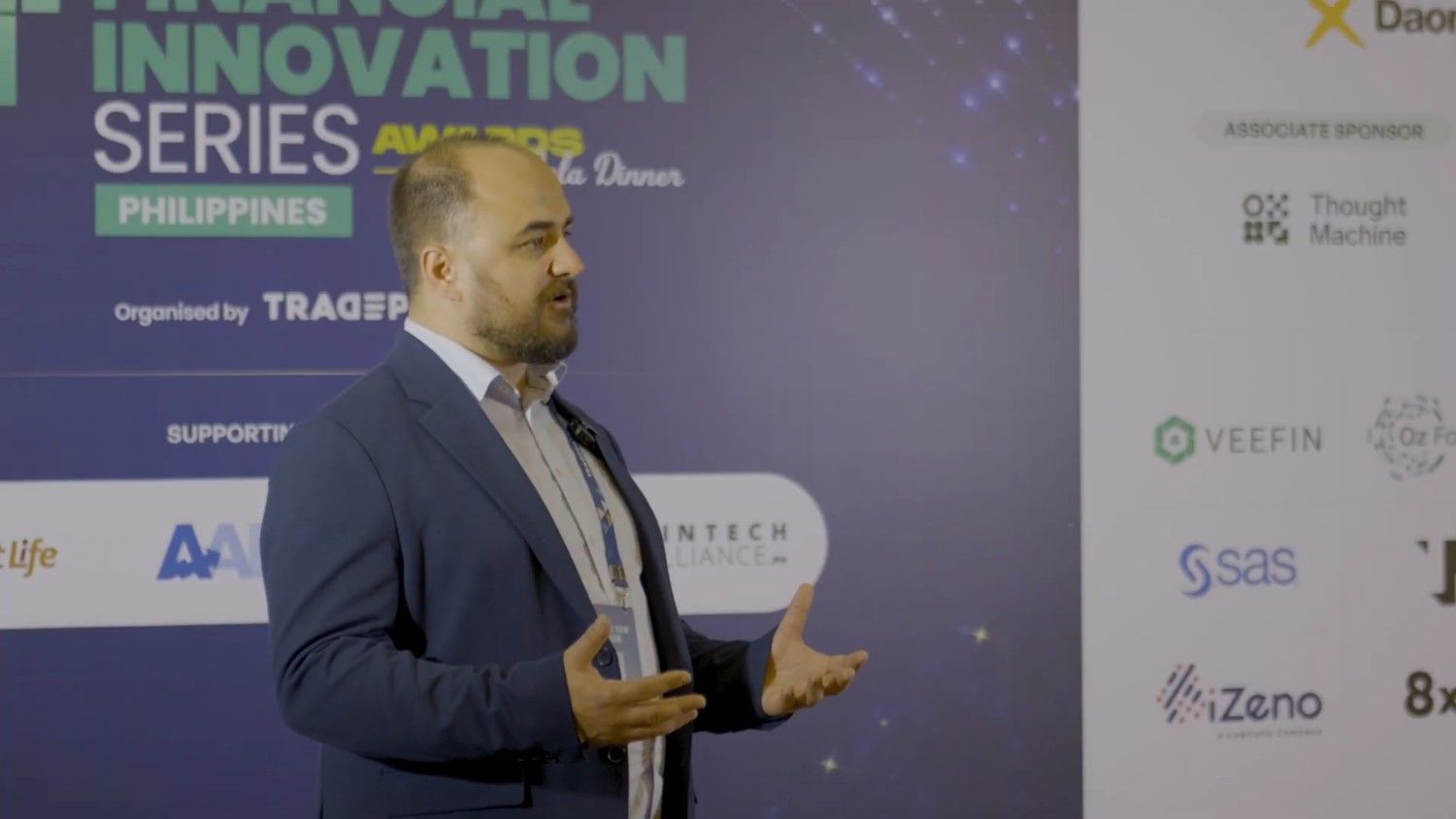
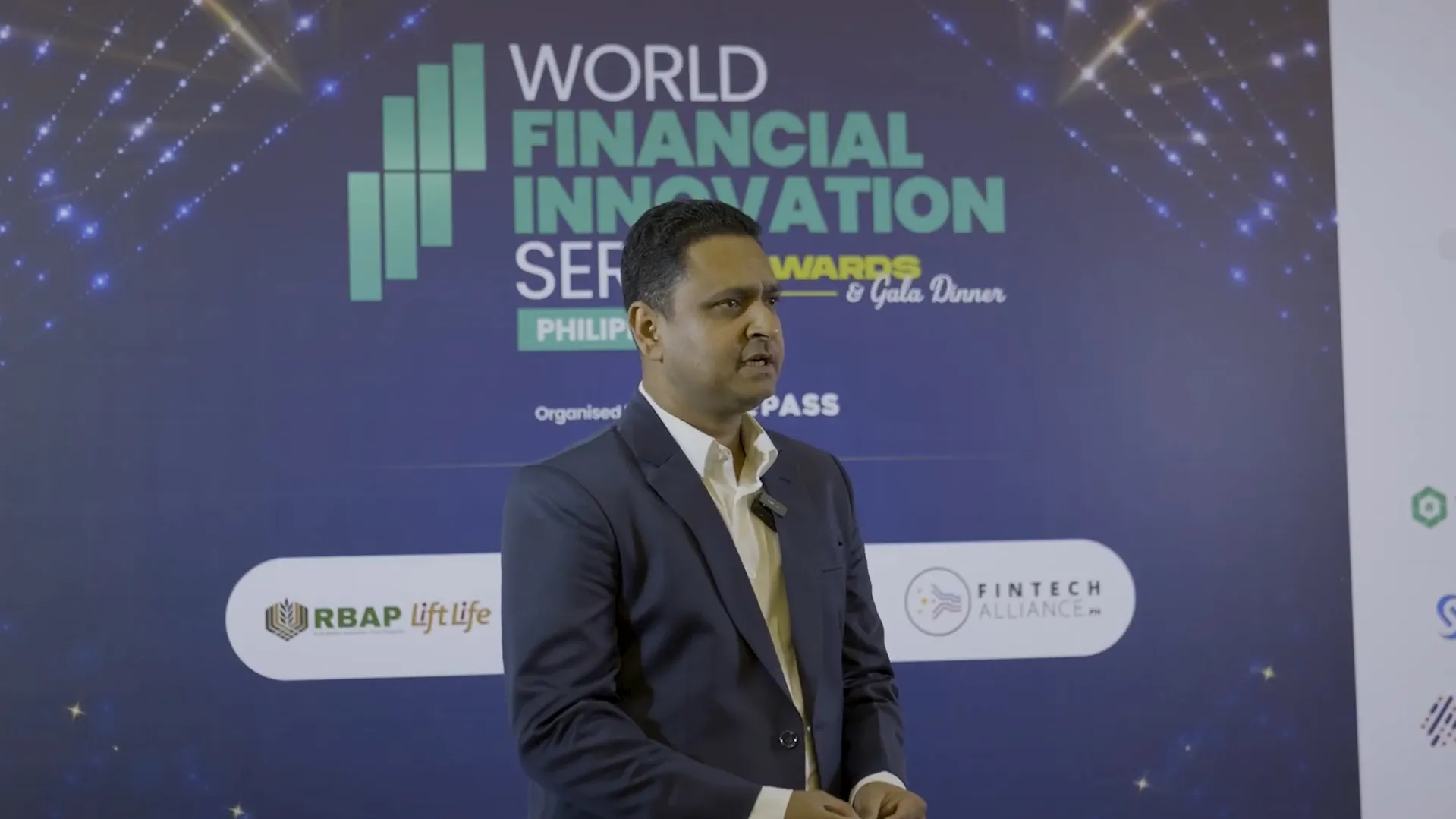
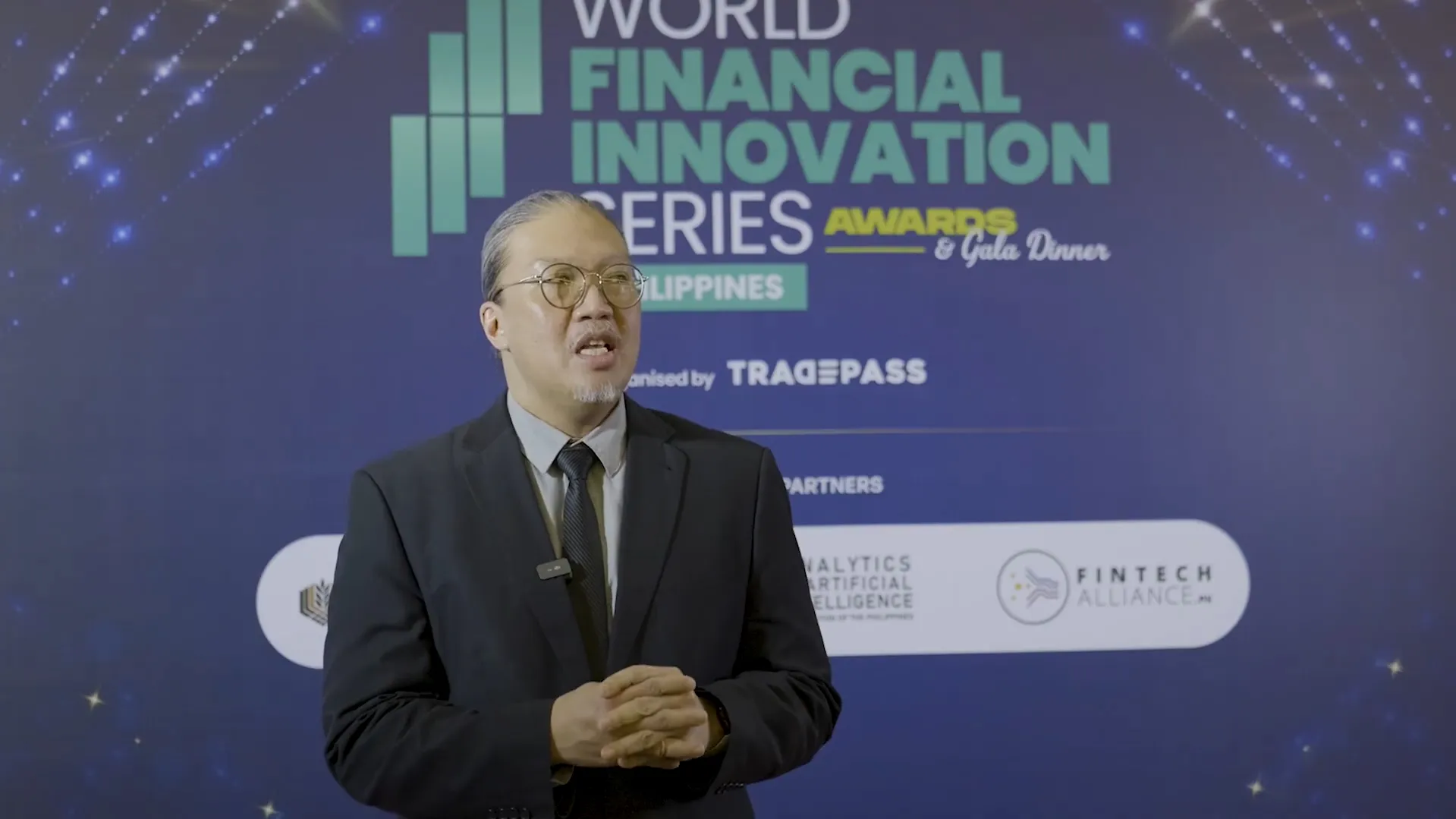
Meet Leading Cybersecurity Experts at WFIS
Financial fraud in Southeast Asia has evidently evolved past stolen passwords and phishing emails. Today’s attackers deploy synthetic identities, AI-generated deepfakes, and automated account-takeover (ATO) bots capable of defeating traditional verification checks at scale. Defending against this new class of threats demands a fundamental rearchitecture of how institutions verify identity, secure their infrastructure, and collaborate across borders.
The World Financial Innovation Series (WFIS) brings together C-suite executives, cybersecurity leaders, government officials, policymakers, and technology providers to translate frameworks like these into actionable strategies. Taking place on 25–26 August 2026 at the Manila Marriott Hotel, WFIS offers a rare opportunity to benchmark against regional peers, engage directly with regulators shaping ASEAN’s security policy, and build the cross-border partnerships this new threat landscape demands.
Register today!
Frequently Asked Questions (FAQs)
How do modern deepfakes bypass traditional biometric verification in banks?
Modern deepfakes manipulate audio and video feeds in real time, tricking basic liveness detection checks into registering synthetic AI media as authentic human biometric inputs during identity validation.
What are the main indicators of an automated account takeover?
Key warning indicators include abrupt changes in device telemetry, unfamiliar IP locations, unusual behavioral patterns, and rapid attempts to change core credential parameters right before requesting large capital transfers.
Why are standard API connections highly vulnerable to synthetic fraud?
APIs often lack continuous verification mechanics, meaning that if an attacker successfully steals a credential or token, they gain unverified, lateral access to interconnected core financial databases.
How do zero-trust architectures limit internal financial data breaches?
Zero-trust architecture enforces a policy of continuous authentication, ensuring that every user, device, and API transaction is verified, while micro-segmentation isolates breaches to prevent network-wide data access.
What is the primary benefit of cross-border fraud intelligence registries?
Cross-border registries allow regional financial institutions to instantly share telemetry data, meaning a deepfake signature or fraud device detected in one nation is blocked across the entire region.