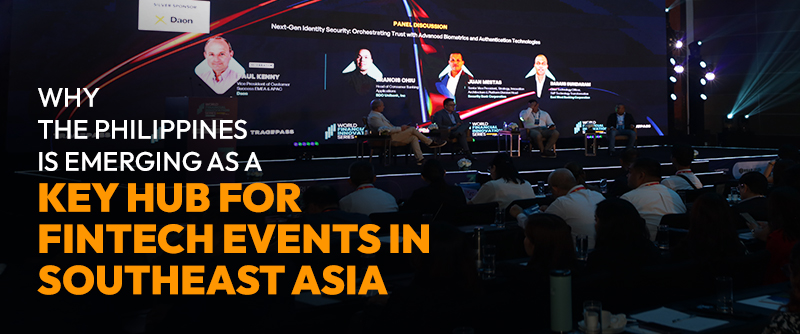
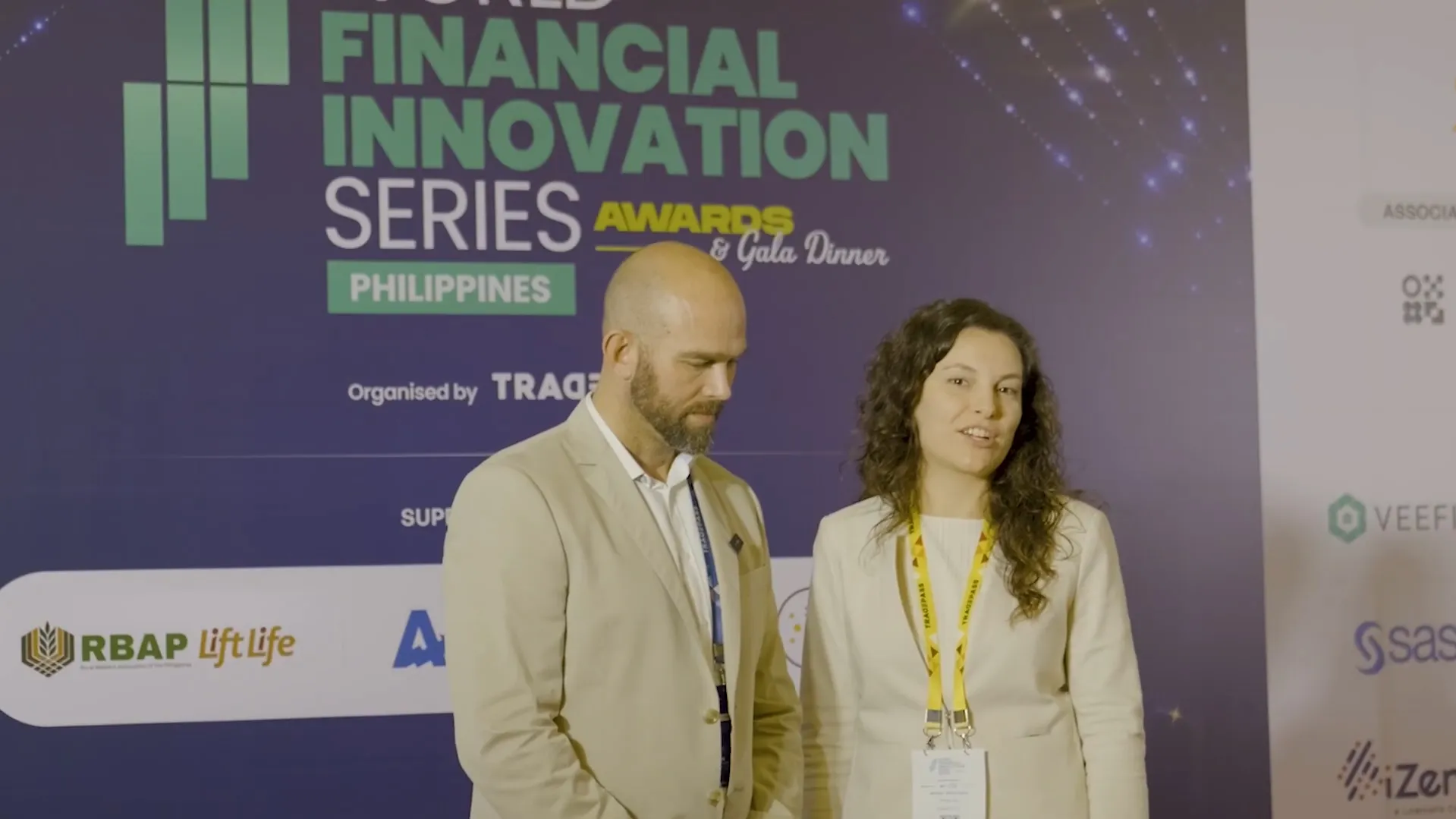
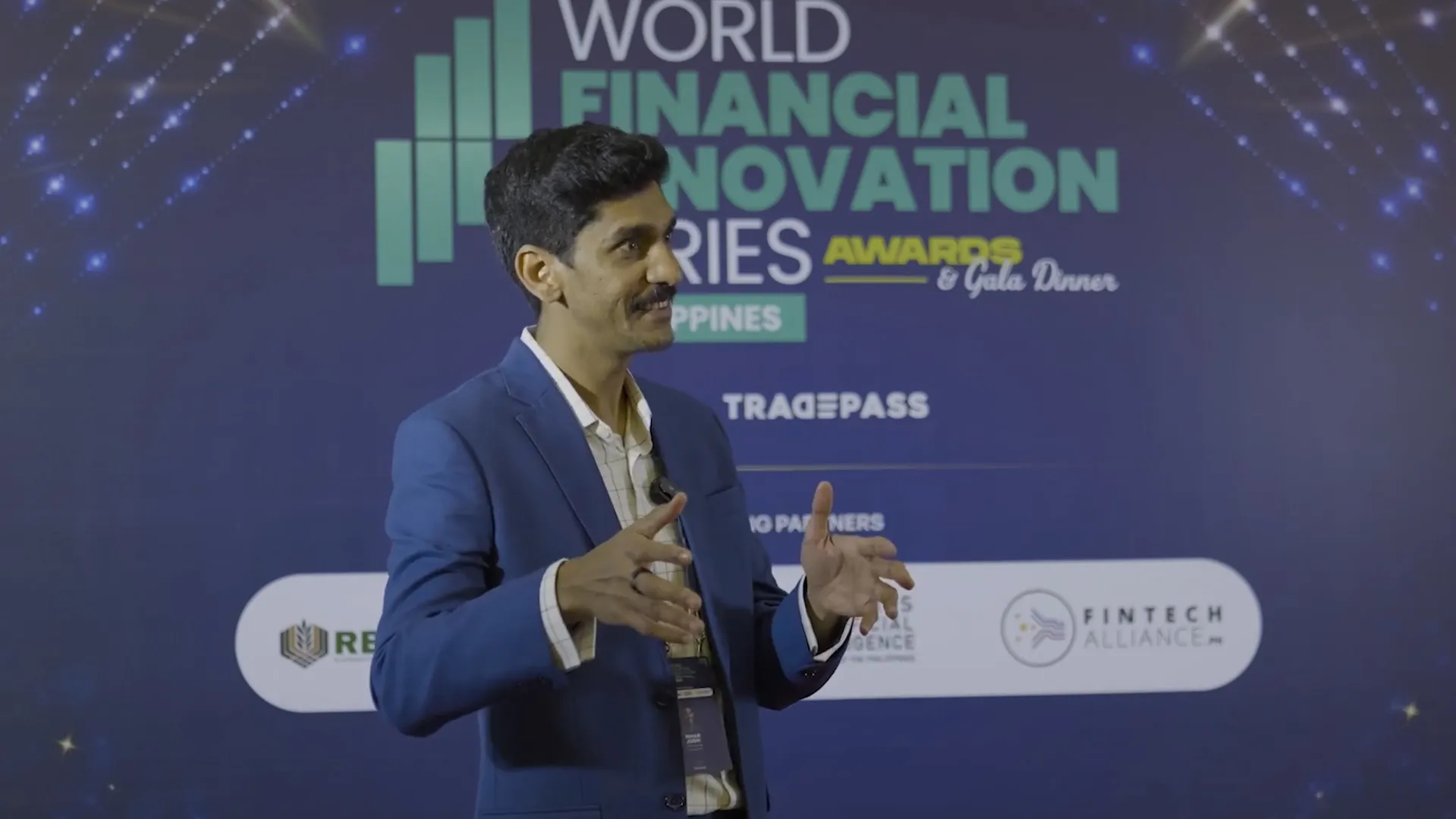
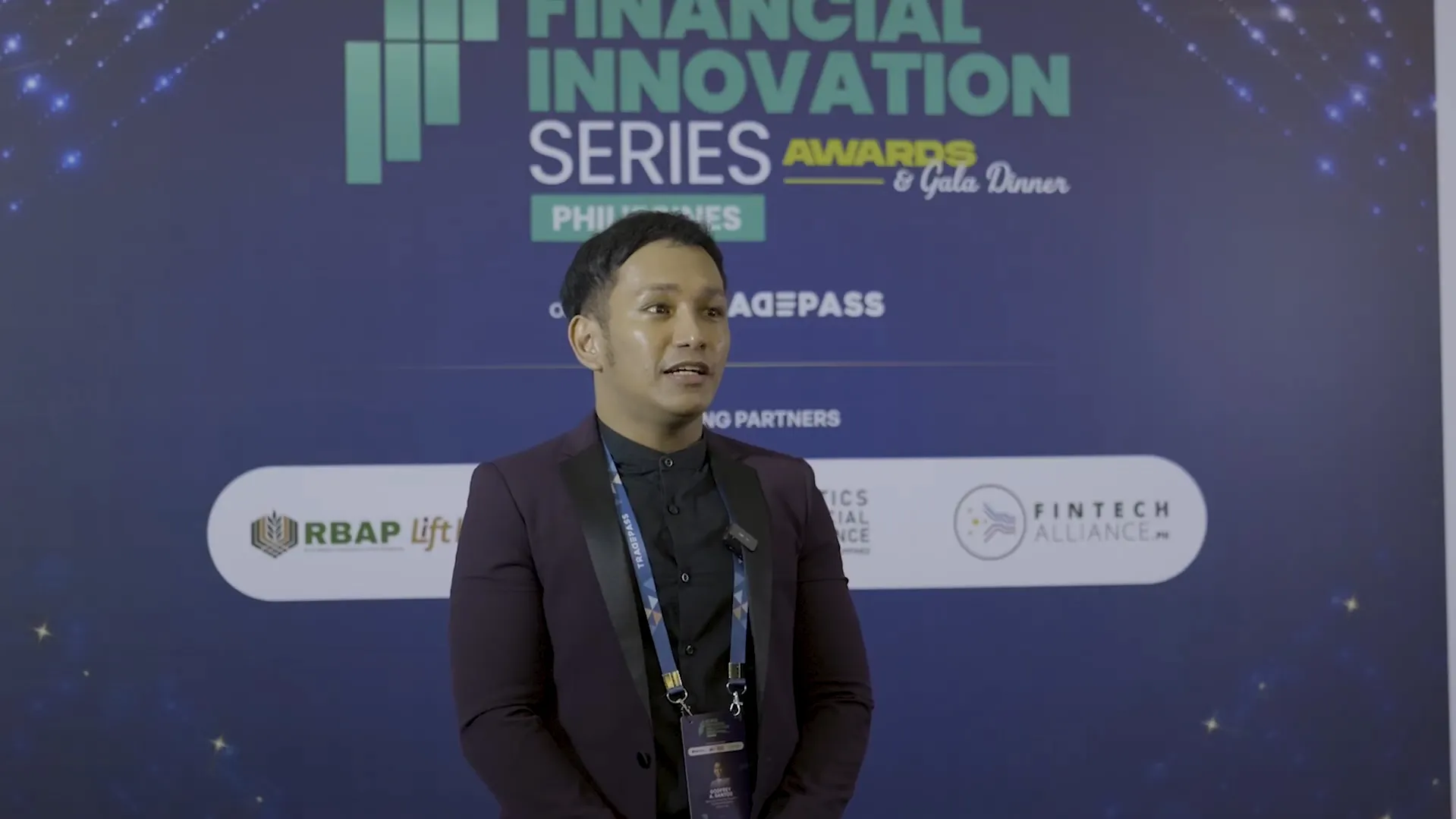
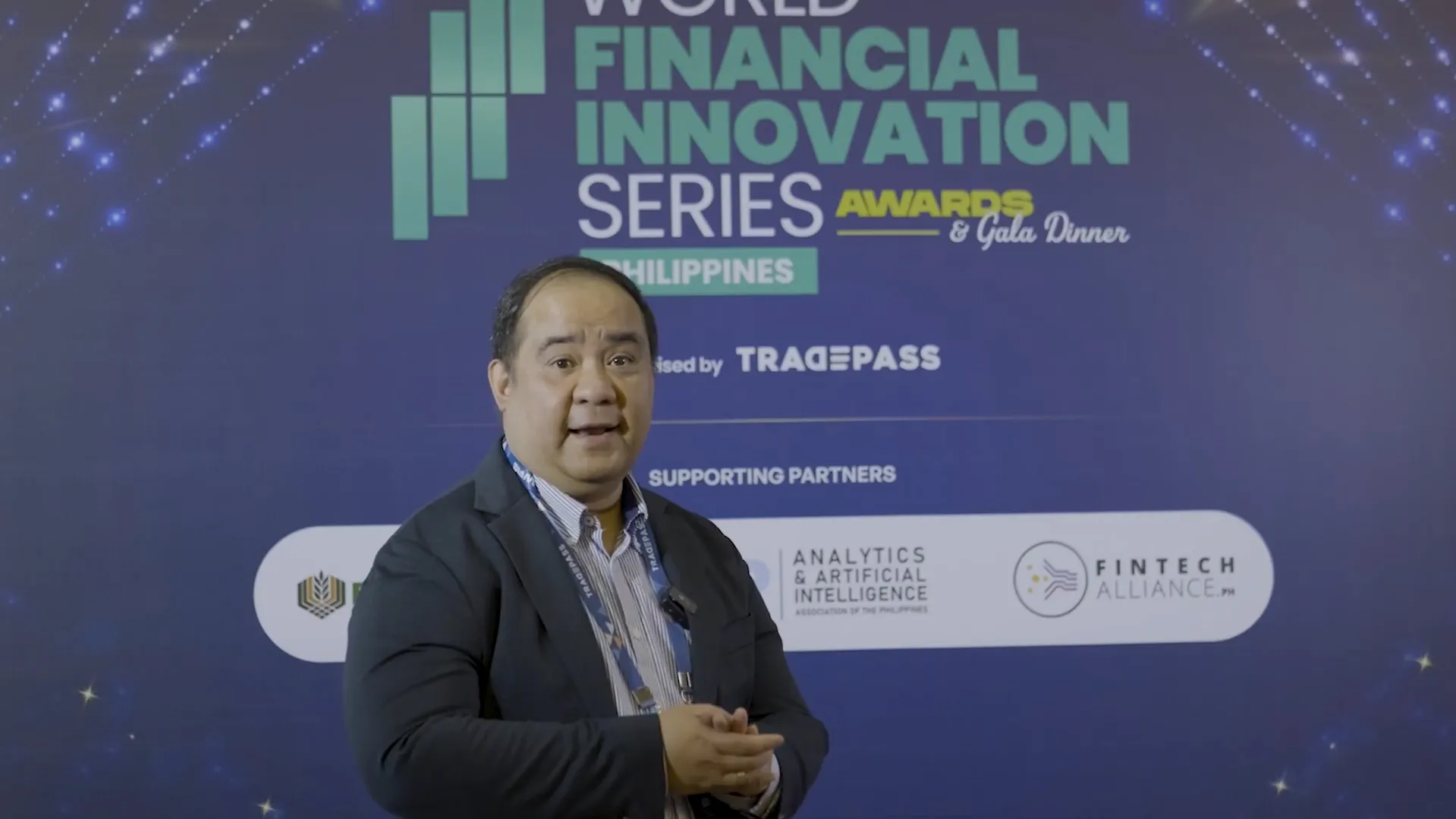
The Philippines is steadily gaining attention as a prime destination for fintech gatherings in Southeast Asia. With a young, tech-aware population and strong mobile adoption, the country offers fertile ground for financial innovation discussions. Decision-makers, investors, and technology providers are increasingly turning their focus here, not just to observe but to actively participate. The rise of this growing phenomenon, commonly referred to as fintech event Philippines reflects broader economic and regulatory shifts that are opening new opportunities. For delegates, C-suite executives, sponsors and tech providers, the Philippines presents a compelling mix of market potential, policy support, and real-world use cases that are shaping the future of financial services in the region.
Philippines’ Rise in the Regional Fintech Event Circuit
Over the past few years, the Philippines has transitioned from being a participant in regional fintech discussions to becoming a host nation for influential industry gatherings. This shift is not accidental, it reflects a growing recognition of the country’s role in financial services transformation. Event organizers are increasingly choosing Manila and other major cities because they offer access to both emerging startups and established financial institutions.
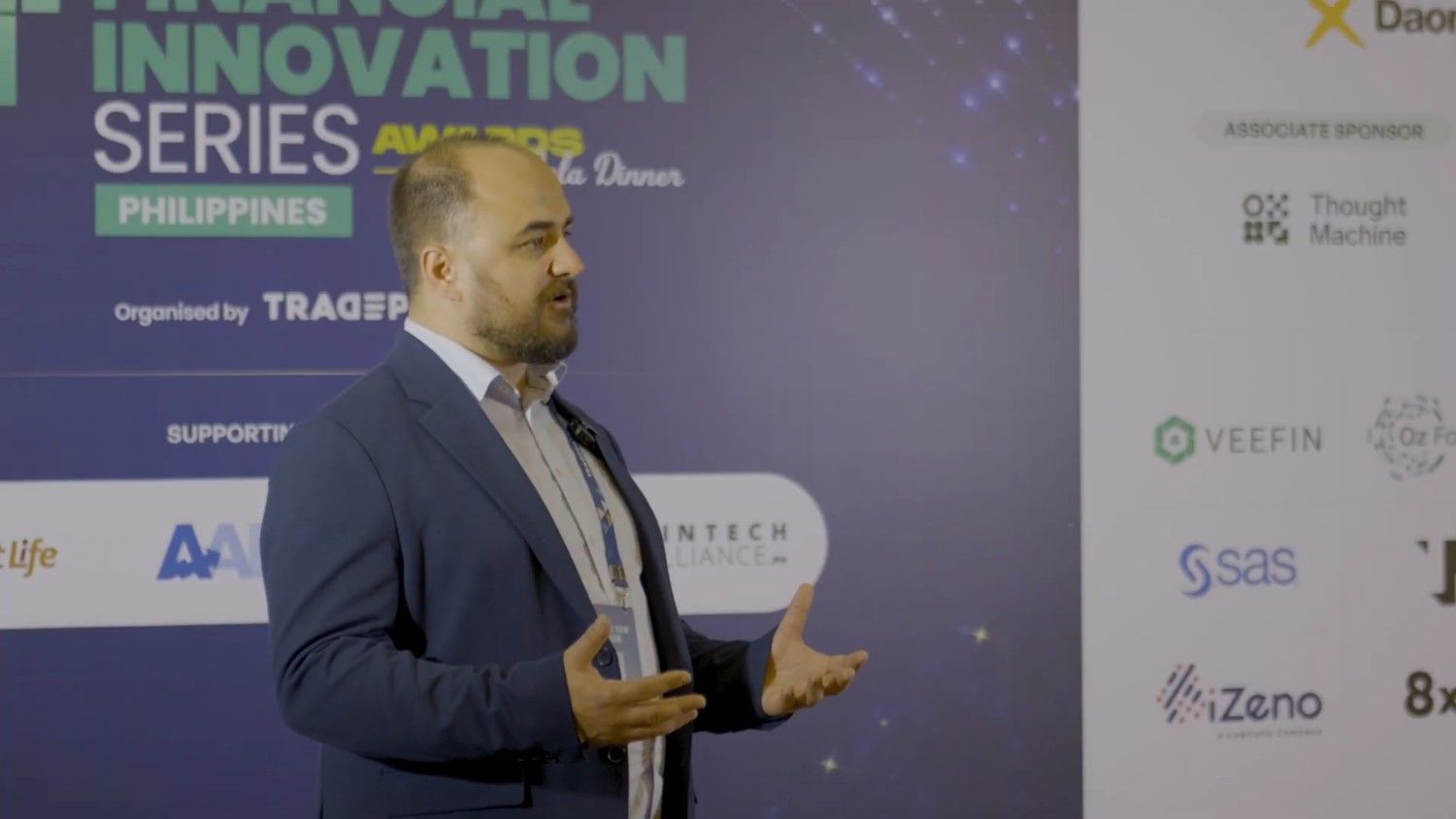
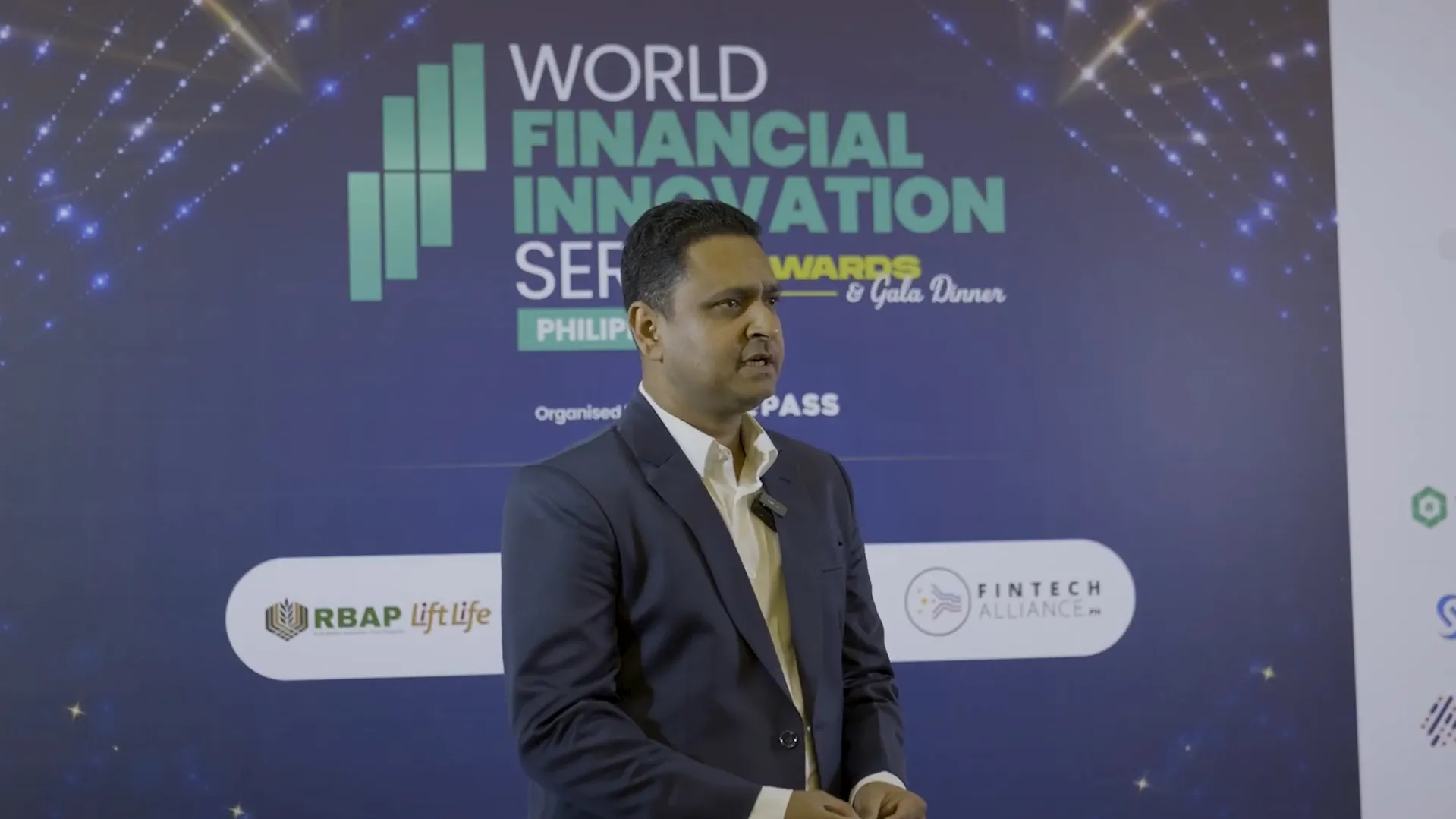
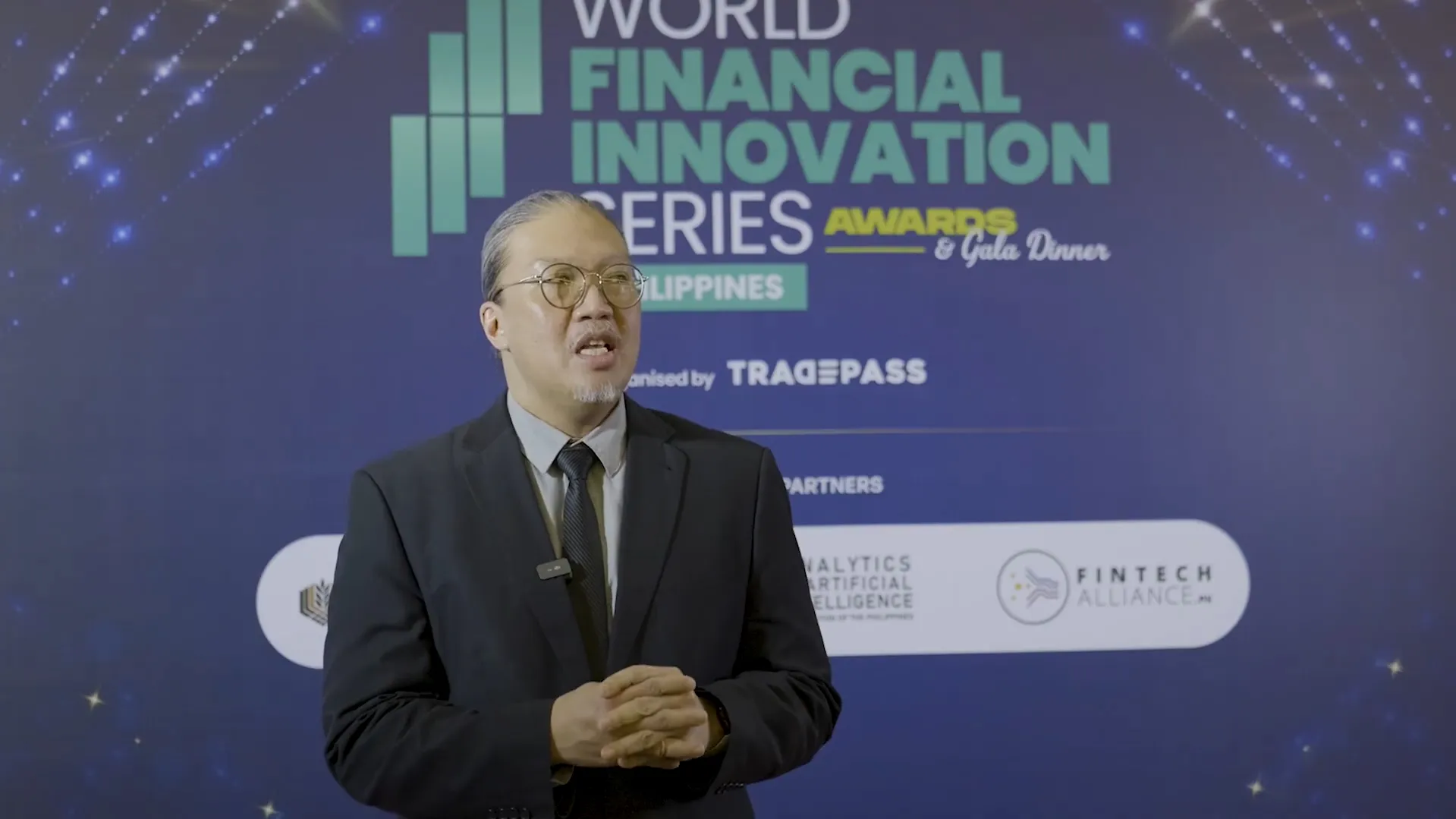
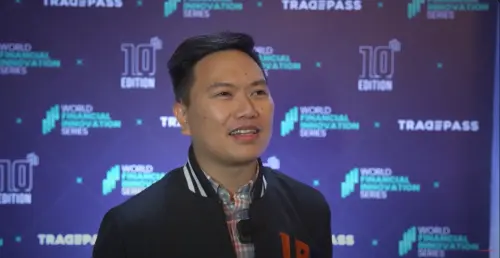
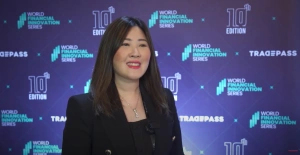
Attendance data from recent conferences shows a steady increase in international participation, signaling rising global interest. The WFIS conference has contributed to this momentum by bringing together diverse stakeholders under one roof. What makes these events particularly impactful is the mix of perspectives, from regulators and banks to fintech founders and investors, creating a space where real partnerships are formed.
Another reason for this rise is accessibility. The Philippines serves as a natural meeting point within Southeast Asia, making it easier for regional delegates to attend. Combined with a strong English-speaking workforce and cultural openness to innovation, the country continues to strengthen its position as a preferred destination for fintech gatherings.
Strong Digital and Fintech Growth Backed by Data
The Philippines’ emergence as an event hub is closely tied to measurable growth in its digital economy. According to Bangko Sentral ng Pilipinas (BSP), digital payments accounted for over 40% of total retail transactions in recent years, a sharp increase from just a decade ago. This rapid shift demonstrates how quickly consumers and businesses are embracing technology-driven financial services.
Mobile wallet usage has surged, with millions of Filipinos now relying on platforms like GCash and Maya for everyday transactions. Internet penetration has also improved significantly, supporting wider adoption of online banking and digital financial tools. These trends create a strong foundation for meaningful discussions at any fintech event Philippines, as participants can engage with real data and practical use cases rather than theoretical models.
Investments in fintech startups are also on the rise, attracting both regional and global investors. The combination of user demand, investor confidence, and technological infrastructure makes the Philippines a dynamic environment. For event attendees, this translates into opportunities to explore partnerships, test solutions, and gain insights grounded in real market behavior rather than speculation.
Regulatory Momentum and the Open Finance Framework
One of the strongest drivers behind the Philippines’ growing reputation is its supportive regulatory environment. Authorities have taken a forward-looking approach, encouraging innovation while maintaining financial stability. This balance is particularly evident in the development of the open finance framework, which aims to enable secure data sharing among financial institutions.
By promoting interoperability and customer-centric services, this framework allows fintech companies and banks to collaborate more effectively. It opens the door for new products, improved customer experiences, and increased competition. Regulators in the Philippines are not just observers, they actively participate in industry discussions, often speaking at major conferences and engaging directly with stakeholders.
This level of involvement builds trust among participants. Delegates and sponsors attending events in the country can expect meaningful dialogue with policymakers, rather than one-sided presentations. The presence of regulatory leaders at gatherings such as the WFIS conference ensures that conversations move beyond theory and into actionable insights, making these events more valuable for all attendees.
Financial Inclusion as a National Priority
Financial inclusion remains a central focus in the Philippines, shaping both policy and industry initiatives. Despite significant progress, a portion of the population still lacks access to formal financial services. Addressing this gap has become a national priority, driving innovation across the fintech sector.
Efforts to expand financial inclusion in the Philippines include digital banking licenses, agent banking models, and government-backed programs aimed at reaching underserved communities. These initiatives create a strong narrative for fintech events, where discussions often center on real challenges and scalable solutions.
What sets the Philippines apart is its commitment to measurable outcomes. Stakeholders are not just talking about inclusion, they are tracking progress through data and implementing programs that deliver tangible results. This focus resonates with international delegates who are looking for markets where their solutions can make a meaningful impact.
For sponsors and technology providers, this environment offers a unique opportunity to align their offerings with national goals. Events held in the Philippines become more than networking platforms; they serve as spaces where participants can contribute to a broader mission while also achieving business objectives.
Manila’s Strategic Role as an Event Destination
Manila plays a crucial role in positioning the Philippines as a hub for fintech gatherings. As the country’s financial and commercial center, it provides the infrastructure and connectivity needed to host large-scale international events. The city is home to major banks, fintech firms, and regulatory bodies, making it a natural focal point for industry discussions.
Accessibility is another advantage. Manila is well-connected to major cities across Asia, allowing delegates to travel with ease. The availability of world-class venues, such as the Manila Marriott, further enhances the experience for attendees. These facilities are equipped to host high-level conferences, exhibitions, and networking sessions.
Beyond logistics, Manila offers a vibrant business environment that adds depth to any event. Attendees can engage with local companies, explore partnerships, and gain firsthand insights into the market. This combination of convenience and opportunity makes the city an attractive destination for organizers and participants alike, reinforcing the Philippines’ growing reputation in the regional event circuit.
What This Means for Industry Professionals and Tech Experts
For FSI professionals, the Philippines offers access to a market that is actively adopting fintech solutions. Attending events here provides exposure to real-world applications, allowing participants to gain insights that are directly relevant to their work. The diversity of attendees also ensures a broad exchange of ideas, from technical discussions to strategic planning.
C-suite executives benefit from the opportunity to engage with regulators and tech leaders in a collaborative setting. These interactions can lead to partnerships, policy insights, and strategic opportunities that are difficult to achieve elsewhere. The presence of government officials at events adds an extra layer of value, enabling high-level discussions that go beyond surface-level networking.
Sponsors, on the other hand, gain visibility in a market that is both growing and receptive to innovation. By participating in a fintech event Philippines, they can showcase their solutions to a targeted audience while also building brand credibility. The combination of business opportunities and meaningful engagement makes the Philippines an increasingly attractive destination for all stakeholders involved in fintech events.
Continuing the Momentum at WFIS Philippines 2026
The upcoming WFIS conference on 25–26 August 2026 at Manila Marriott brings together industry leaders, policymakers, and innovators driving financial progress. Engage in meaningful discussions, explore partnerships, and gain insights into inclusion, innovation, and intelligence shaping the sector. Whether you are a delegate or sponsor, this is your opportunity to connect with key stakeholders and contribute to the future of finance in the Philippines.