The Philippines has emerged as one of Southeast Asia’s most dynamic digital finance markets. Rapid mobile adoption, a young population, and growing demand for accessible services have created fertile ground for innovation. At the heart of this paradigm shift is the evolving phenomenon called “Fintech Philippines”, a sector that is reshaping how individuals and businesses save, pay, borrow, and invest. Beyond technology alone, progress is being powered by collaboration, between regulators, banks, startups, and global players, working together to build inclusive, resilient financial ecosystems. As financial technology Philippines continues to mature, shared efforts are proving essential to closing gaps and unlocking nationwide economic participation.
Digital Finance Gains Structure Through Shared Efforts
Digital finance does not grow in isolation. In the Philippines, its structure has taken shape through coordination among regulators, incumbents, and innovators. Government agencies have laid the groundwork by promoting interoperability standards, digital ID systems, and open finance initiatives. These shared frameworks help fintech providers scale responsibly while maintaining trust.
At the same time, industry associations and consortiums encourage dialogue, ensuring that new products align with national goals. This structured collaboration helps avoid fragmentation and reduces duplication of effort. For consumers, the result is a smoother experience, wallets that connect easily to banks, payment rails that work across platforms, and services that feel intuitive rather than experimental. This cooperative approach has become a defining feature of fintech Philippines, allowing innovation to move forward without sacrificing stability.
Partnerships Improve Access to Basic Services
Access remains one of the biggest challenges in emerging markets. Millions of Filipinos are still unbanked or underbanked, particularly in rural areas. Partnerships between fintech startups, telecom companies, and local banks are changing this reality by extending basic services such as digital payments, micro-savings, and remittances.
By leveraging existing mobile infrastructure, providers can reach customers without traditional branch networks. These collaborations reduce costs and allow services to be tailored to local needs, from low-value transactions to flexible onboarding. Importantly, such initiatives support national financial inclusion policies, ensuring that technology serves broader social objectives rather than niche markets. When access improves, participation follows, empowering households and small businesses to engage more fully in the economy.
Public and Private Groups Build Stronger Systems
Strong financial systems depend on trust, security, and resilience. In the Philippines, this strength is being built through close cooperation between public institutions and private innovators. Regulators provide clear guidelines on data protection, cybersecurity, and consumer rights, while private firms contribute technical expertise and agility.
These public-private partnerships allow for controlled experimentation, such as regulatory sandboxes, where new models can be tested safely. Lessons learned are then integrated into national frameworks, benefiting the entire ecosystem. This approach balances innovation with oversight, ensuring that growth does not outpace risk management. Over time, such collaboration builds confidence among users and investors alike, reinforcing the credibility of financial technology Philippines.
Innovation Moves Faster Through Shared Platforms
Speed matters in digital finance, but so does compatibility. Shared platforms, such as interoperable payment systems and open APIs, enable faster innovation by reducing barriers to entry. Fintech firms can focus on solving customer problems rather than rebuilding infrastructure from scratch.
In the Philippines, shared rails have accelerated the rollout of real-time payments and digital wallets that work seamlessly together. This environment encourages healthy competition while preventing monopolies. Startups gain access to broader markets, and established players benefit from fresh ideas. The collective momentum generated by these platforms underscores how fintech Philippines thrives when innovation is treated as a collaborative journey rather than a zero-sum race.
Better Rules Build Safer Digital Finance
Regulation is often seen as a constraint, but in digital finance, good rules are an enabler. Clear, consistent policies reduce uncertainty and protect consumers, which is essential for long-term adoption. Philippine regulators have focused on proportionate regulation, setting standards that are robust yet flexible enough to accommodate innovation.
By aligning regulations with evolving technologies, authorities support sustainable growth while mitigating risks such as fraud and data misuse. These efforts complement financial inclusion policies, ensuring that safety does not come at the expense of accessibility. When users feel protected, they are more likely to trust digital services, creating a virtuous cycle of adoption and innovation.
New Access Models Reach Underserved Groups
Innovation is most impactful when it reaches those previously excluded. New access models in the Philippines are doing just that, using alternative data, agent networks, and embedded finance to serve underserved communities. Farmers, gig workers, and micro-entrepreneurs can now access credit and insurance products designed around their realities.
These models often emerge from collaboration between fintech firms and community-based organizations. By combining local knowledge with digital tools, providers can design solutions that resonate culturally and economically. Such initiatives demonstrate how public-private partnerships and inclusive design can transform financial access from a privilege into a basic utility.
Accelerating Growth Through Collaboration and Ideas Exchange at WFIS – Philippines
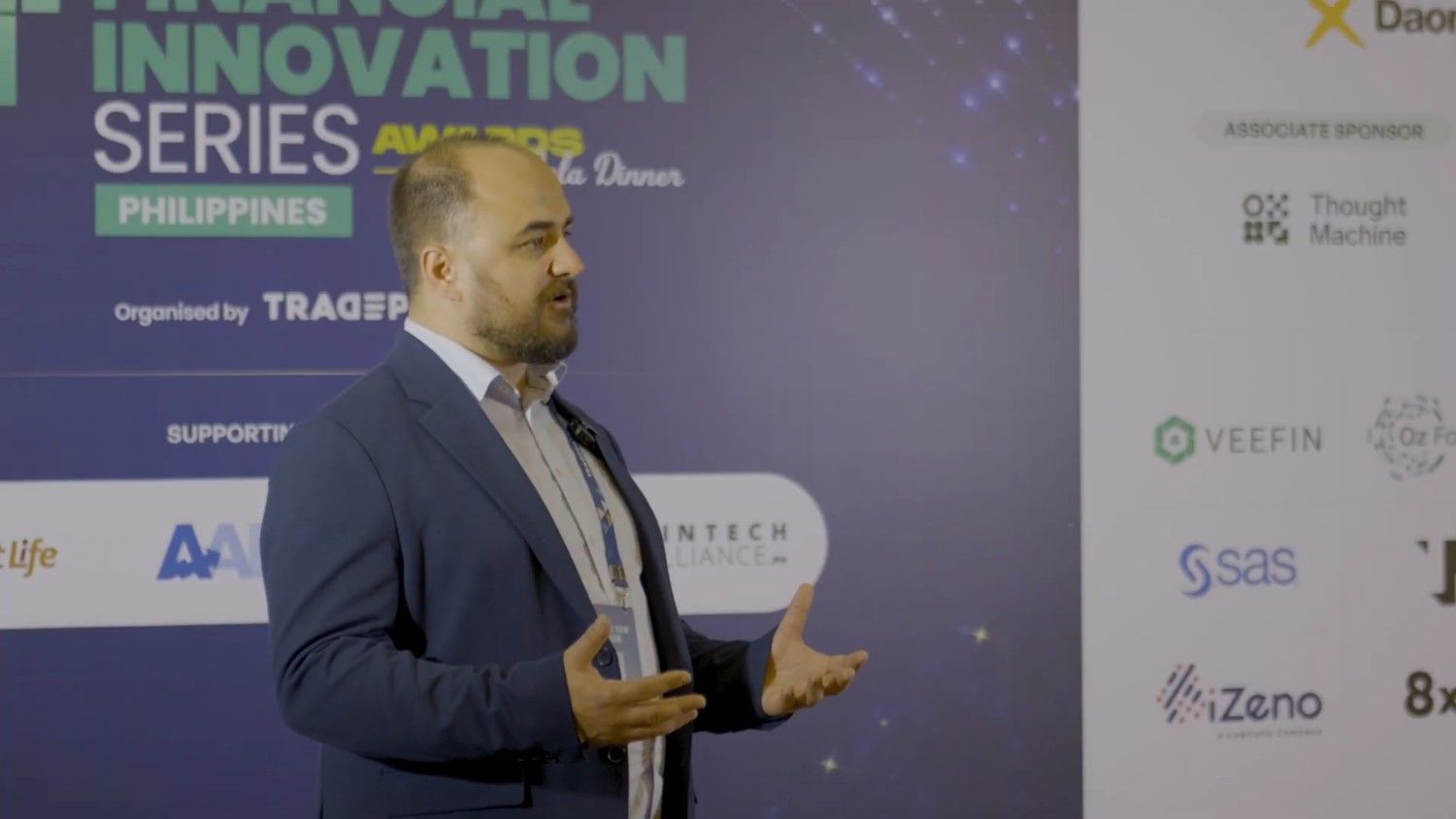
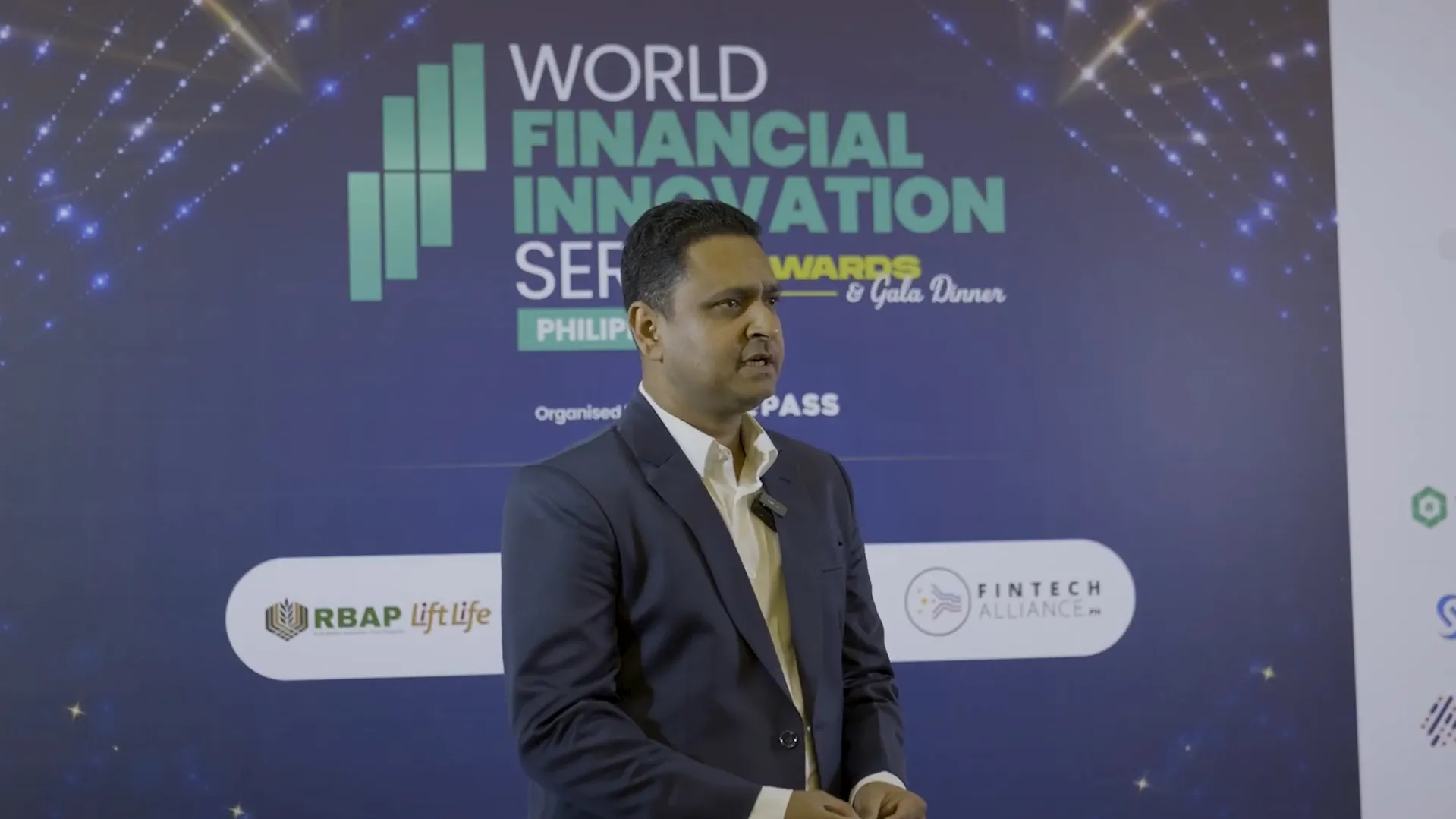
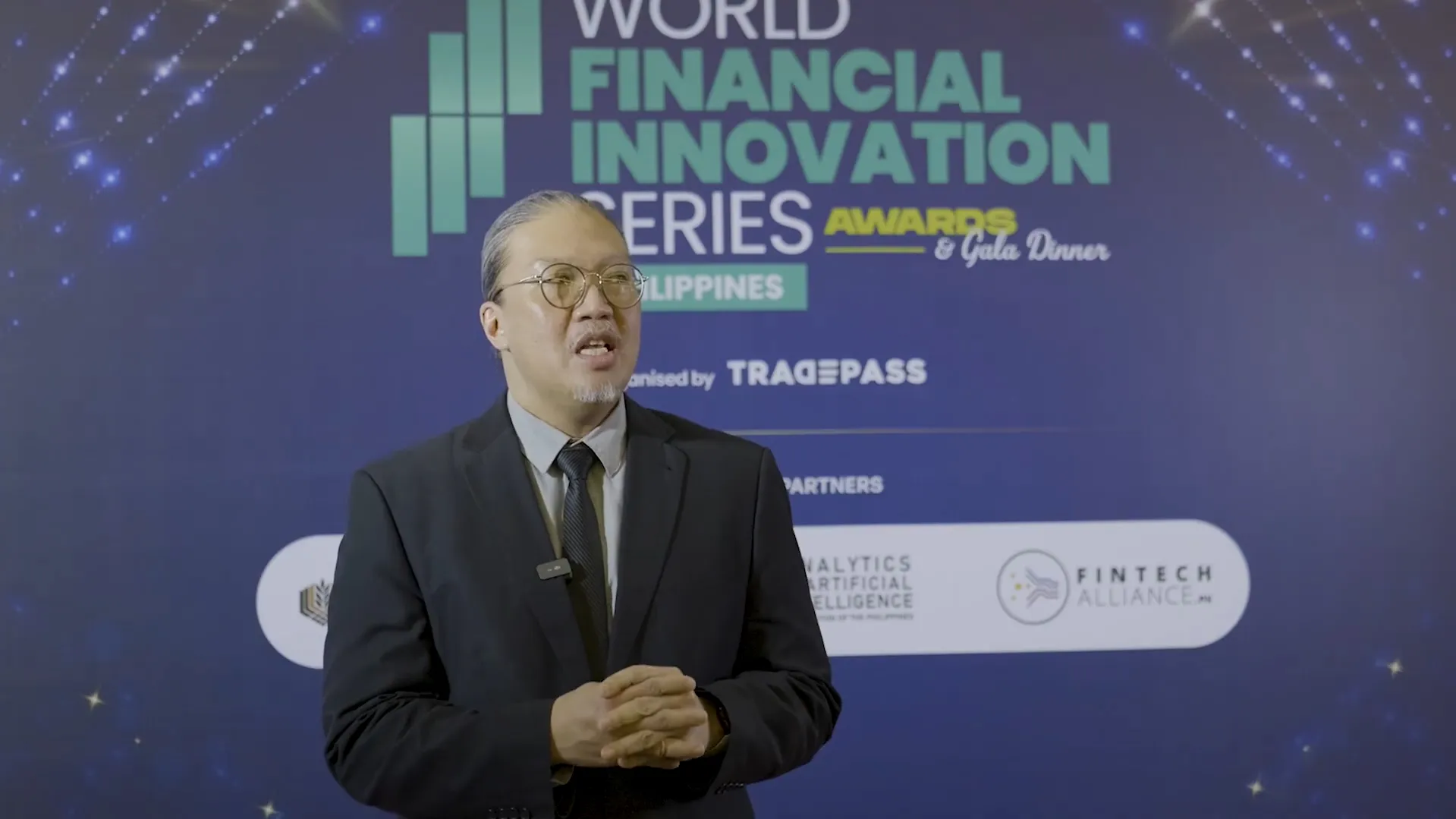
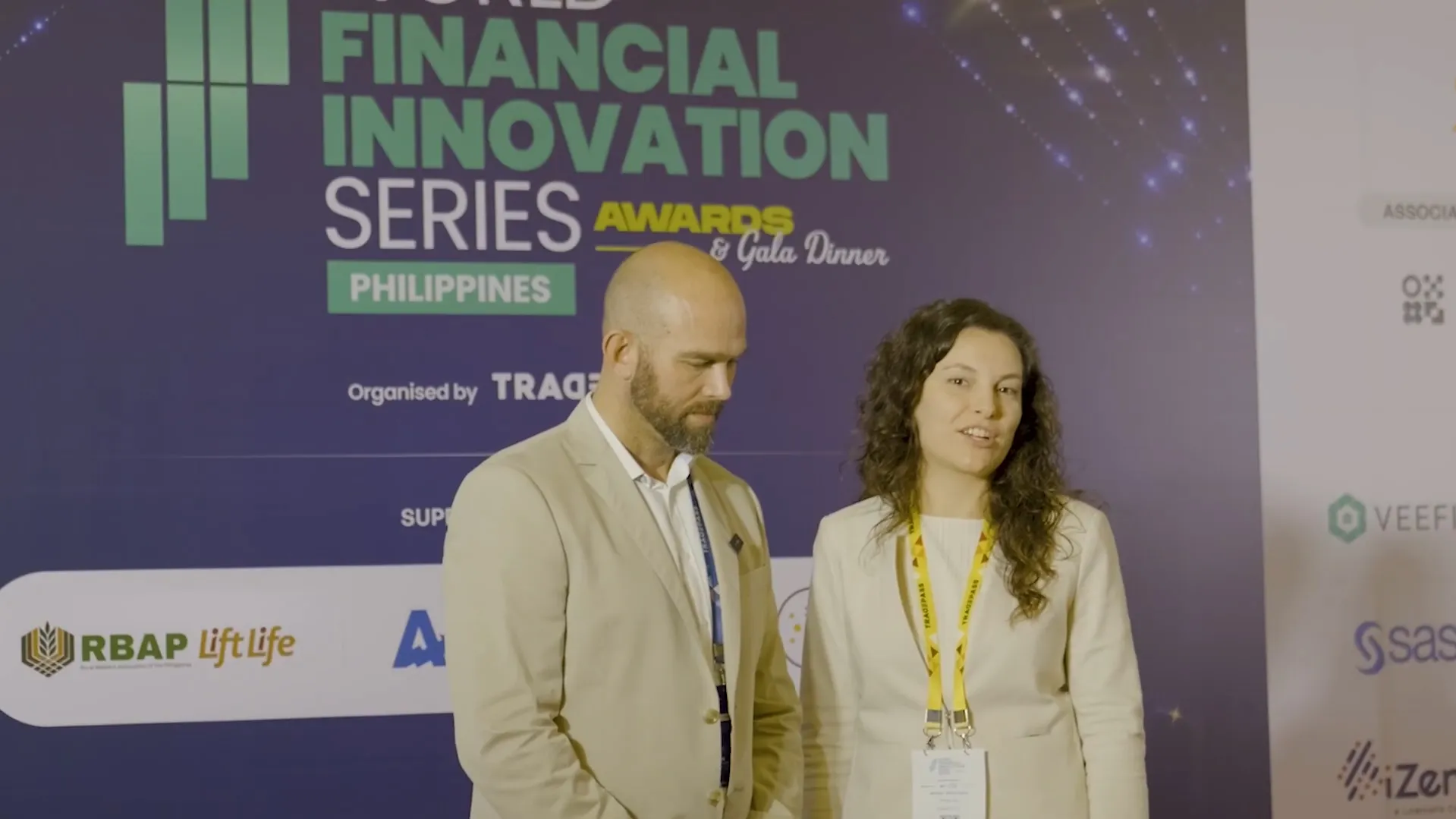
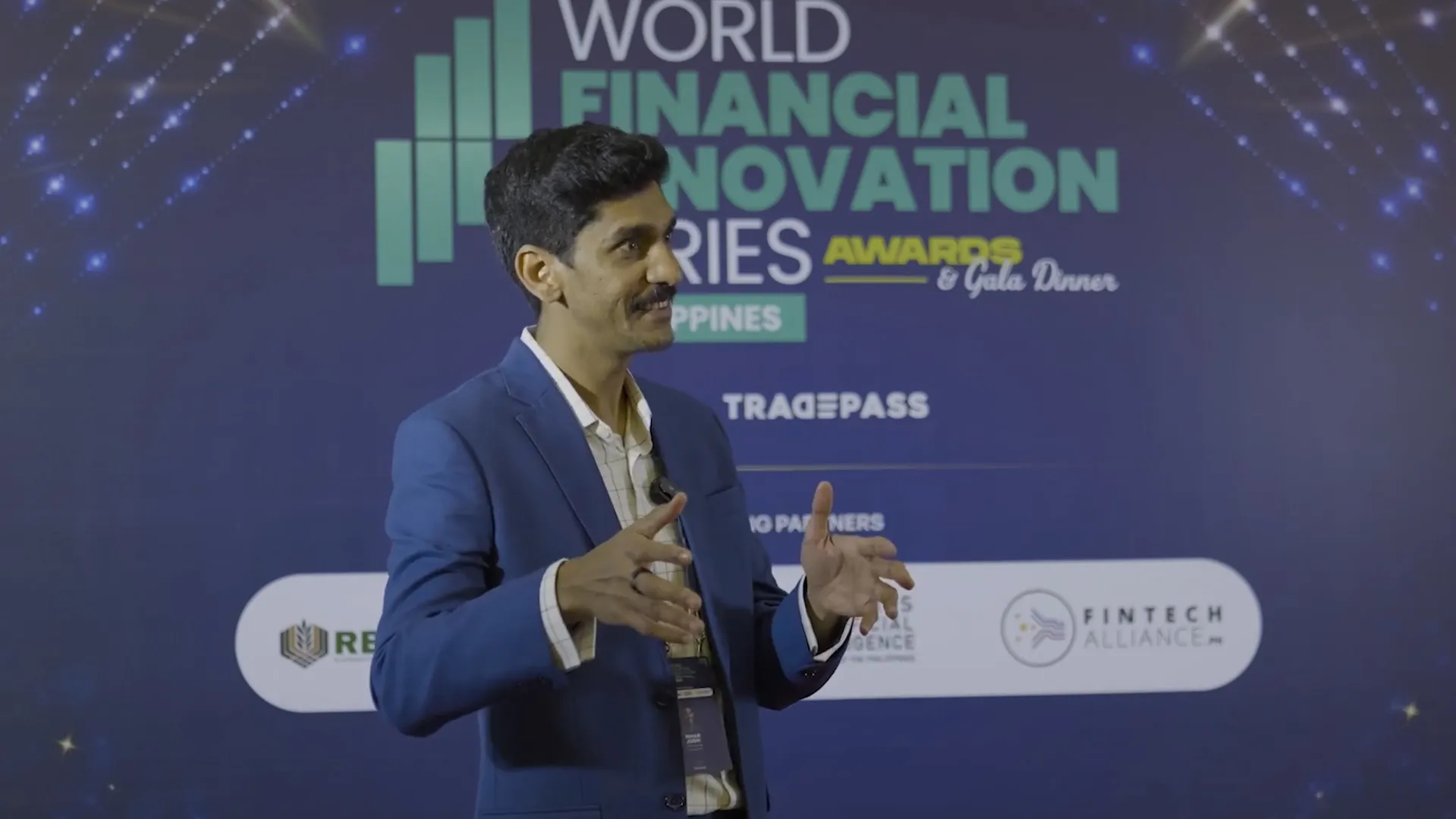
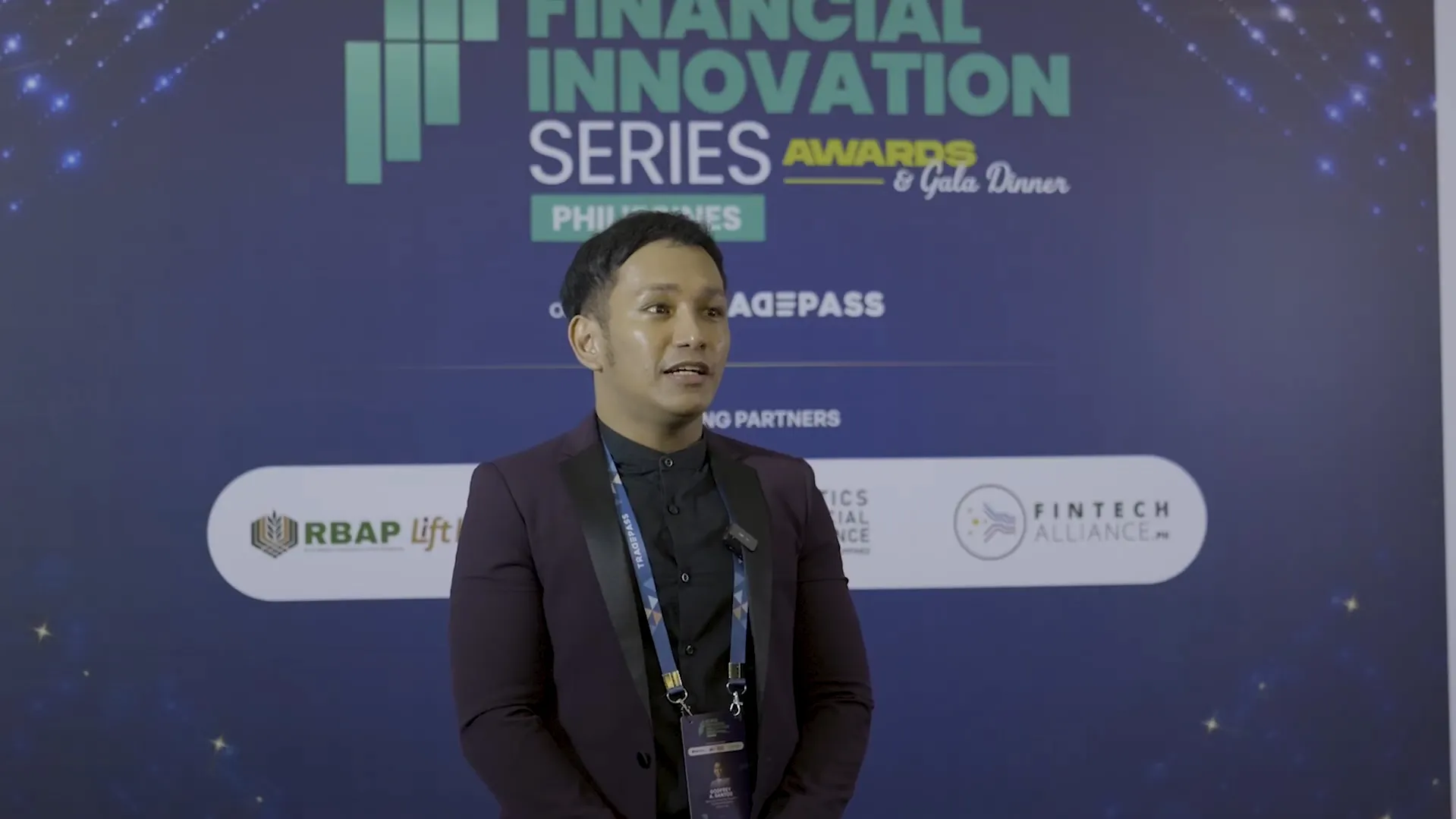
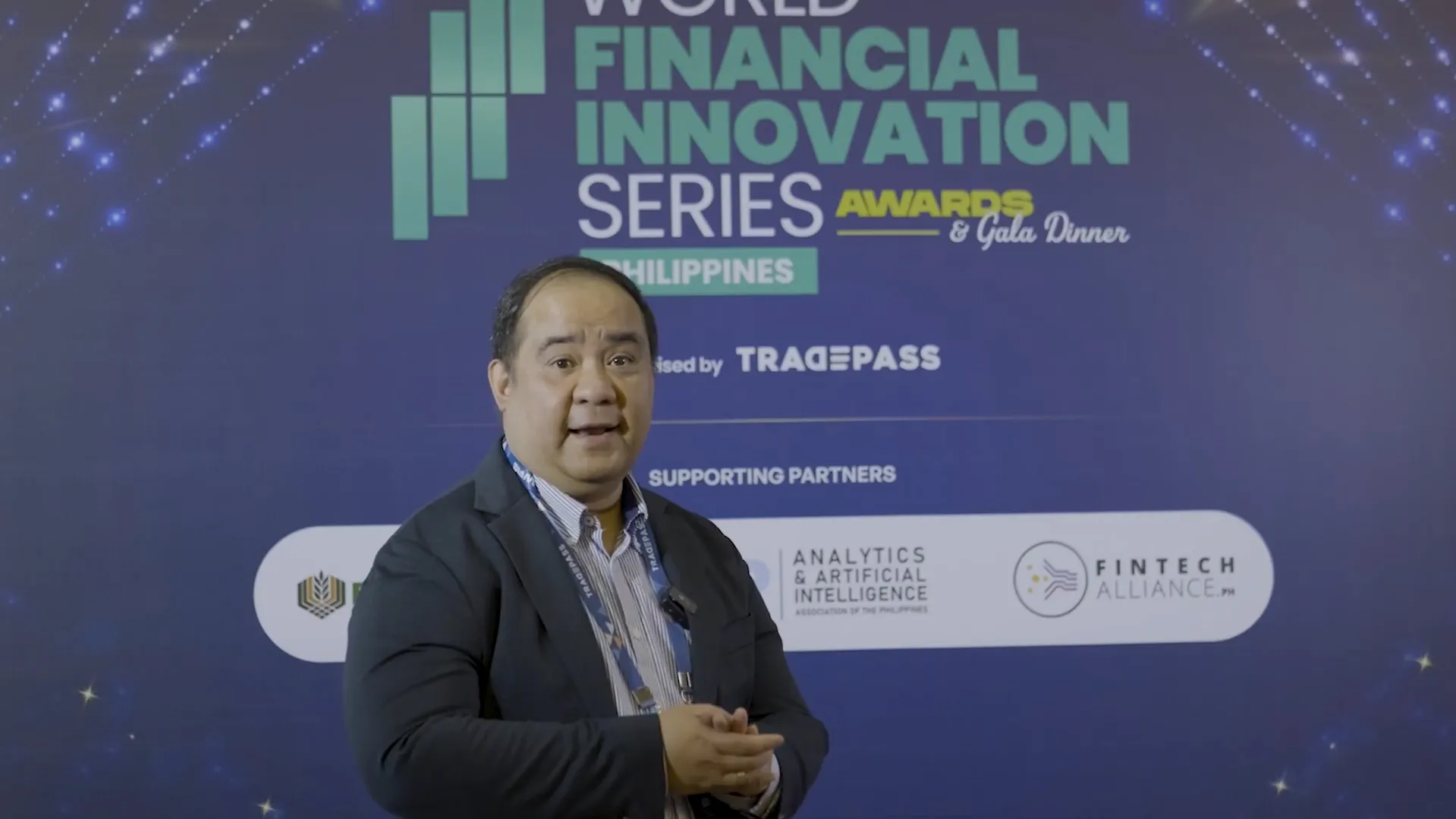
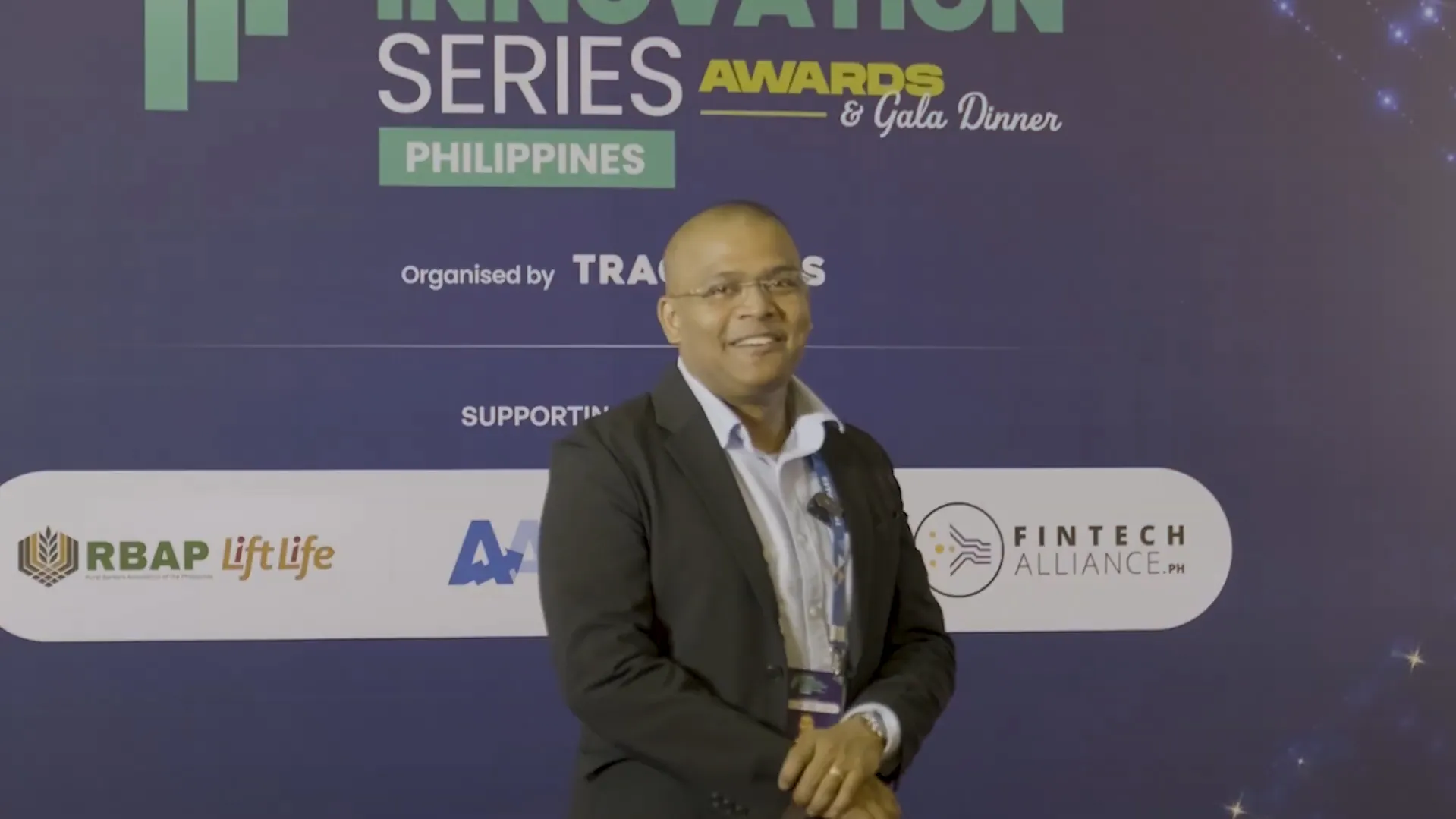
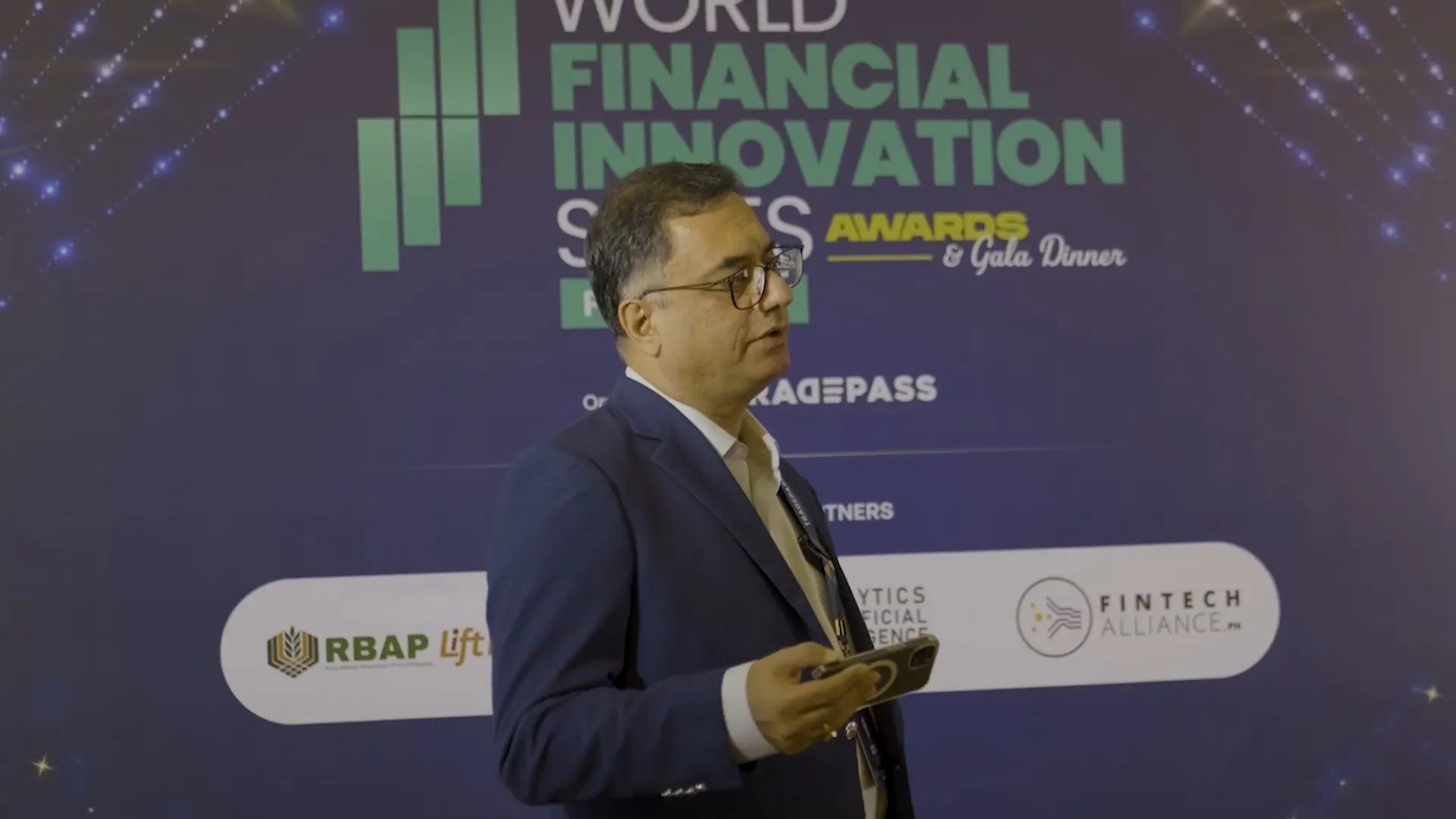
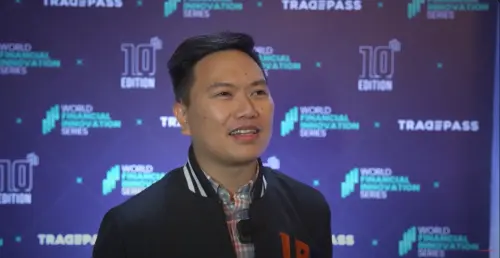
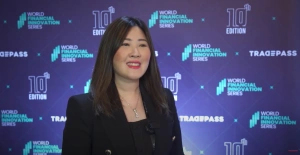
Industry events play a critical role in sustaining momentum. They provide neutral spaces for dialogue, learning, and partnership-building across the ecosystem. World Financial Innovation Series (WFIS) Philippines stands out as a platform where banks, fintechs, regulators, and technology providers converge to exchange ideas and showcase solutions shaping the future of finance.
This exchange of insights accelerates growth by spreading best practices and highlighting emerging trends. For the fintech Philippines community, such gatherings reinforce the importance of collaboration in navigating change and scaling impact across the region.
World Financial Innovation Series (WFIS) Philippines 2026 is the nation’s largest fintech and digital banking event, bringing together leaders from across the financial ecosystem. Taking place on 25–26 August 2026 in Manila Philippines, the event will feature expert-led discussions, technology showcases, and networking opportunities.
Join the Fintech Movement
The future of finance in the Philippines is collaborative, inclusive, and innovative. By engaging with industry platforms, supporting shared initiatives, and embracing responsible technology, stakeholders can help shape a financial ecosystem that works for everyone. Now is the time to be part of the movement driving lasting impact and sustainable growth.