The Philippines is undergoing a measurable shift in financial services, driven by rapid mobile adoption, policy support, and growing demand for accessible banking. With over 70% smartphone penetration and increasing digital payment usage, financial institutions are under pressure to modernize systems and expand reach. As a result, a digital banking conference has become more than a networking platform, it is now a strategic space where decision-makers assess innovation, partnerships, and compliance readiness. For banks, fintech firms, and technology providers, these conferences serve as a benchmark for aligning investments with real market demand.
The Digital Banking Landscape in the Philippines: Market Signals and Strategic Imperatives
The digital banking Philippines ecosystem continues to gain momentum, supported by initiatives from Bangko Sentral ng Pilipinas (BSP) and the rise of licensed digital banks. According to industry estimates, digital payments now account for over 50% of retail transactions, with a target to increase financial inclusion across underserved regions.
This growth creates both opportunity and complexity. Traditional banks are upgrading legacy systems, while new entrants are building fully digital infrastructures. The competition is no longer limited to financial institutions, telecom companies and fintech startups are also entering the space.
For stakeholders attending a banking technology event, the key expectation is clarity on where the market is heading. This includes insights into customer acquisition strategies, cost-efficient digital infrastructure, and the role of embedded finance in expanding services beyond urban centers.
What C-Suite Leaders Expect From a Digital Banking Conference
Senior executives attending a digital banking conference are focused on outcomes that directly influence business performance. Their expectations are structured around three critical areas:
1. Measurable ROI from Technology Investments
C-suite leaders want case-backed discussions that demonstrate how digital platforms improve customer retention, reduce operational costs, and increase transaction volumes.
2. Scalable Business Models
Executives are looking for frameworks that support rapid expansion without increasing risk exposure. This includes cloud adoption strategies, API integrations, and platform-based banking models.
3. Cross-Border Learning
The Philippines is part of a broader Southeast Asian growth story. Leaders expect insights from other markets to understand how similar challenges have been addressed. A well-curated banking solution in Asia provides perspectives that helps organizations benchmark their strategies against regional peers.
Ultimately, decision-makers attend these conferences to identify solutions that can be implemented within defined timelines, not just theoretical discussions.
Banking Technology Priorities: What Solution Providers Must Address
Technology providers participating in a banking technology event must align their offerings with the actual needs of financial institutions. The current priorities in the Philippines include:
Core System Modernization
Many banks still operate on legacy infrastructure, limiting their ability to scale. There is strong demand for modular core banking systems that allow gradual upgrades without disrupting operations.
Cybersecurity and Fraud Prevention
As digital transactions increase, so does exposure to fraud. Banks are investing in AI-driven monitoring systems, biometric authentication, and real-time threat detection.
Financial Inclusion Through Technology
Reaching unbanked populations remains a national priority. Solutions that enable low-cost account opening, mobile-first services, and offline transaction capabilities are highly valued.
Data-Driven Decision Making
Banks are focusing on analytics tools that provide customer insights, credit scoring improvements, and personalized financial products.
For any banking solution provider in Asia, the expectation is clear, offer practical, deployable solutions that align with regulatory frameworks and local market conditions.
Regulatory Dialogue and Policy Intelligence: The Deciding Factor
Regulation plays a central role in shaping the digital banking Philippines ecosystem. BSP’s progressive stance on digital banking licenses, e-wallets, and open finance has created a structured environment for innovation.
However, compliance requirements are evolving. Banks must stay updated on:
Data privacy regulations
Anti-money laundering (AML) frameworks
Digital identity verification standards
A well-structured digital banking conference provides direct access to policymakers, enabling financial institutions to interpret regulations correctly and plan ahead. This interaction reduces uncertainty and helps organizations align their strategies with national financial goals.
For many attendees, regulatory clarity is often the most valuable takeaway from a conference, as it directly impacts investment decisions and operational planning.
Commercial Value of a Premier Banking Technology Event
Beyond knowledge sharing, a banking technology event delivers tangible commercial benefits. These events act as a marketplace where banks, fintech firms, and technology providers explore partnerships and close deals.
Business Development Opportunities
Solution providers gain direct access to decision-makers actively seeking technology upgrades. This shortens sales cycles and increases conversion rates.
Partnership Building
Collaborations between banks and fintech firms are becoming more common. Conferences provide a structured environment to initiate and formalize these partnerships.
Brand Positioning
For sponsors, visibility at a high-impact event strengthens credibility and market presence. It signals alignment with industry progress and innovation.
Market Intelligence
Attendees gain first-hand insights into competitor strategies, emerging technologies, and customer behavior trends.
For organizations evaluating participation, the return is not limited to visibility, it extends to long-term business growth and strategic alignment.
WFIS Philippines 2026 | Conference for Delivering Strategic Impact
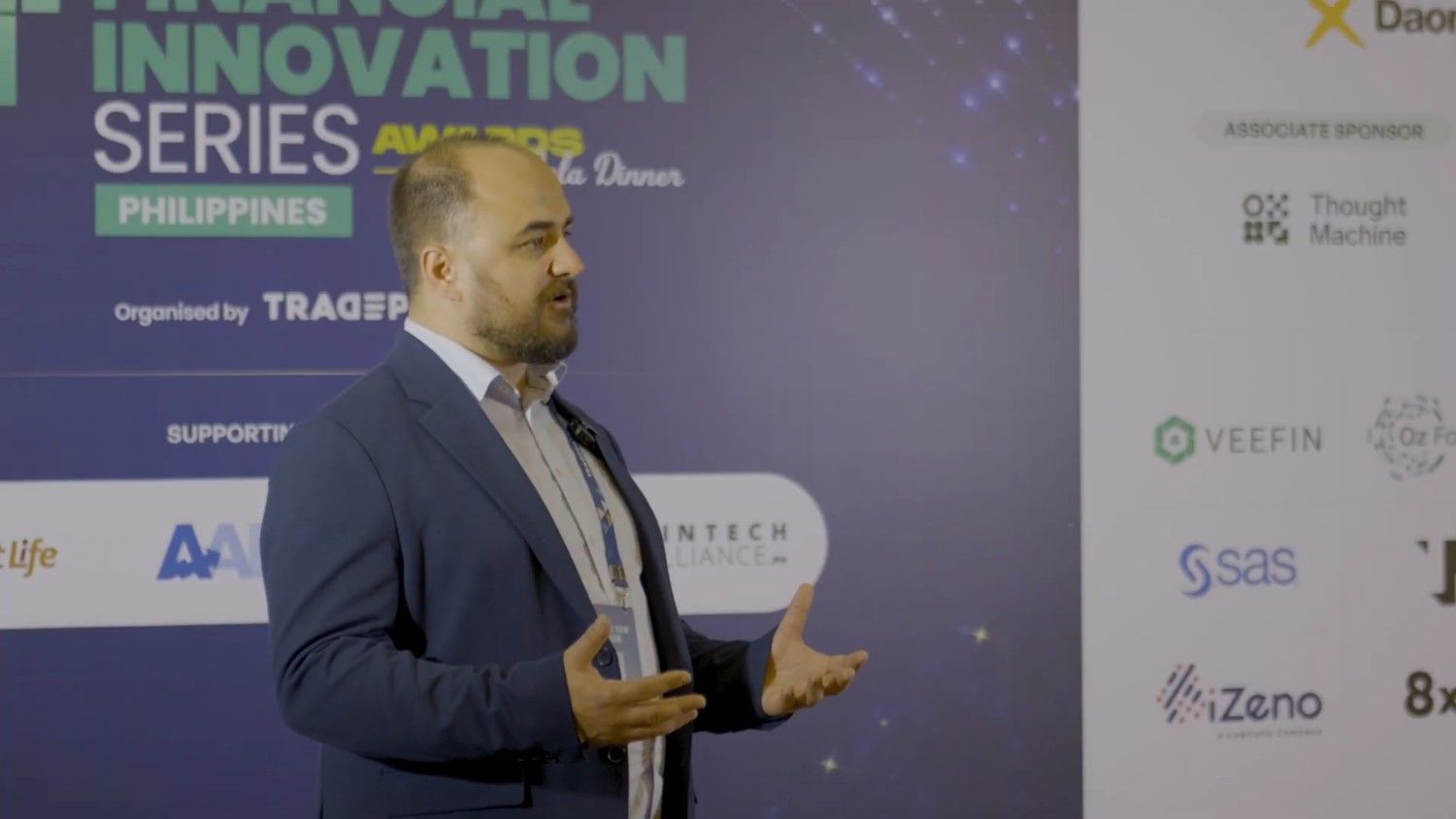
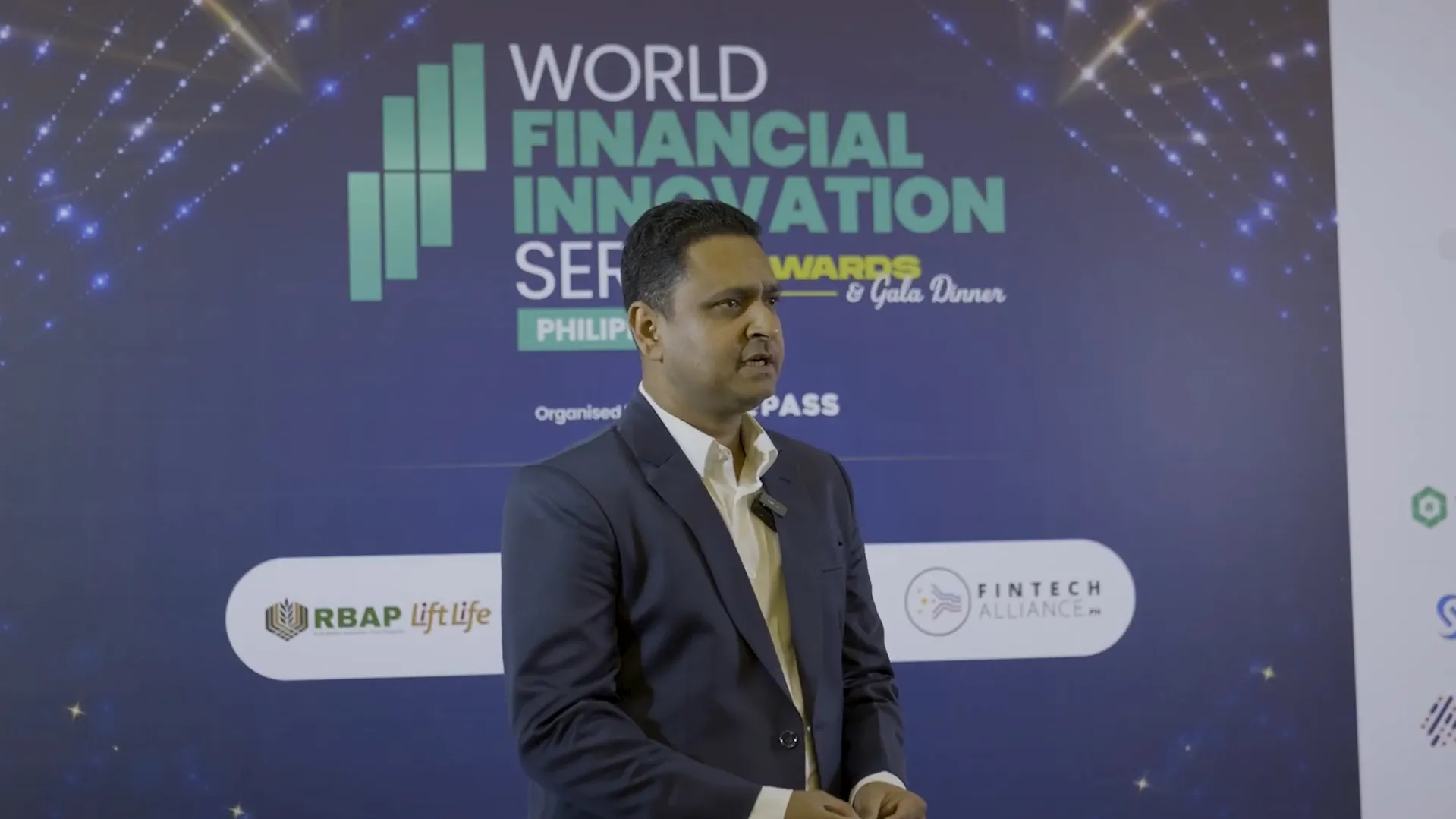
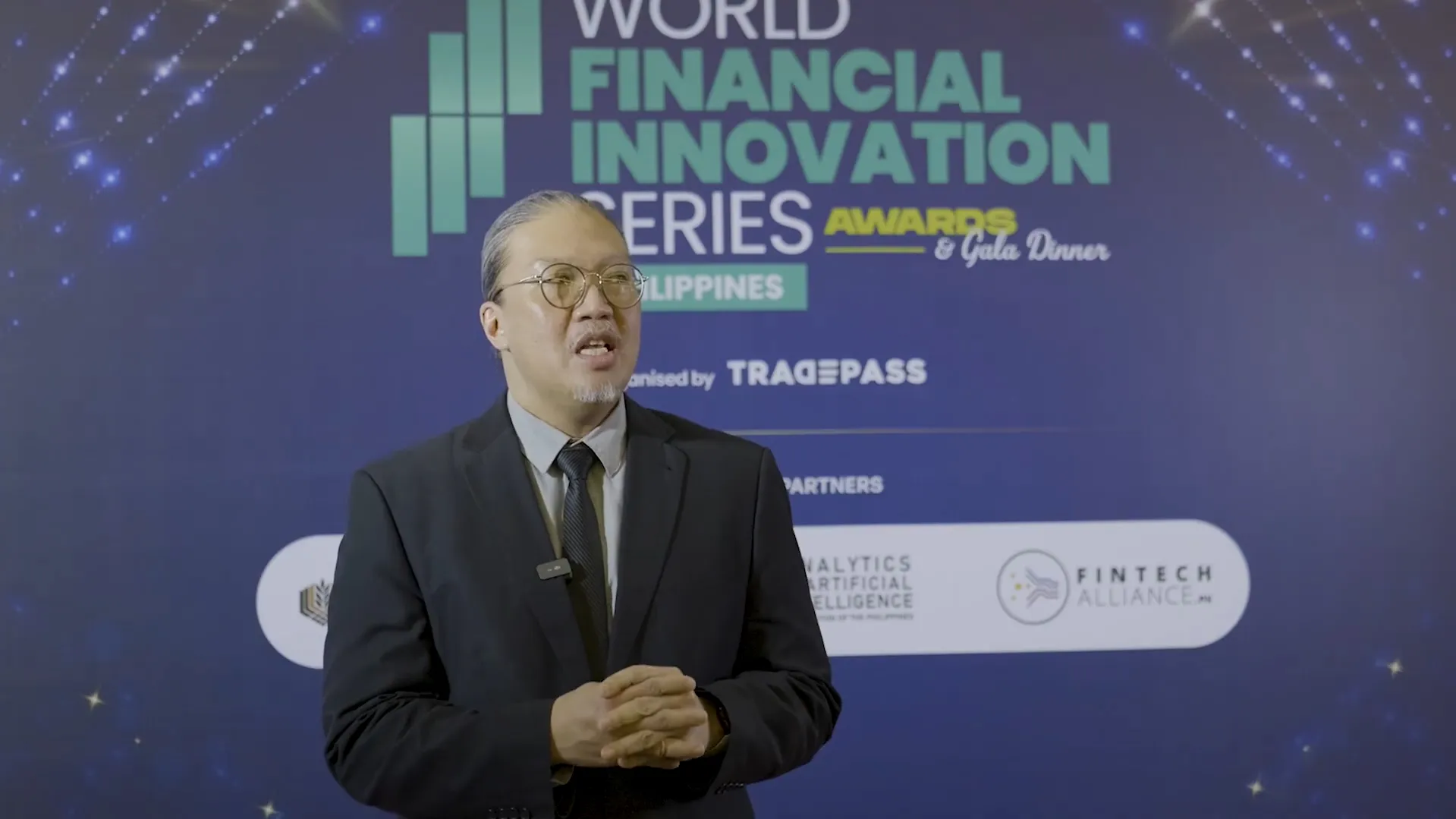
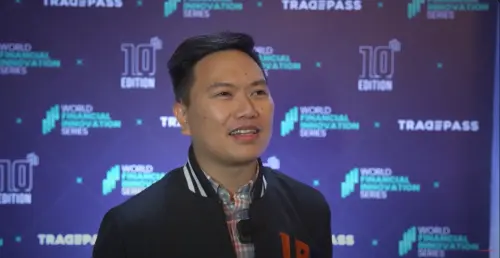
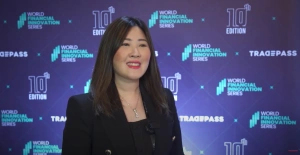
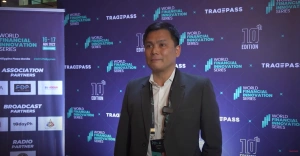
Join the World Financial Innovation Series (WFIS) Philippines on 25–26 August 2026 at Manila Marriott. This conference brings together senior banking leaders, policymakers, and technology providers to discuss innovation, inclusion, and intelligence in financial services. Attendees can gain actionable insights, explore relevant solutions, and build strategic partnerships. Whether you are a delegate or sponsor, this event offers a focused platform to align with the evolving needs of the Philippine banking sector.