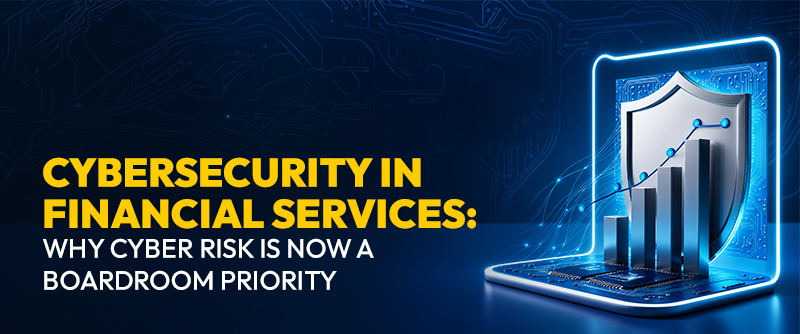
Financial institutions are handling more data, more transactions, and more digital interactions than ever before. This expansion has increased exposure to cyber threats, making security a central concern at the highest levels of leadership. Reports indicate that global financial firms face cyberattack attempts at a rate several times higher than other industries, with losses running into billions annually. As a result, cybersecurity in financial services is no longer confined to IT departments, it is now a strategic issue discussed in boardrooms. For banks, fintech firms, and regulators, managing cyber risk is directly tied to customer trust, regulatory compliance, and long-term financial stability.
Financial Sector’s Expanding Attack Surface
The rapid adoption of digital platforms, mobile banking, and cloud infrastructure has significantly increased the number of entry points for cyber threats. From payment gateways to third-party integrations, every connection introduces potential vulnerabilities. The challenge for cyber in banking is not just the volume of threats but their sophistication. Cybercriminals are using advanced techniques such as phishing automation, ransomware attacks, and AI-driven fraud attempts. Financial institutions are particularly attractive targets due to the sensitive nature of the data they manage.
Additionally, the rise of open banking and API ecosystems has expanded the threat perimeter beyond traditional boundaries. While these systems enable innovation and collaboration, they also require stronger security frameworks to ensure data protection across multiple stakeholders.
From Operational Threat to Enterprise Risk: Why Boards Are Directly Involved
Cyber risk has shifted from being an operational concern to a core business issue. Boards of directors are now actively involved in cybersecurity strategy, recognizing its impact on financial performance and organizational reputation. A single breach can lead to regulatory penalties, customer loss, and significant recovery costs. This has made cybersecurity a standing agenda item in executive meetings. Leaders are asking critical questions about risk exposure, incident response readiness, and investment priorities.
A cybersecurity finance conference provides a platform where board members and senior executives can understand emerging threats and benchmark their strategies against industry peers. These discussions help organizations move beyond reactive measures and adopt structured risk management frameworks. The increasing involvement of boards also reflects regulatory expectations, as authorities require greater accountability from senior leadership in managing cyber risks.
Measuring Cyber Risk: The Role of Data, Intelligence, and Financial Impact Analysis
One of the biggest challenges for financial institutions is quantifying cyber risk in financial terms. Unlike traditional risks, cyber threats are dynamic and often unpredictable. Organizations are now using advanced analytics to assess risk exposure, detect anomalies, and predict potential attacks. The inclusion of data analytics speakers at major industry events highlights the importance of data-driven decision-making in cybersecurity.
Key approaches include:
Risk Scoring Models: Assigning financial value to potential threats
Threat Intelligence Platforms: Monitoring global attack patterns
Scenario Analysis: Estimating the financial impact of different breach scenarios
By translating cyber risk into measurable financial outcomes, organizations can make informed investment decisions and justify cybersecurity spending at the board level.
Collaboration, Regulation, and Industry Preparedness in the Philippines
The Philippines is strengthening its cybersecurity framework as digital financial services expand across the country. Regulatory bodies such as the Bangko Sentral ng Pilipinas (BSP) have introduced guidelines to ensure that financial institutions maintain strong security standards. Collaboration between banks, fintech firms, and regulators is becoming increasingly important. Information sharing initiatives and joint response mechanisms help organizations respond more effectively to cyber threats.
For institutions operating in the region, cybersecurity in financial services must align with both local regulations and global best practices. This includes compliance with data privacy laws, implementation of robust authentication systems, and regular security audits.
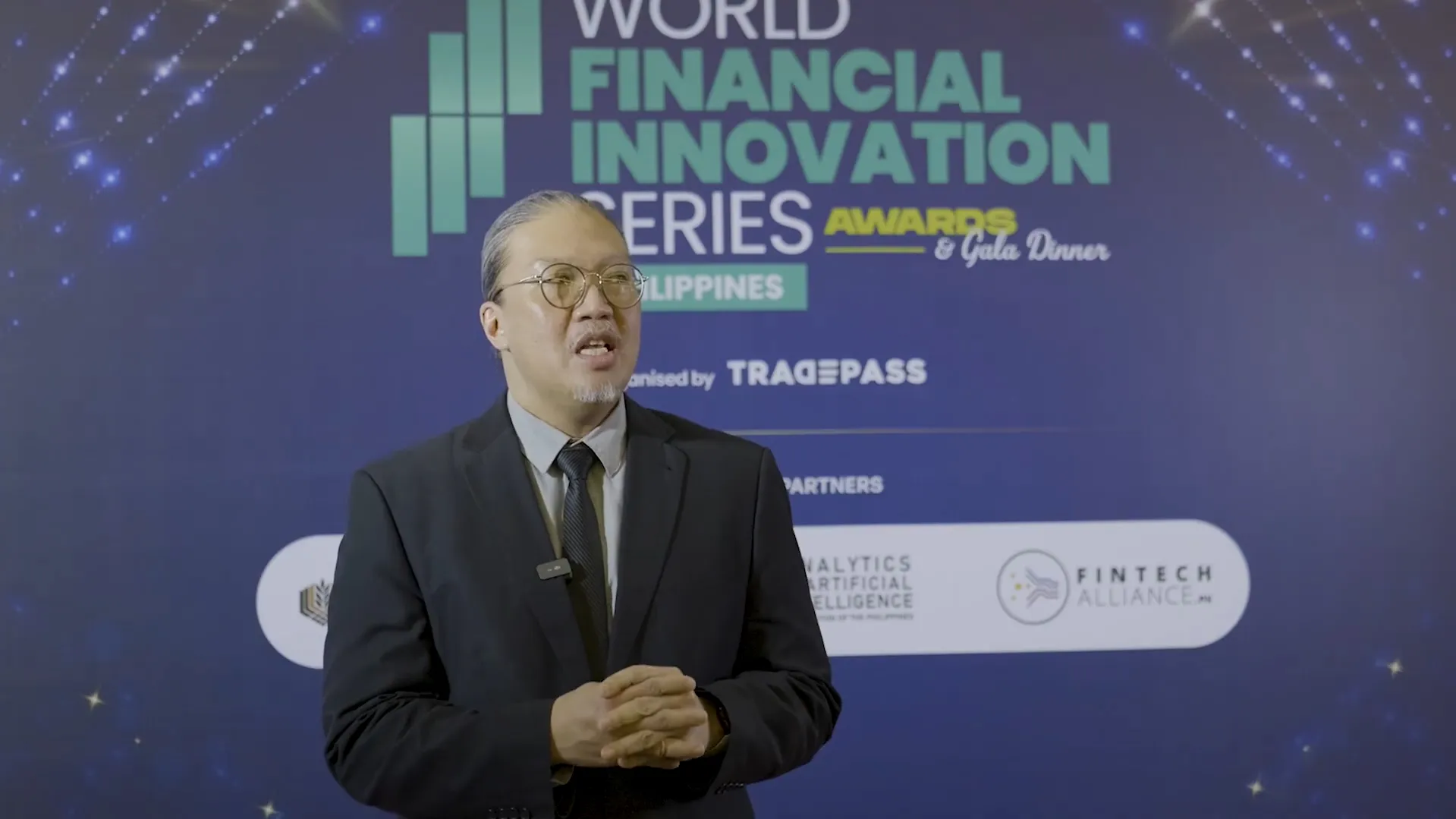
Industry events and forums play a key role in this process, enabling stakeholders to exchange insights and align their strategies with regulatory expectations.
Why Cybersecurity Leadership Will Define Financial Competitiveness
As financial services become more digital, security is emerging as a key differentiator. Customers are more likely to trust institutions that demonstrate strong data protection measures and transparent security practices. Cybersecurity is no longer just about preventing attacks, it is about enabling growth. Secure systems support innovation, facilitate partnerships, and ensure uninterrupted services.
Organizations that prioritize cyber in banking are better positioned to scale operations, enter new markets, and build long-term customer relationships. On the other hand, weak security frameworks can limit growth and expose institutions to significant risks.
For C-suite leaders and sponsors, investing in cybersecurity is not just a defensive move, it is a strategic decision that directly impacts competitiveness and market positioning.
Learn key cybersecurity advancements and their impact on the financial sector at WFIS Philippines 2026
Plan your presence at WFIS Philippines 2026, scheduled for 25–26 August at Manila Marriott. This gathering connects financial institutions with policy leaders and technology experts focused on strengthening security frameworks. Explore practical approaches to managing cyber risk, review solutions built for financial environments, and exchange insights with industry peers. Whether attending as a delegate or partner, this platform supports informed decision-making and stronger alignment with the Philippines’ financial security priorities.