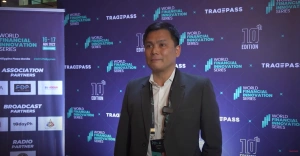
Financial access has become a major driver of economic participation across the Philippines. While millions of Filipinos now use digital payment platforms, access to formal banking, affordable credit, insurance, and savings products remains uneven, particularly in rural and geographically isolated communities. Government agencies, financial institutions, and technology providers are working together to address these challenges through innovation, stronger regulations, and consumer-focused services.
As fintech in the Philippines continues to mature, new opportunities are emerging to connect underserved citizens with secure and affordable financial solutions. These developments are helping businesses, regulators, and financial service providers build a more inclusive financial ecosystem that supports sustainable economic growth.
Understanding the Financial Access Gap in the Philippines
Despite remarkable progress, approximately 34% of Filipino adults remain unbanked, according to the Bangko Sentral ng Pilipinas. High service costs, documentation requirements, limited banking infrastructure, and geographic barriers continue to restrict access to formal financial services. Nearly one in eight municipalities still has no physical banking presence, forcing many households and microbusinesses to depend on informal lenders.
The Core Barriers
Infrastructure Deficits
Limited branch networks and inconsistent internet connectivity continue to affect many provinces. Without dependable access to financial services, millions rely on cash transactions, reducing opportunities to build savings or establish formal credit histories.
Trust and Financial Literacy
Consumer confidence remains a challenge. Growing concerns around online fraud discourage many first-time users from adopting formal financial products. Strengthening financial inclusion policies alongside consumer awareness programmes remains essential for long-term adoption.
Account Dormancy
Although mobile wallet ownership has increased significantly, many users primarily receive salaries or government benefits before immediately withdrawing funds. Greater access to savings, insurance, and credit products is necessary to encourage active financial participation.
Initiatives to Close the Gap
Bangko Sentral ng Pilipinas (BSP)
Through the National Strategy for Financial Inclusion (NSFI), BSP continues expanding low-cost Basic Deposit Accounts, strengthening consumer protection, and encouraging wider adoption of digital payments across public and private sectors.
Fintech and Banking Collaboration
Banks are partnering with financial technology companies to simplify onboarding and improve customer experience through multilingual applications, simplified interfaces, and digital identity verification. These initiatives are helping digital banking services in the Philippines reach customers who previously found traditional banking difficult to access.
Digital Innovation Reaching Underserved Communities
Digital innovation is helping bridge financial access gaps by combining connectivity, education, and financial services. National programmes increasingly focus on expanding opportunities beyond metropolitan centres.
Key Innovation Pillars
Government Connectivity Programmes
The Department of Information and Communications Technology (DICT) continues expanding internet access through initiatives such as the Bayanihan SIM programme, enabling more Filipinos to use online government and financial services.
MSME Empowerment
The UN-supported Digital PINAS initiative is establishing digital transformation hubs across the country, supporting more than 15,000 micro, small, and medium enterprises with digital commerce, electronic payments, and business management tools.
Financial and Educational Inclusion
Rural banks continue modernising microfinance services through mobile platforms, while educational organisations improve digital literacy, helping communities confidently adopt formal financial products and services.
Policy Frameworks Driving Inclusive Finance
Government policy continues to provide the foundation for broader financial participation. The National Strategy for Financial Inclusion, coordinated by BSP and the Financial Inclusion Steering Committee, aligns regulators, financial institutions, and technology providers toward common national objectives.
Key Regulatory Drivers
Digital Payments Transformation Roadmap
Digital retail payments now account for more than half of all retail transactions, surpassing earlier national targets. Continued investment in PhilPaSS Plus and QR Ph strengthens interoperability between banks, e-wallets, and payment providers.
Open Finance Framework
Standardised API-based data sharing enables consumers to securely access more personalised financial products while encouraging innovation across the financial sector.
Digital Banking Framework
Licensing specialised digital banks has increased competition and improved access to affordable banking products, particularly for previously underserved communities and first-time account holders.
Financial Consumer Protection Act
Robust consumer protection measures strengthen confidence in digital financial services by addressing fraud prevention, dispute resolution, cybersecurity, and responsible data management.
Philippine Identification System (PhilSys)
PhilSys has simplified Know Your Customer (KYC) requirements, allowing financial institutions to onboard customers faster while reducing documentation barriers that have historically excluded lower-income households.
These policy initiatives continue to strengthen the country’s financial ecosystem while creating an environment where innovation and responsible regulation can work together to support broader economic participation.
Technology Trends Powering Financial Inclusion
Technology continues to redefine how financial services reach individuals and businesses across the country. With digital payment adoption exceeding 53% of retail transactions and the country’s digital payments market projected to approach US$1.4 trillion by 2030, innovation is creating practical solutions for previously underserved communities.
AI-Powered Alternative Credit Scoring
Traditional credit histories remain limited, with fewer than 5% of Filipinos holding credit cards. Financial institutions now use artificial intelligence to analyse transaction behaviour, mobile usage, and payment records, enabling faster access to microloans and working capital for individuals and MSMEs.
Unified QR Payment Infrastructure
QR Ph has established a common payment standard across banks and e-wallets, allowing consumers and merchants to transfer funds securely at lower transaction costs. This interoperability continues to accelerate cashless transactions nationwide.
Neobanks and E-Wallets
Digital-only banks, including Maya Bank, GoTyme, and Tonik, are expanding financial access through mobile-first services. Faster digital onboarding and simplified account opening have strengthened digital banking in the Philippines, particularly among younger users and underserved communities.
Interoperable Payment Networks
National payment systems such as InstaPay and PesoNet enable real-time fund transfers between financial institutions. These shared payment rails improve transaction efficiency while supporting wider adoption of digital financial services.
Economic Impact Beyond Banking
The country’s digital economy continues to generate measurable economic value. Recent estimates place its contribution at ₱2.74 trillion in Gross Value Added (GVA) while supporting more than 10 million jobs across technology-enabled industries.
E-Commerce and Digital Payments
Digital payments have become central to commercial activity. More than 3.5 million e-commerce enterprises now operate across the Philippines, creating new opportunities for MSMEs to participate in formal financial systems and expand their customer reach.
ICT Infrastructure and Investment
Ongoing investments in connectivity, cloud infrastructure, and data centres continue attracting international investors while strengthening regional economic development. Better digital infrastructure also supports wider access to banking services outside major cities.
Financial Inclusion and Business Growth
Technology providers and financial institutions are expanding lending, savings, and payment solutions without relying on extensive branch networks. These advances strengthen entrepreneurship, improve access to formal credit, and support national financial inclusion policies through practical implementation.
Regional Integration
The Philippines also plays an active role in ASEAN’s Digital Economy Framework Agreement (DEFA), supporting stronger regional cooperation in digital trade, cybersecurity, and cross-border financial services. Such collaboration reinforces the country’s position ahead of every major financial inclusion summit focused on advancing inclusive finance across Southeast Asia.
Join the Financial Inclusion Conversation at WFIS!
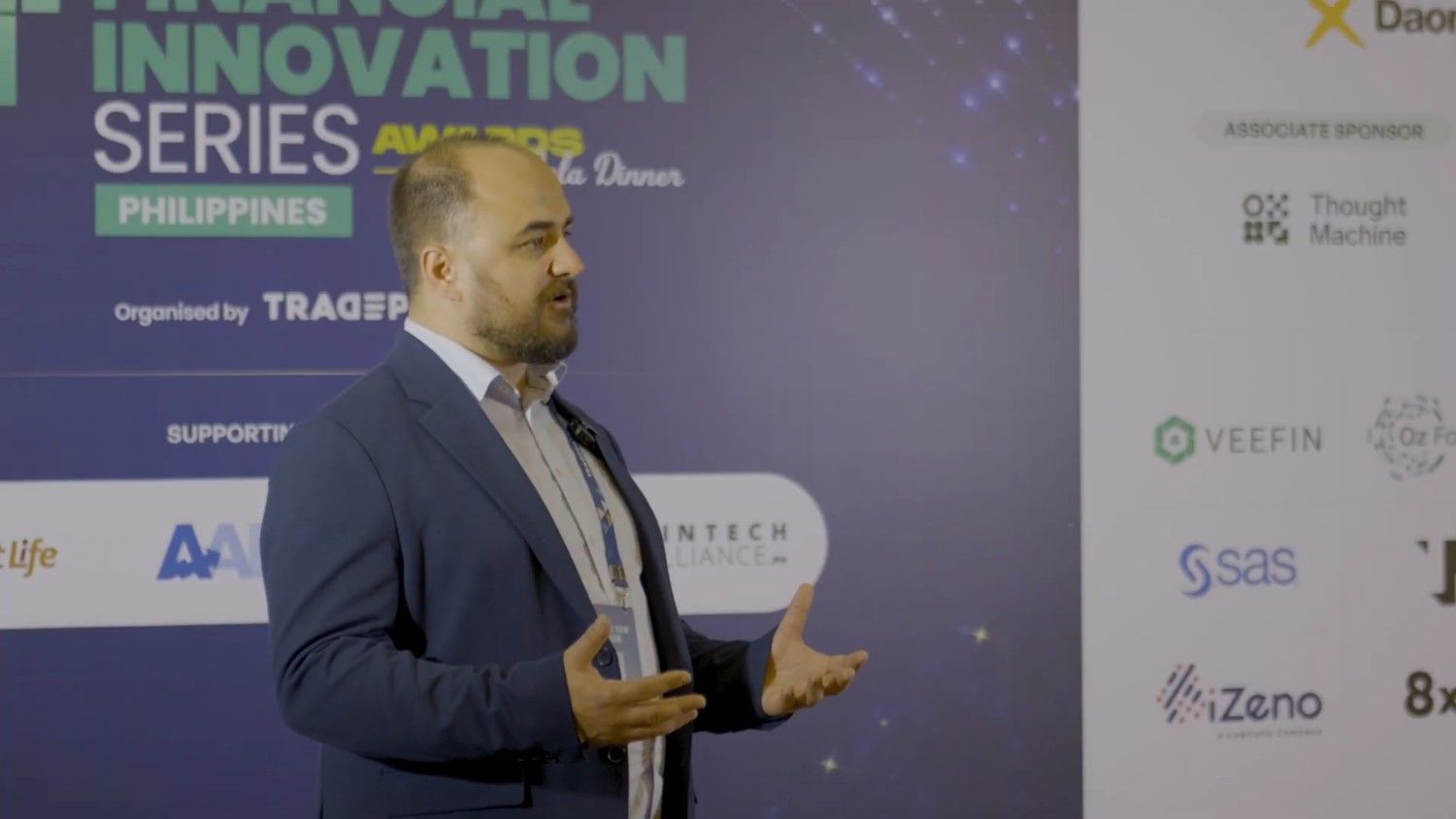
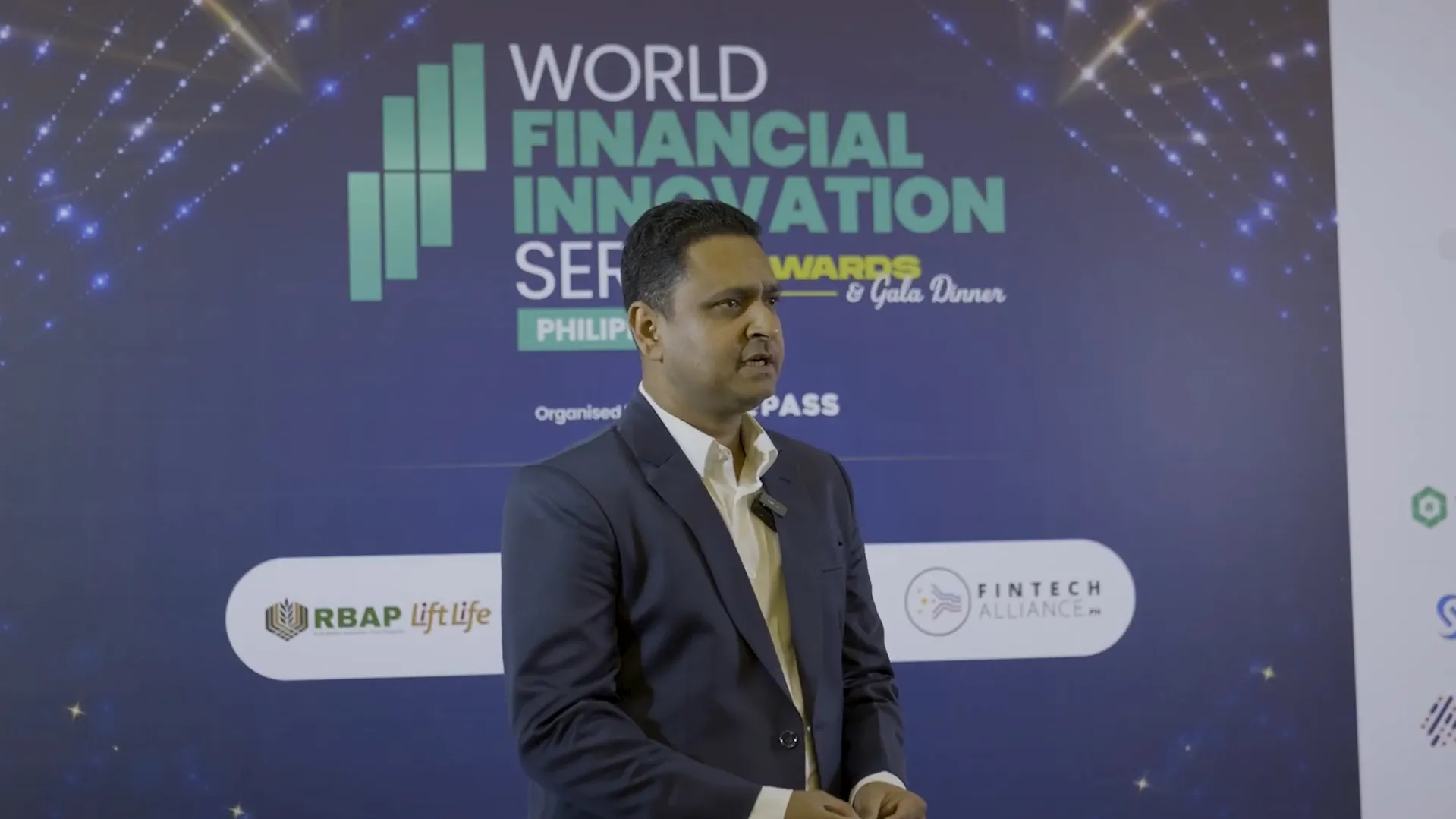
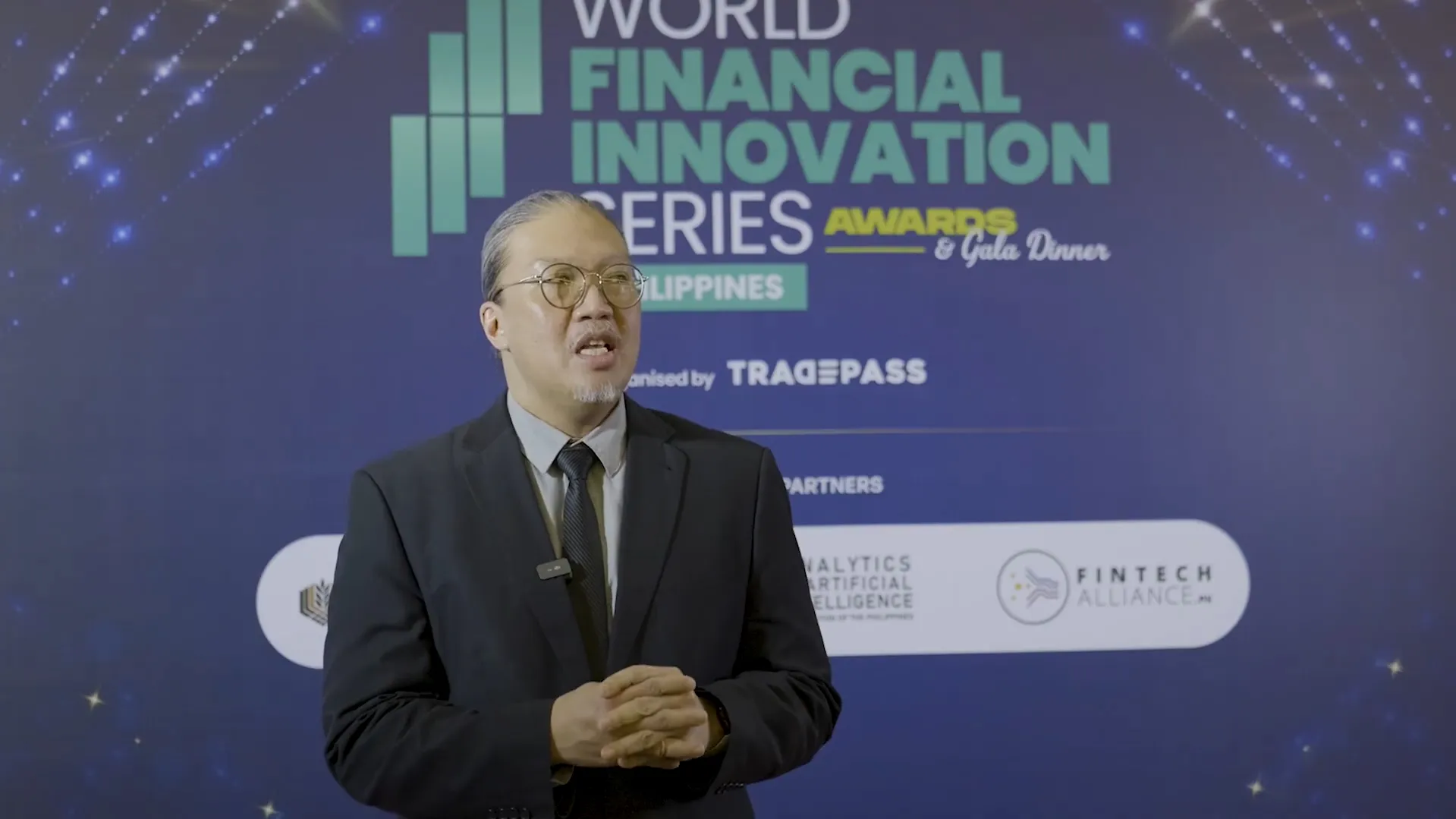
Building on these policy advancements, technological innovations, and sustained investments, the conversation around inclusive finance continues at the World Financial Innovation Series (WFIS) in the Philippines on 25–26 August 2026 at Manila Marriott, Philippines.
Bringing together delegates, sponsors, C-suite executives, financial institutions, technology providers, government officials, policymakers, and industry leaders, the event serves as a dynamic platform to exchange ideas, foster strategic partnerships, and explore the innovations and strategies shaping the next phase of financial services across the Philippines.
Register today!
Frequently Asked Questions (FAQs)
1. How is fintech improving financial access in the Philippines?
Fintech enables faster account opening, digital payments, alternative lending, and mobile banking services, helping underserved communities access secure financial products without relying on traditional bank branches.
2. Why is digital banking growing rapidly in the Philippines?
Increasing smartphone adoption, supportive regulations, improved payment infrastructure, and simplified digital onboarding have encouraged consumers and businesses to use digital banking services for everyday financial transactions.
3. What policies support financial inclusion in the Philippines?
The National Strategy for Financial Inclusion, Digital Payments Transformation Roadmap, Open Finance Framework, Financial Consumer Protection Act, and PhilSys collectively strengthen financial accessibility and consumer confidence.
4. What technologies are driving financial inclusion?
Artificial intelligence, QR-based payments, digital identity verification, interoperable payment systems, and cloud-enabled banking platforms are improving financial accessibility while reducing operational barriers across the country.
5. Why should financial leaders attend WFIS 2026 – Philippines?
WFIS 2026 – Philippines brings together banking leaders, fintech innovators, regulators, policymakers, investors, and technology providers to discuss emerging trends, partnerships, regulations, and practical strategies that support inclusive financial growth.