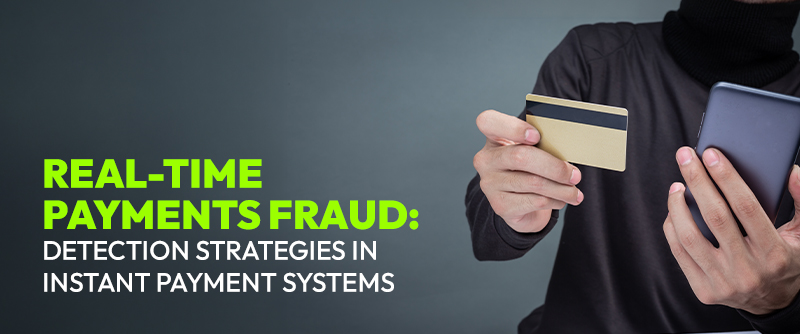
Instant payment systems are changing how financial institutions and consumers move money across the Philippines. Real-time transfers, QR-based transactions, and mobile wallets have increased convenience, but they have also created new openings for fraud networks operating at high speed. Financial institutions are now under pressure to strengthen transaction monitoring, customer authentication, and infrastructure security without slowing payment experiences.
As fraud methods become more sophisticated, institutions must balance operational efficiency with risk management. This discussion is becoming increasingly important at major forums like the World Financial Innovation Series (WFIS) in the Philippines, where banking leaders, regulators, and technology providers are addressing how instant payment ecosystems can remain secure while supporting financial inclusion and innovation.
The Growing Risk of Fraud in Instant Payment Ecosystems
Digital payment fraud in the Philippines has reached concerning levels, with suspected fraud rates estimated at 13.4% — significantly above the global average. As adoption of digital wallets such as GCash and Maya continue to rise, attackers are increasingly targeting users through phishing, social engineering, and account takeover schemes linked to instant fund transfers.
The Scale of the Crisis
The speed of instant payments leaves financial institutions with only seconds to detect suspicious activity before funds are transferred and withdrawn. Consumers impacted by payment scams in the Philippines reportedly lose substantial amounts per incident, with mobile wallets and e-commerce transactions becoming primary attack channels.
Fraud networks are also shifting away from older SMS-based scams towards more advanced attacks involving compromised applications, fake merchant pages, and manipulated QR payment requests. This growing concern has become a recurring topic at every major fintech conference focused on banking modernization and transaction security.
Emerging Threat Vectors
AI-Driven Deepfakes
Fraudsters are now using synthetic audio and manipulated video to imitate executives, banking staff, and family members. These attacks are designed to pressure victims into approving urgent transfers or disclosing sensitive credentials.
Mule Account Networks
Organized criminal groups rely heavily on money mule accounts to distribute stolen funds across multiple institutions within minutes. Because instant transfers settle immediately, recovery efforts become extremely difficult once transactions are completed.
NFC and QR Fraud
Contactless payments and QR-based ecosystems have introduced additional vulnerabilities. Fraudsters exploit weak merchant authentication, clone payment pages, and intercept payment credentials through compromised devices and malicious applications.
The rise of cybersecurity conference discussions across Southeast Asia reflects how urgently institutions need stronger fraud intelligence and coordinated response frameworks.
Detection Strategies for Real-Time Payments Fraud
Financial institutions in the Philippines are investing heavily in fraud monitoring systems that can analyze transactions in milliseconds. Modern fraud prevention depends on combining artificial intelligence, behavioral analytics, and device intelligence to identify suspicious patterns before transactions are finalized.
AI & Machine Learning
Traditional rule-based systems are no longer sufficient for detecting modern real-time fraud activity. AI-driven monitoring platforms evaluate hundreds of transaction variables simultaneously, including transaction velocity, account behavior, geolocation anomalies, and unusual transfer amounts.
Machine learning systems can also identify previously unseen fraud patterns by continuously adapting to new attack behaviors. This allows institutions to reduce false positives while strengthening fraud detection accuracy.
Behavioral Analytics
Behavioral analytics focuses on how users interact with applications and payment interfaces. Systems can detect unusual typing speed, irregular navigation patterns, remote access manipulation, or sudden changes in device usage behavior.
For example, if a customer suddenly initiates multiple high-value transfers from an unfamiliar environment while displaying abnormal interaction patterns, the transaction can be flagged for additional verification before approval.
Device Intelligence
Fingerprints help institutions identify suspicious devices, VPN usage, emulators, and high-risk IP addresses connected to fraudulent activity. Trusted device binding is increasingly becoming a core requirement for secure, instant payment authorization.
Financial institutions are also integrating fraud intelligence across mobile apps, internet banking systems, and merchant ecosystems to establish unified monitoring environments capable of identifying coordinated attacks.
Philippine Regulatory Priorities
The Bangko Sentral ng Pilipinas continues to strengthen expectations around fraud management and transaction monitoring.
Key regulatory priorities include:
Real-time monitoring and rapid blocking of suspicious transfers
Expanded interbank intelligence sharing
Stronger customer authentication controls
Enhanced reporting standards for fraud incidents
Consumer awareness programs targeting digital scams
These priorities are encouraging banks, fintech providers, and payment operators to invest more aggressively in fraud prevention infrastructure.
Building Secure Instant Payment Infrastructure
The long-term stability of instant payments depends on secure and scalable infrastructure capable of supporting high transaction volumes without compromising security.
Security and Technical Standards
ISO 20022 Messaging
ISO 20022 plays a critical role in supporting interoperability across banks, payment providers, and digital wallets. Standardized messaging improves payment visibility, transaction transparency, and fraud monitoring consistency across institutions.
Cloud-Native Payment Gateways
Financial institutions are increasingly adopting cloud-native payment hubs to centralize transaction orchestration and risk monitoring. These systems improve operational uptime while enabling institutions to manage fraud detection, payment routing, and compliance controls from unified environments.
Modern payment hubs also support advanced analytics that strengthen fraud identification during high-volume transaction periods.
Ecosystem Initiatives
Higala Instant Payment Infrastructure
The Higala initiative is helping connect rural banks and microfinance institutions to the broader digital payment ecosystem. Expanding secure access to instant payments supports financial inclusion while improving transaction visibility across underserved communities.
Cross-Border Payment Connectivity
The Philippines is also strengthening cross-border payment partnerships to simplify remittance flows and improve interoperability with international payment systems. As these networks expand, fraud prevention capabilities must also adapt to handle increasingly complex transaction environments.
Open Finance and Security
The Philippines’ Open Finance Framework is pushing institutions to strengthen API governance, consent management, and digital trust controls. As customer data moves more freely between platforms, fraud monitoring systems must become more integrated and adaptive.
This has increased industry interest in solution providers showcased through specialized payment technology booths at major banking and fintech events, where institutions evaluate tools for transaction monitoring, biometric verification, and fraud analytics.
Compliance & Risk Management in Payment Systems
Compliance and risk management remain central to securing payment ecosystems in the Philippines. Regulatory oversight is primarily guided by the National Payment Systems Act and supervisory frameworks issued by the BSP.
Key Regulatory Frameworks
Payment System Oversight Framework (PSOF)
BSP Circular No. 1089 outlines governance and operational standards for designated payment systems. Institutions must demonstrate operational reliability, security preparedness, and settlement risk management capabilities.
Manual of Regulations on Payment Systems (MORPS)
MORPS consolidates payment-related regulations covering licensing, governance, operational standards, and enforcement requirements for payment operators and service providers.
Risk Management Mandates
Anti-Money Laundering Controls
Institutions must comply with Anti-Money Laundering regulations by conducting customer due diligence, monitoring suspicious transactions, and reporting high-risk activities linked to financial crime networks.
Advanced Fraud Prevention
Recent BSP directives encourage institutions to deploy AI-driven fraud monitoring and behavioral analytics to address mule account activity, account takeovers, and payment scams more effectively.
Third-Party Risk Oversight
Outsourcing remains a significant operational concern for financial institutions. BSP Circular 808 requires organizations to conduct detailed due diligence and ongoing monitoring of third-party service providers handling payment infrastructure or customer data.
As financial institutions expand partnerships with fintech firms and cloud providers, third-party governance has become a major discussion point across regional banking forums and executive leadership discussions.
Join Cybersecurity Leaders at WFIS!
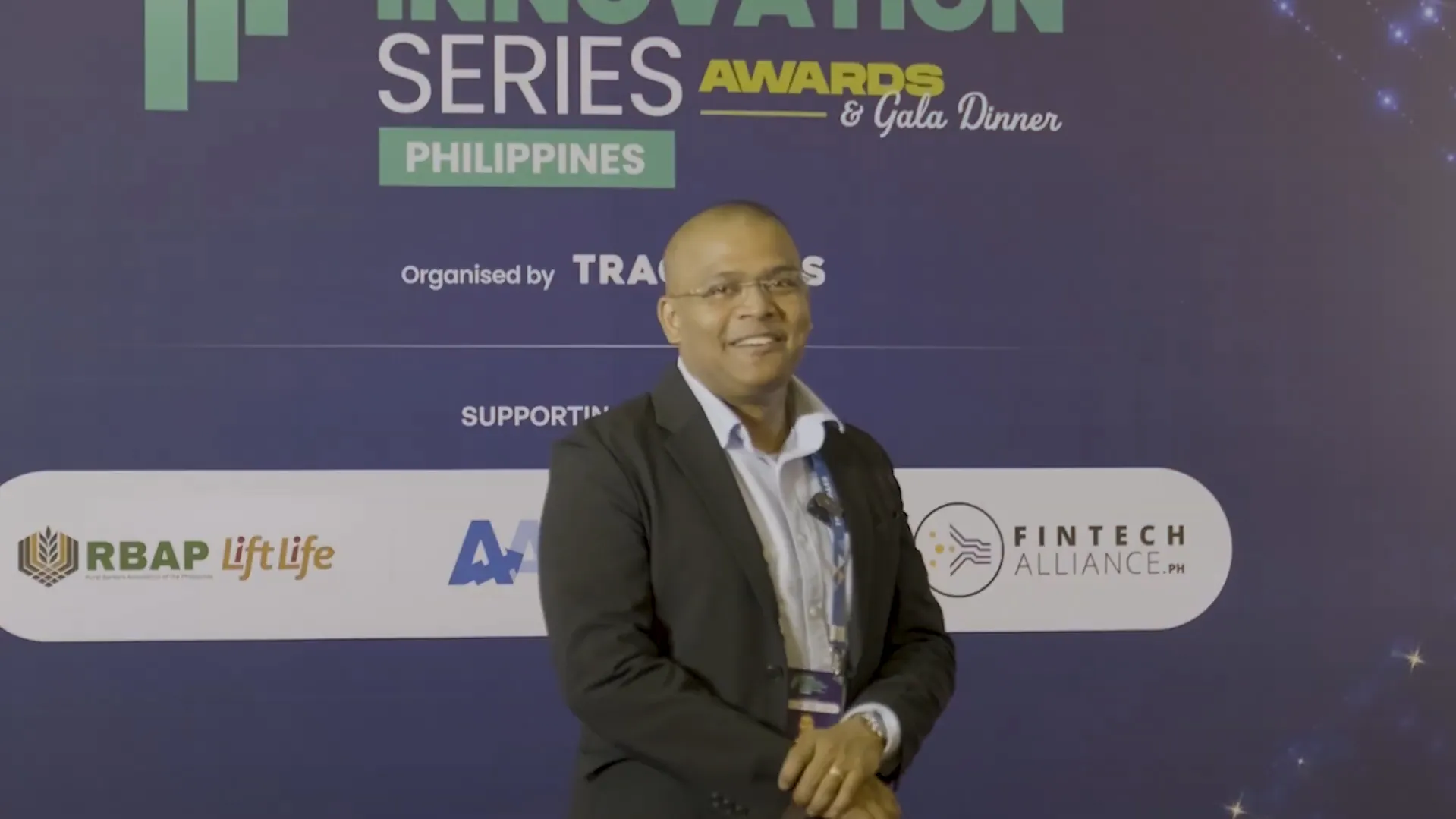
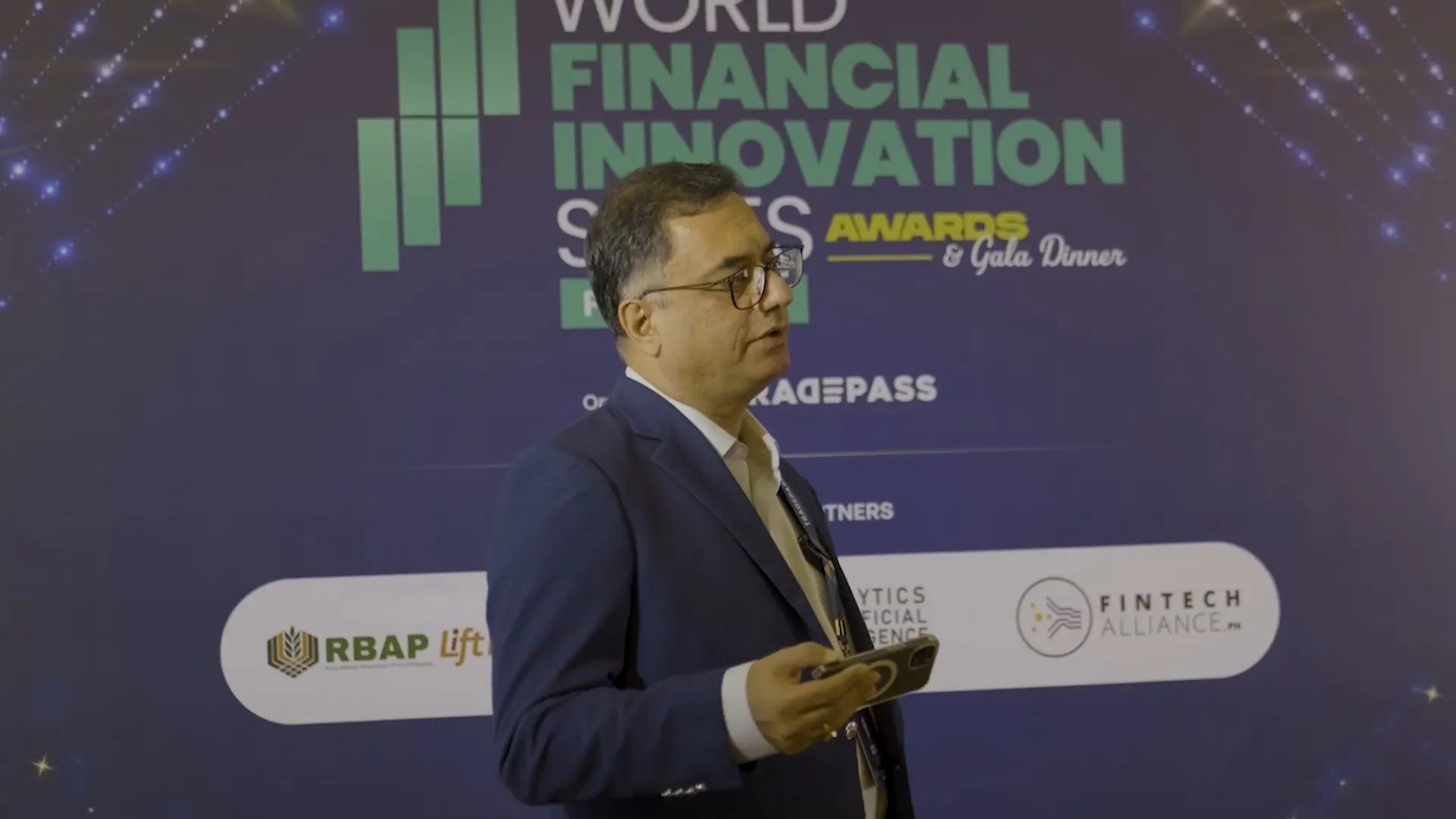
As instant payments continue expanding across the Philippines, financial institutions must strengthen fraud detection, compliance frameworks, and payment infrastructure without compromising customer experience. These priorities will take center stage at the World Financial Innovation Series (WFIS) in the Philippines, scheduled to take place on 25–26 August 2026 at Manila Marriott, Philippines.
The event will bring together banking executives, fintech innovators, cybersecurity specialists, regulators, digital transformation leaders, sponsors, and technology providers to discuss the future of financial services. Key sessions will cover AI-driven fraud monitoring, payment modernization, cyber resilience, open finance, CBDCs, embedded finance, digital lending, and enterprise AI deployment.
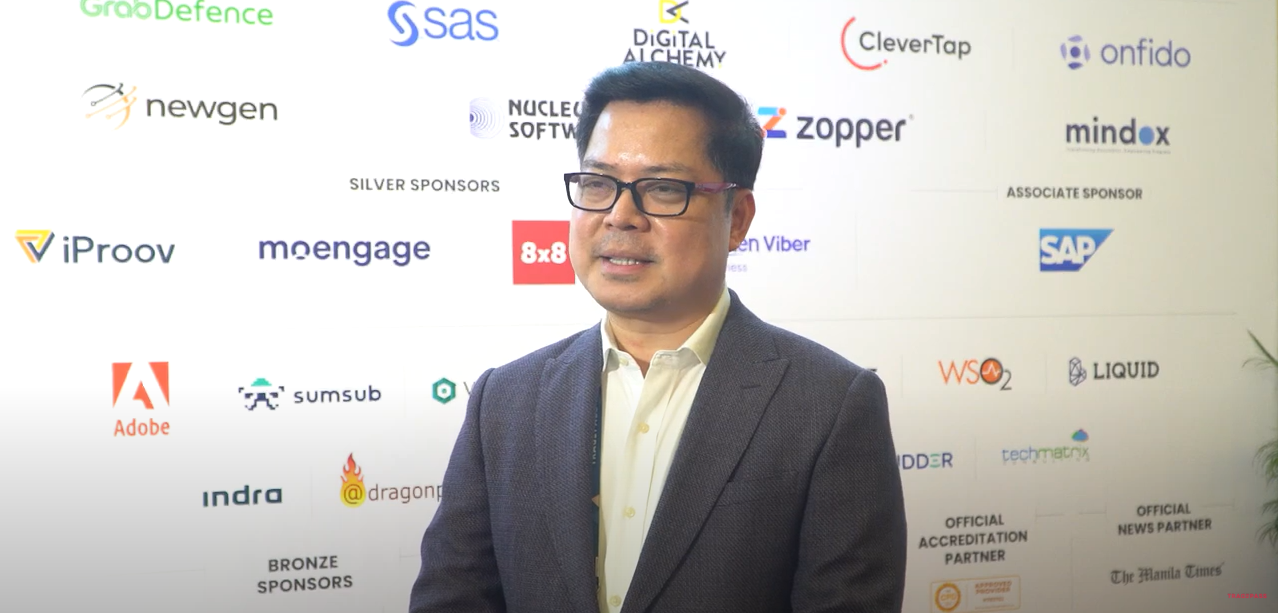
Attendees can participate in strategic panel discussions, executive networking sessions, live solution showcases, and interactive discussions with industry experts and policymakers. The exhibition floor will also feature advanced fraud prevention solutions, payment infrastructure providers, and innovative financial technologies through dedicated booths designed exclusively for banking and fintech decision-makers.
Frequently Asked Questions (FAQs)
1. Why is real-time payment fraud becoming a major concern for financial institutions in the Philippines?
Instant payment systems process transactions within seconds, leaving limited response time for banks and fintech providers to detect fraud, prevent fund transfers, and protect customer trust effectively.
2. What fraud prevention strategies are financial institutions prioritizing in instant payment ecosystems?
Financial institutions are investing in AI-driven monitoring, behavioral analytics, device intelligence, and multi-factor authentication to identify suspicious activities and reduce account takeover and payment scam risks.
3. Why should banking executives and policymakers attend WFIS Philippines 2026?
WFIS 2026 – Philippines offers direct access to discussions on payment modernization, cybersecurity, financial inclusion, AI adoption, compliance frameworks, and fraud prevention strategies shaping Philippine financial services.
4. What networking opportunities can delegates and sponsors expect at WFIS Philippines?
Delegates and sponsors can connect with banking leaders, fintech innovators, regulators, cybersecurity experts, government officials, and technology providers through executive meetings, panel discussions, exhibitions, and networking sessions.
5. How do payment technology providers benefit from participating in WFIS Philippines?
Technology providers can showcase fraud detection solutions, payment infrastructure platforms, cybersecurity tools, and compliance technologies to decision-makers actively seeking innovation partners within the Philippine banking sector.