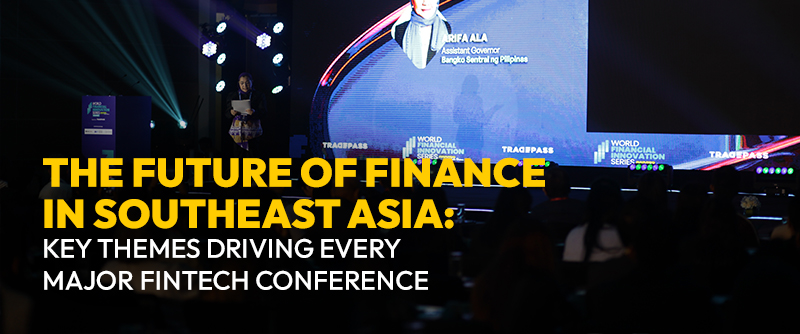
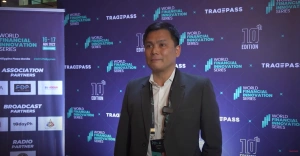
Southeast Asia is moving through a period of accelerated financial transformation, shaped by strong mobile penetration, regulatory support, and rising investor interest. The region now hosts over 700 fintech firms, with digital payments alone expected to exceed $300 billion in transaction value within the next few years. Against this backdrop, every major fintech conference has become a critical platform where financial institutions, technology providers, and policymakers align priorities. These gatherings are no longer limited to discussions, they set direction for capital flows, product innovation, and regulatory frameworks across markets that are growing at different speeds but share similar ambitions.
Race Toward Regional Financial Hubs and Capital Market Modernisation
Countries across Southeast Asia are positioning themselves as financial hubs, with Singapore, Indonesia, and the Philippines competing to attract capital and innovation. Governments are introducing policies to deepen capital markets, improve liquidity, and attract foreign investment.
For attendees of a fintech conference Asia, the focus is on how these national strategies translate into practical opportunities. Discussions often revolve around cross-border payment systems, digital asset frameworks, and capital market digitisation.
Modernisation is not limited to infrastructure. Exchanges are adopting electronic trading systems, while financial institutions are investing in faster settlement mechanisms. These changes aim to reduce friction and improve transparency, making the region more attractive for global investors.
For sponsors and solution providers, this shift presents opportunities to support infrastructure upgrades, compliance systems, and digital trading platforms tailored to regional requirements.
Digital Identity, Trust Architecture and Compliance at Scale
As digital transactions increase, trust becomes the foundation of financial systems. Governments across Southeast Asia are investing in national digital identity frameworks to streamline onboarding and reduce fraud. A typical fintech event now includes sessions focused on identity verification, biometric authentication, and secure data sharing. These are not abstract ideas, banks are actively implementing them to meet compliance requirements and improve customer experience.
Regulatory frameworks are also tightening. Anti-money laundering (AML) and know-your-customer (KYC) requirements are becoming more sophisticated, requiring financial institutions to adopt advanced monitoring tools. For C-suite leaders, the priority is balancing compliance with operational efficiency. Technology providers that can deliver scalable identity solutions are gaining attention, particularly those that integrate with existing banking systems without major disruption.
Embedded Finance and Platform Banking: The New Competitive Battlefield
Financial services are increasingly being integrated into non-financial platforms. E-commerce companies, ride-hailing apps, and telecom providers are offering payments, lending, and insurance products directly to users. This shift is a major theme across every fintech conference, as it changes how banks compete and collaborate. Instead of operating in isolation, banks are becoming part of broader ecosystems.
Platform banking allows financial institutions to extend services through APIs, reaching customers beyond traditional channels. This model reduces acquisition costs and opens new revenue streams. However, it also introduces competition from non-traditional players. For delegates and sponsors, the key question is how to position their organizations within these ecosystems, whether as service providers, partners, or platform owners.
Artificial Intelligence, Data Monetisation and Hyper-Personalised Finance
Artificial intelligence is moving from pilot projects to large-scale deployment across Southeast Asia. Banks are using AI for credit scoring, fraud detection, customer service automation, and investment advisory. At a fintech event, discussions around AI are becoming more grounded in measurable outcomes. Financial institutions want to understand how AI improves efficiency, reduces risk, and increases profitability.
Data monetisation is another growing focus. Banks are exploring ways to use transaction data to create personalized financial products. This includes tailored lending offers, dynamic pricing models, and predictive financial planning tools. For technology providers, the opportunity lies in offering solutions that combine AI capabilities with strong data governance frameworks. This ensures compliance while unlocking the value of customer data.
Sustainable Finance, ESG Integration and Green Fintech
Sustainability is no longer optional for financial institutions operating in Southeast Asia. Governments and investors are pushing for greater transparency in environmental, social, and governance (ESG) practices. A growing number of sessions at any fintech conference Asia now focus on green financing, carbon tracking, and sustainable investment products. Banks are developing tools to assess environmental risks and align portfolios with sustainability goals.
Green fintech solutions are also emerging, helping organizations track emissions, manage sustainable investments, and report ESG metrics. For sponsors and delegates, this area represents both responsibility and opportunity. Financial institutions that integrate sustainability into their strategies are more likely to attract long-term investment and regulatory support.
Why the Philippines is one of the Strategic Anchors in Southeast Asia’s Fintech Narrative
The Philippines is becoming a key market in Southeast Asia’s financial growth story. With a population exceeding 110 million and a large unbanked segment, the country offers significant potential for digital financial services. Digital payments adoption has grown rapidly, supported by initiatives from the Bangko Sentral ng Pilipinas. The government aims to increase financial inclusion while encouraging innovation through regulatory support.
Under the trending buzzword i.e., “Fintech Innovation Asia”, the Philippines stands out as a market where mobile-first solutions can scale quickly. Fintech firms are focusing on digital wallets, micro-lending, and remittance services tailored to local needs. For conference attendees, the Philippines offers a unique combination of demand, policy support, and growth potential. This makes it an important destination for investment and collaboration.
Looking Ahead: WFIS Philippines 2026 as the nation’s strategic convergence point
Secure your participation at World Financial Innovation Series (WFIS) Philippines 2026, taking place on 25–26 August at Manila Marriott Hotel. This gathering offers direct access to senior executives, regulators, and technology providers shaping financial services in the region. Discover practical strategies, evaluate new solutions, and build high-value connections. Designed for delegates, sponsors, and innovators, the event provides a focused environment to strengthen your presence in the Philippine financial ecosystem.