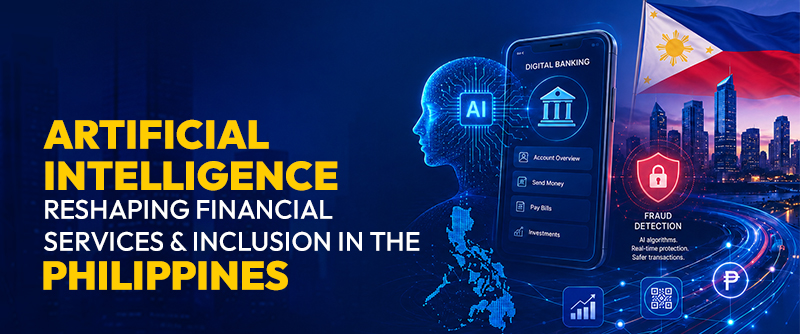
Artificial intelligence is becoming a defining force in the Philippine financial sector as institutions strengthen digital operations, improve customer engagement, and expand access to underserved communities. Banks, fintech firms, and payment providers are increasingly using AI to support faster decision-making, fraud monitoring, and personalized services.
This transition is also helping organizations improve operational efficiency while responding to changing customer expectations. As the market for financial technology in the Philippines continues to expand, AI adoption is creating new opportunities for financial institutions to strengthen inclusion, manage risk, and improve service accessibility across urban and rural populations.
How AI Is Redefining Financial Services Delivery Across the Philippines
AI is transforming the delivery of financial services by supporting automation, customer intelligence, and secure transaction management.
Hyper-Personalized Banking
Financial institutions are using AI models to analyze customer preferences and spending behavior, enabling highly tailored product recommendations and engagement strategies. This trend is reshaping the future of digital bankingin the Philippines, focused on customer retention and accessibility.
Enhanced Customer Service
AI-powered chatbots and automated service systems now provide 24/7 customer assistance. These tools improve response times while helping financial institutions manage high service volumes more efficiently.
Credit Scoring and Lending
Alternative credit assessment models powered by AI are helping lenders evaluate borrowers without traditional credit histories. This is improving access to loans and financial services for underserved groups.
Fraud Detection and Compliance
AI-driven monitoring systems can identify unusual transaction patterns in real time, helping institutions reduce fraud risks and strengthen regulatory compliance.
Operational Efficiency
Automation tools are improving document verification, onboarding, and compliance reporting processes, reducing operational delays and administrative costs.
Impact on the Labor Market and Industry
Hybrid Banking Operations
The Philippines is becoming a major hub for AI-supported banking operations, where technology works alongside human oversight in areas such as compliance and loan processing.
Job Transformation Rather Than Replacement
AI adoption is increasing workforce productivity rather than fully replacing employees. Human review and supervision remain essential for maintaining accountability in financial decision-making.
Fintech Leadership in the Region
Platforms such as GCash continue setting benchmarks for AI-enabled services within the financial technology ecosystem, particularly in payments, lending, and customer engagement.
Advancing Financial Inclusion Through Data-Driven Decision Making
Financial institutions are increasingly relying on alternative datasets and AI-powered analytics to improve access to financial services.
Alternative Data Credit Scoring
Lenders now evaluate smartphone activity, utility payments, and digital transaction behavior to determine creditworthiness for previously unbanked individuals.
AI-Enabled Digital Platforms
Cloud-based systems and AI engines help institutions process large datasets more efficiently, allowing faster approvals and personalized financial offerings.
Regulatory Support for Inclusion
The Bangko Sentral ng Pilipinas (BSP) continues supporting innovation through cloud adoption frameworks and risk-based compliance approaches. Discussions around these initiatives are becoming increasingly relevant at every major financial inclusion summit in the region.
Digitalizing Remittances
Digital remittance systems are reducing transfer costs while improving transaction security and accessibility for overseas workers and rural households.
Data Analytics as a Core Enabler in Modern Financial Institutions
Data analytics is becoming central to financial operations, supporting customer engagement, compliance, and operational decision-making.
Financial Inclusion & Alternative Credit Scoring
Rural banks and digital lenders are using analytics-driven systems to assess borrowers more accurately and expand access to credit.
AI-Powered Fraud Detection & AML
Modern institutions are deploying AI-based monitoring systems to improve anti-money laundering processes and reduce false fraud alerts. The growing importance of data analytics in finance is reshaping compliance operations across the sector.
Personalized Digital Banking
Banks are using analytics tools to deliver customized financial recommendations, rewards, and spending insights through mobile platforms.
Operational Efficiency & Automation
AI-supported automation is reducing manual workloads in loan processing, reporting, and customer verification, helping institutions improve productivity.
Regulatory Oversight & Responsible AI Implementation
The Philippines is gradually establishing stronger governance frameworks for AI adoption in financial services.
Policy Direction
The Department of Trade and Industry (DTI) updated the National AI Strategy Roadmap to strengthen governance, accountability, and ethical AI deployment.
Pending Legislation
Several legislative proposals aim to establish formal oversight bodies and clearer AI governance standards across industries.
Existing Frameworks
Current oversight relies on the Data Privacy Act, cybersecurity regulations, and BSP guidelines governing fintech and banking operations.
Responsible AI Implementation in Finance
Risk Management
Financial institutions are being encouraged to classify AI-related risks and integrate compliance monitoring into system deployment processes.
Algorithm Bias and Fairness
Banks must ensure that automated lending and scoring systems remain fair and free from discriminatory practices.
Data Privacy and Security
Protecting customer information remains a top priority as AI systems process larger volumes of personal financial data.
Transparency and Explainable AI
Institutions are increasingly expected to provide visibility into how automated decisions are made, especially in lending and fraud investigations.
AI Use Cases Across Banking
AI tools are now widely used in fraud prevention, anti-money laundering monitoring, and customer service optimization within platforms dedicated to digital banking in the Philippines.
Strategic Implications for Banking Leaders and Technology Providers
Investment in AI Capabilities
Financial institutions must continue investing in AI infrastructure and skilled talent to remain competitive.
Building Scalable Data Infrastructure
Strong data architecture is essential for supporting secure analytics, automation, and customer intelligence systems.
Partnerships with Fintech and Analytics Firms
Collaborations between banks and technology providers are helping accelerate innovation while improving operational agility.
Aligning AI with Long-Term Growth Strategy
Organizations must ensure AI investments align with broader business goals, regulatory requirements, and customer expectations.
Discover AI-Led Financial Innovation at WFIS!
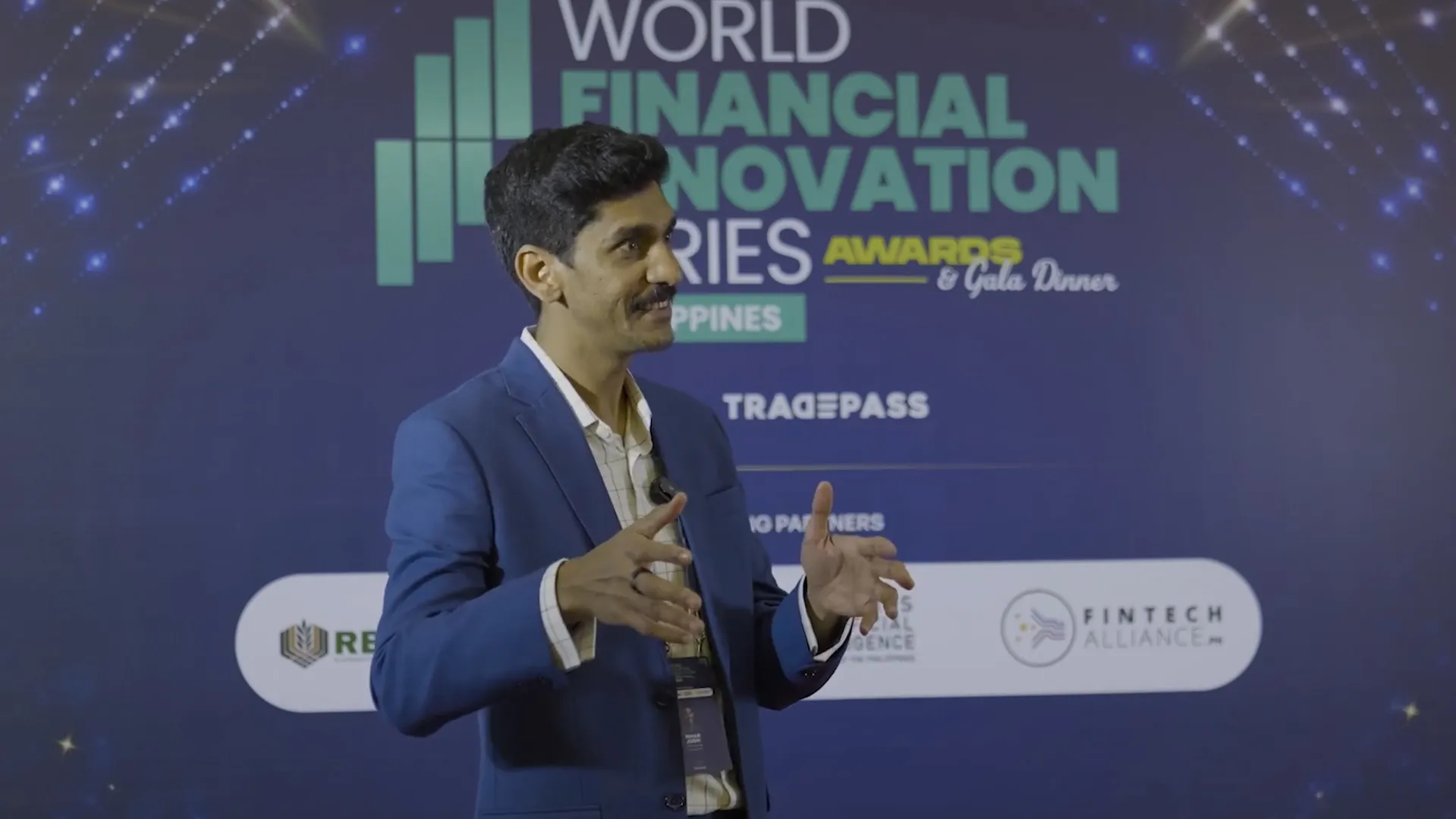
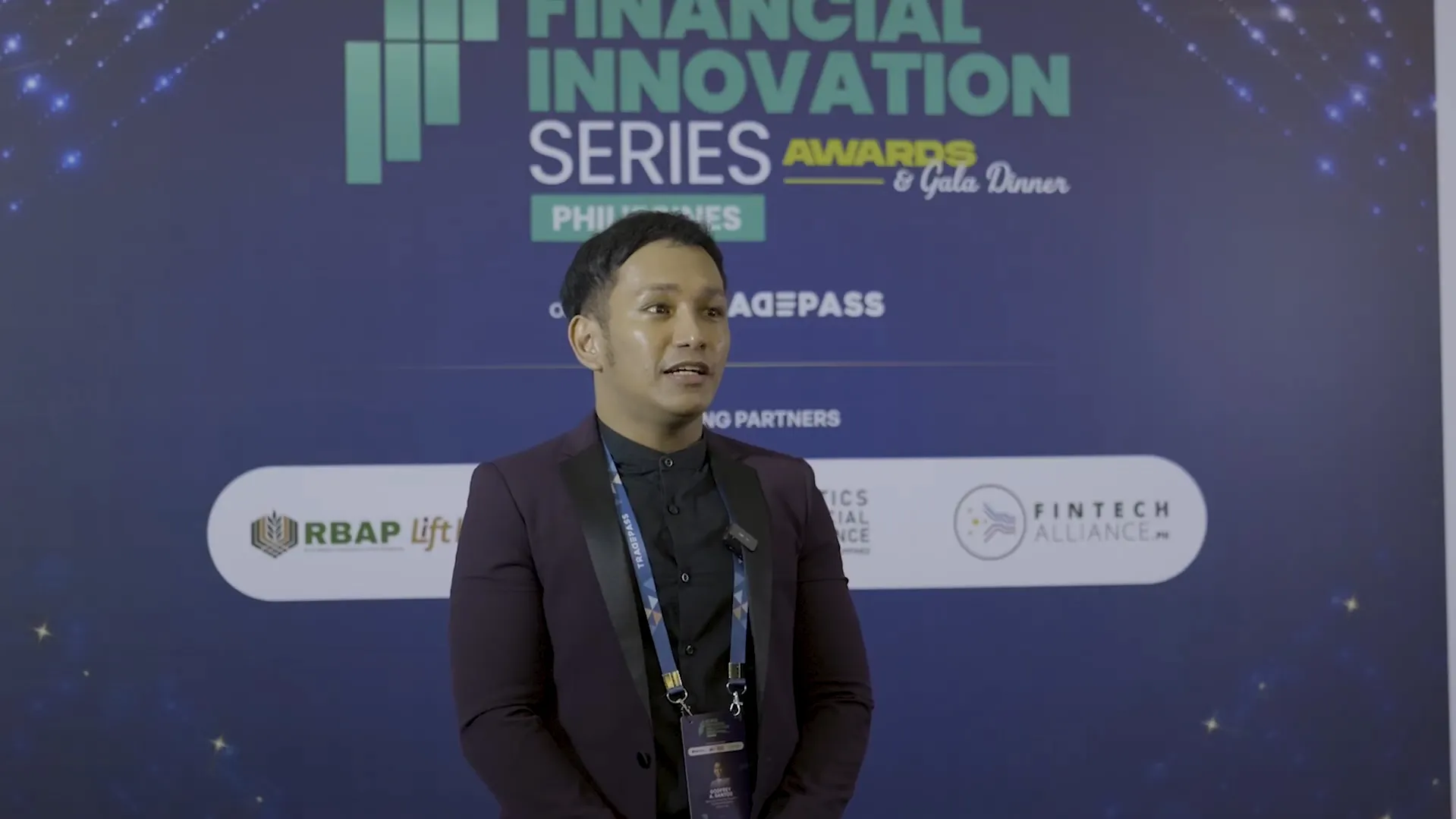
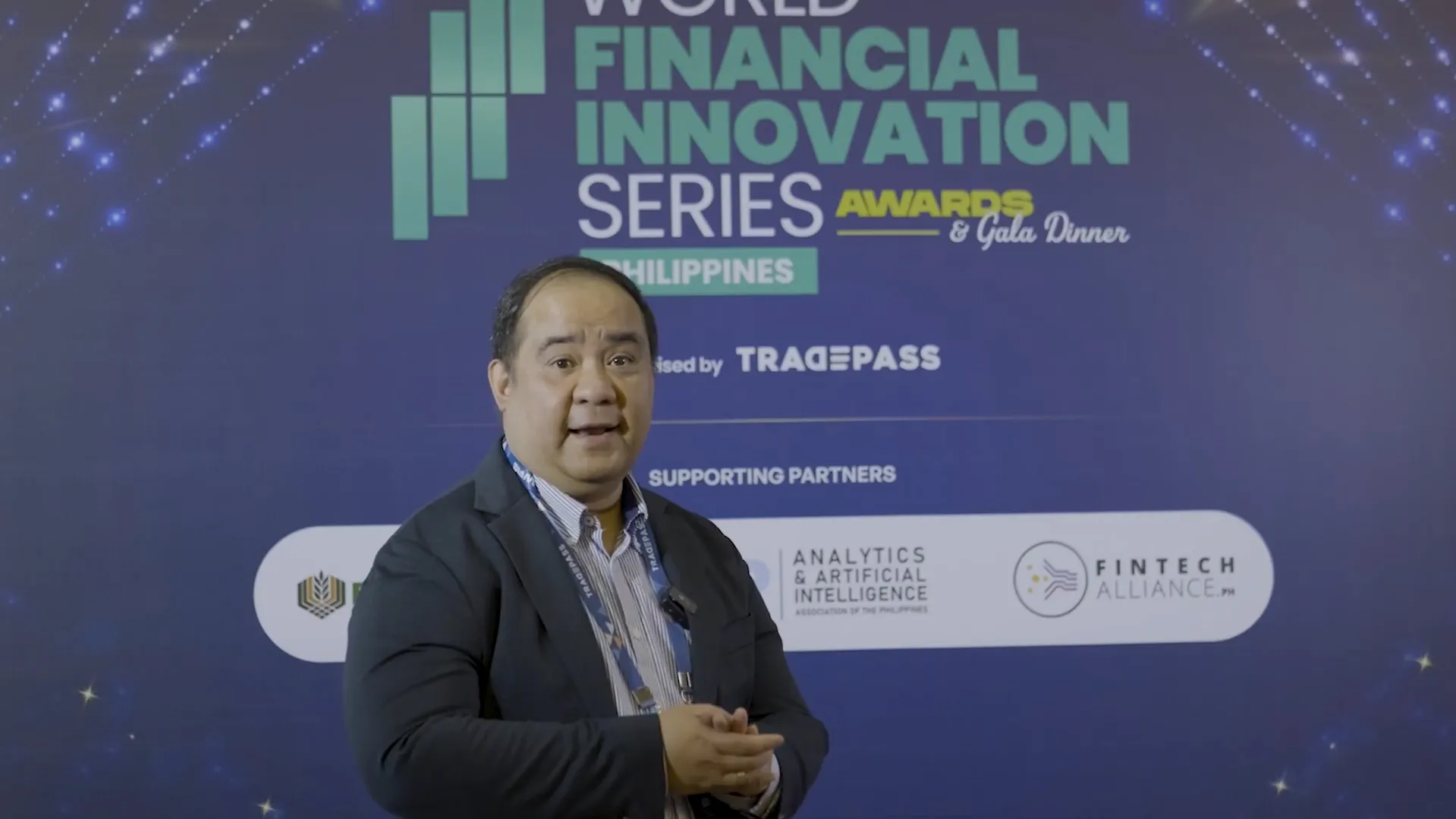
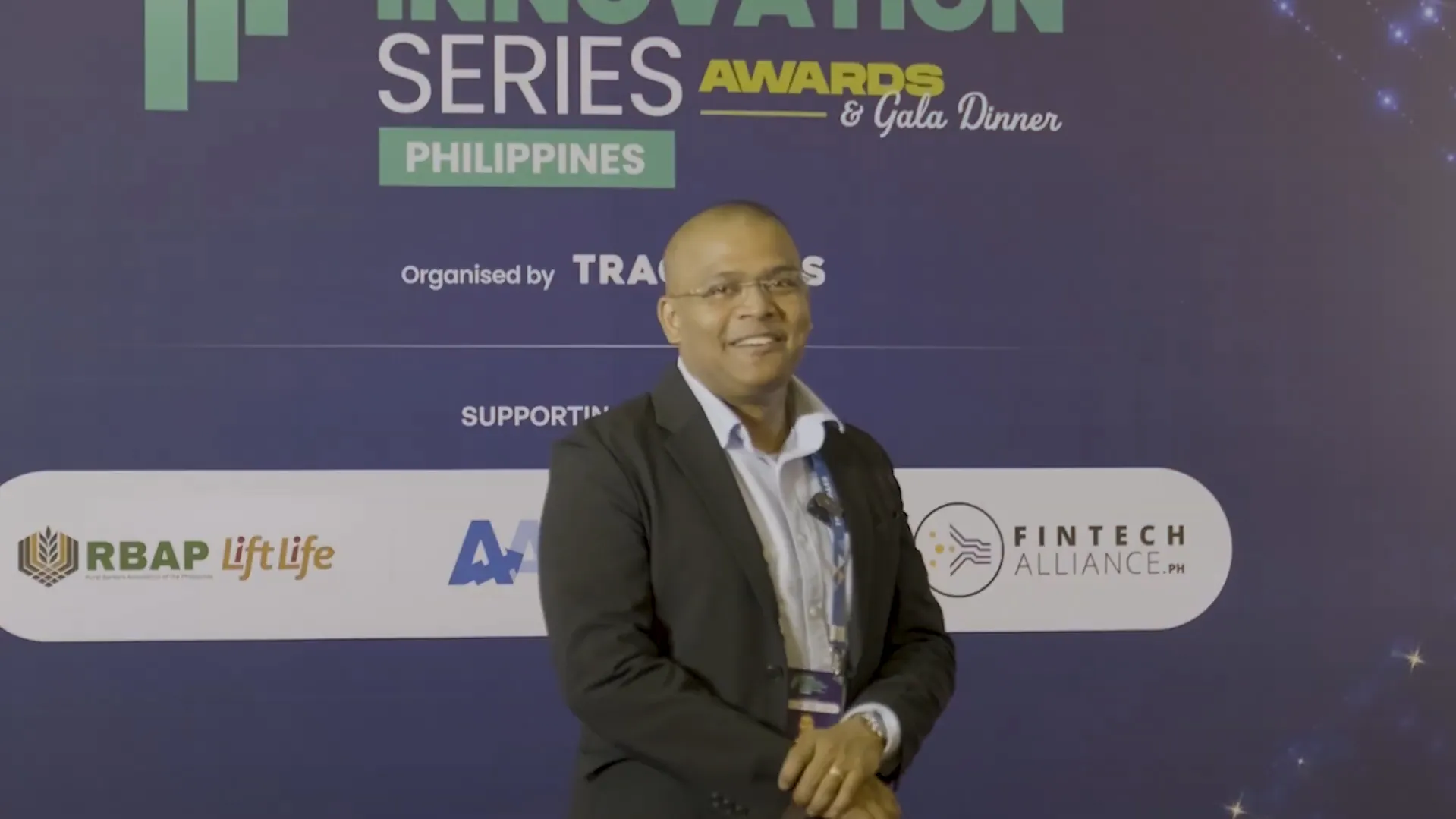
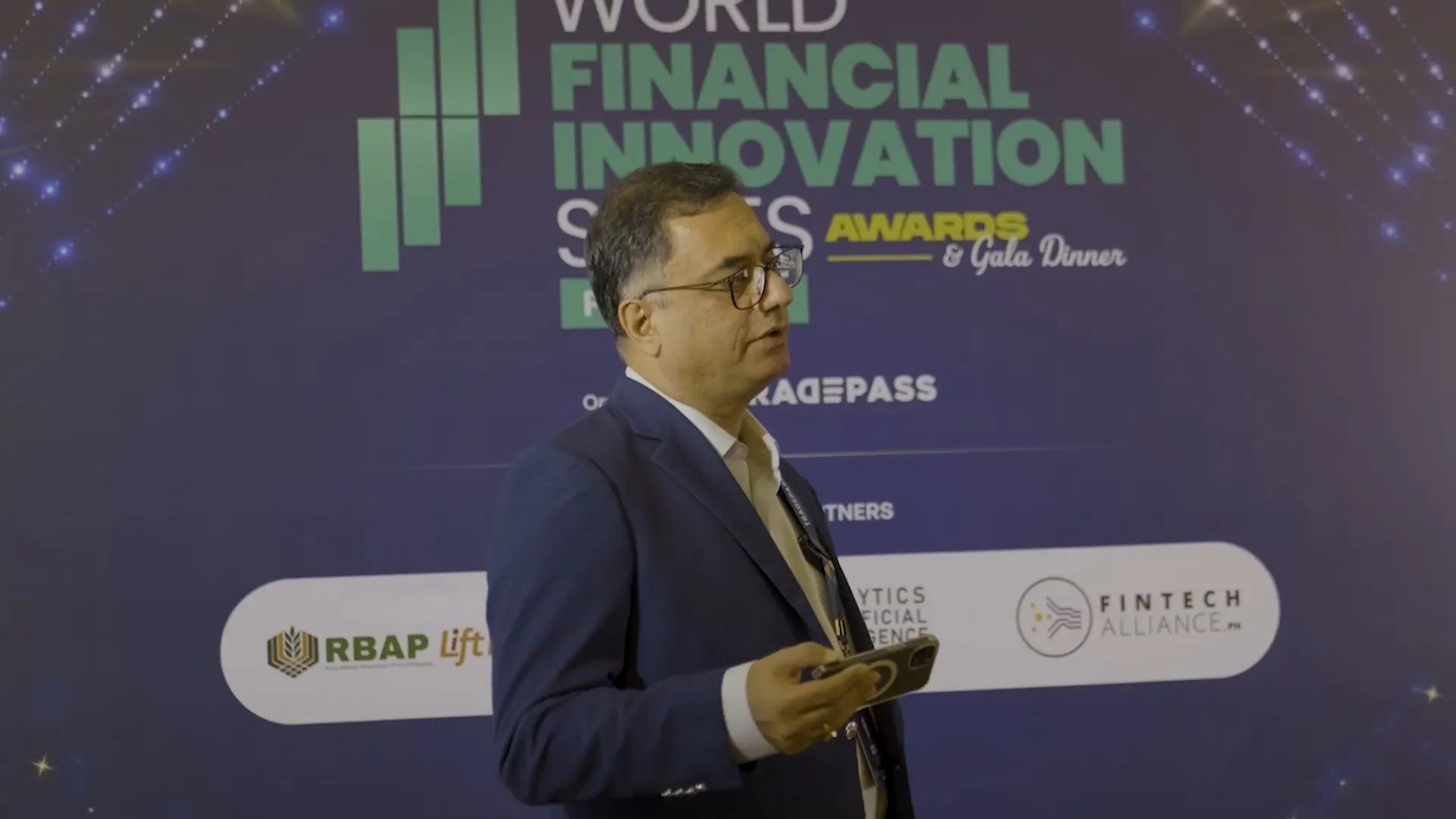
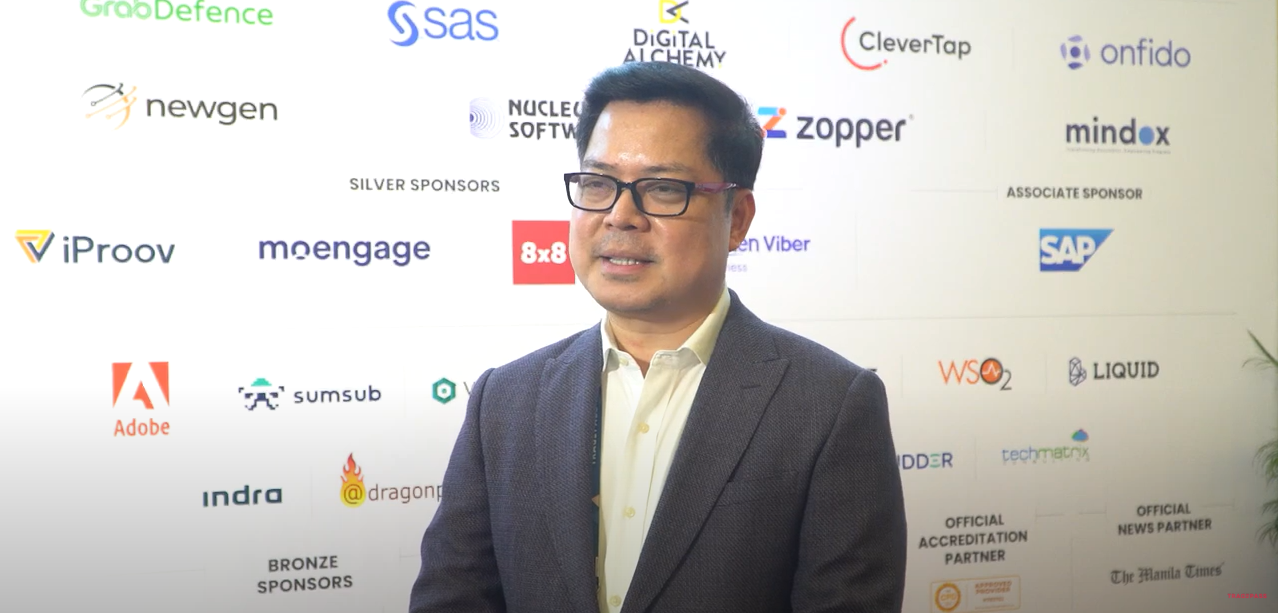
Explore these developments firsthand at the World Financial Innovation Series, taking place on 25–26 August 2026 at the prestigious Manila Marriott, Philippines.
The event brings together regulators, banking executives, fintech innovators, and technology leaders for two days of strategic discussion on AI adoption, financial inclusion, and secure digital infrastructure — with direct networking and partnership opportunities shaping the next phase of financial services growth across the Philippines.
FAQs
1. How is artificial intelligence improving financial services in the Philippines?
Artificial intelligence is helping financial institutions improve fraud detection, automate customer support, strengthen credit scoring models, and deliver personalized services across digital banking platforms in the Philippines.
2. Why is AI important for financial inclusion in the Philippines?
AI supports financial inclusion by using alternative data sources such as mobile usage and transaction history to provide credit access for underserved and previously unbanked communities.
3. What role does data analytics play in modern banking operations?
Data analytics helps banks improve compliance monitoring, customer engagement, operational efficiency, and lending decisions while enabling faster identification of suspicious transactions and financial risks.
4. What topics will be discussed at WFIS Philippines 2026?
The World Financial Innovation Series in the Philippines will feature discussions on AI in banking, financial inclusion, cybersecurity, digital payments, analytics, compliance, and emerging fintech opportunities.
5. Who should attend WFIS Philippines 2026?
The event is designed for banking leaders, fintech executives, regulators, technology providers, sponsors, and delegates seeking insights, partnerships, and market opportunities within the Philippine financial sector.