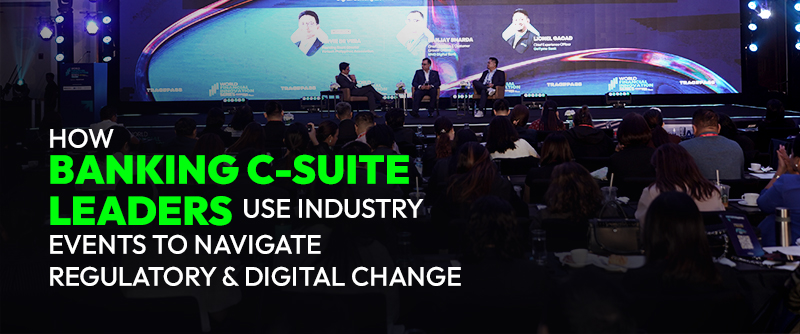
Banking leadership teams are operating in an environment shaped by stricter compliance expectations, rapid technology adoption, customer behaviour shifts, and increased pressure to improve operational efficiency. Decision-makers are expected to respond quickly while maintaining governance, security, and financial stability. In such an environment, industry gatherings have become valuable forums for discussion, planning, and collaboration.
From policy updates to fintech partnerships, these platforms help executives gain practical insights from peers, regulators, and technology experts. For many banking c-suite leads, participating in such industry forums has become an important part of strategic planning, risk management, and long-term growth within the financial services sector.
Why Industry Events Are Strategic Platforms for Banking Leadership
Industry events provide senior banking executives direct access to conversations that influence the future of financial services. These platforms create opportunities for leadership teams to understand how institutions across the sector are responding to operational and regulatory challenges.
One of the strongest advantages of attending a major BFSI conference is the opportunity to interact with regulators and policymakers in a professional setting. Banking leaders gain clarity on upcoming compliance expectations, supervisory priorities, and policy direction. These discussions often help institutions prepare early for reporting standards, cybersecurity regulations, consumer protection measures, and financial inclusion initiatives.
Events also provide access to sector-wide intelligence that may not always be available through reports or internal research alone. Executive panels, roundtable discussions, and keynote sessions offer practical perspectives on payment innovation, AI implementation, fraud management, customer experience, and open banking initiatives.
Another major benefit is knowledge exchange among stakeholders across the BFSI ecosystem. Banks, fintech companies, insurers, regulators, consultants, and technology providers share insights from their operational experiences. These interactions encourage collaboration and help leadership teams compare approaches to common industry challenges.
For senior executives, industry events also support strategic direction. Exposure to new business models, customer engagement strategies, and operational frameworks allows organisations to refine priorities and identify areas for future investment.
Navigating Regulatory Developments Through Industry Dialogue
Regulatory requirements continue to shape banking operations across every market. As governments strengthen oversight around data privacy, digital payments, anti-money laundering measures, and consumer protection, institutions must remain informed and prepared.
Industry events create a structured environment where leadership teams can better understand changing compliance frameworks. Sessions led by regulators, legal experts, and policy advisors often provide valuable interpretations of new rules and implementation timelines. These conversations help institutions avoid uncertainty and strengthen preparedness.
Dialogue around policy changes is another key advantage. Executives can hear how peer organisations are adapting their governance structures, reporting processes, and compliance systems in response to emerging regulations. This shared perspective allows decision-makers to benchmark their own readiness against broader industry expectations.
Banking leaders also use these forums to understand regulatory priorities beyond their domestic market. Cross-border discussions have become increasingly important as financial institutions expand partnerships, digital services, and payment networks internationally. Exposure to regional and global regulatory perspectives supports better decision-making around risk management and operational alignment.
Participation in a recognised finance technology leadership summit also helps executives evaluate how regulation is influencing technology investment decisions. Discussions around responsible AI adoption, cybersecurity preparedness, cloud infrastructure governance, and digital identity verification often shape institutional planning for the coming years.
Driving Digital Transformation Through Leadership Collaboration
Digital transformation within banking requires more than technology investment. It depends heavily on leadership alignment, organisational readiness, regulatory understanding, and collaboration across the industry.
Industry events, on the other end, allow executives to engage directly with peers facing similar operational challenges. These peer-to-peer interactions provide practical insights into implementation experiences, vendor selection, customer adoption issues, and internal change management processes. Learning from institutions that have already deployed certain technologies can help reduce uncertainty and improve planning.
Leadership collaboration also helps institutions identify realistic adoption strategies. Whether the discussion focuses on AI-powered banking services, automation, digital onboarding, or embedded finance, executives gain a clearer understanding of what works within regulated financial environments.
Another important aspect is aligning innovation initiatives with compliance obligations. Financial institutions cannot pursue technology adoption without considering governance, security, and regulatory accountability. Industry forums encourage balanced discussions where innovation goals are examined alongside operational risk and regulatory expectations.
Fintech partnerships are another major discussion area during these events. Banking executives increasingly seek partnerships that improve customer experience, payment infrastructure, analytics capabilities, and lending operations. Direct interaction with solution providers enables decision-makers to evaluate technology offerings, assess scalability, and explore collaborative opportunities more effectively.
For many banking c suite leads, these discussions contribute directly to investment priorities and long-term transformation strategies.
Business Outcomes from Participation in BFSI Conferences
Participation in industry conferences is not limited to networking alone. These events often generate measurable business outcomes for banks, technology providers, consultants, and service partners.
One major advantage is lead generation and business development. Senior executives attending a leading BFSI conference are typically involved in strategic purchasing decisions, partnership approvals, and operational planning. This creates valuable opportunities for organisations seeking meaningful business engagement within the financial services sector.
Brand positioning is another important outcome. Participating as a speaker, sponsor, exhibitor, or panel expert helps organisations strengthen industry visibility and credibility. Companies that contribute thought leadership during discussions often gain stronger recognition among banking decision-makers.
Access to senior leadership is particularly valuable during focused industry gatherings. Events create opportunities for direct conversations with CEOs, CIOs, CTOs, compliance heads, and digital transformation leaders who may otherwise be difficult to engage through conventional business channels.
Industry conferences also support market intelligence gathering. Attendees gain insights into competitor activity, customer priorities, technology investment trends, and operational challenges affecting the sector. This information can influence product development, partnership strategies, and expansion planning.
For institutions operating within highly competitive financial markets, consistent participation in the WFIS conference supports stronger industry relationships and long-term business visibility.
How Sponsors & Solution Providers Maximise Event Participation
Sponsors and technology providers approach industry events with clearly defined engagement objectives. Organisations that achieve strong outcomes typically focus on relationship-building, targeted communication, and solution relevance.
One of the most effective strategies is showcasing solutions aligned with current banking priorities. Demonstrating practical applications for fraud prevention, customer onboarding, AI integration, cybersecurity, payments modernisation, or compliance management helps solution providers attract qualified interest from attendees.
Strategic partnerships also emerge through direct interaction during networking sessions, leadership meetings, and discussion forums. Sponsors often use these opportunities to identify collaboration possibilities with banks, fintech firms, and ecosystem partners.
Engaging with qualified leaders remains another major objective. Unlike broader trade events, financial industry conferences attract specialized audiences with defined business interests and purchasing influence. This allows solution providers to focus conversations on relevant operational challenges and industry requirements.
Industry presence is equally important. Consistent participation across major events strengthens recognition within the financial services sector and reinforces market credibility. Organisations that actively contribute to industry discussions are often viewed as long-term partners rather than short-term vendors.
Engage with Banking Leaders at WFIS!
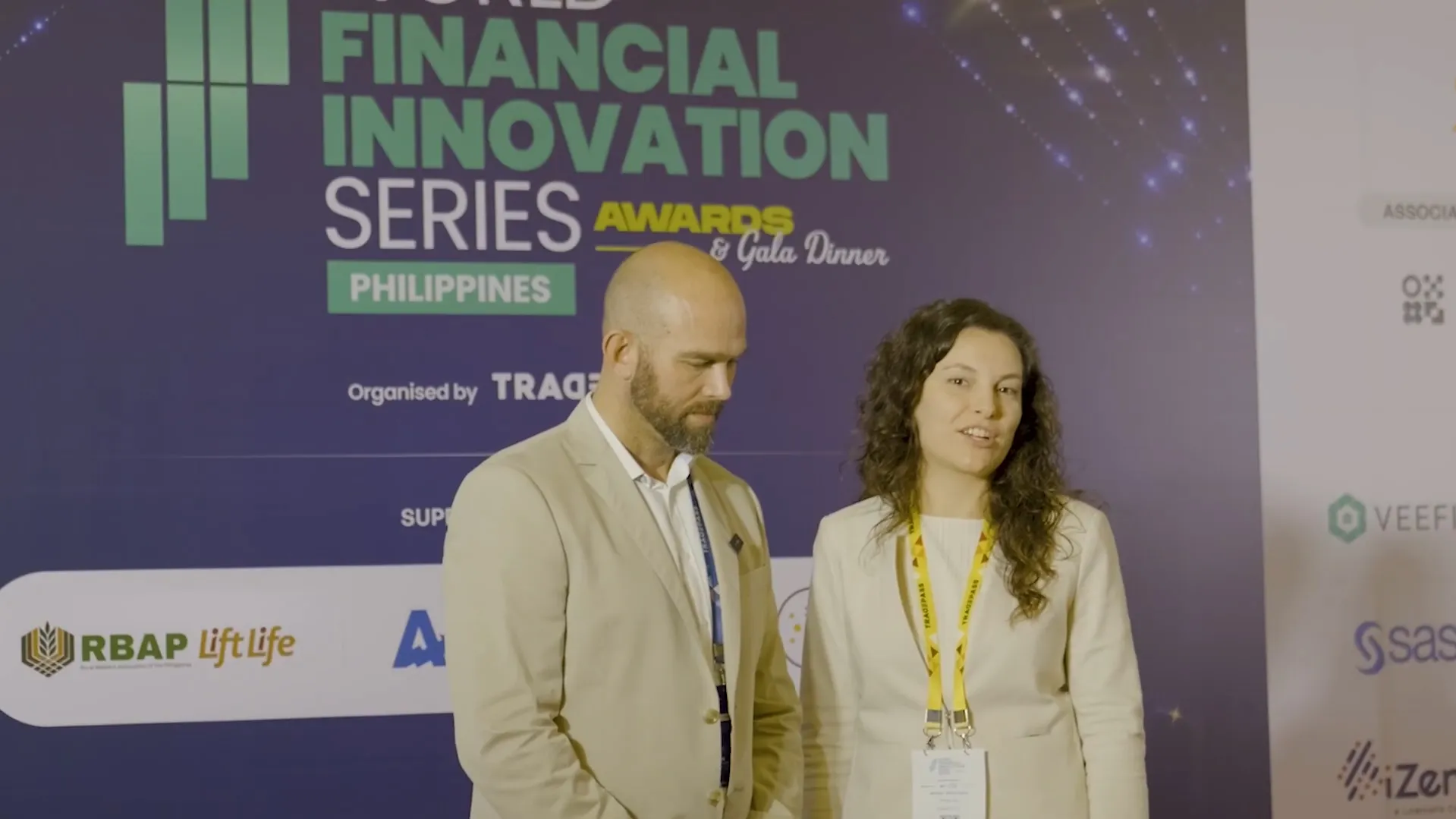
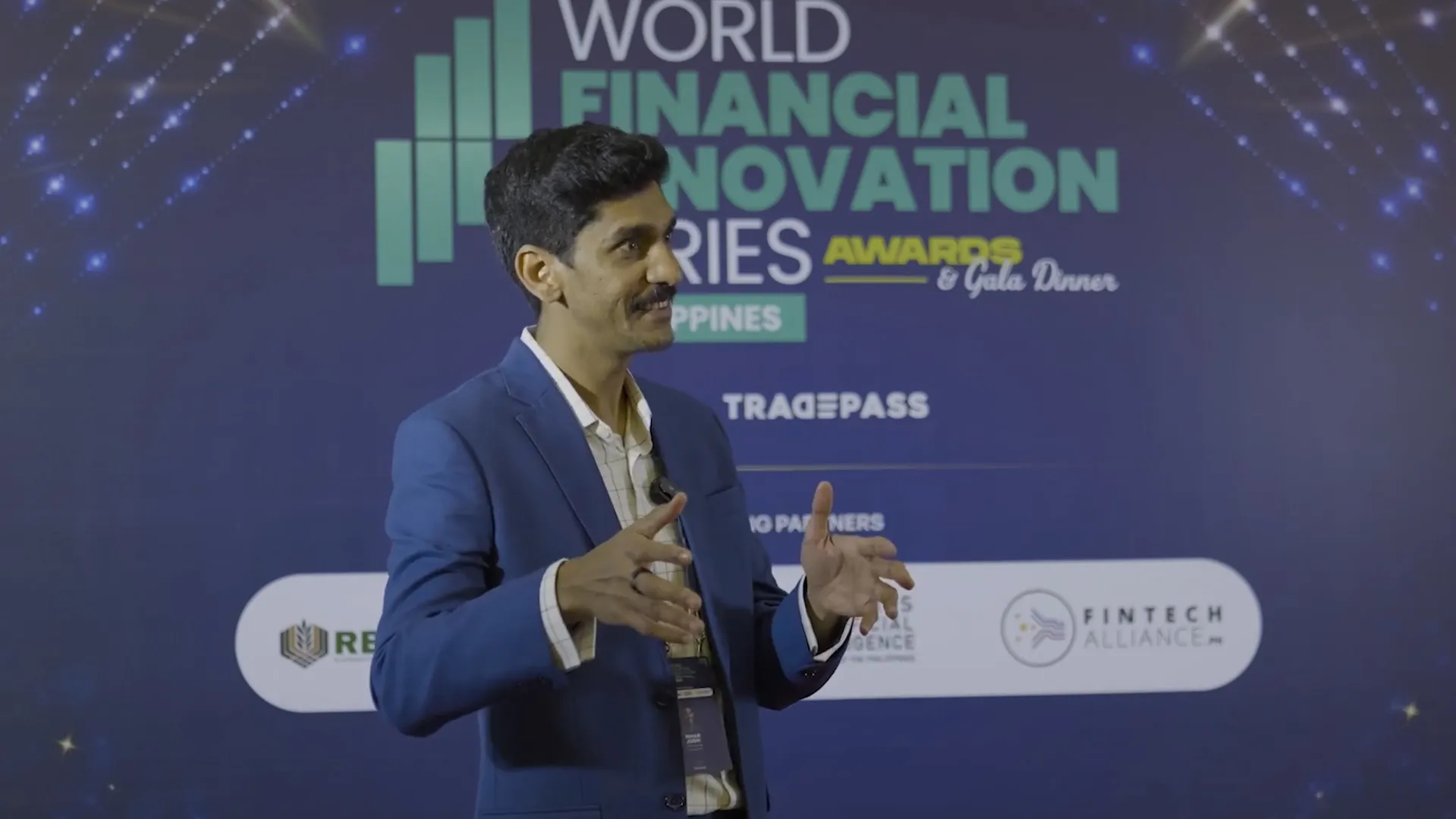
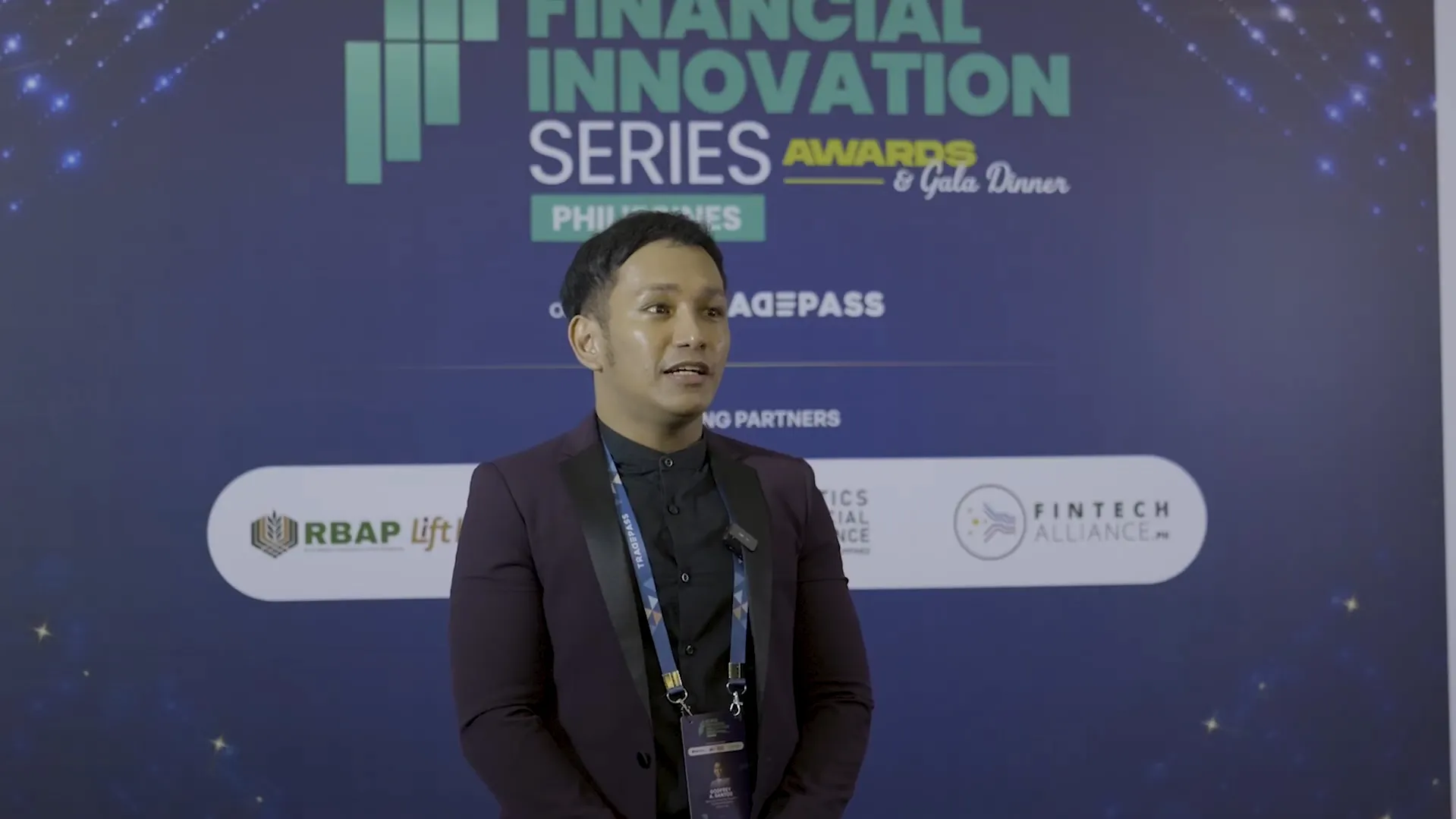
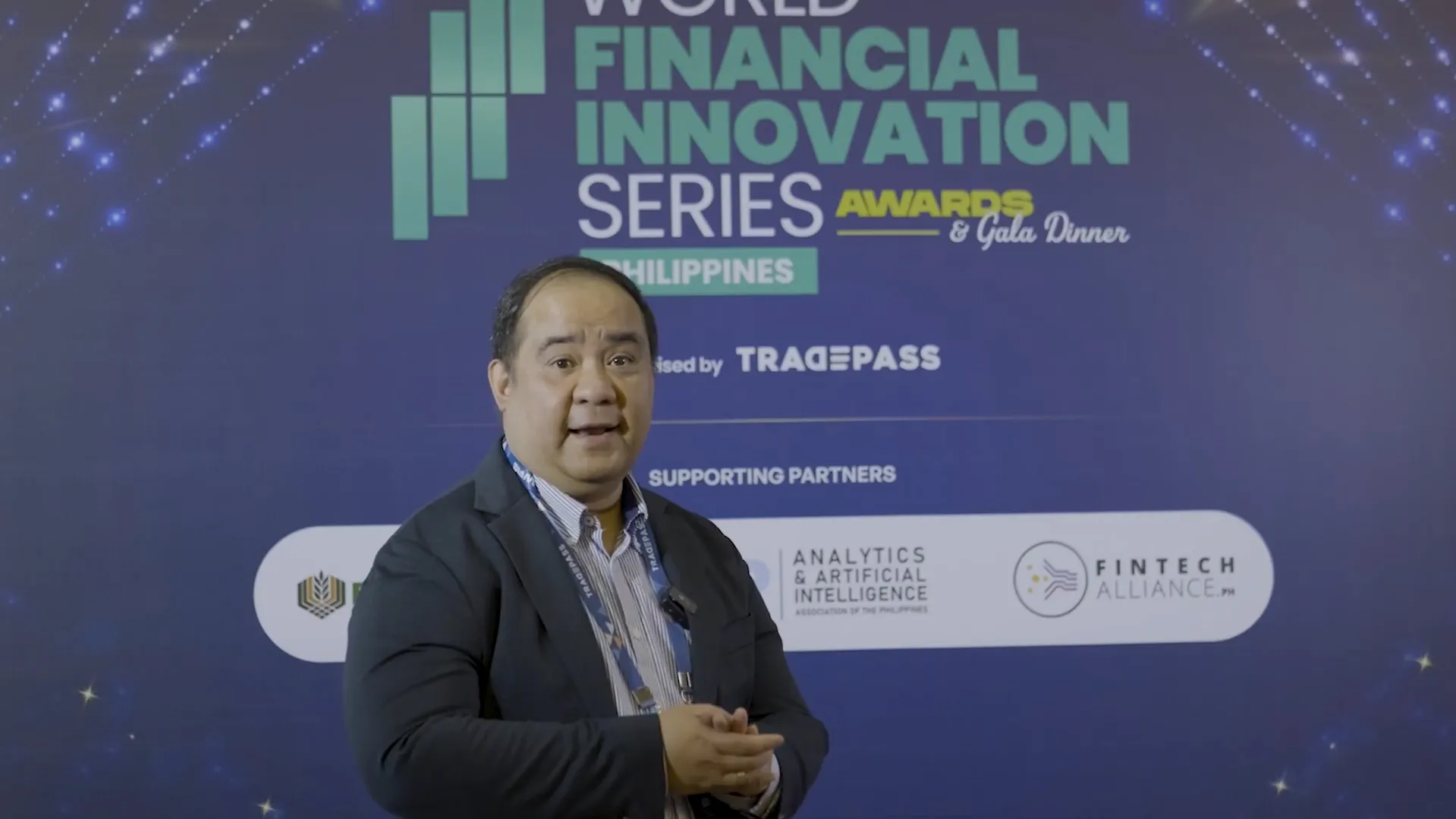
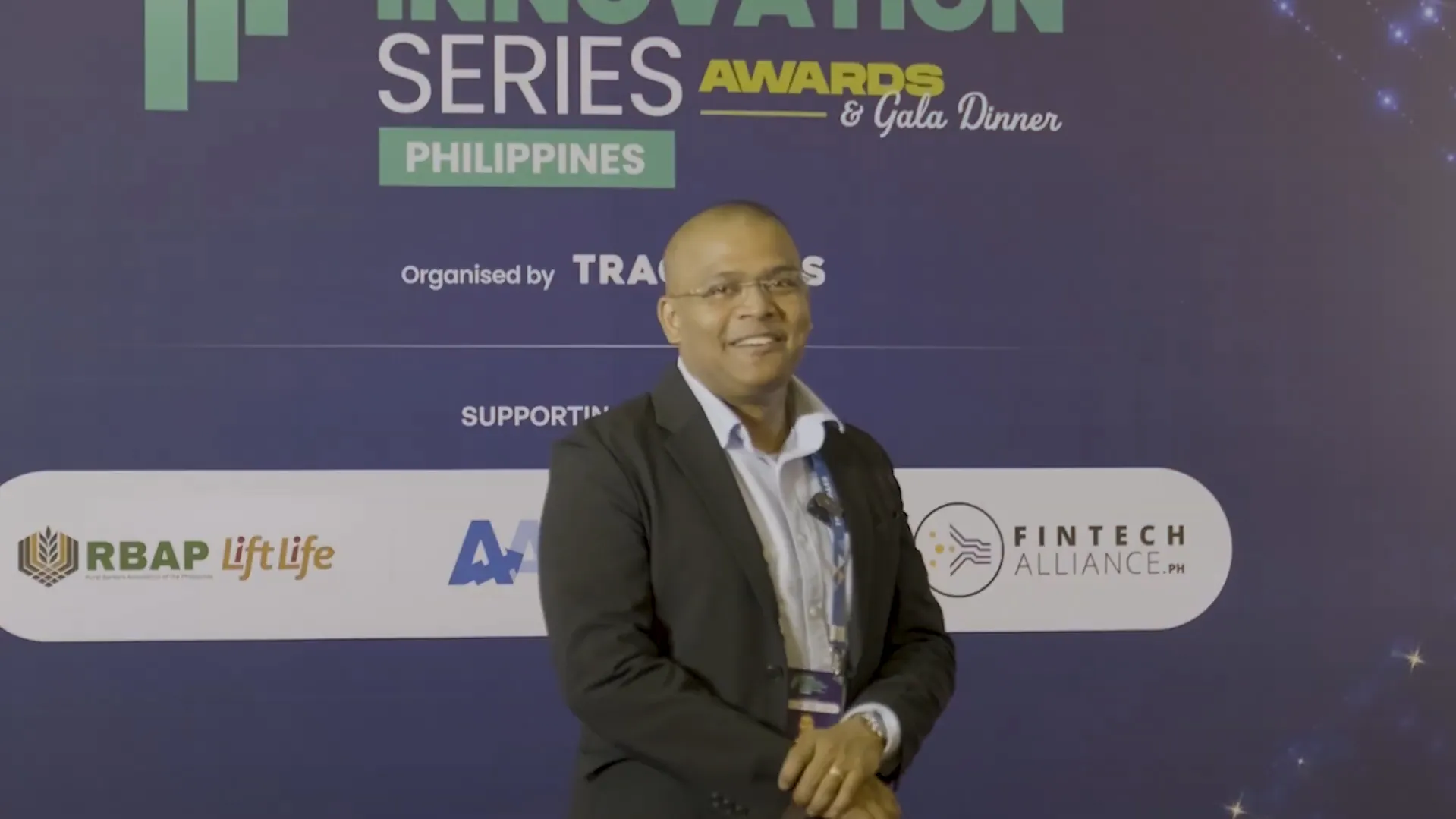
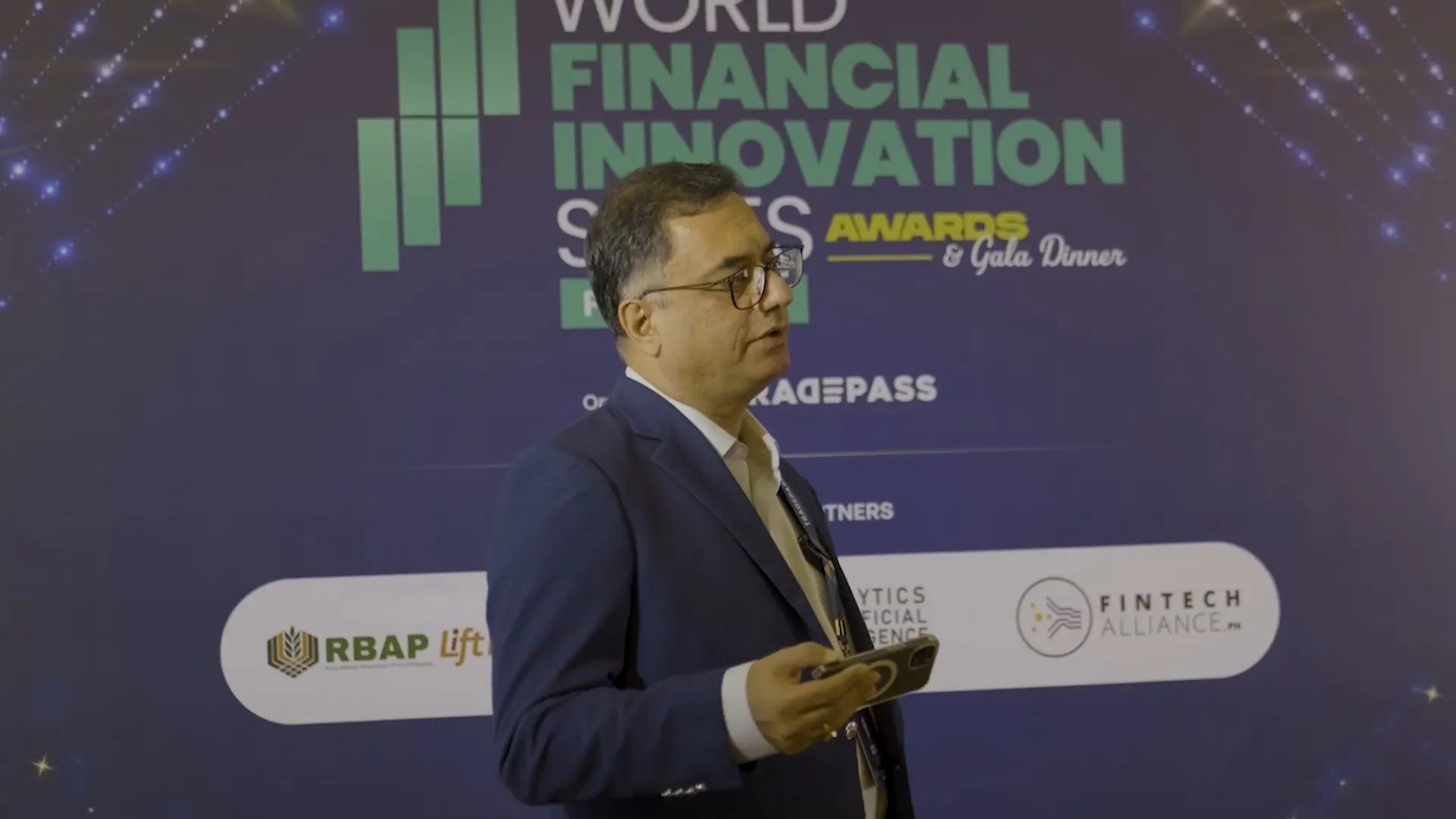
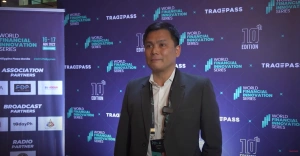
The upcoming World Financial Innovation Series (WFIS) in the Philippines will bring together top banking executives, policymakers, regulators, fintech innovators, and technology providers at the prestigious Manila Marriott, Philippines.
Taking place on 25–26 August 2026, the event offers valuable opportunities for delegates, sponsors, and industry leaders to exchange insights, explore partnerships, and discuss the future of financial services across the Philippines.
Join the leading voices shaping inclusion, innovation, and intelligence within the BFSI sector at the upcoming WFIS conference.
Frequently Asked Questions (FAQs)
1. Why do banking executives attend industry conferences and summits?
Banking executives attend industry events to understand regulatory developments, explore technology strategies, connect with peers, and identify future business opportunities within financial services.
2. How do BFSI conferences support digital transformation initiatives?
A BFSI conference helps institutions evaluate emerging technologies, learn implementation strategies, discuss operational challenges, and explore partnerships supporting digital banking initiatives.
3. What benefits do sponsors gain from participating in financial industry events?
Sponsors gain direct access to decision-makers, strengthen brand visibility, generate qualified business leads, and build strategic relationships across the banking ecosystem.
4. Why are regulatory discussions important at banking leadership events?
Regulatory discussions help financial institutions understand compliance expectations, policy updates, cybersecurity requirements, and governance practices influencing operational and digital transformation strategies.
5. What makes WFIS 2026 – Philippines valuable for banking and fintech professionals?
WFIS 2026 – Philippines connects banking leaders, fintech innovators, policymakers, and solution providers through discussions focused on financial inclusion, innovation, technology adoption, and industry collaboration.